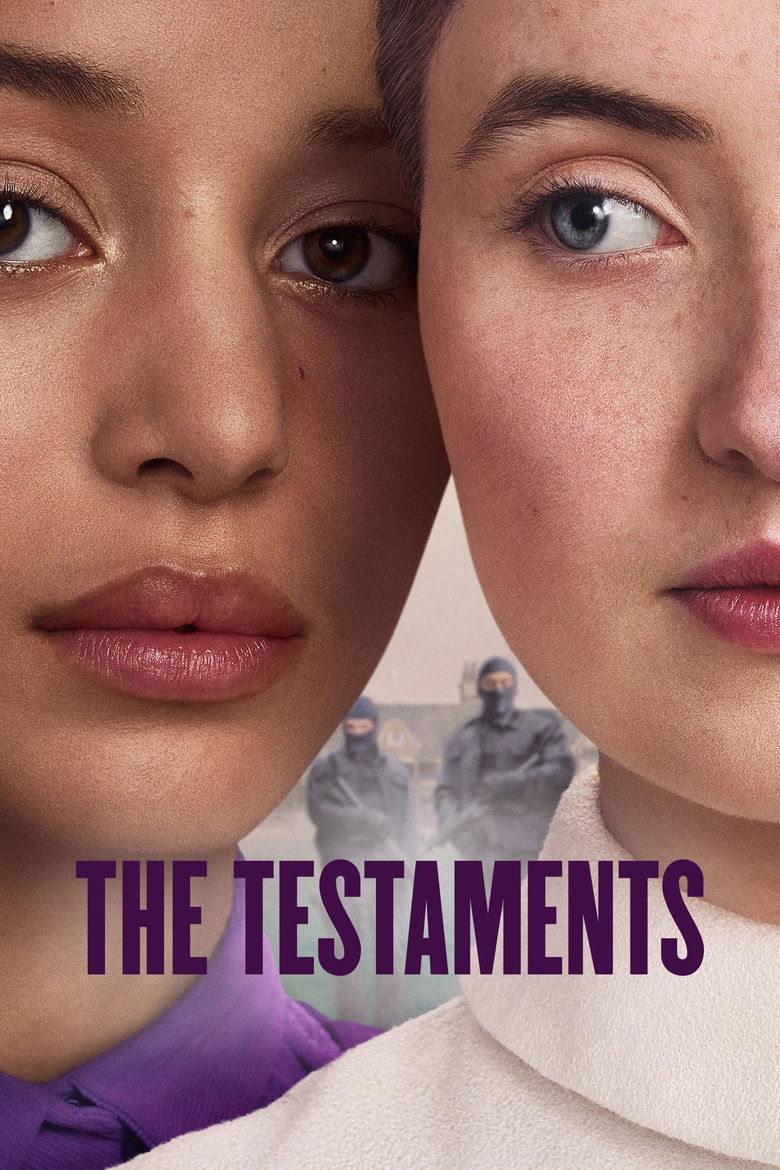

2026– · Based on 1 season, 10 episodes through May 27, 2026 ·
The Testaments follows Agnes, a teenage girl raised inside Gilead, and Daisy, a young woman from Canada who enters the country under a secret plan. Aunt Lydia links their stories as she trains girls to become wives while quietly gathering power against the regime. The show moves between schools, homes, prisons, and rebel networks. Its tone is tense, cruel, and hopeful. The story openly centers female freedom, resistance, and the harm caused by a society that controls women’s bodies and choices. Young women lead the main fight, while Gilead’s male rulers are shown as cruel, weak, or corrupt. The show connects its fictional laws to modern debates about reproductive rights and women’s equality. These ideas shape nearly every episode and are not side themes.
Community feedback
Was our 85% Woke rating accurate?
Loading review details…
Breakdown
These are the editorial factors and ratings behind our score for The Testaments.
Woke representation / casting
The show gives major roles to young women and includes a visibly mixed group of allies and opponents. The casting supports a diverse modern television pattern, but the story does not present the group as a representation campaign. Female leadership is more important here than racial identity messaging. The score reflects a clear pattern in prominent roles without an overwhelming diversity-first design.
42%
Woke political dialogue
The characters often speak about women’s freedom, bodily control, reproductive rights, and resistance to religious government. The dialogue connects Gilead’s rules to present-day debates about women’s rights. These ideas recur across the season and guide the characters’ choices. The show uses political language regularly, but it does not pause for long speeches in every episode.
48%
Identity-driven story themes
The season is built around young women resisting a system that controls their bodies, education, marriage, and future. Agnes and Daisy become symbols of female freedom while Aunt Lydia turns her knowledge of the system against it. The story treats traditional gender roles in Gilead as a central danger. Female solidarity and resistance drive nearly every major plot line.
78%
Western institutional / cultural critique
The show presents a Christian-style government as a tool for controlling women and hiding abuse. Gilead’s schools, courts, families, and religious leaders are shown as deeply corrupt. The story also attacks forced marriage, male entitlement, and strict traditional gender roles. This is a continuing critique of social and religious institutions, not only a simple anti-tyranny adventure.
73%
Woke character or canon changes
The series changes parts of Margaret Atwood’s book timeline and rearranges how Agnes, Daisy, and Nichole connect. Those changes affect age, family links, and plot structure, but clear race, gender, or sexuality swaps were not confirmed. The score reflects limited identity-related adaptation changes rather than a major canon rewrite.
15%
Anti-woke backlash and complaints
A few viewers criticized the show’s present-day political links, young-adult tone, or feminist message. Those complaints remained scattered and did not become a major news story, boycott, or review-bombing campaign. Most public reaction was praise or ordinary criticism of the writing and plot.
4%
Creator track record context
Key creators include Margaret Atwood, Ann Dowd, Warren Littlefield, Jet Wilkinson, and Quyen Tran. Their stored records show repeated work or public statements about women’s rights, authoritarianism, diversity, queer stories, and social justice. The strongest pattern comes from Atwood’s feminist dystopian work and the producers’ continued framing of Gilead as a warning about attacks on women’s freedom.
71%
Production
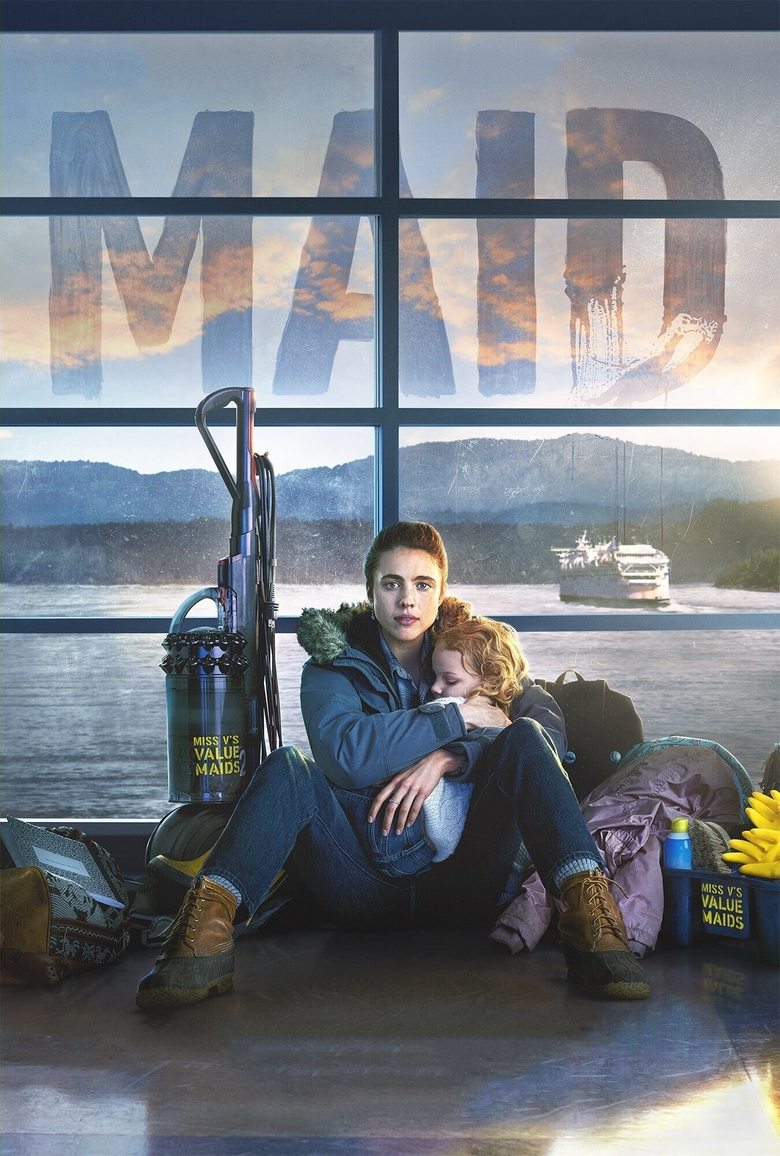
TV Show · 2021
After fleeing an abusive relationship, a young mother finds a job cleaning houses as she fights to provide for her child and build them a better future.
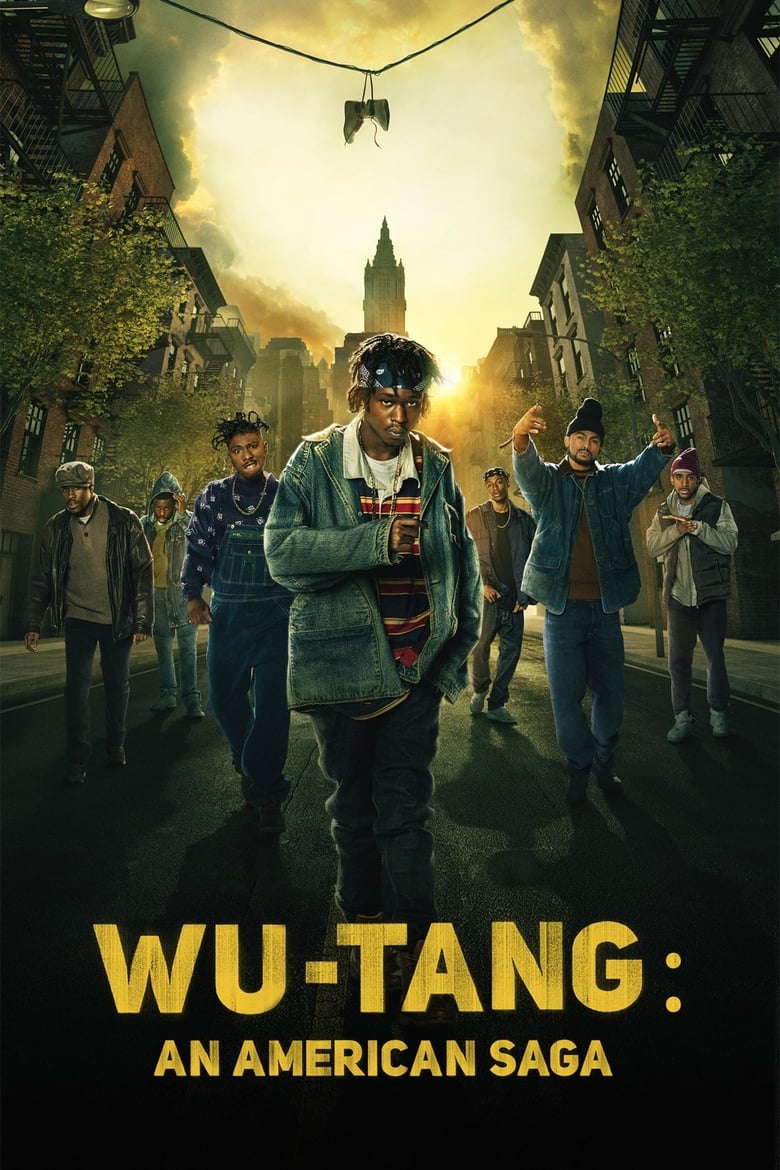
TV Show · 2019
In the early 1990s in New York, during the height of the crack cocaine epidemic, a visionary musician named Bobby Diggs aka The RZA begins to form a super group of a dozen young…

TV Show · 2024
The true story of one Jewish family separated at the start of World War II, determined to survive—and to reunite.
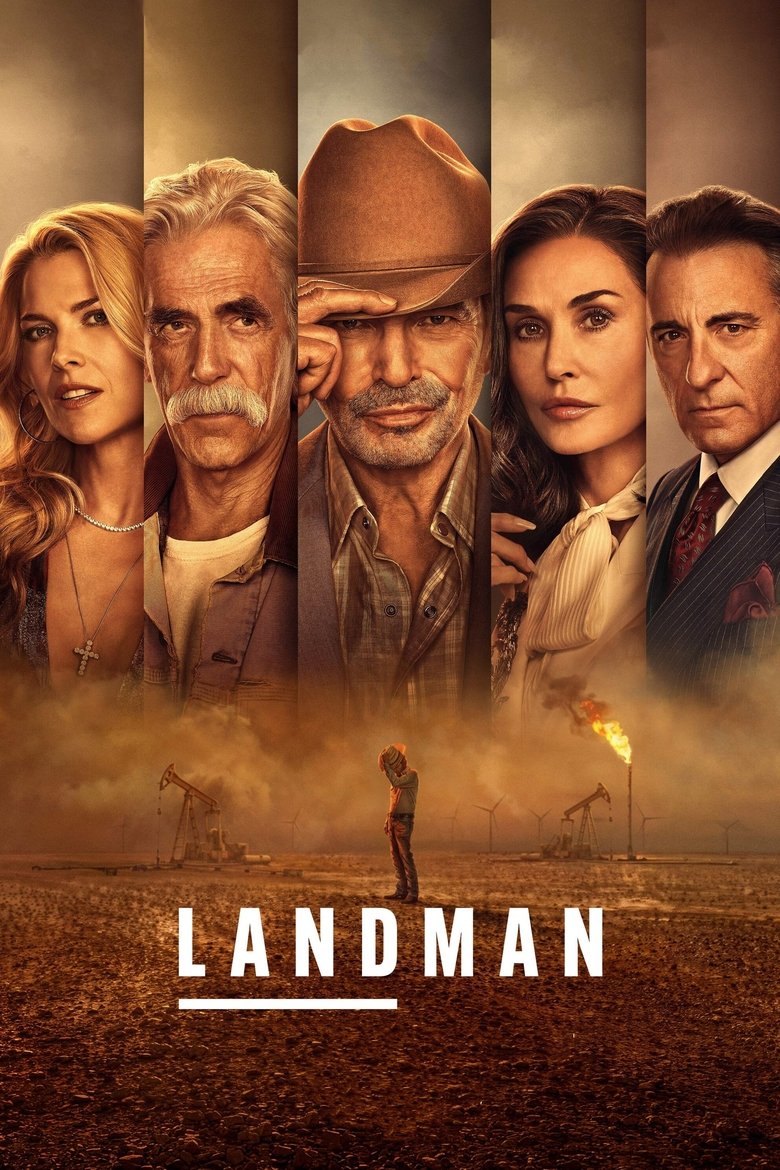
TV Show · 2024
Set in the proverbial boomtowns of West-Texas and a modern-day tale of fortune-seeking in the world of oil rigs, the series is an upstairs/downstairs story of roughnecks and…
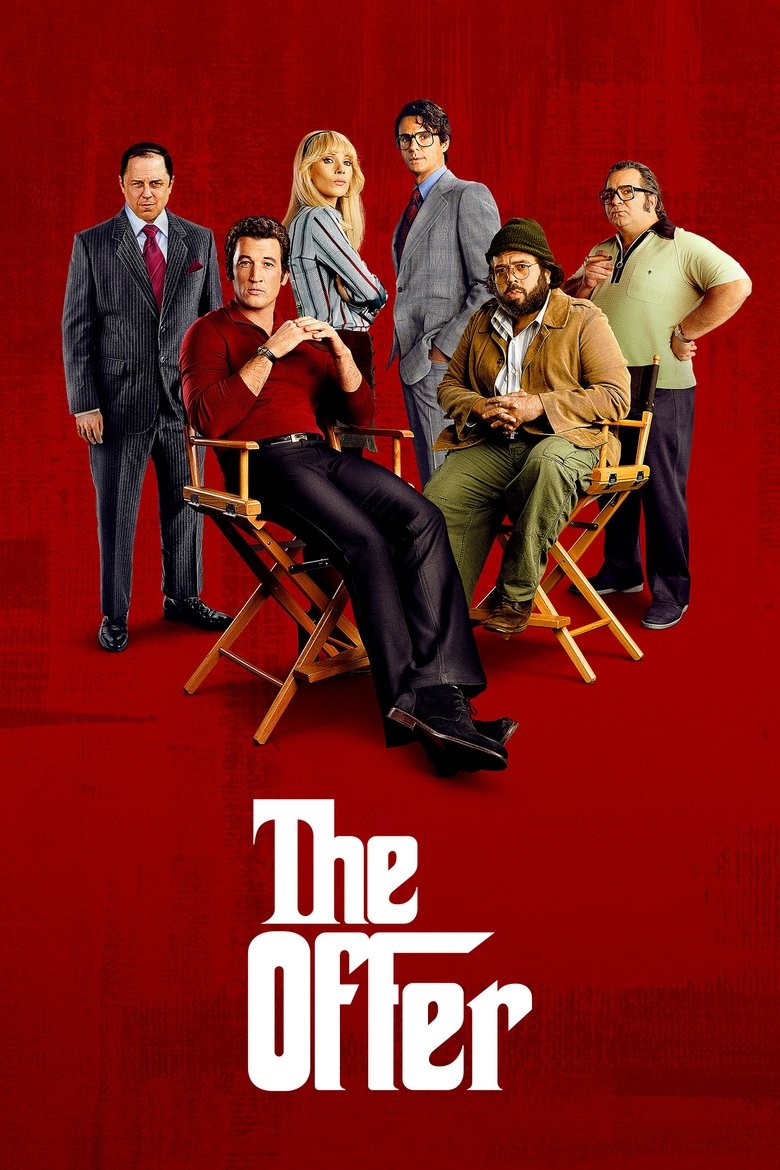
TV Show · 2022
Oscar-winning producer Al Ruddy’s never before revealed experiences of making the iconic 1972 film The Godfather that Francis Ford Coppola directed and adapted with Mario Puzo.

TV Show · 2024
Fascinated by cars since childhood, Brazilian racer Ayrton Senna became a sports legend — until tragedy struck, changing Formula 1 forever.
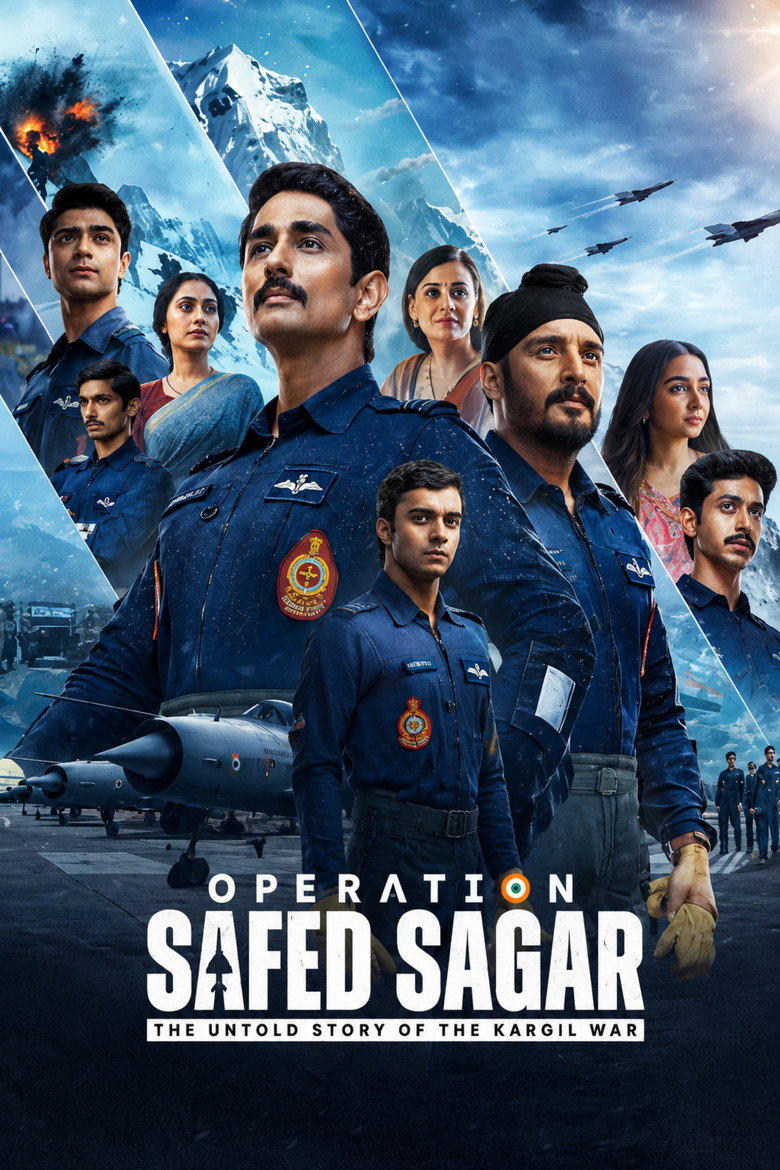
TV Show · 2026
As the Kargil War erupts between India and Pakistan, the Golden Arrows squadron of the Air Force takes flight on a dangerous mission behind enemy lines.
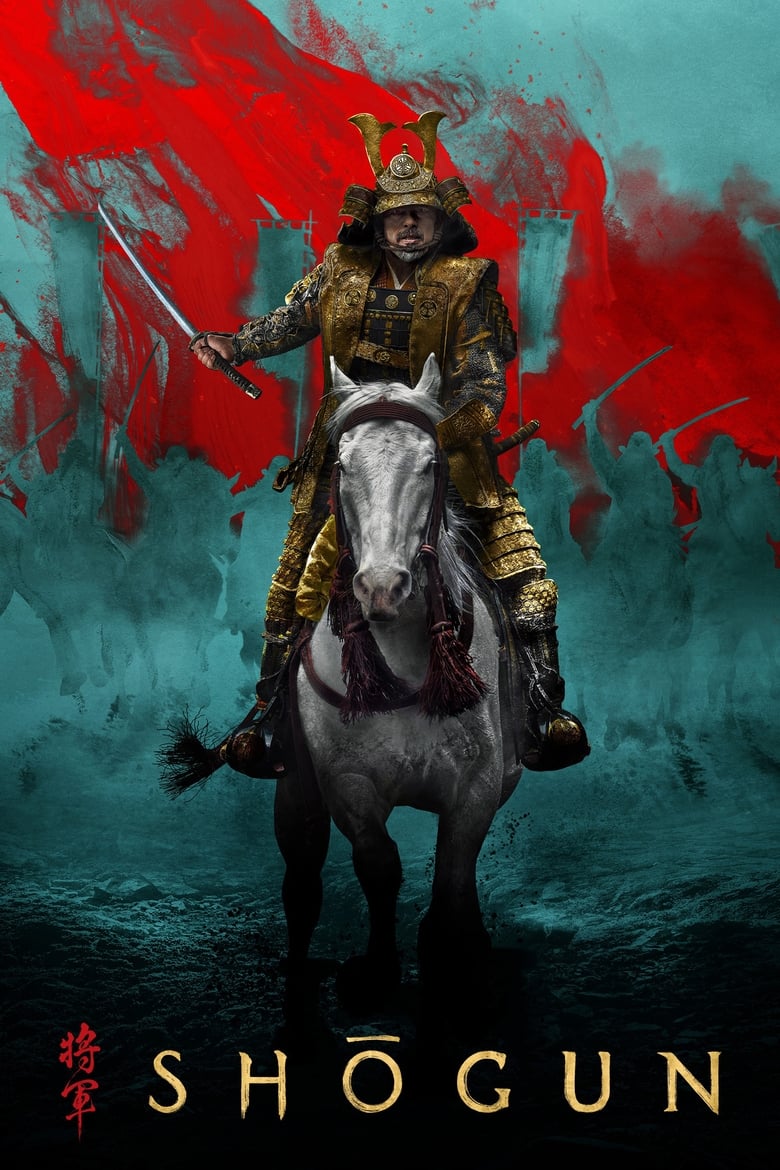
TV Show · 2024
In Japan in the year 1600, at the dawn of a century-defining civil war, Lord Yoshii Toranaga is fighting for his life as his enemies on the Council of Regents unite against him…
