

2018 · Based on 1 season, 8 episodes through April 7, 2018 ·
Paris, a prince of Troy, falls in love with Helen, the wife of Sparta’s king. Their escape starts a long war between Troy and the Greek armies. The series follows Paris, Helen, Achilles, Hector, Andromache, and the rulers who use war to protect pride and power. The tone is dark, violent, and tragic. The show gives major roles to black actors as Achilles, Zeus, Patroclus, Athena, Artemis, and Aeneas. It also presents Achilles and Patroclus as lovers, while Helen and other women often make important choices and challenge male rulers. The story often shows marriage, war, slavery, rape, and royal power as systems that hurt ordinary people. These ideas are part of the story across the season, but the main focus remains the Trojan War and the fall of the city.
Community feedback
Was our 80% Woke rating accurate?
Loading review details…
Breakdown
These are the editorial factors and ratings behind our score for Troy: Fall of a City.
Woke representation / casting
The series gives several central heroic and divine roles to black actors, including Achilles and Zeus. The pattern continues with Patroclus, Athena, Artemis, and Aeneas. The casting goes beyond a small background mix and was publicly discussed as a diversity choice. The setting is mythic rather than a strict historical record, but the repeated pattern is clearly audience-visible.
65%
Woke political dialogue
The characters sometimes speak about women being controlled, royal power, slavery, and the cost of war. The series does not often stop for modern political speeches. The ideas appear in short lines and character conflicts rather than as a main subject.
15%
Identity-driven story themes
The series makes Achilles and Patroclus lovers and treats their bond as an important part of Achilles’s life. Helen, Hecuba, Andromache, and Cassandra often resist or question male power. The show repeatedly links war, marriage, sexual control, and the treatment of women. These themes matter across the season, but the central plot remains the Trojan War.
48%
Western institutional / cultural critique
The story presents kings, armies, marriage rules, slavery, and male authority as sources of suffering. Women are often trapped by systems run by men. The criticism is repeated across the season, but it mostly comes from the ancient setting and the war story rather than direct modern attacks on Western institutions.
32%
Woke character or canon changes
The series changes the usual screen image of Achilles and several other Greek figures by casting black actors in major roles. It also makes Achilles and Patroclus sexual partners, which is a clear identity-related change in many versions of the story. Helen receives more control over her choices than in some older retellings. These changes affect major characters and recurring plot lines.
58%
Anti-woke backlash and complaints
Online complaints said the casting of black actors as Achilles and Zeus was inaccurate, political, or part of “blackwashing.” The debate appeared across social media and in named entertainment coverage. Academic writing later studied the racist and nationalist forms of this reaction. The controversy was broad and recurring, but it did not become a major boycott or national news cycle.
55%
Creator track record context
David Farr has spoken about the story’s political anger and Western exploitation. Matthew Read has some identity-focused work but is mainly known for crime and drama. Owen Harris has directed well-known queer stories, while the other key creators have more mixed or mainstream records. The context supports a moderate score rather than a dominant activist profile.
32%
Production
TV Show · 2018
When CIA analyst Jack Ryan stumbles upon a suspicious series of bank transfers his search for answers pulls him from the safety of his desk job and catapults him into a deadly…

TV Show · 2022
When a small plane crashes in the middle of the Canadian wilderness, a lone survivor must battle the elements — and her personal demons — to stay alive.
TV Show · 2016
The story of Mac Conway, a Marine who returns home to Memphis from Vietnam in 1972 and finds himself shunned by those he loves and demonized by the public.
TV Show · 2022
Navy SEAL Commander James Reece turns to vengeance as he investigates the mysterious forces behind the murder of his entire platoon.

TV Show · 2020
Desperate to take care of his pregnant wife before a terminal illness can take his life, Dodge Maynard accepts an offer to participate in a deadly game where he soon discovers…
TV Show · 2019
Follow a disillusioned teen recruited into a storied high school for assassins. Maintaining his moral code while surviving a ruthless curriculum, vicious social cliques, and his…
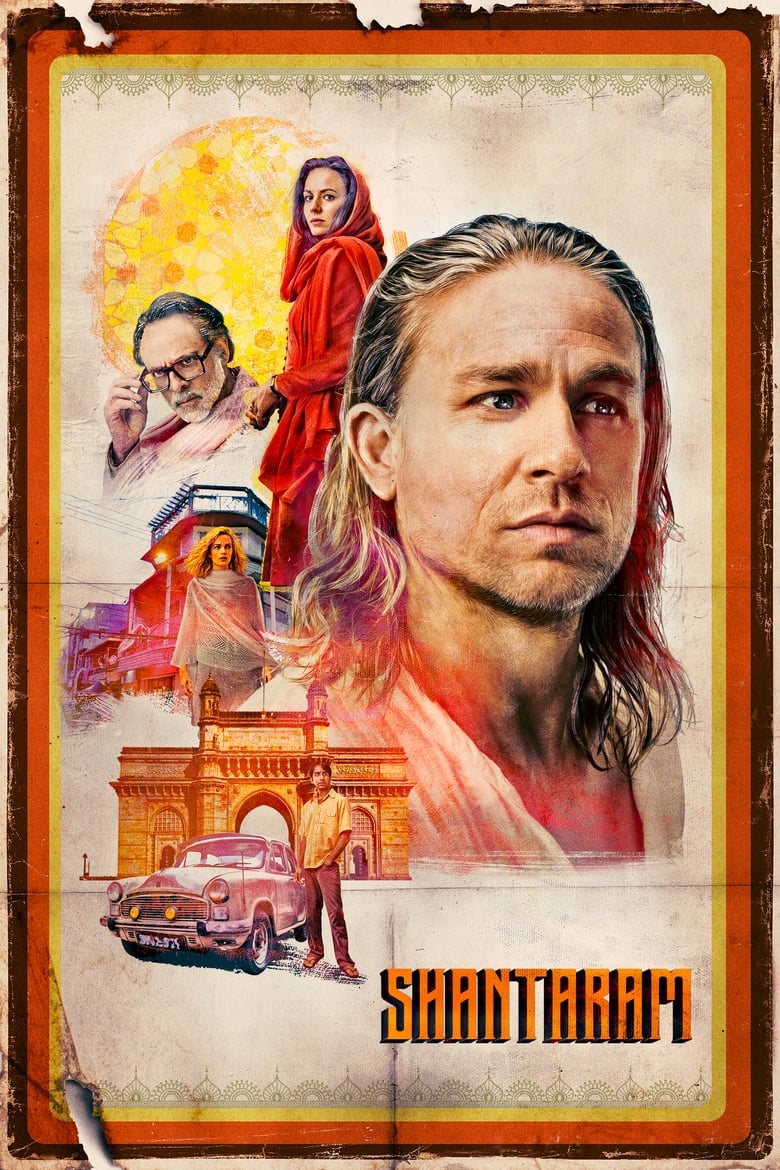
TV Show · 2022
Escaped convict Lin Ford flees to the teeming streets of 1980s Bombay, looking to disappear. Working as a medic for the city's poor and neglected, Lin finds unexpected love…

TV Show · 2022
Dan Chase absconded from the CIA decades ago and now lives off the grid. When an assassin arrives and tries to take Chase out, the old operative learns that to ensure his future…
