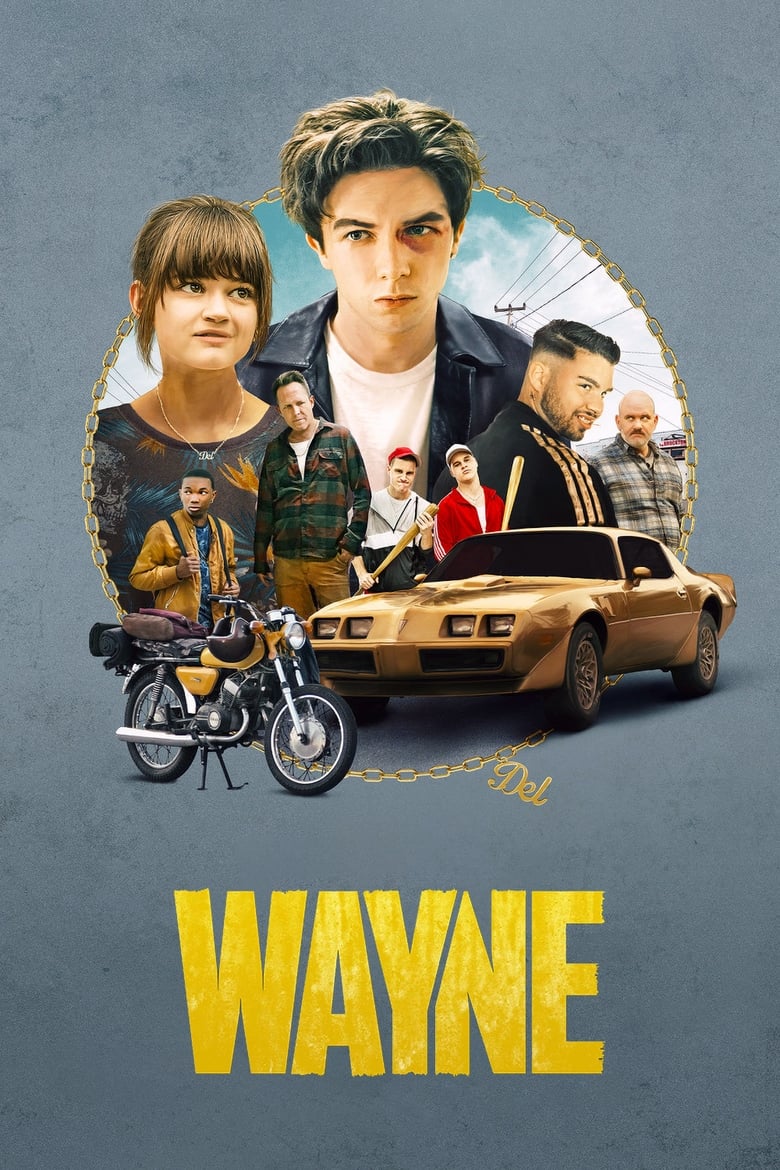

2019 · Based on 1 season, 10 episodes through January 16, 2019 ·
Wayne is a sixteen-year-old from working-class Brockton, Massachusetts, who follows his own rough sense of justice. After his father dies, Wayne learns that his mother and her boyfriend took a gold Pontiac that his father meant to leave him. Wayne rides south with Del, a blunt girl he barely knows, and they face her angry family, police, and people they meet on the road. The series mixes bloody fights and crude jokes with a serious story about young love and family. Orlando, Wayne’s black best friend, is one of the few people who helps him. In episode 6, Orlando jokes that Principal Cole’s promotion shows “white privilege.” Late in the season, Sergeant Geller tells Wayne he once fell in love with a man while teaching in Thailand. These moments sit beside the road story about loyalty, family pain, and two teens learning to trust each other.
Community feedback
Was our 27% Woke rating accurate?
Loading review details…
Breakdown
These are the editorial factors and ratings behind our score for Wayne.
Woke representation / casting
The show features minority characters in prominent roles, such as Wayne's best friend Orlando and Officer Ganetti. However, their inclusion is natural to the modern working-class settings. Their roles are realistic, and free of identity signaling, lecturing, or diversity quotas.
7%
Woke political dialogue
Orlando calls Principal Cole’s promotion “white privilege” in episode 6. Cole agrees that he had the same thought. Orlando makes the joke while pushing Cole to write a school speech. Sergeant Geller tells Wayne he fell in love with Anaruk, a man he met in Thailand. Geller says this was the deepest love of his life. Wayne hears the story during the late-season police chase.
15%
Identity-driven story themes
Wayne often shows care by fighting for people. His father hides affection behind rough jokes. Creator Shawn Simmons says the story explores how boys learn masculinity and express feelings. Sergeant Geller recalls falling in love with a man.
18%
Western institutional / cultural critique
Wayne’s father praises him for being tough rather than saying that he loves him. Simmons says boys are not always taught how to show feelings. He describes the world around Wayne as full of toxic masculinity. This problem shapes the father-son bond at the center of the season.
15%
Woke character or canon changes
Not present in this title.
0%
Anti-woke backlash and complaints
Roy Griffis’s 2019 Liberty Island review called the series safe for social-justice viewers. He objected to white male villains and Black helper characters. He described Geller as a gay helper who advises the straight hero.
17%
Creator track record context
Shawn Simmons has no known history of woke activism. Four of the five directors also have no known woke history. Steve Pink is aligned with Bernie Sanders and describes himself as a far-left progressive. He made a documentary opposing Trump and calling for civil debate.
36%
Production

TV Show · 2018
This Karate Kid sequel series picks up 30 years after the events of the 1984 All Valley Karate Tournament and finds Johnny Lawrence on the hunt for redemption by reopening the…
TV Show · 2022
Escaped convict Lin Ford flees to the teeming streets of 1980s Bombay, looking to disappear. Working as a medic for the city's poor and neglected, Lin finds unexpected love…
TV Show · 2018
When CIA analyst Jack Ryan stumbles upon a suspicious series of bank transfers his search for answers pulls him from the safety of his desk job and catapults him into a deadly…
TV Show · 2022
Navy SEAL Commander James Reece turns to vengeance as he investigates the mysterious forces behind the murder of his entire platoon.
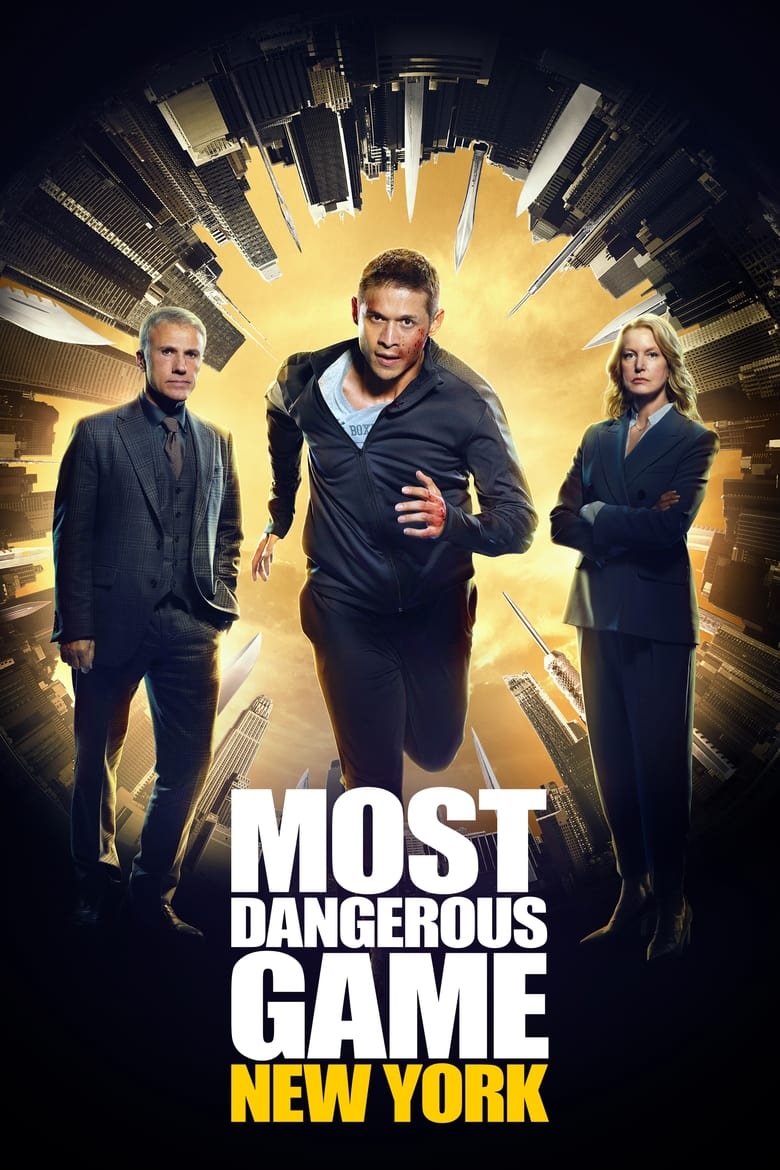
TV Show · 2020
Desperate to take care of his pregnant wife before a terminal illness can take his life, Dodge Maynard accepts an offer to participate in a deadly game where he soon discovers…
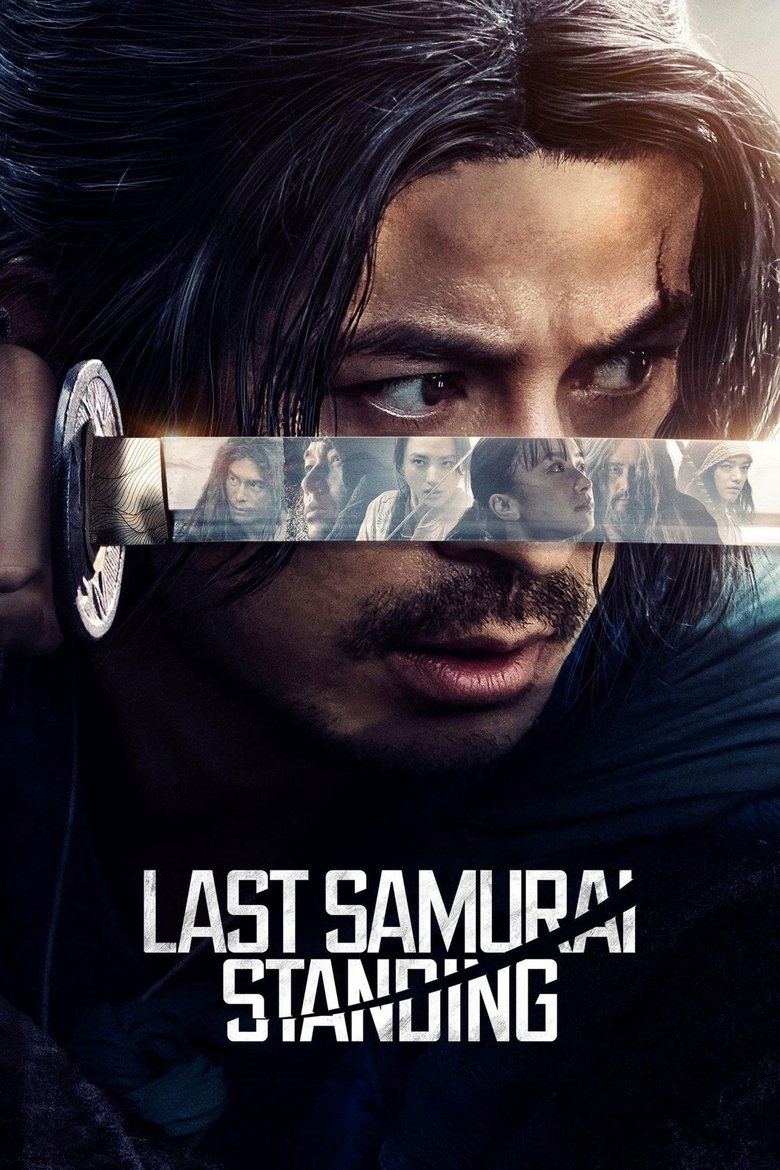
TV Show · 2025
In the early Meiji era, Shujiro, once known as an undefeated samurai, decides to participate in a deadly survival game to save his family and villagers.
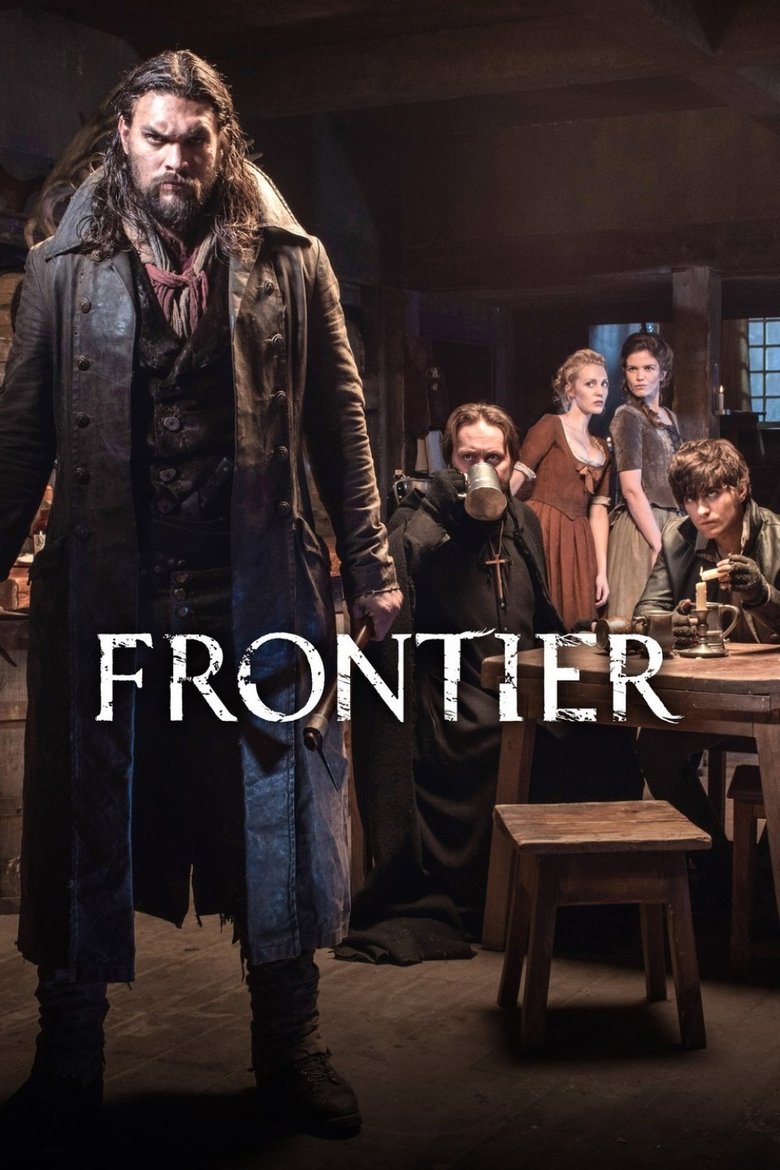
TV Show · 2016
In 18th-century North America, ruthless trappers and entrepreneurs fight to wrest control of the fur trade from the mighty Hudson's Bay Company.

TV Show · 2016
Lone-wolf detective Angie Tribeca and a squad of committed LAPD detectives investigate the most serious cases, from the murder of a ventriloquist to a rash of baker suicides.
