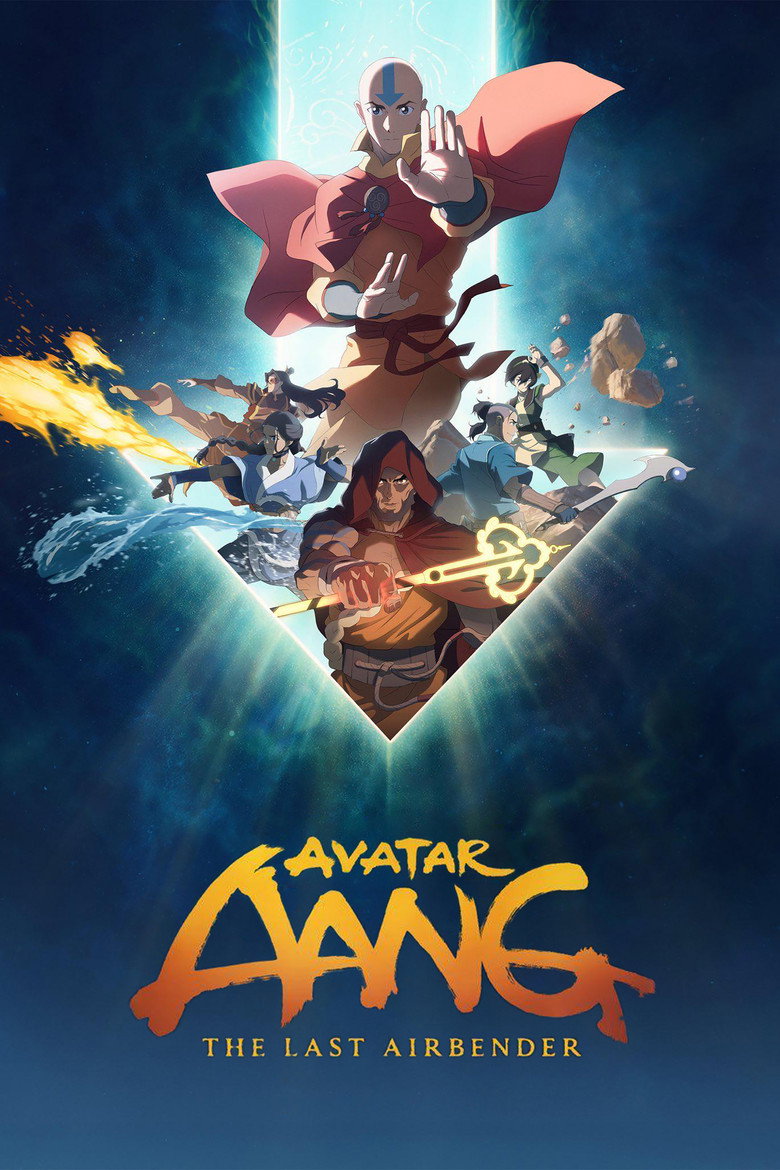

Avatar Aang: The Last Airbender follows an adult Aang thirteen years after the Hundred Year War. Aang travels with Katara, Sokka, Toph, and Zuko to find an ancient staff that might restore the Air Nomads. The group faces Tagah, a lost airbender who wants to use the staff to build an airbender empire. The film mixes fantasy battles with grief, friendship, cultural survival, and the danger of using power for revenge. The movie has a few clear identity-focused elements. Its new voice cast was chosen to match the characters’ ethnic backgrounds, and Toph is voiced by a blind actor. Zuko also makes a joke that strongly suggests he finds a man attractive. The main story supports pluralism and rejects ethnic supremacy, but it remains mainly a fantasy adventure about trauma, peace, and power.
Community feedback
Was our 58% Woke rating accurate?
Loading review details…
Breakdown
These are the editorial factors and ratings behind our score for Avatar Aang: The Last Airbender.
Woke representation / casting
The main cast matches the Asian and Indigenous-inspired setting of the Avatar world. The blind casting choice also fits Toph’s established character, so the evidence does not show a setting mismatch or a broader representation-first design. Mae Whitman welcomed a non-white Katara successor, and a blind voice actor was chosen for blind Toph on purpose. The world is Asia and Indigenous coded, but production and marketing still treated casting as an identity priority.
15%
Woke political dialogue
Zuko says that Tagah is very attractive after Toph asks for a “straight confirmation.” The exchange is a clear joke about possible same-sex attraction. The film does not use repeated modern activist speeches or identity slogans.
25%
Identity-driven story themes
Aang’s main goal is to save Air Nomad culture from extinction. The story rejects ethnic supremacy and supports a shared society across different nations and abilities. The Denied also raise power differences between benders and non-benders. These ideas matter to the plot, but the film presents them through fantasy conflict rather than a direct modern political campaign.
43%
Western institutional / cultural critique
Not present. The film does not attack Christianity, Western family life, capitalism, or modern conservative institutions. Its conflicts involve fantasy nations, bending powers, war, and cultural survival.
0%
Woke character or canon changes
The film adds a strong suggestion that Zuko can be attracted to men. The change affects a major established character who was previously linked to Mai and had no clear queer identity. The movie leaves the point implied rather than giving Zuko a named male relationship.
30%
Anti-woke backlash and complaints
Viewers repeatedly called the new voice casting DEI, identity politics, or race-based hiring. WIRED and other major entertainment coverage helped spread the complaint beyond a few posts. X reaction also included claims that the movie was woke because of the casting and possible bisexual Zuko. No organized boycott or review-bombing campaign was found.
62%
Creator track record context
Lauren Montgomery has a strong public history of supporting gender, racial, and LGBTQ+ representation. Tim Hedrick has a moderate record of inclusive storytelling, while Jenny Jue has strongly supported authentic AAPI casting. Several producers, directors, and franchise creators have little documented activist history, which keeps the overall score below the high range.
48%
Production
Movie · 2019
In a world where people collect pocket-size monsters (Pokémon) to do battle, a boy comes across an intelligent monster who seeks to be a detective.
Movie · 2018
Struggling to find his place in the world while juggling school and family, Brooklyn teenager Miles Morales is unexpectedly bitten by a radioactive spider and develops…

Movie · 2022
Suzume, 17, lost her mother as a little girl. On her way to school, she meets a mysterious young man. But her curiosity unleashes a calamity that endangers the entire population…
Movie · 2021
The Guardians of Arcadia reunite to battle the nefarious Arcane Order, who've reawakened the primordial Titans.

Movie · 2024
A solitary cat, displaced by a great flood, finds refuge on a boat with various species and must navigate the challenges of adapting to a transformed world together.
Movie · 2019
It's been ten years since the dragons moved to the Hidden World, and even though Toothless doesn't live in New Berk anymore, Hiccup continues the holiday traditions he once shared…

Movie · 2025
Desperate to be a big guy, SpongeBob sets out to prove his bravery to Mr. Krabs by following The Flying Dutchman – a mysterious swashbuckling ghost pirate – on a seafaring…
Movie · 2022
Maurice is a streetwise ginger cat who comes up with a money-making scam by befriending a group of self-taught talking rats.
