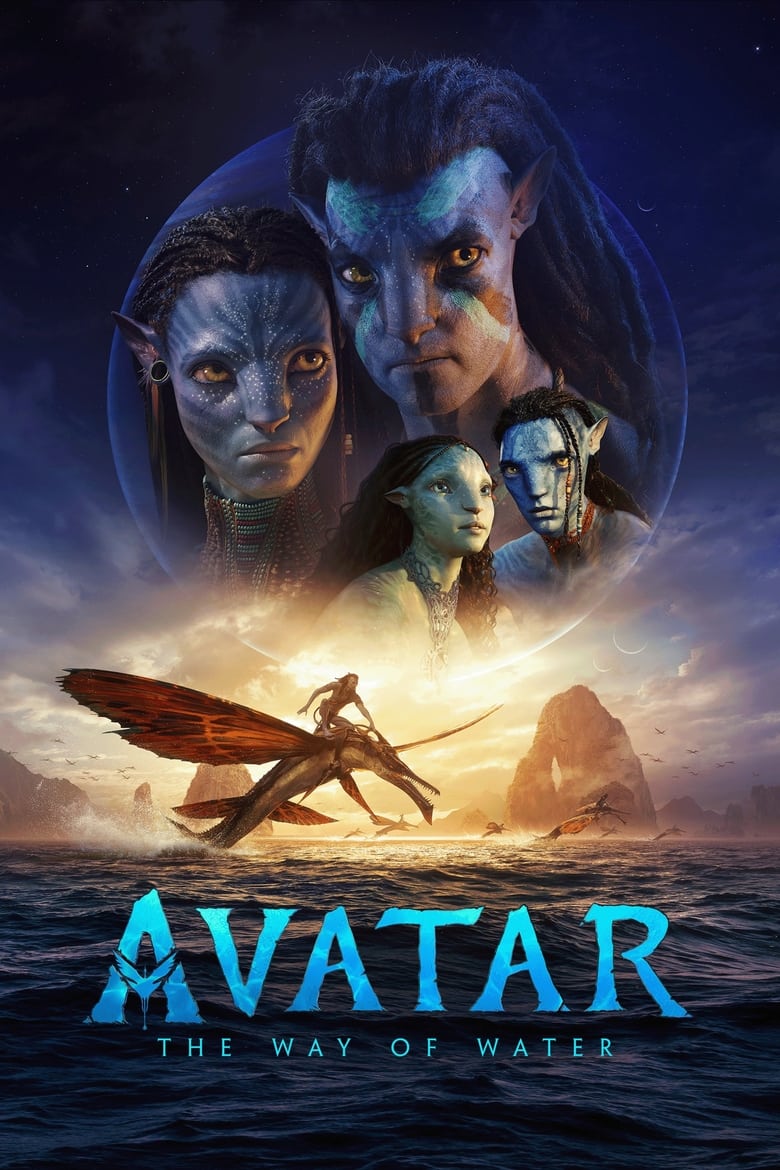

Jake Sully lives on Pandora with Neytiri and their children. The family leaves its forest home after human soldiers return to hunt Jake and destroy Na’vi land. They seek shelter with the ocean people, who must also face the human threat. The film is a long, serious action adventure about family, war, nature, and loss. The film strongly supports protecting nature and opposing colonial control. Humans are shown as greedy invaders who kill forests, oceans, and intelligent sea creatures for profit. The Na’vi are shown as people who live in balance with nature and defend their homes. Strong mothers and female leaders are important, but the main message focuses more on environmental and anti-colonial ideas than on race, sexuality, or modern gender politics.
Community feedback
Was our 73% Woke rating accurate?
Loading review details…
Breakdown
These are the editorial factors and ratings behind our score for Avatar: The Way of Water.
Woke representation / casting
The main cast does not show a clear identity quota pattern. The Metkayina use Pacific and Māori-inspired design, and Cliff Curtis gives the group a visible Māori link. Neytiri, Ronal, and General Ardmore are prominent female leaders and fighters. The casting emphasis remains secondary to the alien setting and fantasy world.
22%
Woke political dialogue
The film repeatedly presents humans as destroyers of nature. Characters condemn killing tulkun for money and oppose the return of human military forces. The dialogue supports environmental and anti-colonial ideas, but it rarely gives direct speeches about race, identity, or DEI.
34%
Identity-driven story themes
The story centers on native-like people defending their home from outside colonizers. The Na’vi and tulkun are linked through shared respect for nature and family. The film also gives strong roles to warrior mothers and female leaders. These themes are important, but the family adventure remains the main story.
57%
Western institutional / cultural critique
The RDA joins business and military power to take resources by force. The company hunts intelligent sea creatures and treats Pandora as a place to exploit. The film presents technology and armed power as tools of conquest. Cameron’s public climate and colonial framing makes this critique clearly modern and activist-leaning.
65%
Woke character or canon changes
Not relevant. The film continues its own fictional characters and world. It does not change real historical figures or established characters from another source.
0%
Anti-woke backlash and complaints
Bounding Into Comics described the film’s climate and colonization ideas as propaganda. Matt Walsh made similar complaints about climate change, colonialism, and pregnant female warriors. Smaller conservative accounts repeated claims that the film was anti-white or woke. The reaction was real and repeated, but it did not become a national campaign or organized boycott.
46%
Creator track record context
James Cameron has a long record of environmental and anti-colonial themes. Jon Landau often promoted the Avatar films as stories about climate damage, Indigenous cultures, and invasion. Several writers worked on the same green and anti-corporate ideas. The wider crew does not show the same level of activist activity.
48%
Production
Movie · 2024
Several generations following Caesar's reign, apes – now the dominant species – live harmoniously while humans have been reduced to living in the shadows.

Movie · 2018
Primatologist Davis Okoye shares an unshakable bond with George, the extraordinarily intelligent, silverback gorilla who has been in his care since birth.

Movie · 2017
The Guardians must fight to keep their newfound family together as they unravel the mysteries of Peter Quill's true parentage.

Movie · 2021
Peter Parker is unmasked and no longer able to separate his normal life from the high-stakes of being a super-hero.

Movie · 2024
Eddie and Venom are on the run. Hunted by both of their worlds and with the net closing in, the duo are forced into a devastating decision that will bring the curtains down on…

Movie · 2018
As the Avengers and their allies have continued to protect the world from threats too large for any one hero to handle, a new danger has emerged from the cosmic shadows: Thanos.

Movie · 2026
The evil Empire has fallen, and Imperial warlords remain scattered throughout the galaxy. As the fledgling New Republic works to protect everything the Rebellion fought for, they…

Movie · 2020
After he and his wife are murdered, marine Ray Garrison is resurrected by a team of scientists. Enhanced with nanotechnology, he becomes a superhuman, biotech killing…
