
Backrooms follows Clark, a struggling furniture salesman whose marriage has ended and whose life is coming apart. He finds a hidden doorway beneath his store and enters a huge maze of yellow rooms, old furniture, and endless halls. His therapist, Mary, follows him after he becomes trapped and obsessed with the place. The film uses slow horror, strange images, and mental fear instead of simple monster fights. The story is not built around politics, identity, or social justice. Chiwetel Ejiofor plays Clark, while Renate Reinsve plays Mary, a therapist who becomes more active and forceful near the ending. Mary challenges Clark and refuses to keep accepting his control, which gives the finale a mild girl-boss flavor. That moment supports a small increase in identity-driven themes, but it is not a recurring message about female superiority or a major political idea. The main themes remain mental health, memory, failure, obsession, and fear.
Community feedback
Was our 15% Woke rating accurate?
Loading review details…
Breakdown
These are the editorial factors and ratings behind our score for Backrooms.
Woke representation / casting
Chiwetel Ejiofor leads the film as Clark, and Renate Reinsve plays Mary, a woman therapist. The cast includes performers from varied backgrounds, but the film does not frame those choices as a diversity goal. The casting appears incidental to a psychological horror story, with no quotas or identity-focused marketing.
12%
Woke political dialogue
Not present in this title.
0%
Identity-driven story themes
Mary becomes more forceful than Clark in the final confrontation. The ending gives her a mild dominance-over-a-man flavor because she rejects his control and takes the stronger position. The film does not repeat this as a broad message about women, and its main themes remain mental health, memory, failure, and obsession.
17%
Western institutional / cultural critique
Not present. The story shows a failing business and imperfect therapy, but it does not make a modern activist argument about Western institutions, family life, or social norms.
0%
Woke character or canon changes
Not relevant. The film expands Kane Parsons’s internet horror setting without a documented identity-based change to an established character or historical figure.
0%
Anti-woke backlash and complaints
A single small X account claimed that Kane Parsons had “sold his soul” and that the film was woke activist Hollywood. The post had no visible likes or wider pickup. Other right-leaning viewers praised the film as not woke, which is not backlash. No organized campaign or major media controversy was found.
8%
Creator track record context
Kane Parsons and writer Will Soodik have very low stored woke scores and are mainly linked to genre storytelling. Most listed producers also have low stored scores and no clear activist pattern. Peter Chernin has a higher stored score because of political donations, but that does not show identity-driven work on this film.
8%
Production

Movie · 2026
In a post-apocalyptic future where an event known as "The Quiet Rapture" caused all known stars and habitable planets in the universe to disappear, a convict is sent to search an…
Movie · 2025
A woman's obsessive search for her missing sister leads her into a terrifying mystery at the hands of an unknown evil.
Movie · 2026
The young daughter of a journalist disappears into the desert without a trace—eight years later, the broken family is shocked when she is returned to them, as what should be a…
Movie · 2021
Reeling from the unexpected death of her husband, Beth is left alone in the lakeside home he built for her. Soon she begins to uncover her recently deceased husband's disturbing…
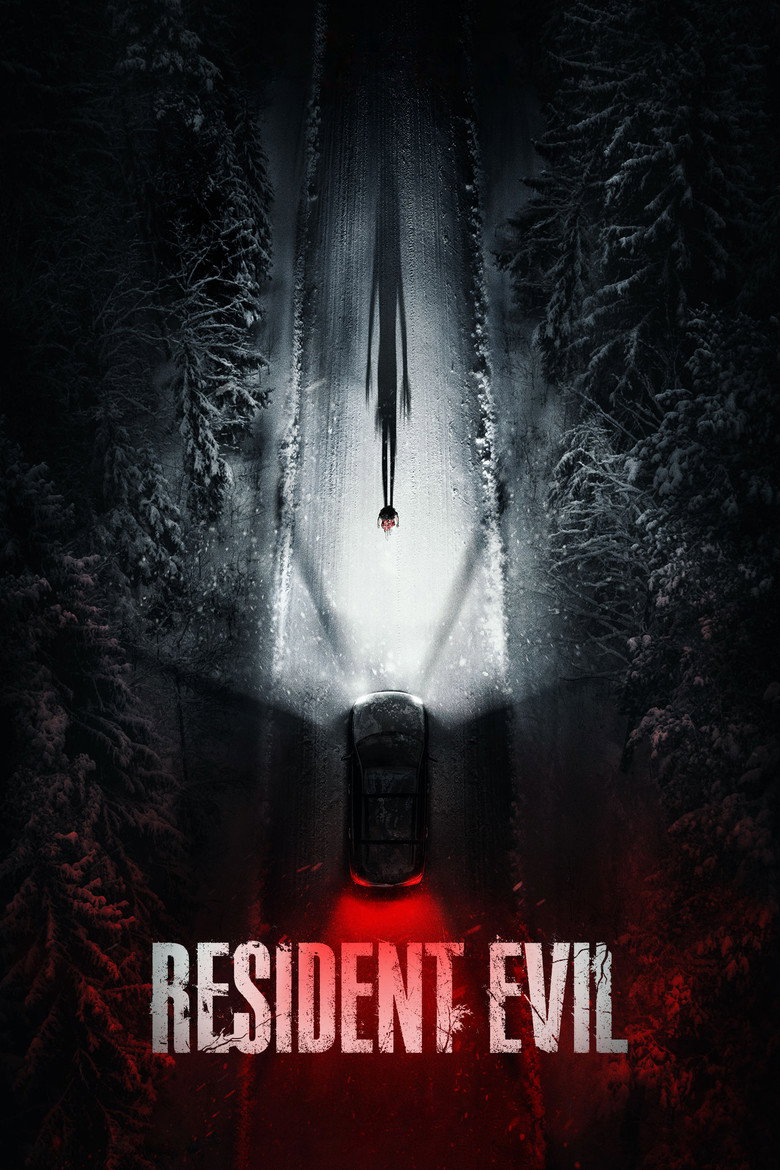
Movie · 2026
Medical courier Bryan unwittingly finds himself fighting for survival as one fateful, horrifying night collapses around him in chaos.
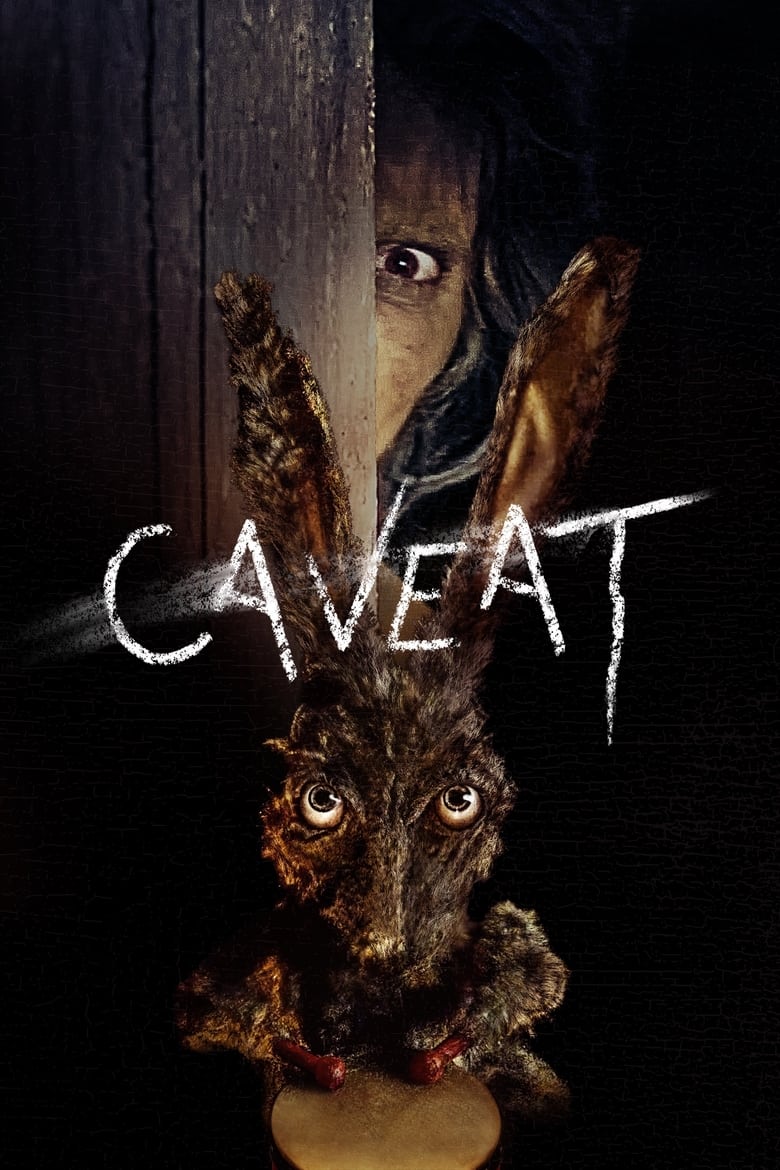
Movie · 2021
A lone drifter suffering from partial memory loss accepts a job to look after a psychologically troubled woman in an abandoned house on an isolated island.
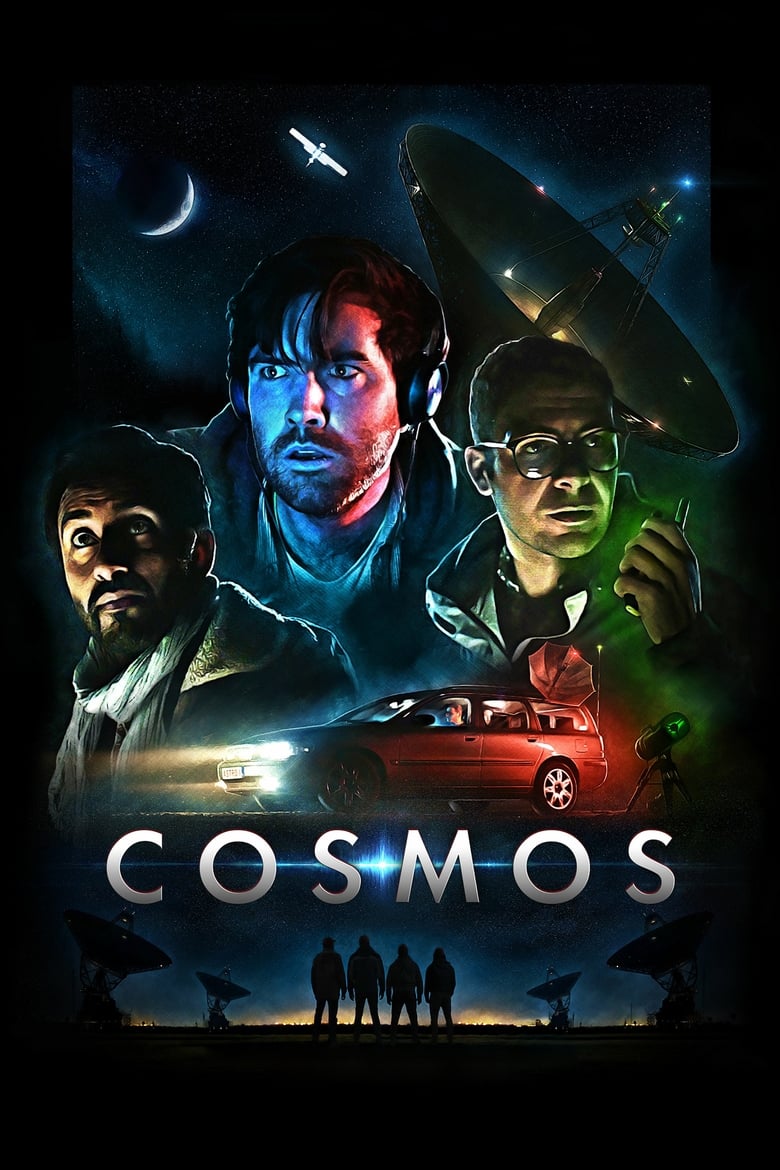
Movie · 2019
Three astronomers accidentally intercept what they believe to be a signal from a distant alien civilization, but the truth is even more incredible than any of them could have…
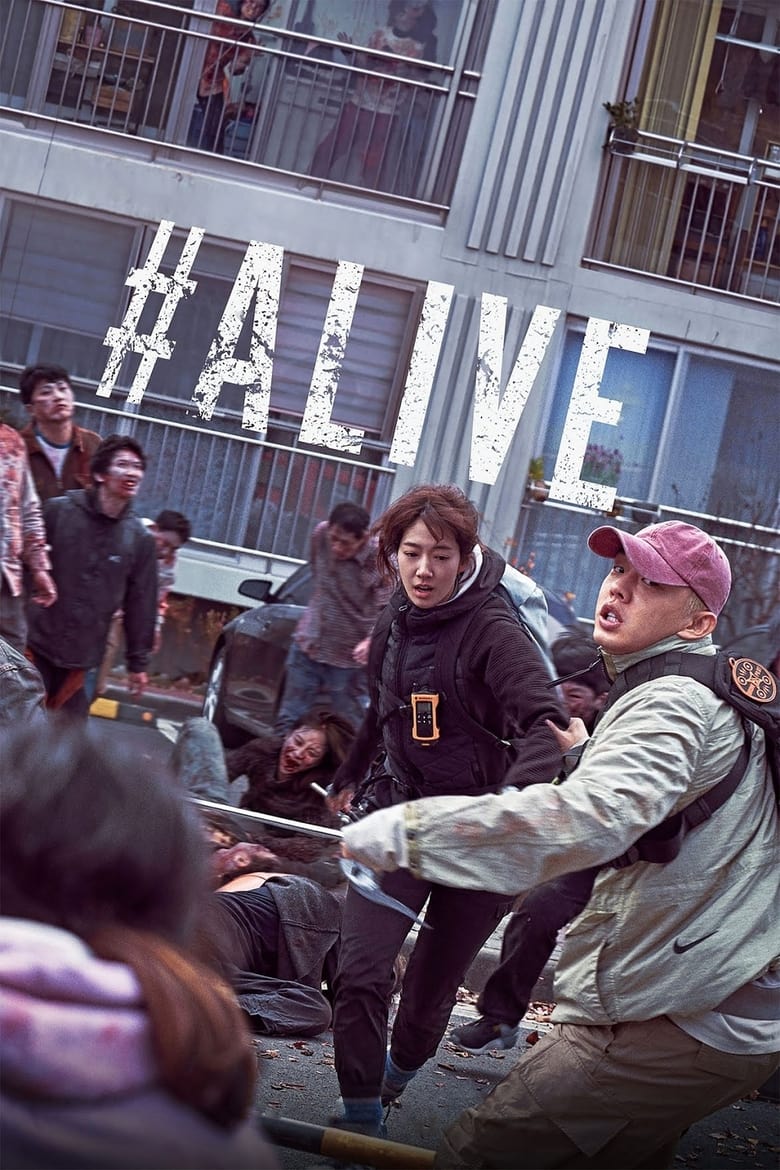
Movie · 2020
As a grisly virus rampages a city, a lone man stays locked inside his apartment, digitally cut off from seeking help and desperate to find a way out.
