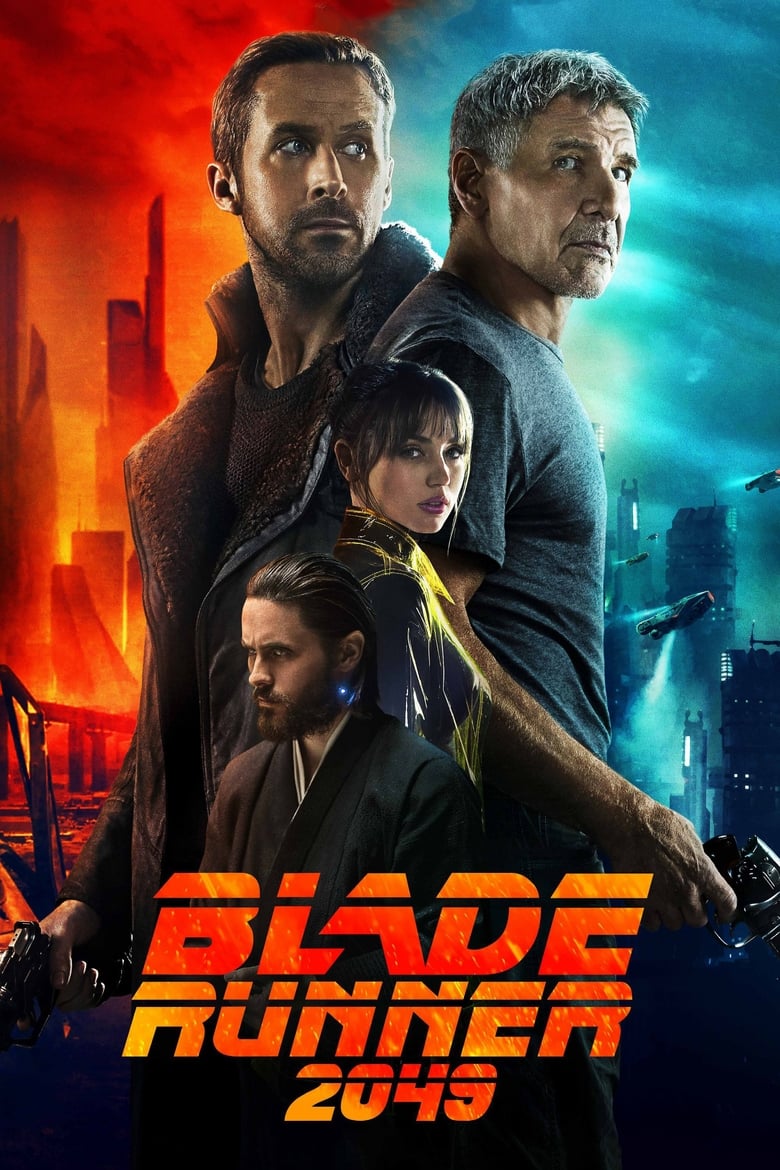

Blade Runner 2049 follows K, a replicant who works as a blade runner for the LAPD. K discovers that a replicant once gave birth, which could change the place of all replicants in society. His search leads him to Wallace Corporation, old memories, and the missing blade runner Rick Deckard. The film uses a slow, dark, and lonely style. The film focuses on slavery, artificial memories, corporate power, and the search for personal meaning. Its female characters include a police leader, a deadly enforcer, and a resistance leader, but the story does not frame these roles as a modern gender message. The story also includes a mixed future population and a romance between K and the artificial woman Joi. The main conflict remains about replicants, personhood, and control rather than modern race, gender, or queer politics.
Community feedback
Was our 11% Woke rating accurate?
Loading review details…
Breakdown
These are the editorial factors and ratings behind our score for Blade Runner 2049.
Woke representation / casting
The main stars are Ryan Gosling and Harrison Ford. Supporting cast includes women in command and enforcer roles and a multiethnic future Los Angeles. Casting fits the story and does not swap legacy leads by race or gender or sell the cast as a diversity statement.
10%
Woke political dialogue
Not present. Dialogue centers on baseline tests, retiring replicants, birth versus manufacture, corporate control of labor, and personal identity as a being.
0%
Identity-driven story themes
Not present. The film asks what makes someone human and whether a miracle birth changes slave status for replicants. That is sci-fi personhood. It is not a story built on modern race, gender, or queer identity politics.
0%
Western institutional / cultural critique
Not present. The setting is a corporate police state with environmental collapse and engineered slave labor. That is classic dystopian noir. It is not framed as a modern attack on masculinity, patriarchy, whiteness, or Christianity.
0%
Woke character or canon changes
Not relevant. Deckard and Rachael return as established figures, and the born-child plot is mythology rather than an identity rewrite.
0%
Anti-woke backlash and complaints
A few anti-woke complaints appeared online. One small account called the film secretly “girlboss” because K is mocked and a female replicant seems like the real hero. A larger right-leaning critic linked Deckard’s reduced role to a broader “get woke, go broke” complaint about Harrison Ford’s career. The complaints had little pickup and did not become a major campaign.
8%
Creator track record context
Michael Green has said that diversity matters to effective storytelling. Bud Yorkin built a long career around television that discussed race, gender, sexuality, and other social issues. Denis Villeneuve has a milder record tied more to human freedom and social questions than identity politics. The team therefore has some social-theme history, but the title does not strongly match an activist style.
24%
Production
Movie · 2017
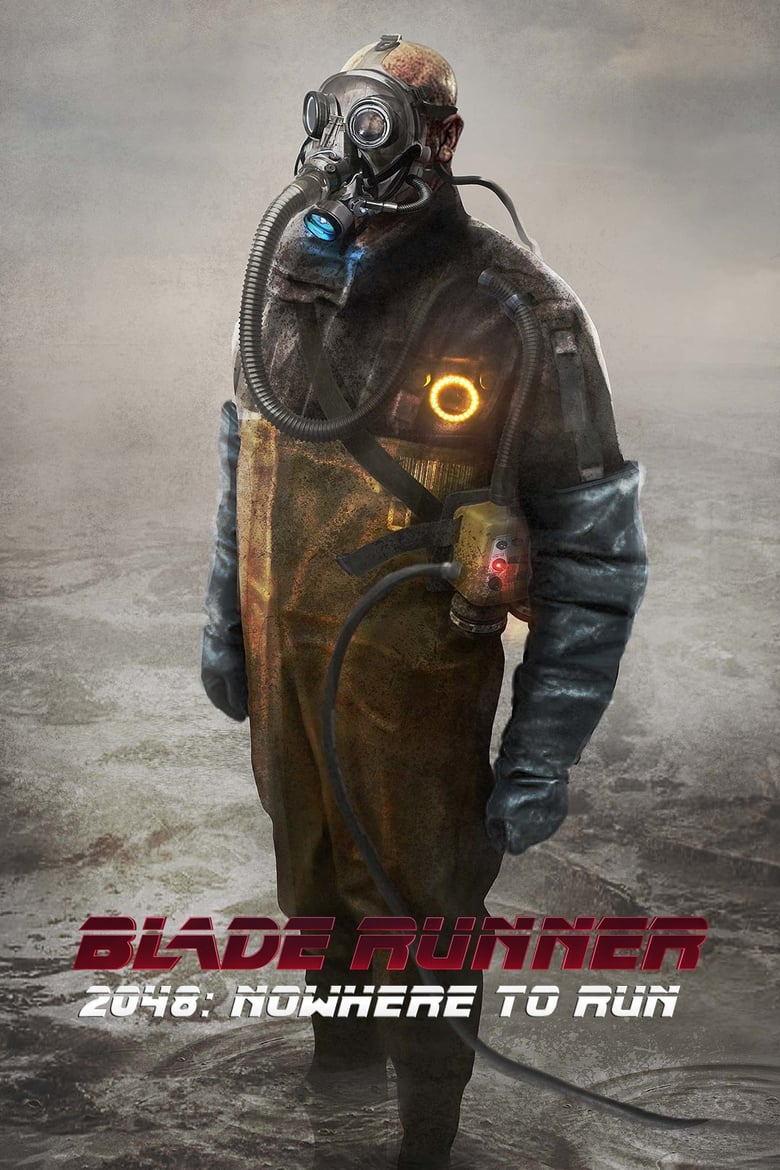
“2048: Nowhere to Run” takes place one year before the events of Blade Runner 2049. The short film focuses on Sapper, a man who is trying to make it through life day-by-day…
Movie · 2016
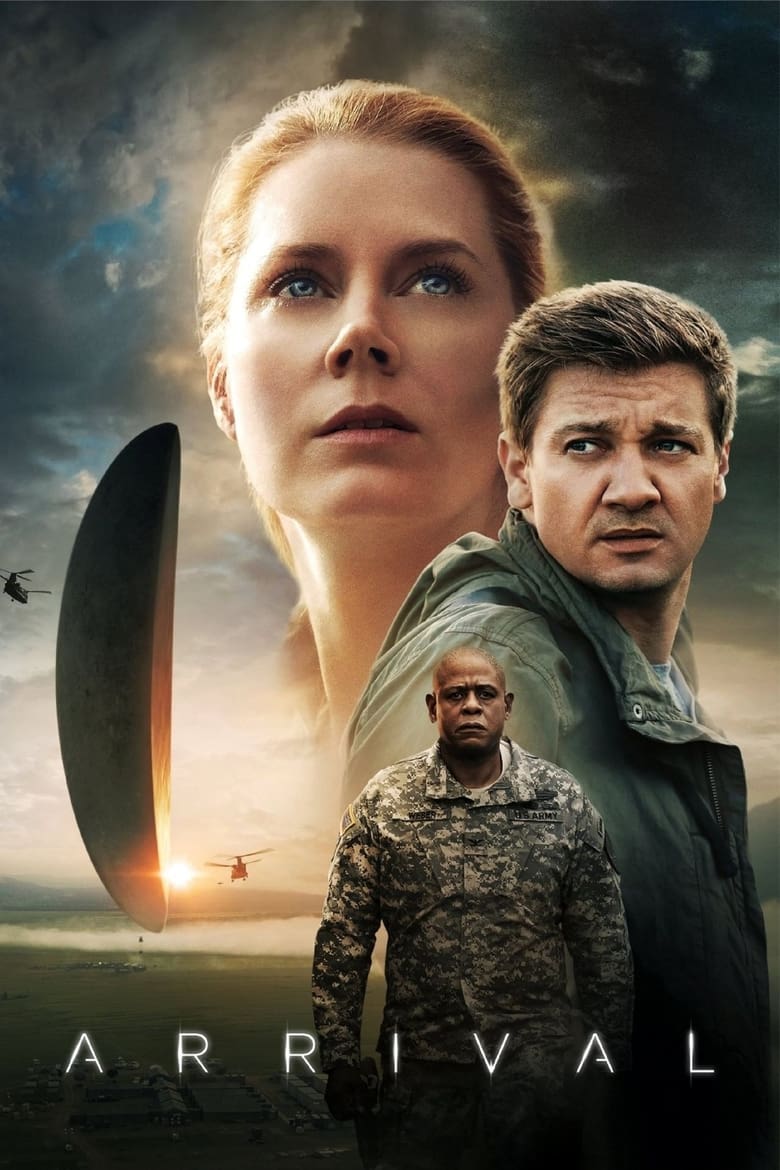
Taking place after alien crafts land around the world, an expert linguist is recruited by the military to determine whether they come in peace or are a threat.
Movie · 2021
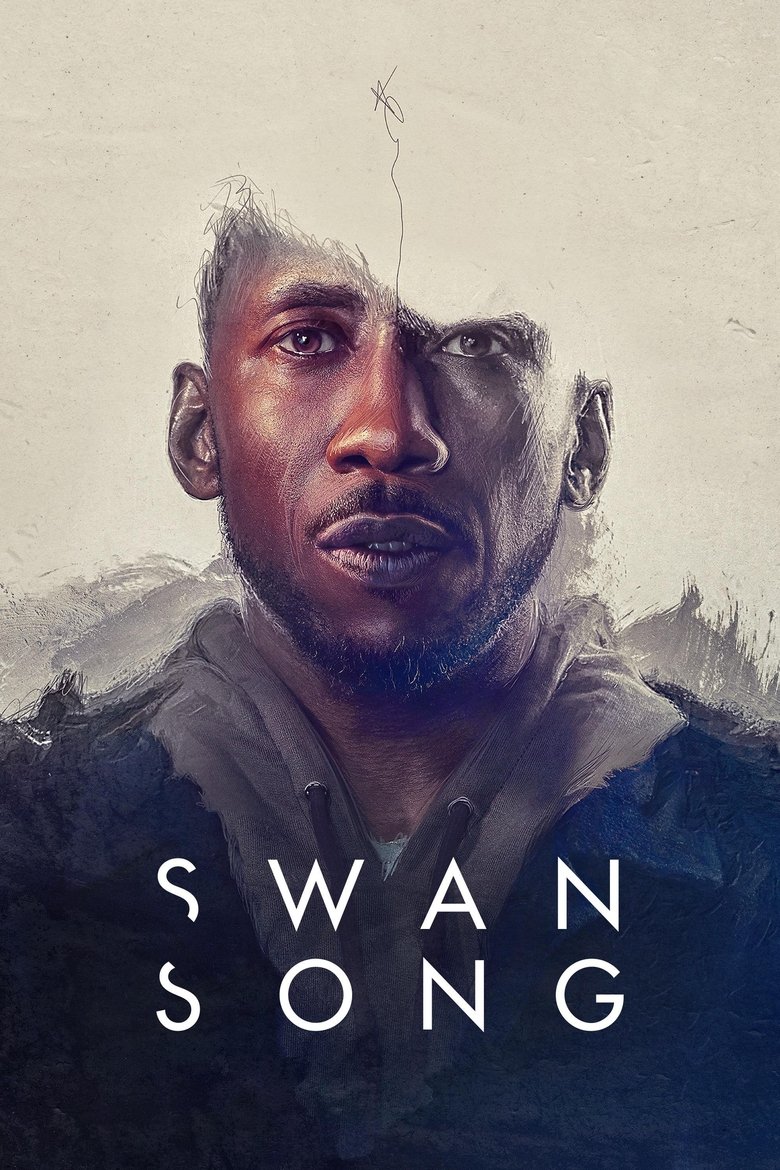
In the near future, Cameron Turner is diagnosed with a terminal illness. Presented with an experimental solution to shield his wife and son from grief, he grapples with altering…
Movie · 2021
A couple fights to hold their relationship together as a memory loss virus spreads and threatens to erase the history of their love and courtship.

Movie · 2025
When a raging flood traps a researcher and her young son, a call to a crucial mission puts their escape — and the future of humanity — on the line.

Movie · 2017
On a romantic getaway to Iceland, a young American couple wake up one morning to discover every person on Earth has disappeared.
Movie · 2020
At the height of the Cold War, a Soviet spacecraft crash lands after a mission gone awry, leaving the commander as its only survivor.
Movie · 2024
In 1985, the murder of a government-sponsored superhero draws his outlawed colleagues out of retirement and into a mystery that threatens to upend their personal lives and the…
