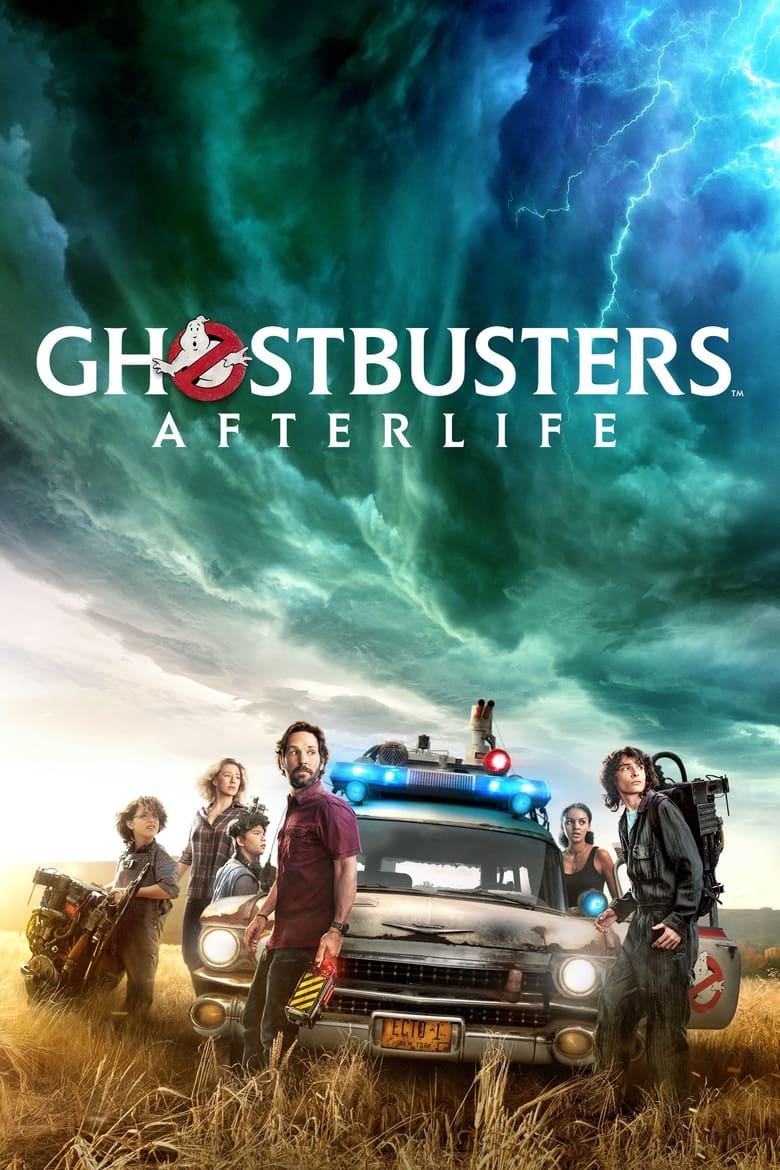

Callie moves with her children Trevor and Phoebe to an old farm in Summerville, Oklahoma, after losing their home. Phoebe discovers that her late grandfather, Egon Spengler, was an original Ghostbuster who left equipment and clues behind. The children and their friends must stop Gozer from returning and destroying the town. The movie mixes family hurt, funny ghost encounters, scary creatures, and warm memories of the original team. Phoebe becomes the main science-minded hero, and her talent connects her to the grandfather she never knew. Trevor, Lucky, Podcast, and the older Ghostbusters help her win, so her success depends on teamwork. Phoebe says Gozer is neither he nor she, and Lucky makes a brief joke calling that woke. The story gives much more weight to friendship, courage, and Callie learning that her father cared about her.
Community feedback
Was our 34% Woke rating accurate?
Loading review details…
Breakdown
These are the editorial factors and ratings behind our score for Ghostbusters: Afterlife.
Woke representation / casting
Celeste O'Connor presents Lucky's role as representation for young black viewers. O'Connor says the part offers children of color room to imagine their own future worlds. Official promotion celebrates Phoebe as a brilliant young woman during Women's History Month. These statements give the young heroes a public representation and female achievement framing.
35%
Woke political dialogue
Phoebe corrects Trevor by saying Gozer is neither he nor she. Lucky calls that “pretty woke for 3000 BC.” Lucky's joke connects a character outside the gender binary with modern woke language.
12%
Identity-driven story themes
Phoebe is the main young hero and solves much of the mystery through science. Phoebe repairs equipment and faces Gozer with a proton pack. The story gives a young girl the leading problem-solving role once held by adult male Ghostbusters. Egon's guidance and the team's help support her success.
23%
Western institutional / cultural critique
Not present. The story rewards family repair and respect for the older heroes.
0%
Woke character or canon changes
Not relevant. New characters expand the universe through Egon's family line in ways consistent with prior films. Original team members return in respectful, non-altered cameos without ideological reinterpretation.
0%
Anti-woke backlash and complaints
A few viewers called the casting or tone slightly woke. One viewer claimed the movie included an Asian child and a non-binary child. Other viewers predicted a “woke mess” or called it a woke flop.
10%
Creator track record context
The stored creator context records Dan Aykroyd's defense of Leslie Jones against racist and sexist abuse. Amie Karp promoted women's representation through a studio task force. Michael Beugg supported opportunities for black filmmakers and crew members. Aaron L. Gilbert publicly emphasized diversity and inclusion in film projects.
36%
Production

Movie · 2019
As the gang return to Jumanji to rescue one of their own, they discover that nothing is as they expect. The players will have to brave parts unknown and unexplored in order to…
Movie · 2020
Seven years since the Monsterpocalypse began, Joel Dawson has been living underground in order to survive. But after reconnecting over radio with his high school girlfriend Aimee…
Movie · 2023
Paul and Sophie, interns at a mysterious London firm, become steadily aware their employers Humphrey and Dennis are anything but conventional – they are disrupting the world of…

Movie · 2026
A group of college students go downstairs to their dorm lobby to get a delivery pizza. There's only one issue: They're insanely high on a homemade drug, turning their simple…
Movie · 2023
Following the sudden death of his mother, a mild-mannered but anxiety-ridden man confronts his darkest fears as he embarks on an epic odyssey back home.

Movie · 2001
Young hobbit Frodo Baggins, after inheriting a mysterious ring from his uncle Bilbo, must leave his home in order to keep it from falling into the hands of its evil creator.
Movie · 2019
A boy is given the ability to become an adult superhero in times of need with a single magic word.
Movie · 2023
Hapless family man Paul Matthews finds his life turned upside down when millions of strangers suddenly start seeing him in their dreams.
