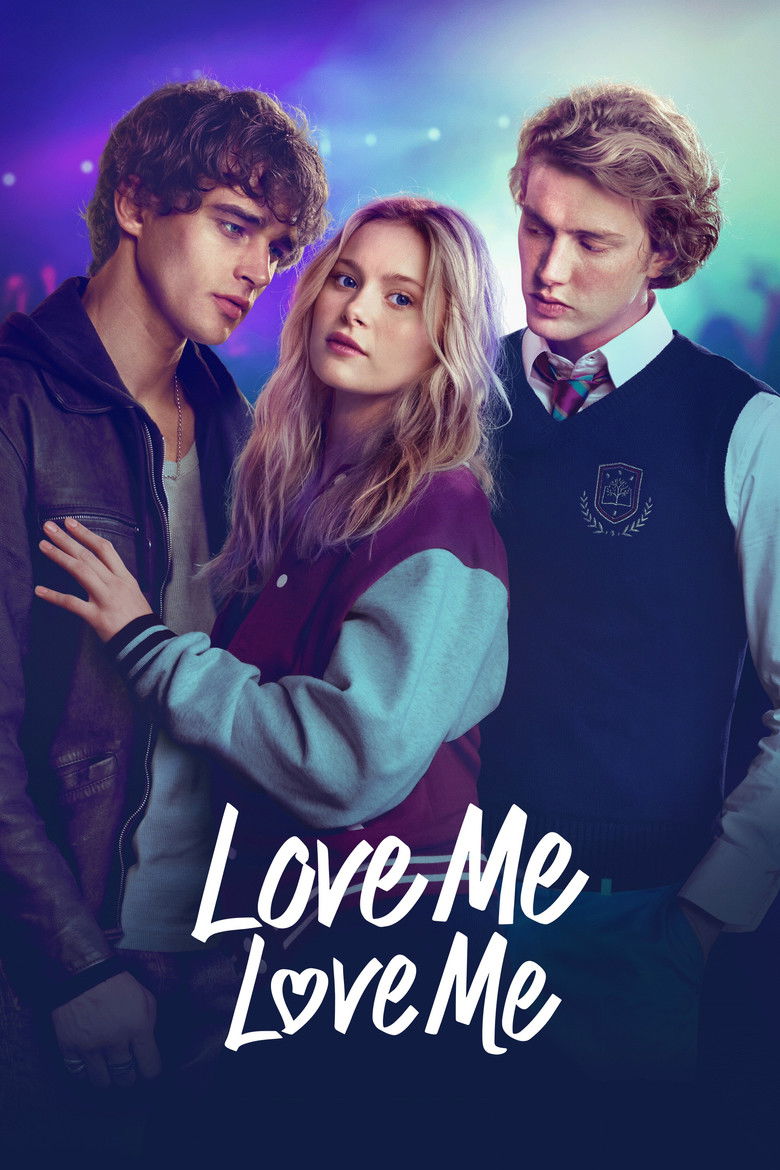

June moves from London to Milan after her brother dies. She enters an expensive international school and meets Will, a kind and perfect student. She also meets James, Will’s troubled friend, who fights in secret MMA matches. June becomes trapped between a safe romance and a dangerous attraction. The film uses a glossy, sexual, and dramatic young-adult romance style. The film has a few modern gender messages, but romance remains the main focus. June questions why girls cannot wear the same trousers as boys. She later calls macho behavior “bullshit” and speaks firmly during a fight-related crisis. The story gives June clear sexual choice and control, but it does not center on identity politics, diversity campaigns, or activist causes. The main conflict concerns grief, desire, friendship, jealousy, and unsafe relationships.
Community feedback
Was our 24% Woke rating accurate?
Loading review details…
Breakdown
These are the editorial factors and ratings behind our score for Love Me Love Me.
Woke representation / casting
The film uses an international school with a visibly mixed student group. The setting makes that mix believable, and the available coverage does not frame the casting as a diversity-first statement. The cast includes several national backgrounds, but the story does not build its main message around identity.
12%
Woke political dialogue
June asks why she cannot wear trousers like the boys. June later calls macho behavior “bullshit” during an argument about a male fighter and steroid use. These lines give the film a mild gender message, but they appear briefly and do not drive the main plot.
16%
Identity-driven story themes
June pushes back against a clothing rule based on gender. June also makes her own sexual choices and refuses to accept some controlling behavior from the boys. These themes recur around her growth, but the story mainly follows grief, romance, jealousy, and dangerous attraction.
22%
Western institutional / cultural critique
The school is mocked as a place for rich children and “nepobabies.” The film also criticizes macho behavior during the MMA subplot. The criticism targets rich teenagers and harmful conduct more than Western institutions or traditional culture.
14%
Woke character or canon changes
Not present in this title.
0%
Anti-woke backlash and complaints
Not present. No clear anti-woke complaint about this film was found. Public comments mostly criticized the romance, sexual content, weak character development, or messy plot. Right-leaning approval or neutral reactions do not create a controversy score.
0%
Creator track record context
Veronica Galli has a strong representation-focused history through Love Club. Serena Tateo has a repeated focus on women’s voices and gender expectations. The film reflects those interests in a few lines and themes, but Roger Kumble has no strong activist record and the movie is not representation-led.
30%
Production
Movie · 2018
German artist Kurt Barnert has escaped East Germany and now lives in West Germany, but is tormented by his childhood under the Nazis and the GDR regime.

Movie · 2016
Lou Clark, a directionless 26-year-old from the English countryside, takes a job at the local castle as a caregiver and companion to a wealthy young banker, Will Traynor.
Movie · 2016
Canadian folk artist Maud Lewis falls in love with a fishmonger while working for him as a live-in housekeeper.

Movie · 2016
A lighthouse keeper and his wife living off the coast of Western Australia raise a baby they rescue from an adrift rowboat.
Movie · 2024
Aza confronts her potential for love, happiness, friendship, and hope while navigating an endless barrage of invasive, obsessive thoughts.

Movie · 2022
A young couple's relationship clashes with the harsh realities of the California Gold Rush of 1850. Angel, experiencing love for the first time and facing demons unsurmountable…

Movie · 2019
After learning that his terminally ill wife has six months to live, a man welcomes the support of his best friend who moves into their home to help out.
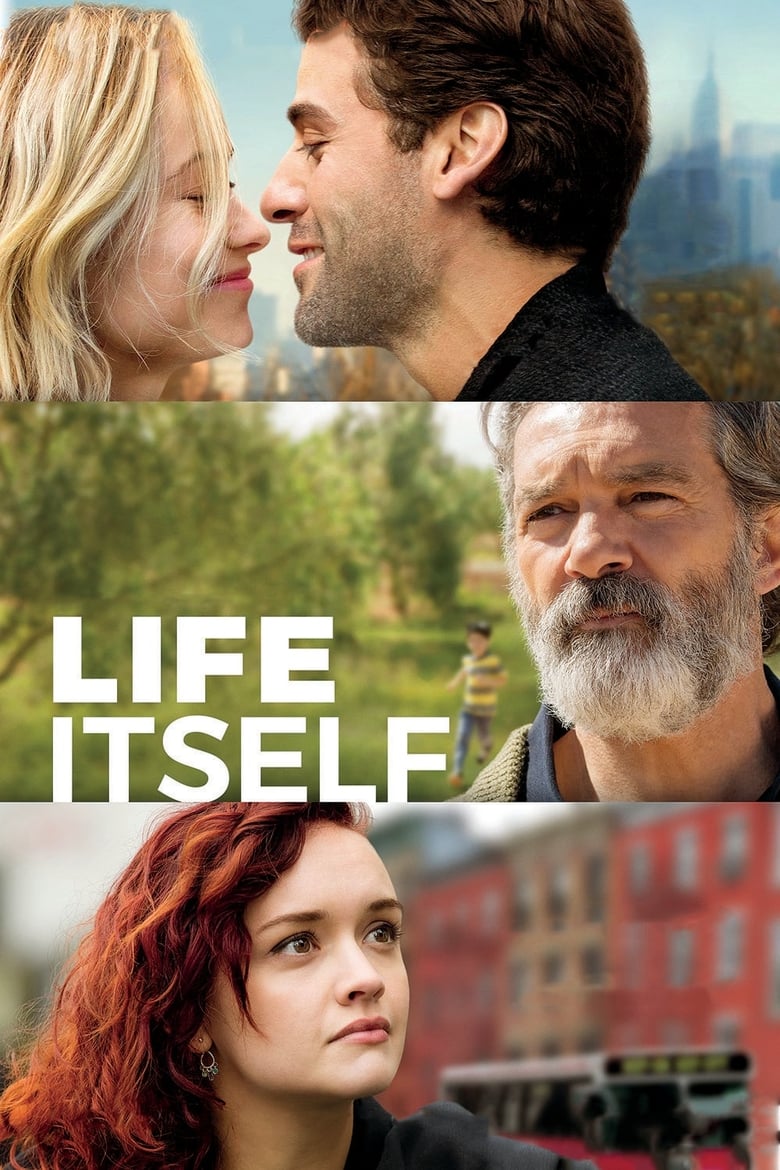
Movie · 2018
As a young New York couple goes from college romance to marriage and the birth of their first child, the unexpected twists of their journey create reverberations that echo over…
