
Movie review
2017 · · Japanese · Kids · Fantasy · Animation · Adventure · Family
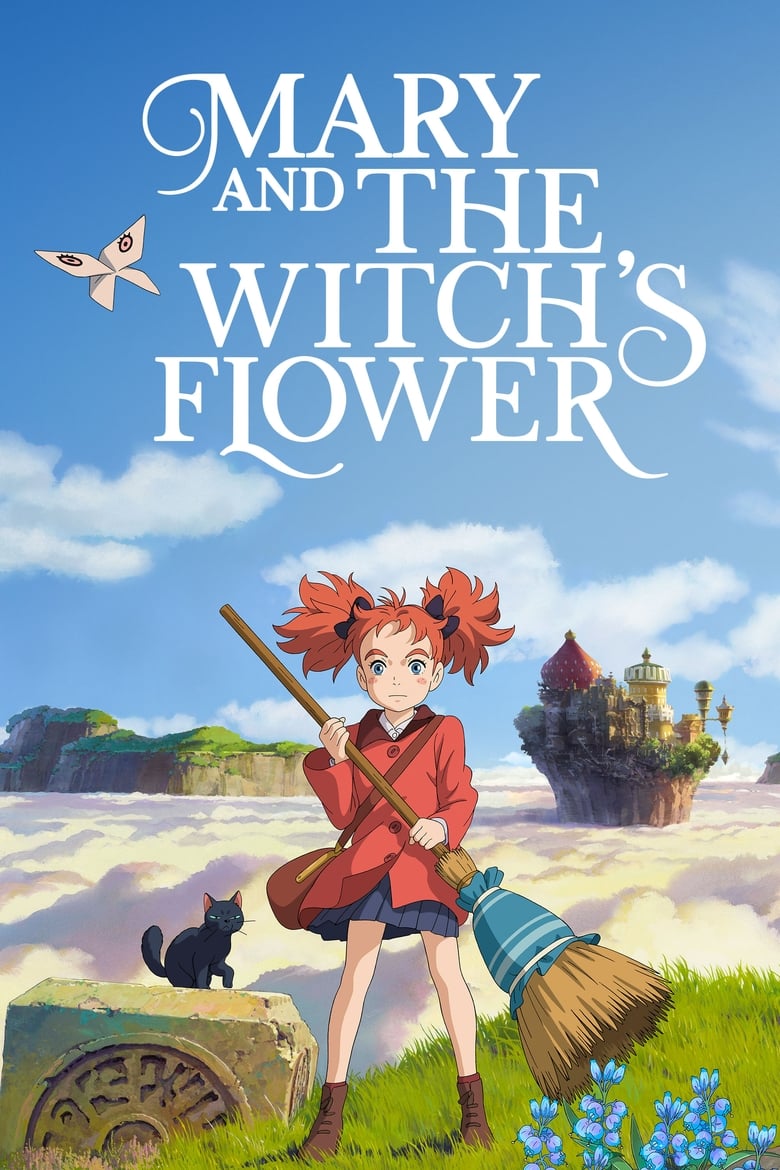
Mary Smith is an awkward, bored girl spending summer with her great-aunt in the English countryside. She follows a cat into the woods and finds a flower that gives her magic for one night. A broom carries her to Endor College, a school in the clouds run by Madam Mumblechook and Doctor Dee. Mary hopes she can belong there, but the school’s secrets soon turn her visit into a dangerous rescue mission. Mary takes the lead in the main rescue adventure and chooses to return to Endor to protect Peter and the captured animals. Her courage grows as she acts without the flower’s borrowed magic. Peter also helps stop the final experiment, so the rescue depends on both children. The film treats Mary’s confidence as a personal lesson about friendship, bravery, and self-worth.
Community feedback
Was our 26% Woke rating accurate?
Loading review details…
Breakdown
These are the editorial factors and ratings behind our score for Mary and The Witch's Flower.
Woke representation / casting
Not present. The film keeps Mary as the English book’s heroine and keeps the story in the English countryside.
0%
Woke political dialogue
Not present. The dialogue focuses on magic, friendship, and dangerous tests.
0%
Identity-driven story themes
Mary takes the lead in the film’s main rescue adventure as a girl who protects her friend. Mary returns to Endor after her great-aunt warns her to stay away. Mary frees Peter and the changed animals with a spell. Peter later uses the spell book to stop the final experiment.
33%
Western institutional / cultural critique
Not present. The school’s conflict centers on magical experiments and harm to animals.
0%
Woke character or canon changes
Not relevant. Mary remains the heroine from the source book.
0%
Anti-woke backlash and complaints
Not present. Audience comments focus on the animation, pacing, and story.
0%
Creator track record context
Yonebayashi has often chosen girl leads and described Anna in When Marnie Was There as between childhood and adulthood. Sakaguchi’s past stories focus on women making their own choices and facing unfair rules. Her work also includes a drama centered on a transgender character and a gay romance.
46%
Production
Movie · 2022
Puss in Boots discovers that his passion for adventure has taken its toll: He has burned through eight of his nine lives, leaving him with only one life left.

Movie · 2017
A small but brave donkey and his animal friends become the unsung heroes of the greatest story ever told: the first Christmas.

Movie · 2016
Kubo mesmerizes the people in his village with his magical gift for spinning wild tales with origami. When he accidentally summons an evil spirit seeking vengeance, Kubo is forced…
Movie · 2019
It's been ten years since the dragons moved to the Hidden World, and even though Toothless doesn't live in New Berk anymore, Hiccup continues the holiday traditions he once shared…

Movie · 2024
A solitary cat, displaced by a great flood, finds refuge on a boat with various species and must navigate the challenges of adapting to a transformed world together.

Movie · 2019
Marla is forced to abandon her carefully structured life to embark on an epic journey to find her younger brother Charlie who has disappeared into the vast and wondrous animated…

Movie · 2016
An orphan little girl befriends a benevolent giant who takes her to Giant Country, where they attempt to stop the man-eating giants that are invading the human world.
Movie · 2019
A group of misfits encounter a young Yeti named Everest, and they set off to reunite the magical creature with his family on the mountain of his namesake.
