

Kubo is a one-eyed boy who lives in a fantasy version of feudal Japan. He earns money by bringing paper figures to life with his magical shamisen. He must escape his cruel grandfather and twin aunts after he breaks a rule about staying out after dark. Kubo then searches for armor linked to his dead samurai father. The film has a beautiful but dark tone, with scary monsters and strong family feelings. The film does not center on modern identity politics or activist ideas. Its main themes are grief, memory, family love, forgiveness, and the value of human life. Kubo’s eye is part of the fantasy plot, while his mother’s illness drives the family story. The film presents compassion and memory as stronger than cold perfection and control. The main concern for some viewers is the casting of mostly white voice stars in a Japanese setting, but that criticism came from the pro-representation side.
Community feedback
Was our 5% Woke rating accurate?
Loading review details…
Breakdown
These are the editorial factors and ratings behind our score for Kubo and the Two Strings.
Woke representation / casting
Not present. Characters and setting are Japanese feudal and mythic, matching that world. Lead voices were largely white stars, with Japanese-ancestry actors mainly in smaller village roles. This is production whitewashing debate, not audience-visible DEI quota casting or identity-first hero swaps.
0%
Woke political dialogue
Not present. Dialogue centers on family, quest, memory, and storytelling with no modern activist, DEI, identity-politics, or systemic-oppression rhetoric.
0%
Identity-driven story themes
Not present. Core themes are grief, parental love, memory versus forgetting, humanity versus immortal perfection, and the power of stories. Kubo’s missing eye is a plot injury by the villain, not disability-politics messaging.
0%
Western institutional / cultural critique
Not present. Antagonists are celestial family seeking perfection and control of Kubo’s eye, not modern critique of Western institutions, patriarchy, capitalism, Christianity, or conservative norms.
0%
Woke character or canon changes
Not relevant. Original Laika story pitched by Shannon Tindle, not an identity rewrite of established IP or historical figures.
0%
Anti-woke backlash and complaints
Not present. Documented controversy was representation criticism of white lead voice casting for an Asian-set story. That is pro-DEI complaint and does not count. No meaningful anti-woke campaign claims the story pushes DEI or identity politics.
0%
Creator track record context
Travis Knight has publicly said that inclusion and representation matter. Laika has supported LGBTQ visibility and wider access to animation. Chris Butler has LGBTQ-linked work through ParaNorman. The key creators do not have a strong record of activist messaging, so this is mild context.
25%
Production

Movie · 2024
A solitary cat, displaced by a great flood, finds refuge on a boat with various species and must navigate the challenges of adapting to a transformed world together.
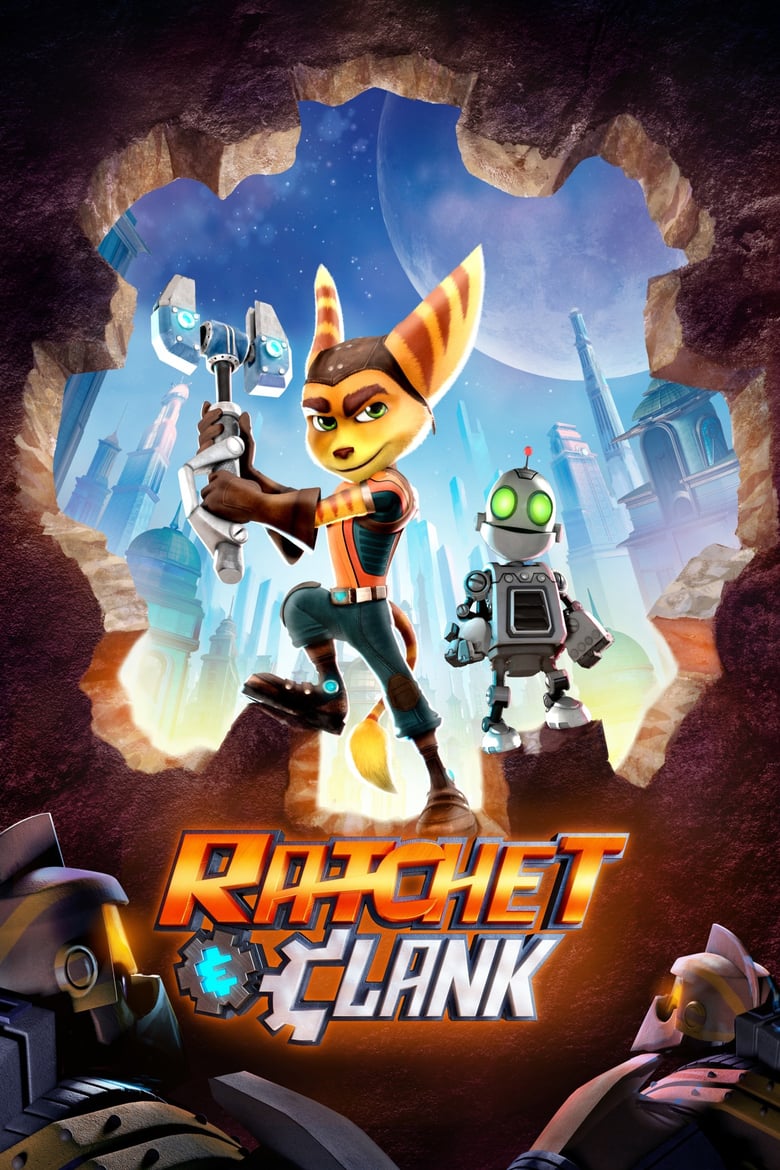
Movie · 2016
When the galaxy comes under the threat of a nefarious space captain, a mechanic and his newfound robot ally join an elite squad of combatants to save the universe.
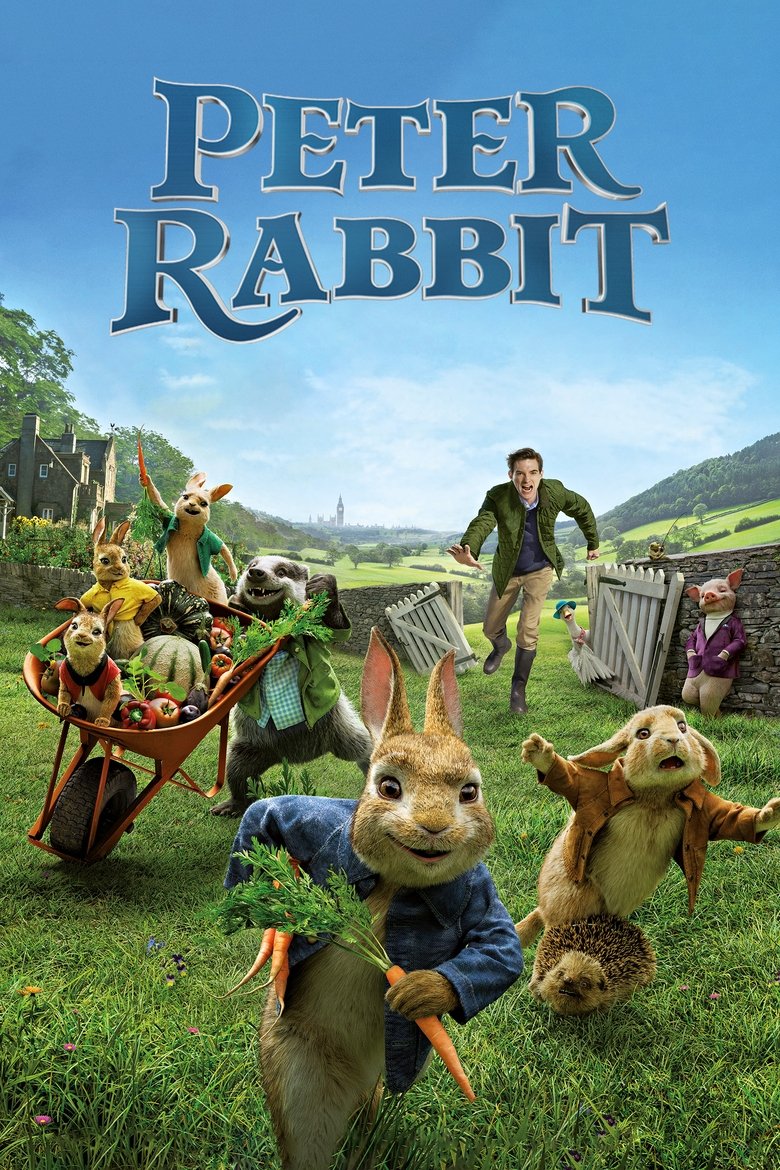
Movie · 2018
Peter Rabbit's feud with Mr. McGregor escalates to greater heights than ever before as they rival for the affections of the warm-hearted animal lover who lives next door.

Movie · 2019
Max the terrier must cope with some major life changes when his owner gets married and has a baby. When the family takes a trip to the countryside, nervous Max has numerous…
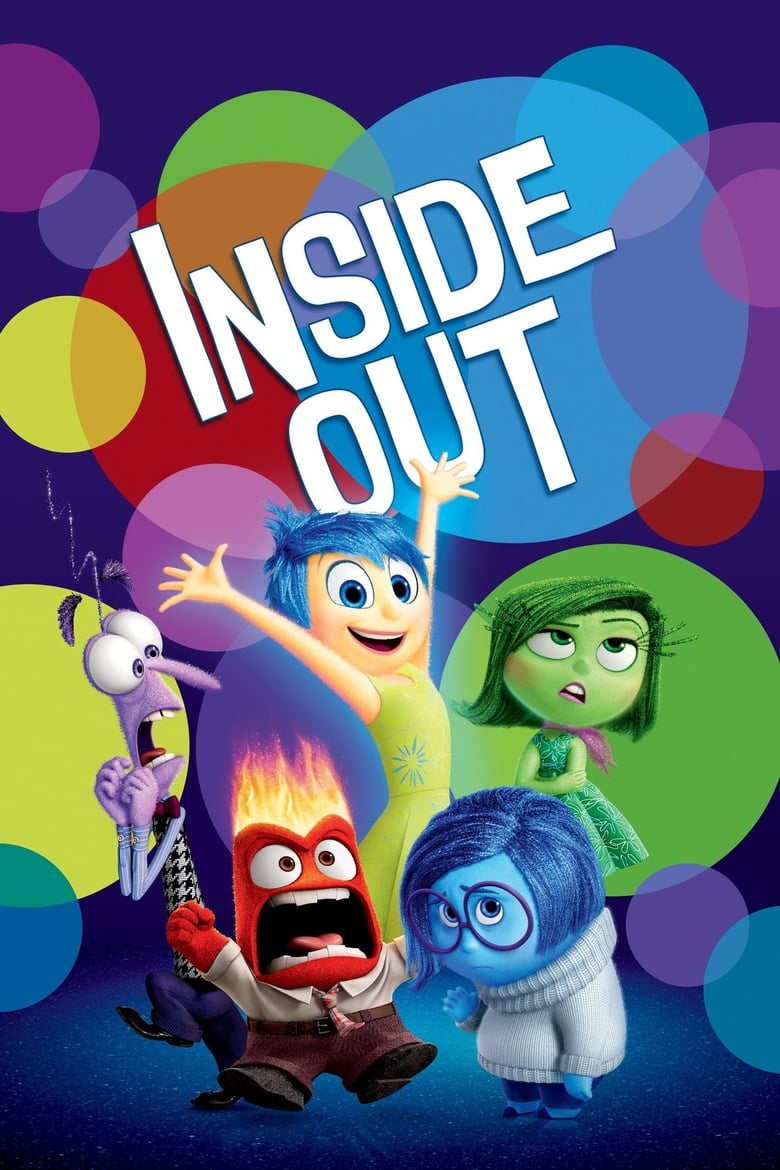
Movie · 2015
When 11-year-old Riley moves to a new city, her Emotions team up to help her through the transition. Joy, Fear, Anger, Disgust and Sadness work together, but when Joy and Sadness…
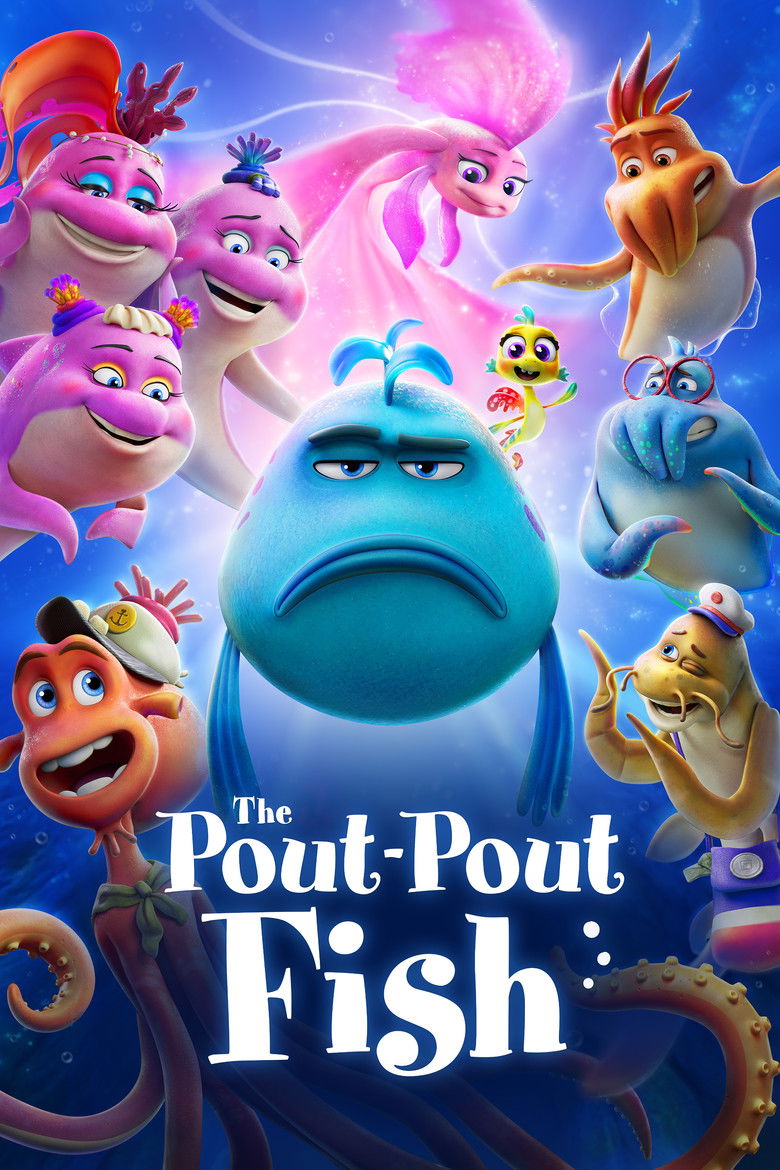
Movie · 2026
Living on a rundown shipwreck, Mr. Fish one day discovers a hyperactive young sea dragon Pip – who had mistaken his home for a junkyard – pilfering his belongings.
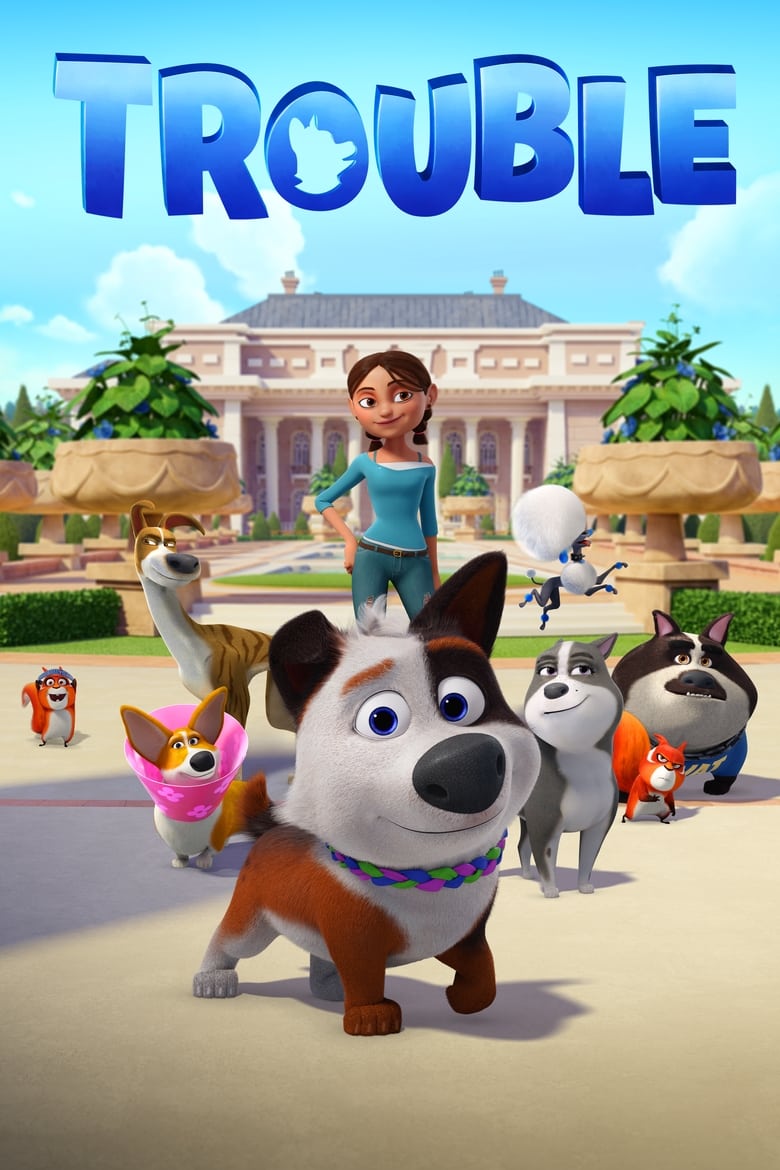
Movie · 2019
A pampered dog named Trouble must learn to live in the real world while trying to escape from his former owner's greedy children and must learn how to survive on the big-city…

Movie · 2024
Gromit’s concern that Wallace is becoming too dependent on his inventions proves justified, when Wallace invents a “smart” gnome that seems to develop a mind of its own.
