

This documentary shows how the cast and crew made the Obi-Wan Kenobi series. Ewan McGregor returns as Obi-Wan, a Jedi who has been hiding for years after a terrible loss. Hayden Christensen returns as Anakin Skywalker, the student and friend who became Darth Vader. Deborah Chow leads the team as they build a story set between Revenge of the Sith and A New Hope. The tone is warm, and the film spends time on memories, costumes, creatures, and lightsaber practice. The film is mostly about friendship, heavy guilt, and doing your duty. Obi-Wan still loves Anakin, and he also protects young Leia like a father. Chow says she wanted a woman villain on the dark side because few women had played that kind of part, and she wanted Leia to matter more in the story. Those ideas show up in short talks about how the characters were made. The film mainly celebrates bringing old friends back and honoring the older movies.
Community feedback
Was our 23% Woke rating accurate?
Loading review details…
Breakdown
These are the editorial factors and ratings behind our score for Obi-Wan Kenobi: A Jedi's Return.
Woke representation / casting
Deborah Chow says she wanted the villain Reva to be a young woman because very few women had been on the dark side in real-actor Star Wars. Moses Ingram says it is cool to see different people play villains, not only heroes. The film also shows Kumail Nanjiani, Indira Varma, and O'Shea Jackson Jr., and it talks about their characters and their excitement. Ewan McGregor and Hayden Christensen stay at the center as the same heroes they played before.
12%
Woke political dialogue
Deborah Chow says she wanted a young woman on the dark side because very few women had played that part with real actors. She says she needed a woman that viewers could believe might fight Darth Vader. Moses Ingram says it is cool to see different people play villains. Chow also calls Leia one of the best female characters ever written and says this story should show why she matters. These lines are clear, but they are short, and most of the talking stays on memories, stunts, and the bond between Obi-Wan and Anakin.
22%
Identity-driven story themes
Chow presents Reva as a woman fighter on the dark side who is strong enough to go after Darth Vader. She also says young Leia is one of the most exciting parts of the show and that the series should highlight her. The film treats those choices as fun parts of building the characters. The story it keeps returning to is Obi-Wan's guilt, his love for Anakin, and his care for Leia like a father. The talk about women heroes and villains does not run through the whole film.
18%
Western institutional / cultural critique
Not present. The film talks about the Empire, Darth Vader, and a Jedi who lost hope, and that stays inside the Star Wars story.
0%
Woke character or canon changes
Not relevant. Obi-Wan and Anakin are played by the same actors as in the older films, and the new people are new characters.
0%
Anti-woke backlash and complaints
Not present. Fans talked about the fun of seeing the actors return, and no public complaint was found that this documentary pushes a woke message.
0%
Creator track record context
David Gelb directed this film, and his later food series paid more attention to women chefs, Black chefs, and cooks from other countries. Deborah Chow has talked about wanting a wider mix of people in Star Wars, in front of the camera and behind it. Jason Sterman has produced films about race, justice, and wars. Several other producers have little public record of that kind of work. As a group, their history sits in a middle range.
32%
Production
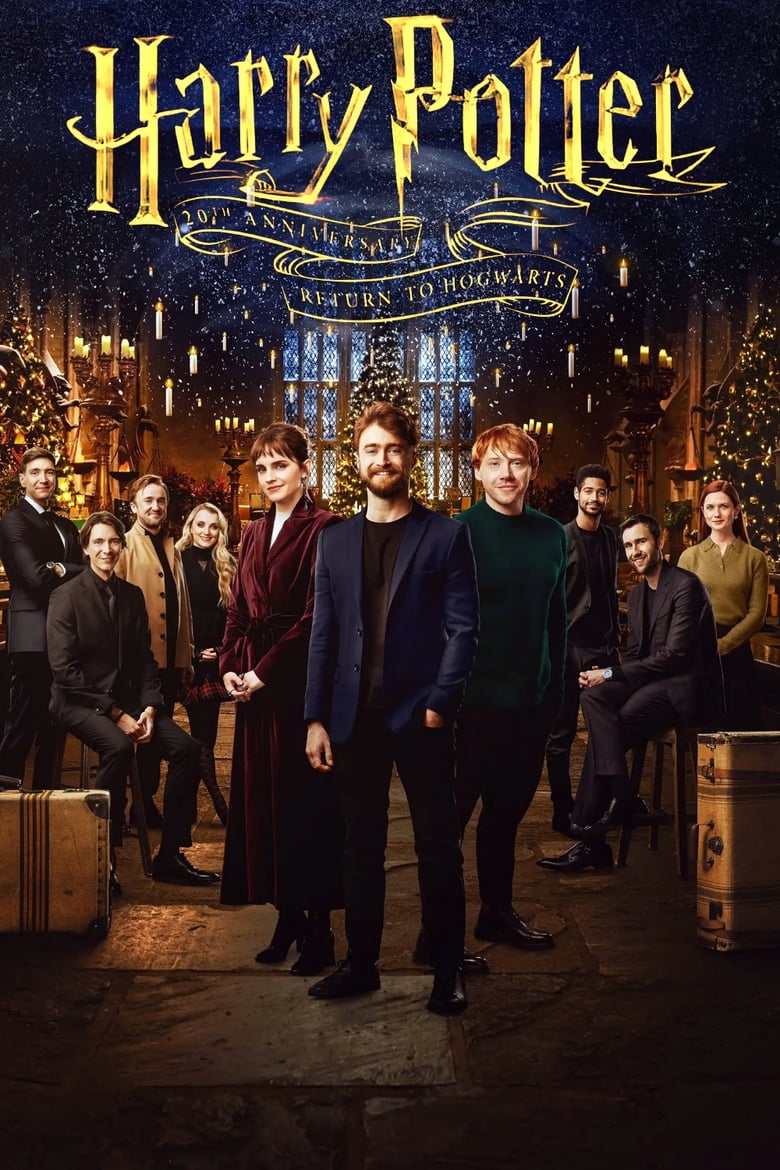
Movie · 2022
An enchanting making-of story told through all-new in-depth interviews and cast conversations, inviting fans on a magical first-person journey through one of the most beloved film…
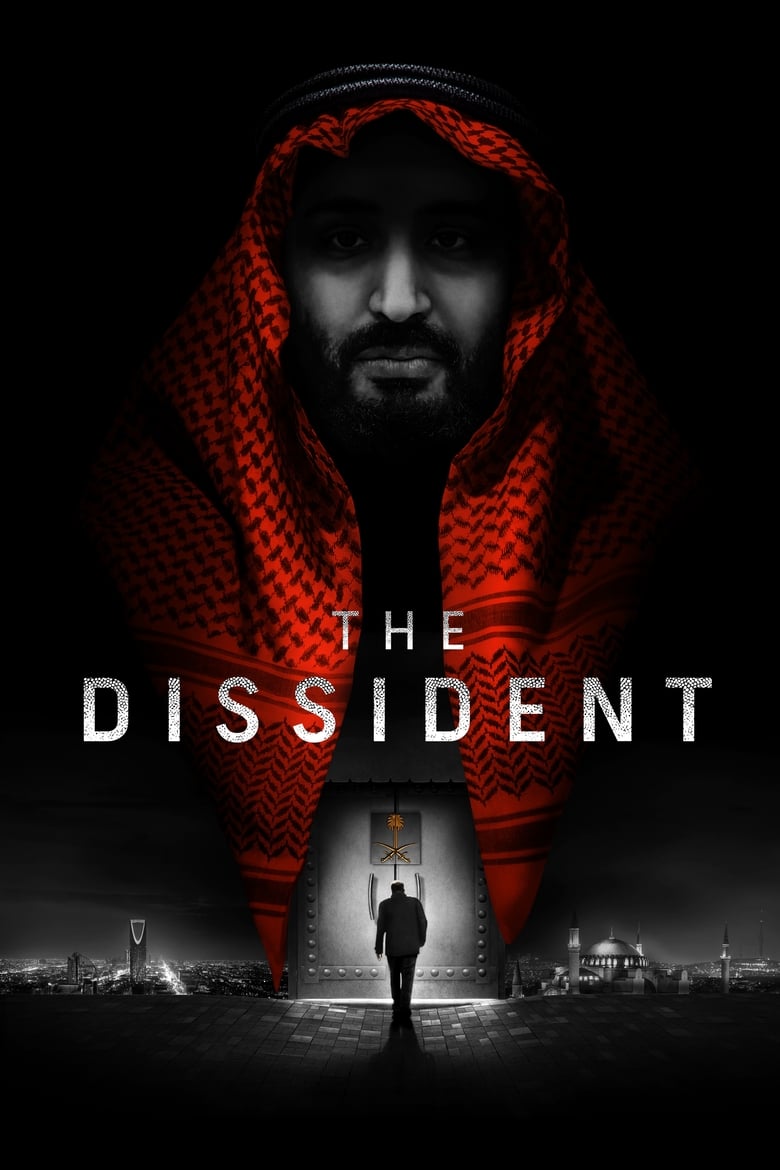
Movie · 2020
When Washington Post journalist Jamal Khashoggi disappears after entering Saudi Arabia’s consulate in Istanbul, his fiancée and dissidents around the world are left to piece…
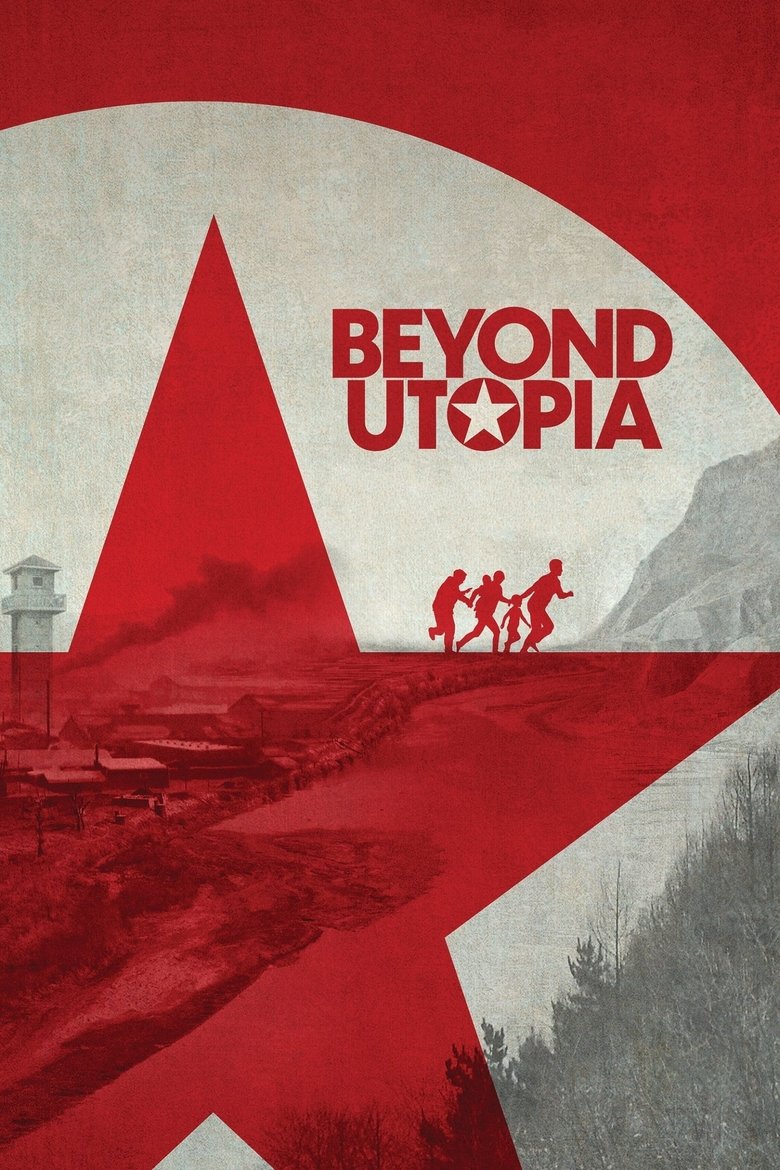
Movie · 2023
A courageous pastor uses his underground network to rescue and aid North Korean families as they risk their lives to embrace freedom.
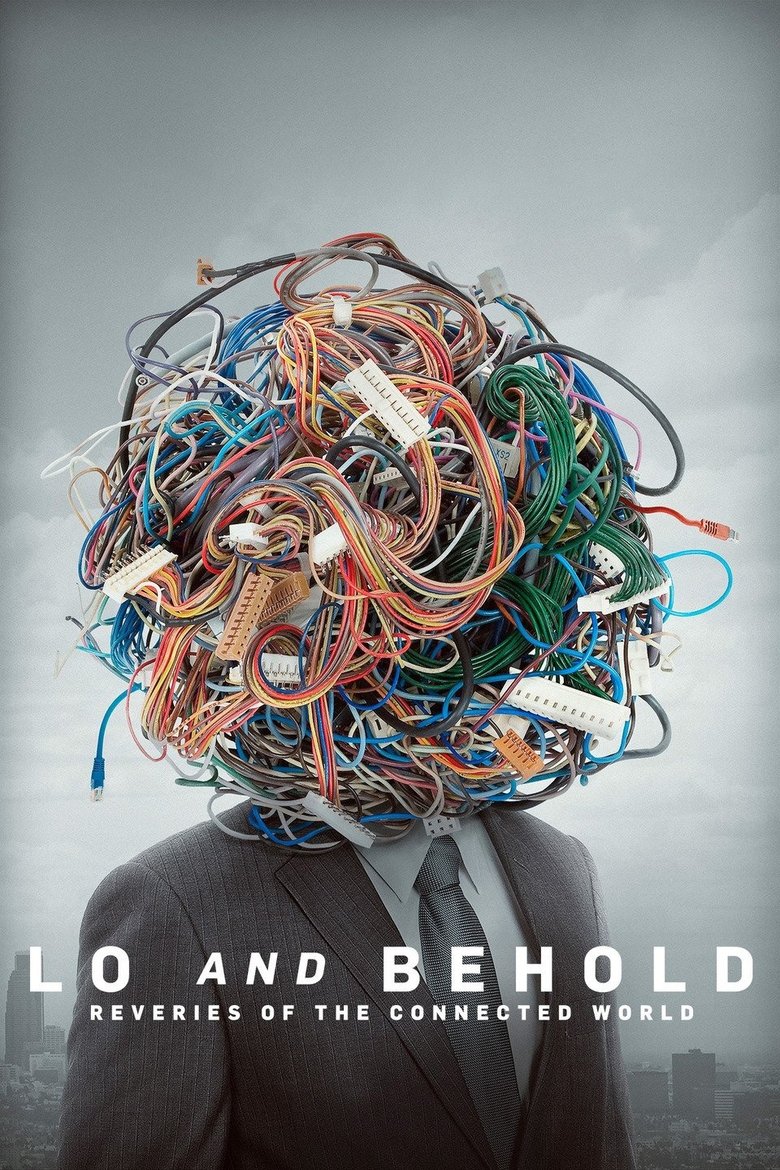
Movie · 2016
Werner Herzog's exploration of the Internet and the connected world.

Movie · 2023
The remarkable coming-of-age story of Stephen Curry—one of the most influential, dynamic, and unexpected players in basketball history—and his rise from an undersized college…
Movie · 2022
After years in the limelight, Selena Gomez achieves unimaginable stardom. But just as she reaches a new peak, an unexpected turn pulls her into darkness.
Movie · 2020
With this inventive portrait, director Kirsten Johnson seeks a way to keep her 86-year-old father alive forever.
Movie · 2021
Bob Ross brought joy to millions as the world's most famous art instructor. But a battle for his business empire cast a shadow over his happy trees.
