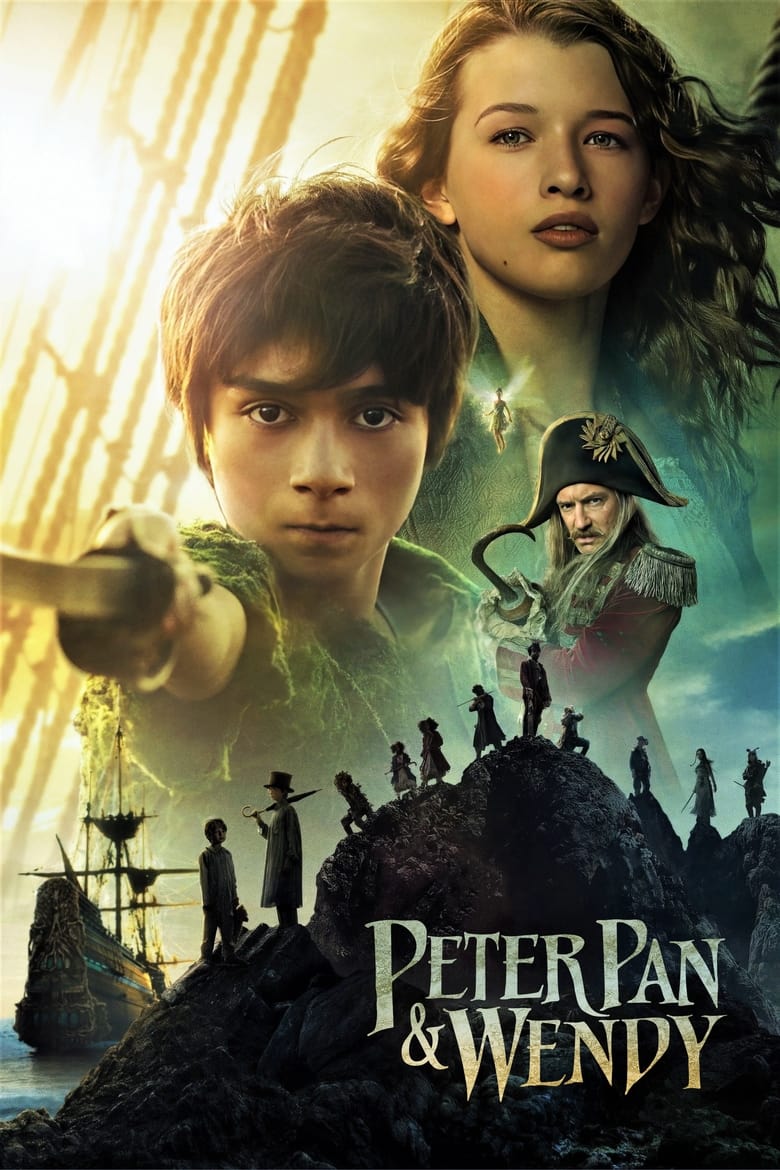

Wendy Darling fears leaving home and growing up. Peter Pan takes Wendy and her brothers from London to Neverland. They meet Tinker Bell, the Lost Boys, Tiger Lily, and Captain Hook. The film has a serious, dreamlike tone with action and family adventure. Wendy becomes the main person who must choose between staying young and becoming an adult. The film gives Wendy more control and makes her story as important as Peter’s. Girls join the Lost Boys, and Tiger Lily becomes a speaking warrior with a larger role. Tinker Bell is played by a black actress, and the group has children from different backgrounds. The film also gives Hook and Peter a deeper friendship and shows Peter as selfish and hurtful. These changes are visible, but the story still focuses mainly on growing up, family, friendship, and accepting time.
Community feedback
Was our 64% Woke rating accurate?
Loading review details…
Breakdown
These are the editorial factors and ratings behind our score for Peter Pan & Wendy.
Woke representation / casting
The film uses a visibly diverse group of children in major roles. Yara Shahidi plays Tinker Bell, and girls join the Lost Boys. Alyssa Wapanatâhk plays Tiger Lily as an Indigenous actor in a larger heroic role. Disney and the filmmakers described the cast as reflecting a diverse Neverland. The choices go beyond a normal historical London setting and are part of the film’s public identity.
45%
Woke political dialogue
Wendy says she wants a life beyond being a mother and shows that she can lead and fight. The film gives her lines about choosing her own future. The ending also says that the world is better when everyone takes part. These ideas are brief and tied to Wendy’s personal growth rather than a larger political speech.
12%
Identity-driven story themes
Wendy’s journey repeatedly challenges the old idea that girls should mainly become mothers. The film makes her the main hero in several parts of the adventure. Girls are treated as full members of Peter’s group, and Tiger Lily is shown as a wise and capable fighter. The story still centers on growing up and family, so the identity themes support the adventure instead of fully controlling it.
38%
Western institutional / cultural critique
The film questions the expected role of a young woman as a future mother. Wendy resists being placed in charge of children simply because she is a girl. Peter is also shown as selfish and controlling when he refuses to grow up. The film does not attack Christianity, government, or Western society in a broad way.
22%
Woke character or canon changes
The film changes several familiar identity elements from earlier Peter Pan versions. Tinker Bell is played by a black actress, girls are added to the Lost Boys, and Tiger Lily is rewritten as a speaking Indigenous warrior. Wendy becomes a stronger co-lead and is given more control of the story. These changes are important and easy for viewers to notice.
58%
Anti-woke backlash and complaints
Online critics called the film woke because of Tinker Bell’s casting, the girls in the Lost Boys, and the larger role for Wendy. The Los Angeles Times reported racist backlash, and The Hill covered claims of “woke-swapping.” MovieGuide also criticized the film’s feminism and diversity message. The complaints reached named outlets and became a recognizable talking point, though no major boycott or national campaign followed.
62%
Creator track record context
David Lowery has a low stored woke score and no known public pattern of political or DEI activism. Toby Halbrooks also has a low stored score with no known identity-focused record. The main creator context comes from title-related comments about making Neverland more diverse. The wider crew has mostly conventional studio and production backgrounds.
15%
Production
Movie · 2016
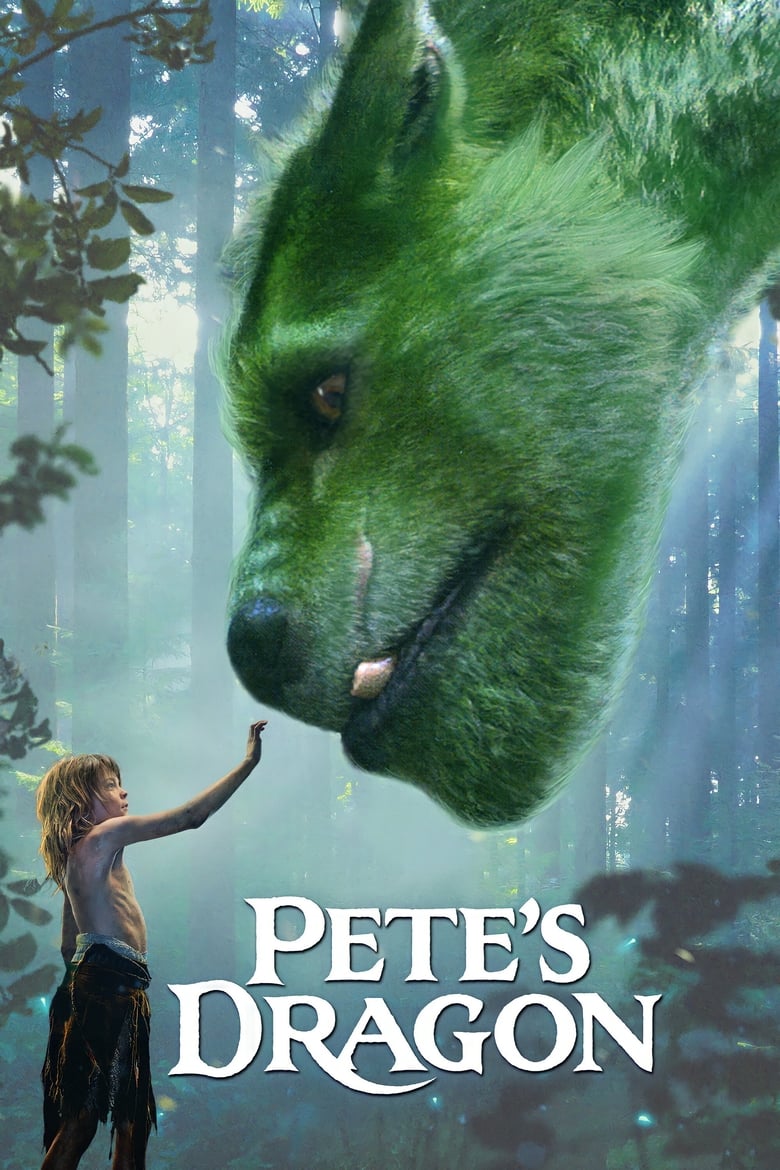
For years, old wood carver Mr. Meacham has delighted local children with his tales of the fierce dragon that resides deep in the woods of the Pacific Northwest.
Movie · 2021
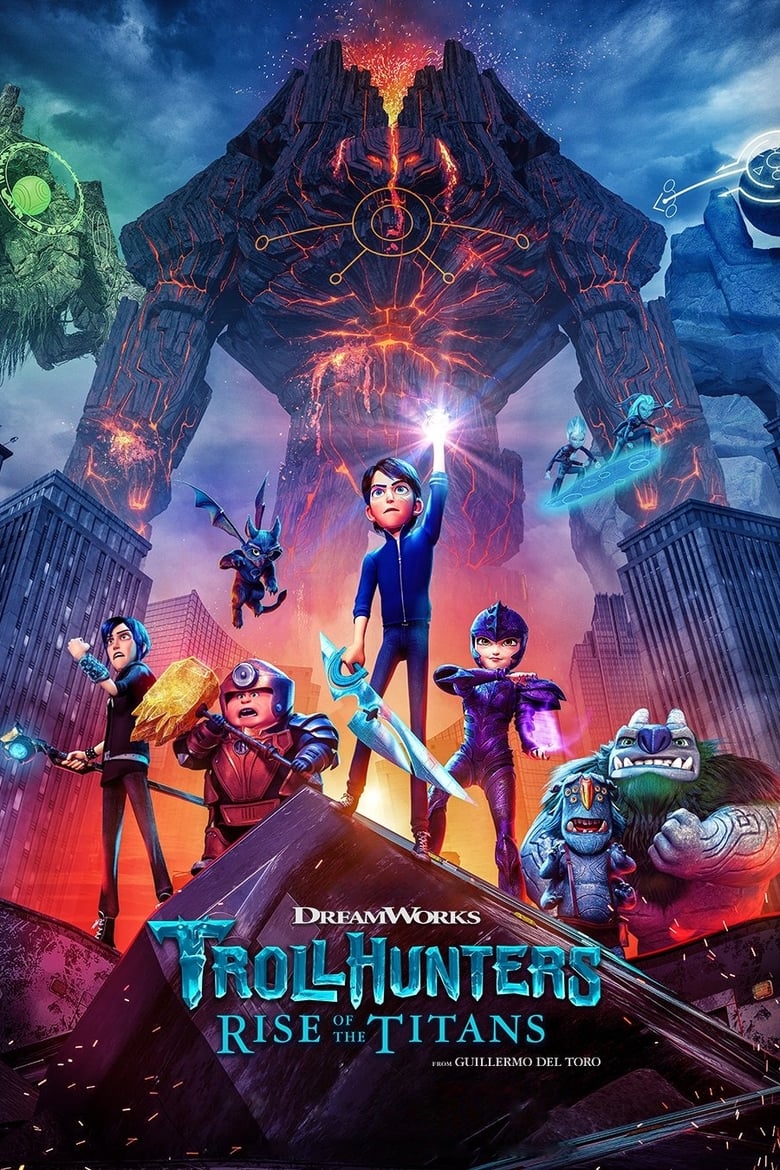
The Guardians of Arcadia reunite to battle the nefarious Arcane Order, who've reawakened the primordial Titans.
Movie · 2021
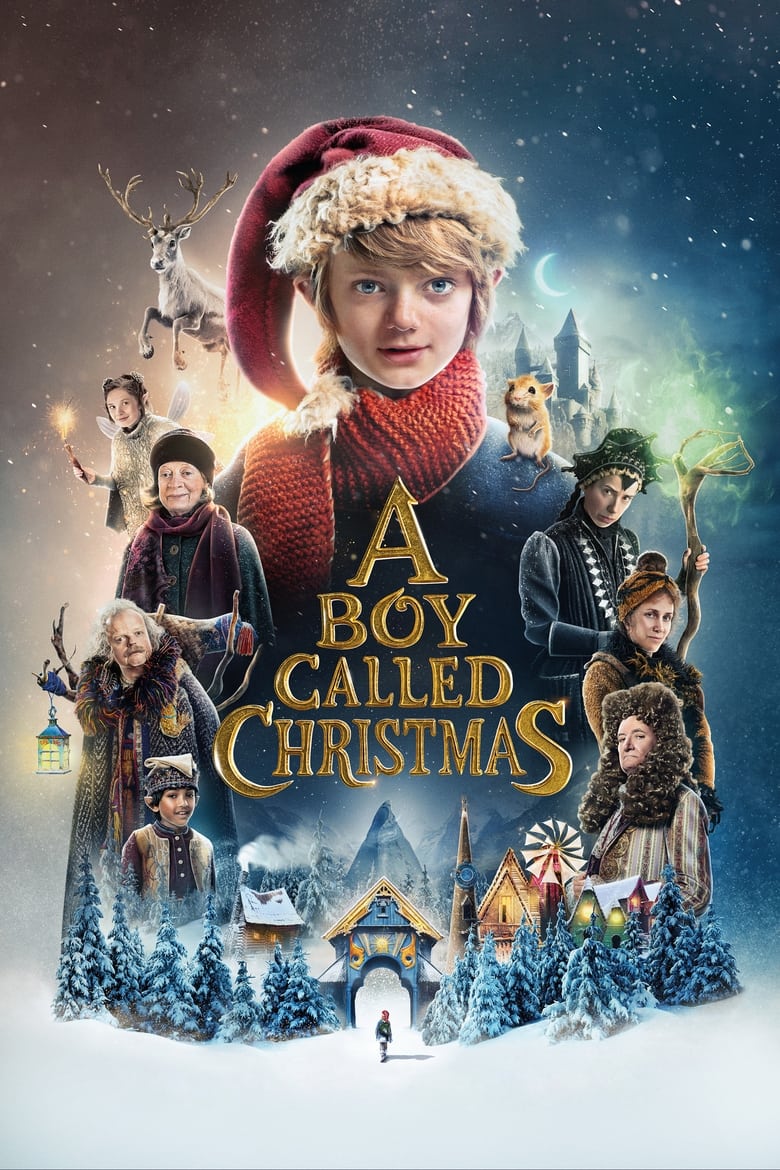
An ordinary young boy called Nikolas sets out on an extraordinary adventure into the snowy north in search of his father who is on a quest to discover the fabled village of the…

Movie · 2022
King Louis XIV's quest for immortality leads him to capture and steal a mermaid's life force, a move that is further complicated by his illegitimate daughter's discovery of the…
Movie · 2016
After a threat from the tiger Shere Khan, Mowgli, a man-cub fostered by wolves, is forced to flee the jungle, and he embarks on a journey of self-discovery with the help of the…

Movie · 2016
An orphan little girl befriends a benevolent giant who takes her to Giant Country, where they attempt to stop the man-eating giants that are invading the human world.
Movie · 2020
Fueled by memories of her mother, resourceful Fei Fei builds a rocket to the moon on a mission to prove the existence of a legendary moon goddess.
Movie · 2018
The life of a teenage boy is forever altered by a chance encounter with cutting edge military technology.
