

Susie Bannion leaves her strict Mennonite home in America and travels to West Berlin in 1977. She joins the Markos Dance Company, where artistic director Madame Blanc notices her talent. The company hides a witches’ coven, and its leaders plan a deadly ritual that puts Susie in danger. A grieving therapist investigates after another dancer asks him for help, while the city faces hijackings and memories of Nazi crimes. The film blends bloody horror, dance, and a slow mystery. Women lead the school, the coven, and the fight over who will hold power. The film shows women gaining strength together, while also showing the harm that a cruel female leader can cause. Susie’s journey takes her from a strict family to a powerful place in the coven. Her rise and the coven’s leadership struggle make women’s power and motherhood central themes.
Community feedback
Was our 74% Woke rating accurate?
Loading review details…
Breakdown
These are the editorial factors and ratings behind our score for Suspiria.
Woke representation / casting
The dance company and coven give women nearly every lead role. Dakota Johnson praised the women-led cast and said a story could show love without a male lead. Tilda Swinton also plays the male psychotherapist, making gender part of the film’s casting design. The film presents a clear women-centered casting choice.
52%
Woke political dialogue
Sara says the Reich wanted women to stop thinking and bear children. She credits Madame Blanc with keeping the company alive through that era. The line directly links women’s freedom to the coven’s power.
14%
Identity-driven story themes
Susie’s dancing gives her control over other dancers’ bodies and earns her a place in the coven. The coven’s leaders fight over who should control its women’s power. Susie reveals she is Mother Suspiriorum and takes the highest place in the order. The story presents women’s rise to power as both a rescue and a source of horror.
63%
Western institutional / cultural critique
Susie’s memories show a strict Mennonite home where her mother punishes and shames her. Susie leaves home and follows her own path in Berlin. Her story rewards her escape from her birth family with a powerful new role.
25%
Woke character or canon changes
Argento’s 1977 story follows a dancer who discovers a school run by witches. Guadagnino’s version makes women’s private power and motherhood central to the same setup. Susie discovers that she is Mother Suspiriorum and claims the coven’s leadership. The change recasts the heroine’s role around women’s power.
44%
Anti-woke backlash and complaints
Two small X accounts called the film a feminist manifesto or a “toxic matriarchy.” Both complaints were isolated and drew no observed engagement or pickup. Audience discussion focused more on the film’s meaning and length than on anti-woke complaints.
8%
Creator track record context
Guadagnino has spoken about queer desire and fluid sexuality in his wider work. He framed this film around women’s power and feminism. Kajganich said he built the coven around women creating power outside public life. Argento and Nicolodi also have stored creator context tied to feminist themes.
68%
Production
Movie · 2021
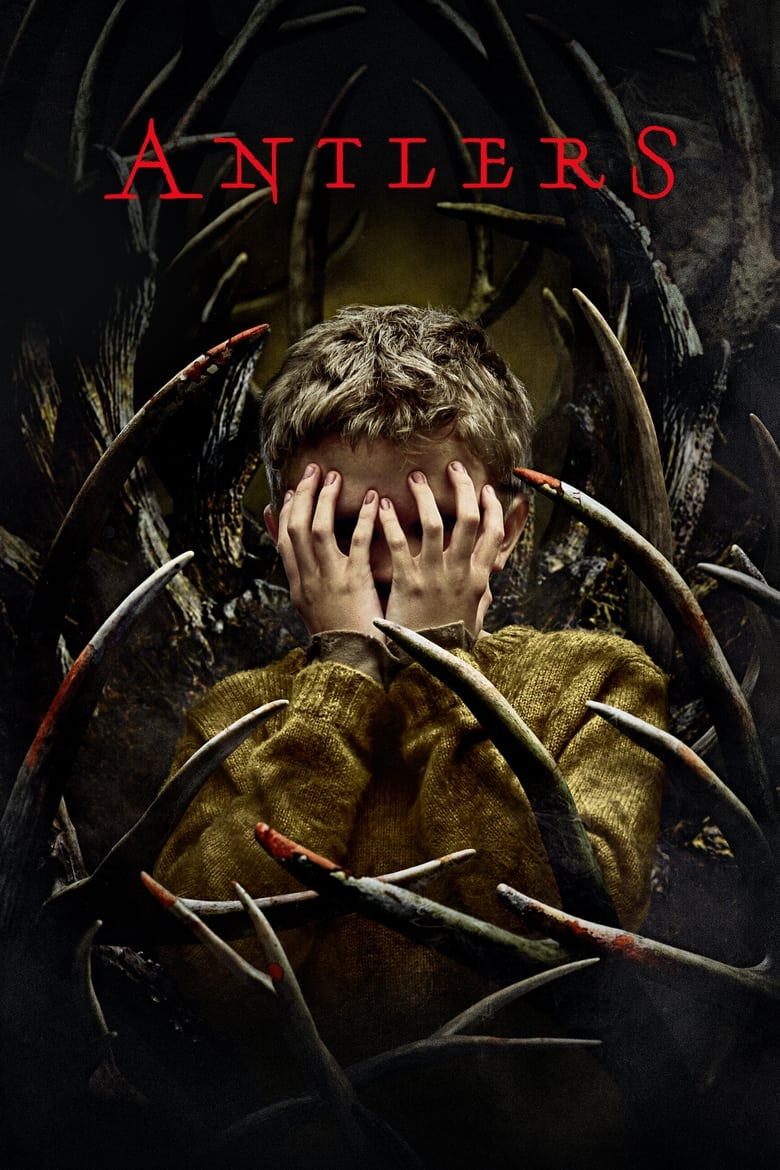
A small-town Oregon teacher and her brother, the local sheriff, discover a young student is harbouring a dangerous secret that could have frightening consequences.
Movie · 2017
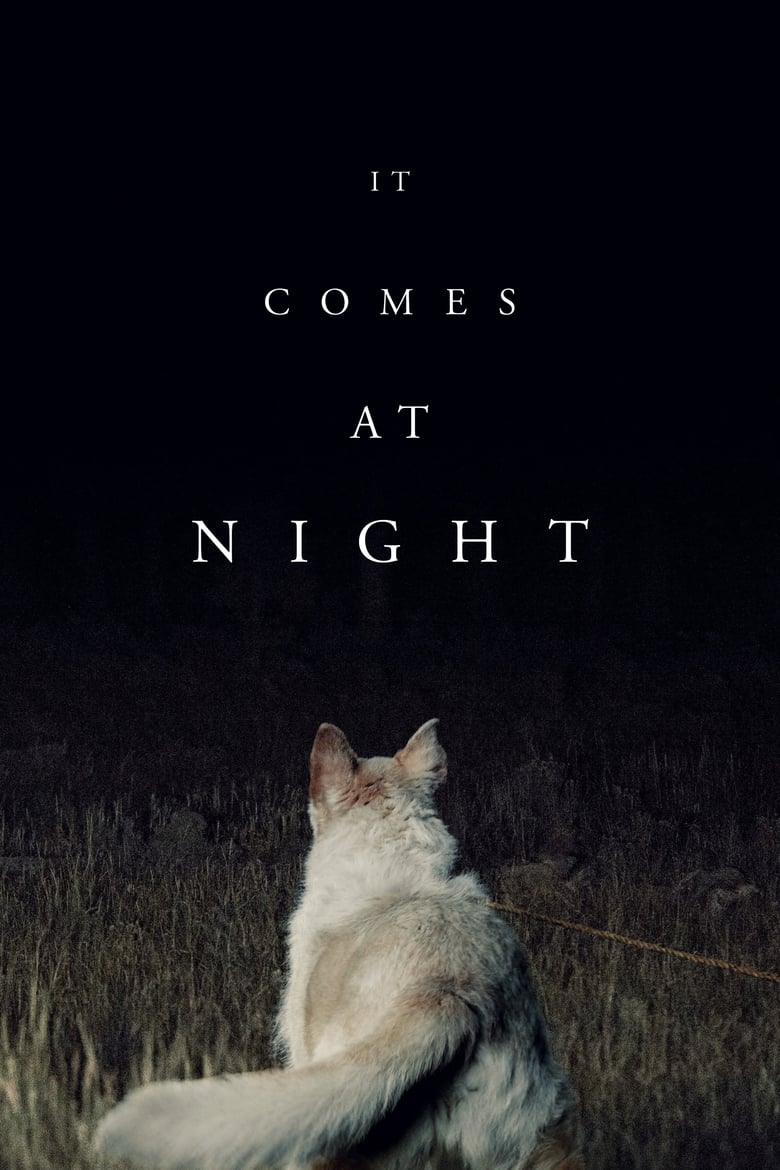
Secure within a desolate home as an unnatural threat terrorizes the world, a man has established a tenuous domestic order with his wife and son, but this will soon be put to test…

Movie · 2018
After suspecting that their police officer neighbor is a serial killer, a group of teenage friends spend their summer spying on him and gathering evidence, but as they get closer…
Movie · 2022
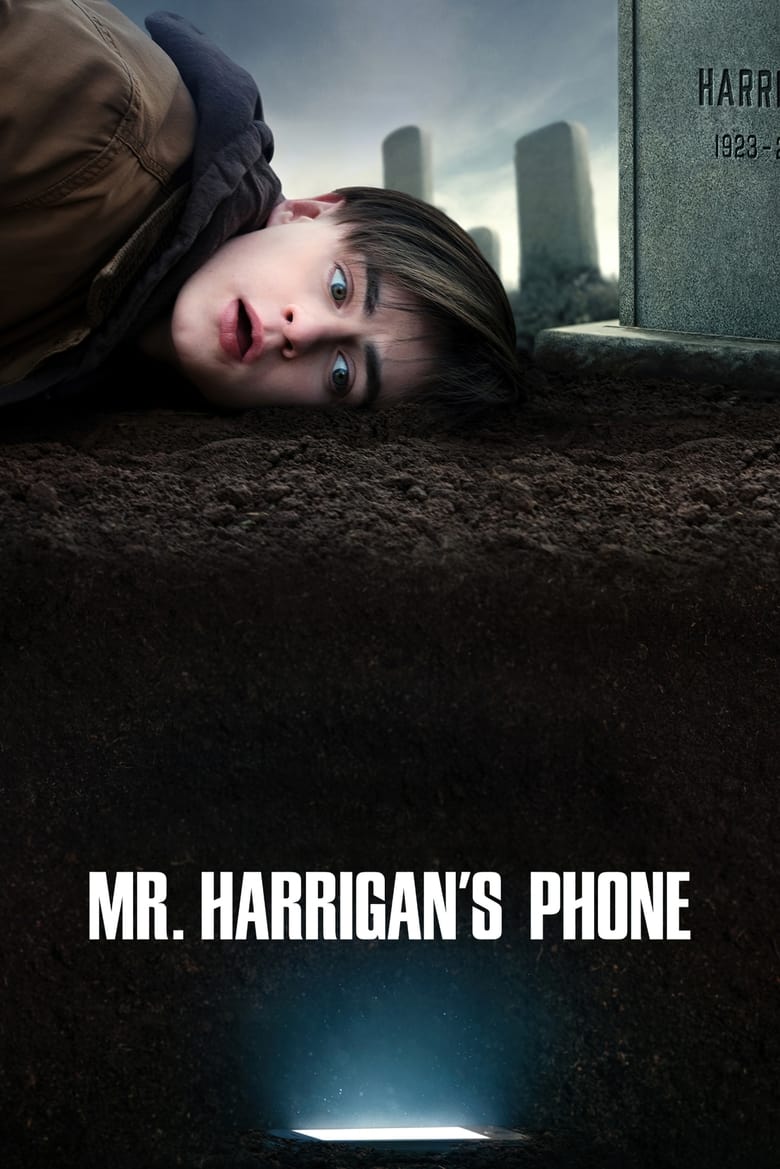
Craig, a young boy living in a small town befriends an older, reclusive billionaire, Mr. Harrigan. The two form a bond over books and an iPhone, but when the man passes away the…
Movie · 2025
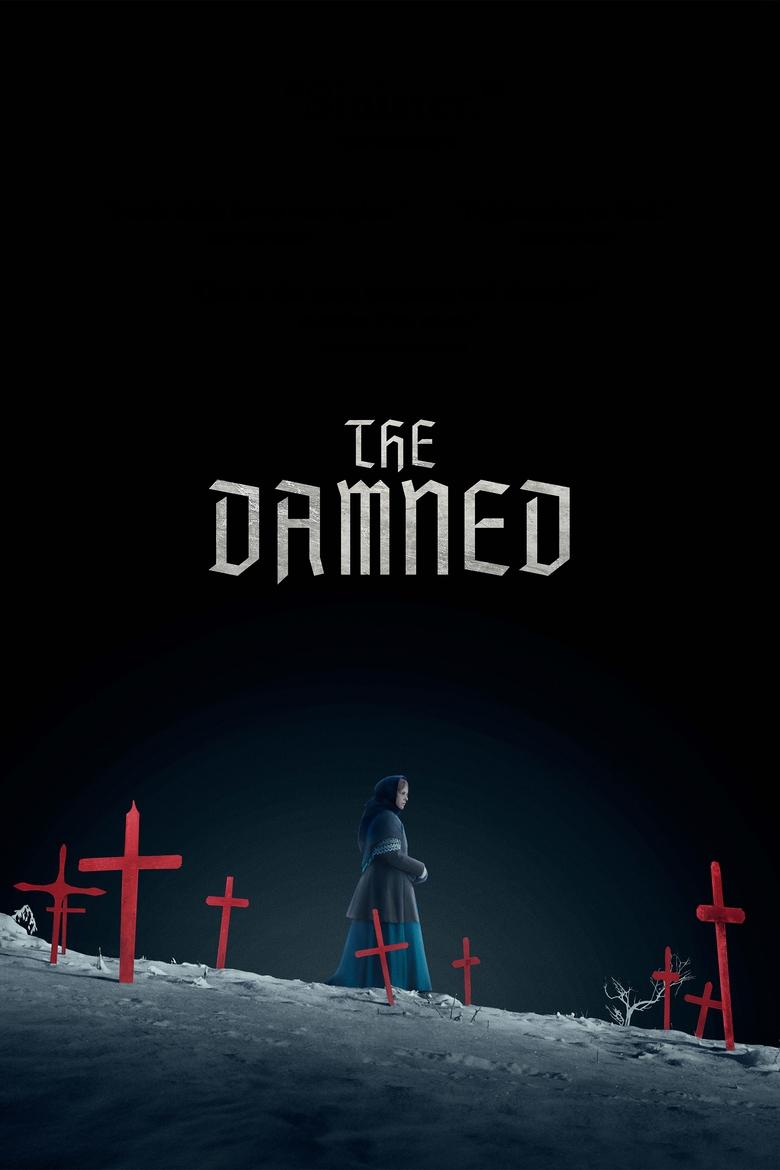
A 19th-century widow has to make an impossible choice when, during an especially cruel winter, a foreign ship sinks off the coast of her Icelandic fishing village.
Movie · 2026
A group of recent grads head out on a late night drive for grub, hoping to enjoy one final hangout before their paths diverge.
Movie · 2018
A filmmaker discovers a box of video tapes depicting two students' disturbing film project featuring a local horror legend, The Peeping Tom.
Movie · 2016
Father and son coroners receive a mysterious unidentified corpse with no apparent cause of death. As they attempt to examine the "Jane Doe," they discover increasingly bizarre…
