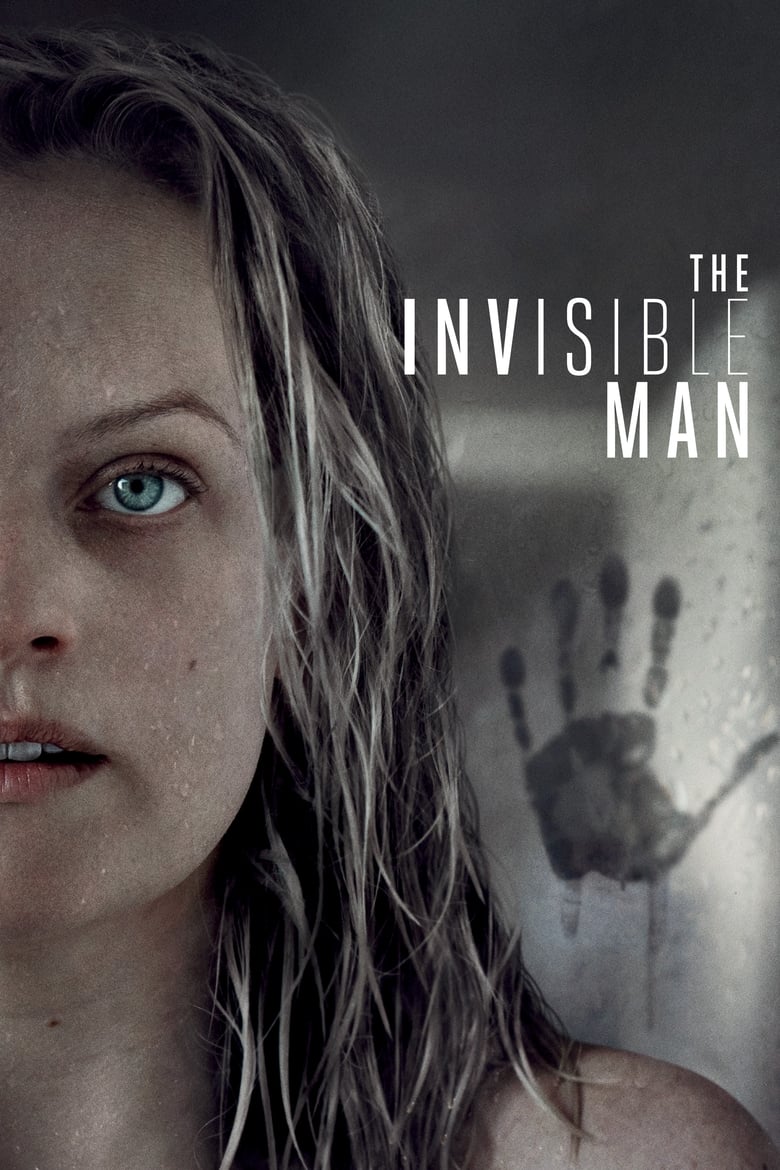

Cecilia Kass escapes the glass home of Adrian Griffin, her wealthy and controlling boyfriend, and hides with an old friend and his daughter in San Francisco. Adrian is soon reported dead, but strange events lead Cecilia to believe that he is still near her and using a hidden suit. She struggles to make people close to her believe her as her life grows more dangerous. The film is a tense science-fiction horror story built around empty rooms, sudden attacks, and fear that nobody else can see. Adrian uses money, lies, and a hidden suit to control Cecilia, including replacing her birth control pills and framing her for murder. The film ties this abuse to gaslighting and to the way people doubt a woman who asks for help. Cecilia tries to escape and protect those close to her, then kills Adrian while wearing his suit and stages his death as a suicide. The revenge ending makes women’s safety and freedom a major part of the story, while a caring male friend helps her.
Community feedback
Was our 63% Woke rating accurate?
Loading review details…
Breakdown
These are the editorial factors and ratings behind our score for The Invisible Man.
Woke representation / casting
Universal’s press release describes the film as centering an “empowered woman facing her tormentor.” Cecilia is the lead and takes action against Adrian after escaping him. The film gives her story a visible female-empowerment frame.
18%
Woke political dialogue
Cecilia says Adrian’s money and power buy people. She tells James she secretly took birth control to avoid being tied to Adrian by a child. Tom says Adrian replaced the pills and tells Cecilia she has no choice but to return to him. These lines put male power and control of pregnancy into the spoken story.
5%
Identity-driven story themes
Cecilia flees Adrian after years of control. Adrian stalks her with an invisible suit, frames her for murder, and turns others against her. Tom uses the law and the pregnancy to pressure her to return to Adrian. Cecilia kills Adrian with the suit and ends his control herself. Her escape and fight for safety are the film’s central story.
45%
Western institutional / cultural critique
Adrian uses his wealth and status as a tech leader to control Cecilia. His brother Tom uses his role as a lawyer to pressure her to return to Adrian and carry his child. Police and doctors treat Cecilia as dangerous or ill after Adrian frames her. James later helps her, but the story repeatedly shows male power and public systems failing her.
41%
Woke character or canon changes
Wells’s novel follows Griffin as its central character, a scientist who becomes invisible. Whannell’s film makes Adrian Griffin an abusive enemy and puts Cecilia at the center. Cecilia wears Adrian’s suit and kills him. The film shifts the source story’s central role from a male character to a woman.
48%
Anti-woke backlash and complaints
National Review critic Armond White accused the film of pushing social-justice trends through its female lead. Small X accounts also called it woke or a feminist fantasy. One low-reach Reddit comment called it too woke.
40%
Creator track record context
Leigh Whannell, the writer-director, has a stored score of 27. Ben Grant and Rosemary Blight each score 56, with stored records of stories about women, LGBTQ experiences, Indigenous identity, and mixed-culture life. Jeanette Volturno scores 50 and has supported training and hiring for women and other underrepresented crew. Jason Blum scores 34, while Kylie du Fresne scores 56 and Beatriz Sequeira 43, with no woke history listed. Moss said she hopes the film leads viewers to believe abuse victims.
47%
Production

Movie · 2018
Set in the small town of Devil's Gate, North Dakota, the film examines the disappearance of a local woman and her young son.

Movie · 2018
A brutal mugging leaves Grey Trace paralyzed in the hospital and his beloved wife dead. A billionaire inventor soon offers Trace a cure — an artificial intelligence implant called…
Movie · 2026
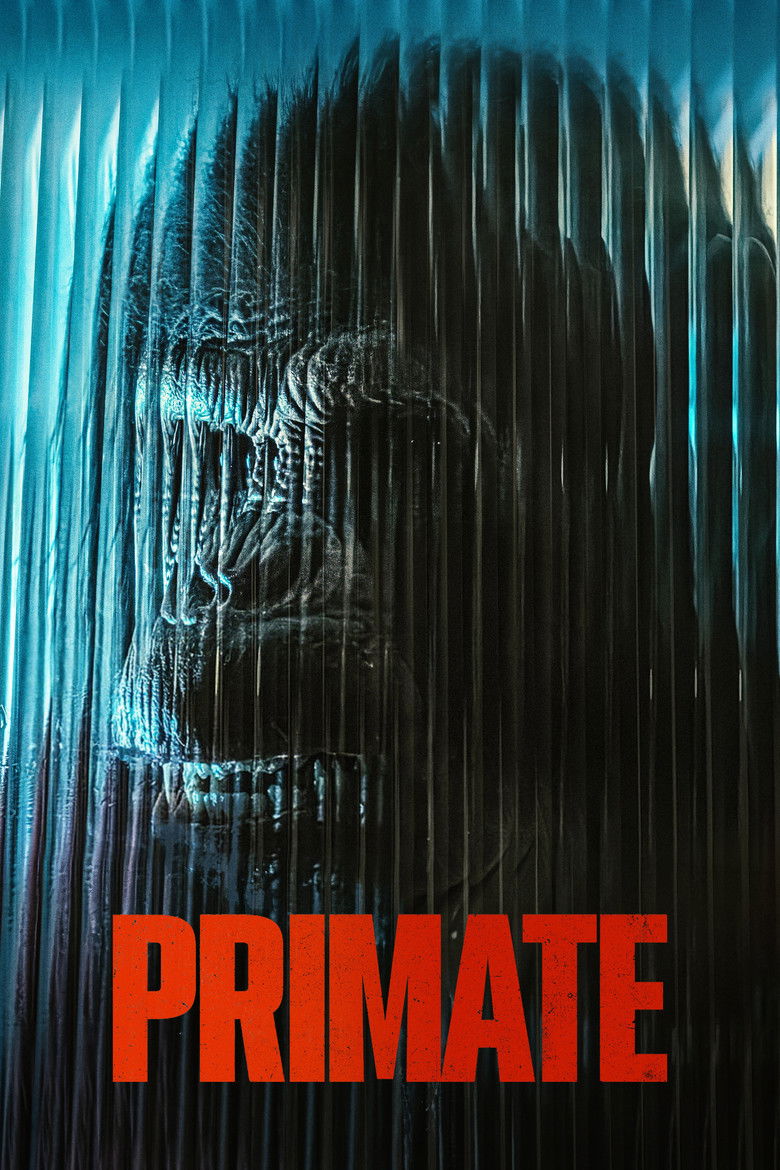
College student Lucy and her friends spend their vacation at her family's home in Hawaii, which includes her pet chimpanzee, Ben.

Movie · 2025
Four years after defeating The Grabber, Finney Blake is struggling with life after captivity. When his younger sister Gwen begins receiving calls in her dreams from the Black…

Movie · 2024
While scavenging the deep ends of a derelict space station, a group of young space colonizers come face to face with the most terrifying life form in the universe.

Movie · 2022
A brilliant toy company roboticist uses artificial intelligence to develop M3GAN, a life-like doll programmed to emotionally bond with her newly orphaned niece.

Movie · 2024
When an American family is invited to spend the weekend at the idyllic country estate of a charming British family they befriended on vacation, what begins as a dream holiday soon…

Movie · 2023
A lonely woman battles extraterrestrials who threaten her future while forcing her to face her past.
