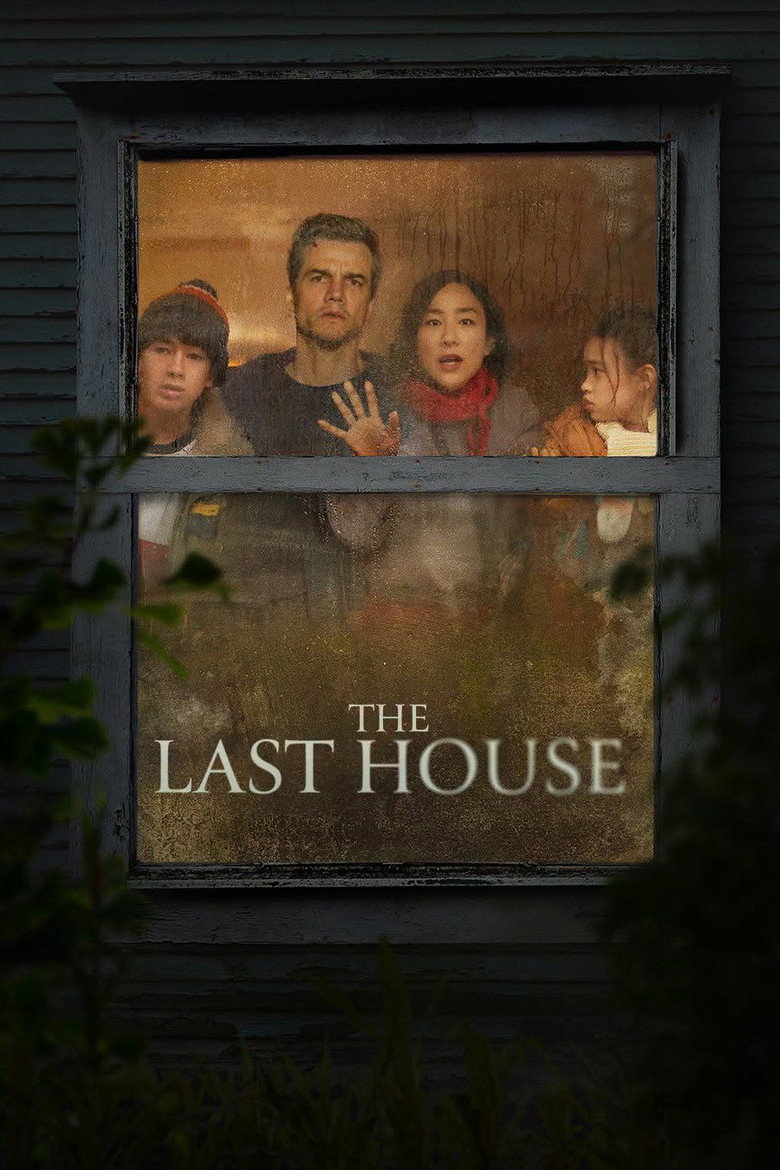

Jason and Ann Delgado are trapped with their two children inside their suburban Seattle home after a strange rainstorm seals every door and window. The family rations food, grows crops, catches animals, and raises the children as years pass. The film shifts from family survival drama to horror and science fiction as ancient sea creatures take over the flooded world. Jason must choose between killing one creature and trusting Ruth’s belief that it can understand mercy. The film has a clear environmental message that grows more important near the ending. It says humans overconsumed, polluted the oceans, raised global temperatures, and treated another species’ home as their own. Ruth argues that the creatures are reclaiming Earth, while Jason learns that violence and control are not the only answers. This is a strong eco-themed story, but it is not “peak wokism” because it does not center identity politics, DEI, gender activism, or modern political groups.
Community feedback
Was our 31% Woke rating accurate?
Loading review details…
Breakdown
These are the editorial factors and ratings behind our score for The Last House.
Woke representation / casting
Not present. The prominent family is interracial, but the Seattle setting supports a mixed family. No diversity-first casting message or repeated identity pattern was found.
0%
Woke political dialogue
Ruth directly says that the creatures may be reclaiming their own world. The film also links their arrival to pollution, overconsumption, rising heat, and damaged oceans. These spoken ideas are clear activist-style environmental claims, but they do not involve identity, gender, DEI, or party politics.
23%
Identity-driven story themes
The film repeatedly argues that humans have harmed the natural world. Ruth says the sea creatures are defending their home rather than simply invading ours. Jason’s decision to spare one creature makes mercy and coexistence the key to the ending. The theme is important and recurring, but it is environmental rather than identity-centered.
34%
Western institutional / cultural critique
The story blames human overuse, pollution, overfishing, and rising heat for the disaster. It presents humans as a damaging species that must share the planet with older life. The film criticizes human treatment of nature, but it does not make family life, religion, capitalism, or Western institutions its main target.
22%
Woke character or canon changes
Not relevant. The movie is an original story with no established characters, canon, or real historical figures being changed.
0%
Anti-woke backlash and complaints
A handful of small X accounts called the ending or environmental plot “woke” or “DEI.” One Spanish-language critic used similar language. The complaints had little reach, were not coordinated, and were not picked up by major outlets. Right-leaning praise for the film as non-woke does not count as backlash.
7%
Creator track record context
Louis Leterrier has a stored score of 12, and Matthew Robinson has a stored score of 23. The listed producers have mostly low stored scores. The known record shows little direct identity-driven activism connected to this movie.
16%
Production
Movie · 2021
Following the events at home, the Abbott family now face the terrors of the outside world. Forced to venture into the unknown, they realize that the creatures that hunt by sound…
Movie · 2024
Curtis Pike and his family are selected to test a new home device: a digital assistant called AIA. AIA observes the family's behaviors and begins to anticipate their needs.
Movie · 2019
Three friends making a web series about their town discover that their neighbors are being killed and replaced by creatures who are perfect copies of their victims.
Movie · 2018
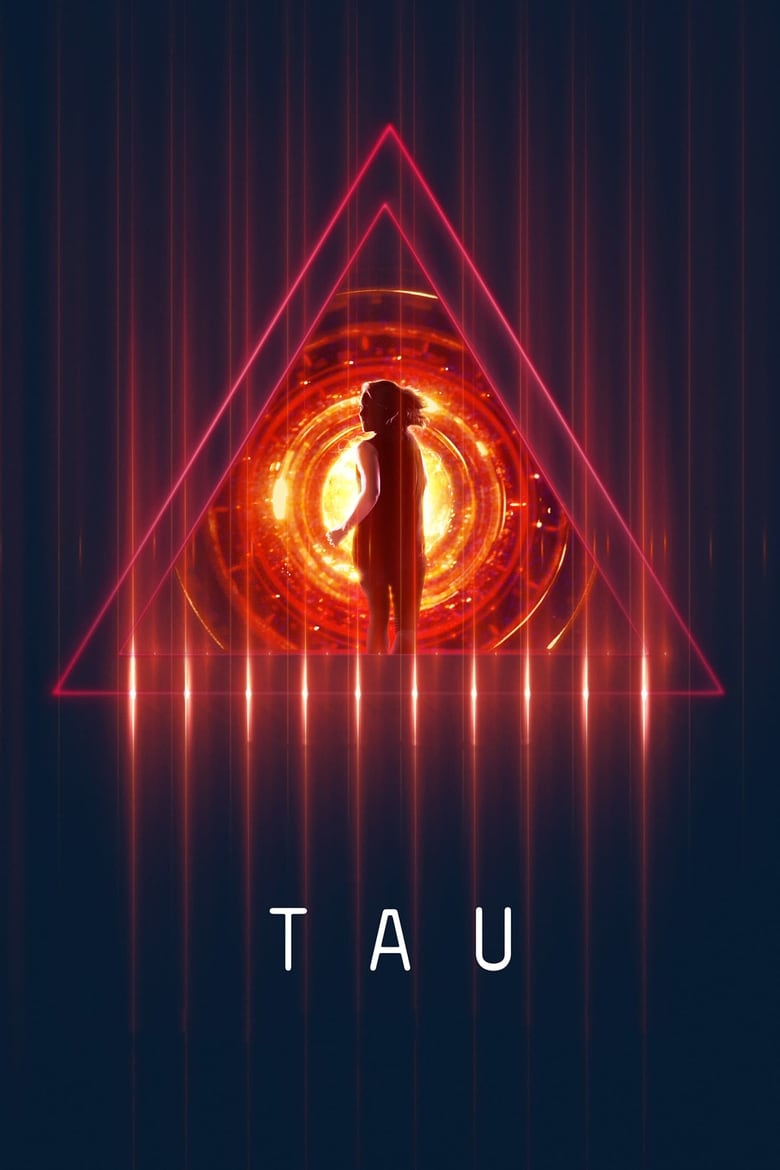
Held captive in a futuristic smart house, a woman hopes to escape by befriending the A.I. program that controls the house.

Movie · 2017
Two brothers return to the cult they fled from years ago to discover that the group's beliefs may be more sane than they once thought.

Movie · 2023
A lonely woman battles extraterrestrials who threaten her future while forcing her to face her past.

Movie · 2016
A corporate risk-management consultant must determine whether or not to terminate an artificial being's life that was made in a laboratory environment.

Movie · 2018
Set in the small town of Devil's Gate, North Dakota, the film examines the disappearance of a local woman and her young son.
