

Wonder follows August “Auggie” Pullman, a boy with facial differences who enters fifth grade at a private school in New York. He faces stares, bullying, and pressure to fit in. His parents, sister Via, and new friends also struggle with fear, guilt, and change. The film has a warm, emotional, family-friendly tone. The film centers on disability acceptance, kindness, anti-bullying, and learning to value people beyond appearance. Mr. Browne’s “Choose Kind” lessons repeat this message throughout the school year. The story also follows Via’s feelings of being overlooked and Jack Will’s choice to defend Auggie. The message is about personal empathy rather than race, gender, queer politics, or party politics.
Community feedback
Was our 22% Woke rating accurate?
Loading review details…
Breakdown
These are the editorial factors and ratings behind our score for Wonder.
Woke representation / casting
The film has a central disabled character played by a non-disabled actor using prosthetics. Summer, Justin, and teacher Mr. Browne add visible racial diversity in supporting roles. The main family and most lead students remain white, so the pattern is noticeable but not representation-first.
5%
Woke political dialogue
Mr. Browne repeatedly teaches kindness and respect through classroom precepts. Characters discuss bullying, acceptance, and the harm caused by judging appearance. The dialogue does not push modern race, gender, queer, or party-political slogans.
16%
Identity-driven story themes
The main story treats visible difference and disability acceptance as its central lesson. Auggie faces bullying because of his face, and the film asks classmates to include and defend him. The message is repeated across the school year but stays broad and personal rather than activist or identity-political.
15%
Western institutional / cultural critique
Not present. The school has a bully and some entitled parents, but the film does not attack Western institutions, family life, Christianity, masculinity, or traditional social norms.
0%
Woke character or canon changes
The film stays close to the novel and keeps Auggie’s disability central. Summer and Justin are presented with Black casting in supporting roles, which is a small identity-related change from the source material’s less specific descriptions. The film does not make a major race, gender, or sexuality rewrite.
10%
Anti-woke backlash and complaints
Not present. Searches found no meaningful complaint that the film pushed woke, DEI, identity-politics, or left-wing messaging. Disability casting criticism came from representation-focused writers and does not qualify as anti-woke backlash.
0%
Creator track record context
Chbosky and Palacio show a soft progressive focus on outsiders, empathy, and LGBTQ-inclusive or disability-related stories. Thorne has a stronger record of public advocacy for disabled talent and inclusion. Skoll and Kessel connect the production to Participant’s social-impact work, but the film does not turn that background into direct political messaging.
35%
Production
Movie · 2021
When Sara hears a preacher say faith can move mountains, she starts praying. Suddenly people in her town are mysteriously healed!
Movie · 2024
When David Smallbone's successful music company collapses, he moves his family from Australia to the United States in search of a brighter future.

Movie · 2017
The behind the scenes story of the life of A.A. Milne and the creation of the Winnie the Pooh stories inspired by his son Christopher Robin.

Movie · 2017
The film follows a man with an unwanted gift for healing who meets a teenager with cancer who helps him to find himself.
Movie · 2024
19 year old Isaiah Wright lives for basketball and video games. A year out of high school, he has no job, no plans, and no idea how to be a man.
Movie · 2025
The world is a perplexing, peaceful mystery to Amélie until a miraculous encounter with chocolate ignites her wild sense of curiosity.
Movie · 2022
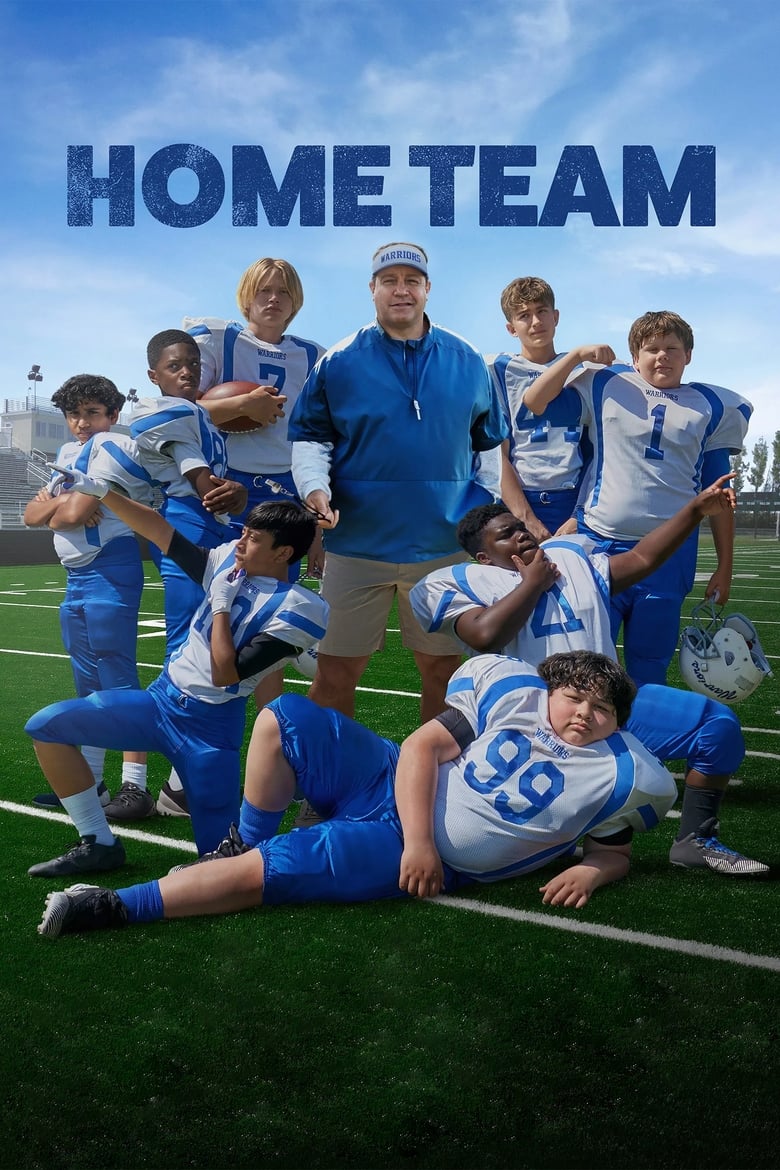
Two years after a Super Bowl win when NFL head coach Sean Payton is suspended, he goes back to his hometown and finds himself reconnecting with his 12-year-old son by coaching his…

Movie · 2024
The Herdman kids are undeniably the worst kids in the history of the world. They lie, steal, cheat, bully and overall terrorize their small community.
