
2020– · Based on 7 seasons through September 24, 2026 ·
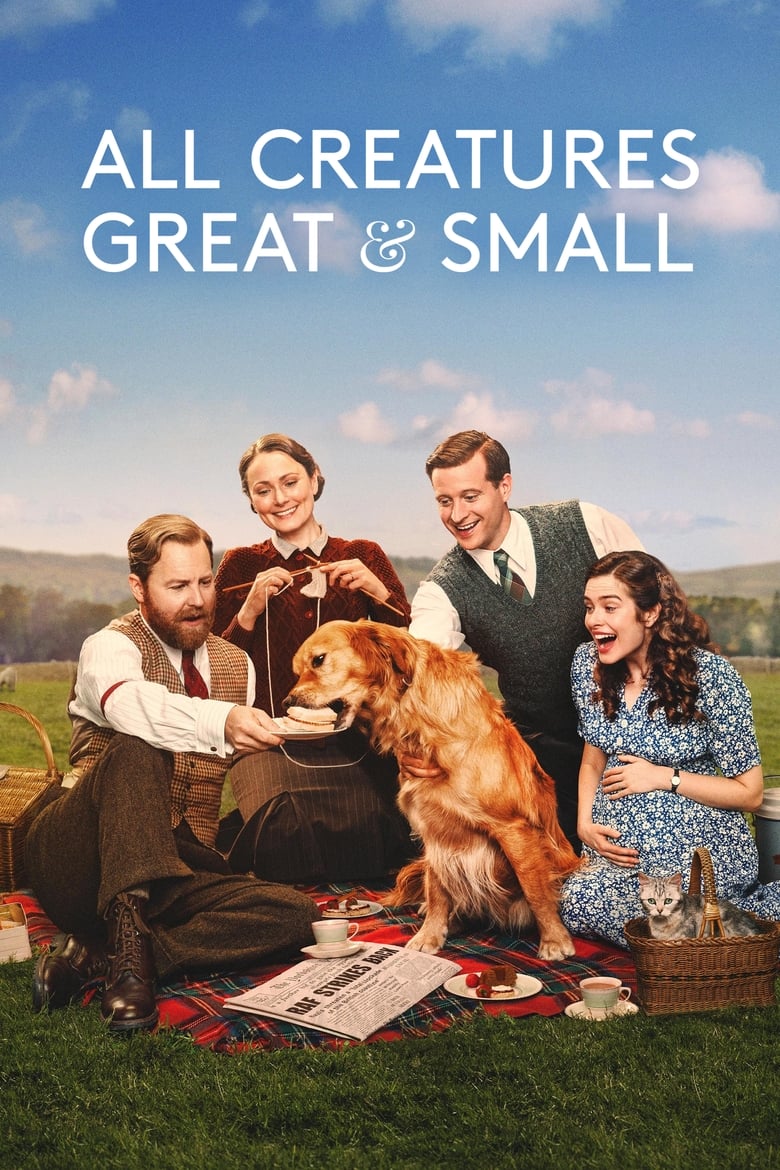
James Herriot leaves Glasgow in 1937 to work as a country vet in the Yorkshire Dales. He learns from Siegfried Farnon and works alongside Siegfried’s younger brother Tristan and housekeeper Mrs. Hall. James falls in love with farmer Helen Alderson, and they build a family while he treats animals and helps local people. The series mixes warm humor with quiet drama as the community faces marriage, children, war, and life after war. The series adds Black and South Asian characters to its mostly white cast, including the Chapman family, vet George Pandhi, and student vet Richard Carmody. The Chapmans face racist rejection of their marriage, while Carmody’s trouble reading social cues shapes stories across seasons four and five. Helen, Mrs. Hall, and Jenny receive larger parts, and season seven follows Helen’s plan to invest in new cattle. These stories add race, disability, and women’s work to its main themes of animal care, family, friendship, and community.
Community feedback
Was our 45% Woke rating accurate?
Loading review details…
Breakdown
These are the editorial factors and ratings behind our score for All Creatures Great & Small.
Woke representation / casting
The series adds the black Chapman family, South Asian vet George Pandhi and daughter Florence, and Black trainee vet Richard Carmody to its mostly white rural cast. Carmody stays in the practice through seasons four and five, and the story treats his medical skill as important. Colin Callender said racial diversity mattered to the production and that it wanted to reflect Yorkshire’s real population. These repeated roles make minority representation visible across the series.
31%
Woke political dialogue
Not present. The dialogue centers on animal care, family, and period life.
0%
Identity-driven story themes
Richard Carmody joins in season four with strong medical knowledge and trouble reading jokes, slang, and social cues. His neurodivergent traits shape several cases and his season-five departure. James and Siegfried value Carmody’s research and help him work with farmers while letting him keep his own way of speaking. His story makes acceptance of a neurodivergent person an important season arc.
34%
Western institutional / cultural critique
Showrunner Ben Vanstone said the books focus on the men and leave Helen and Mrs. Hall with fewer stories. He said he wanted to give the women more agency. Helen leads plans to buy new Friesian cows for the family farm in season seven. Her role puts a woman in charge of major farm decisions.
19%
Woke character or canon changes
Vanstone said he deliberately changed the source material to give Helen and Mrs. Hall fuller stories and more agency. Mrs. Hall gains a history as a wartime Wren and a romantic story with Siegfried. Helen gains a larger family-farm role that grows in season seven. Rachel Shenton said the books show Helen through James’s view, which she called biased.
24%
Anti-woke backlash and complaints
One Reddit post blamed woke diversity casting and strong female characters, and its thread drew hundreds of votes. A personal blog said the show had themes linked to a “woke agenda.” Two small X accounts complained about diversity, “girlboss” writing, or younger “woke” writers.
20%
Creator track record context
Vanstone has said women deserve fuller stories and more agency, and Callender said racial diversity mattered to this series. Freddy Syborn’s earlier work includes gay identity and homophobic violence. Jordan Hogg has advocated for disability inclusion in hiring. Most other listed creators have lower stored scores and limited recorded activist histories.
40%
Production

TV Show · 2019
A group of working-class friends finding unconventional ways to win at life in suburban northern England. These lads have dealt, scammed, bribed and conned their way through…

TV Show · 2022
In disguise as her friend, Ha-ri shows up to a blind date to scare him away. But plans go awry when he turns out to be her CEO — and makes a proposal.

TV Show · 2019
A paragliding mishap drops a South Korean heiress in North Korea -- and into the life of an army officer, who decides he will help her hide.

TV Show · 2020
After being bullied and discriminated because of her ugly looks, a high school girl transforms herself into a gorgeous "goddess" and quickly rises to fame after mastering the art…
TV Show · 2019
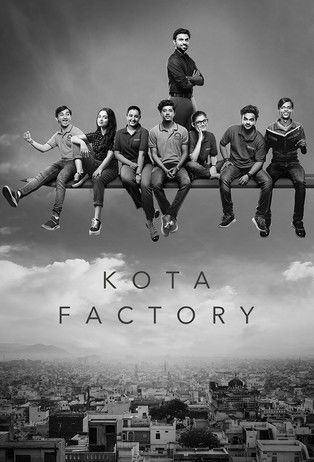
In a city of coaching centers known to train India’s finest collegiate minds, an earnest but unexceptional student and his friends navigate campus life.

TV Show · 2021
A secret life is the one thing they have in common. At school, Hori is a prim and perfect social butterfly, but the truth is she's a brash homebody.

TV Show · 2026
The mayor of a New England town resolves to turn it into the next tourist hot spot, despite local warnings that it's cursed.
TV Show · 2018
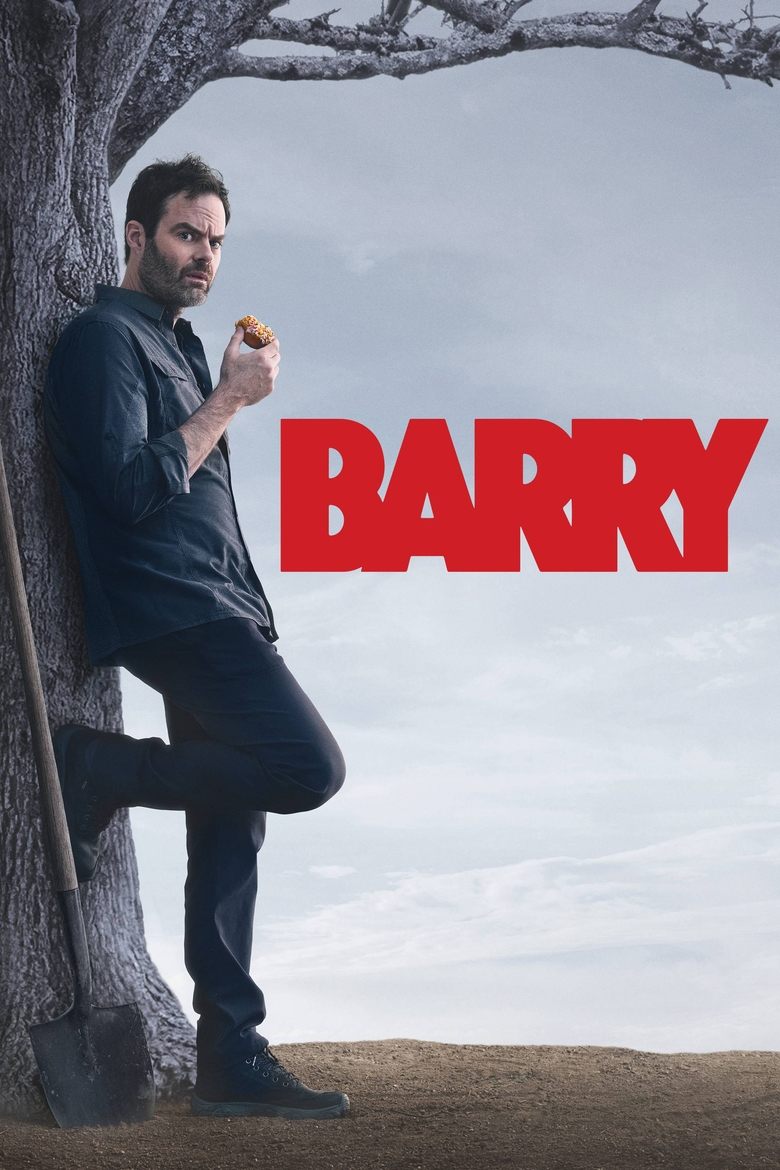
A hit man from the Midwest moves to Los Angeles and gets caught up in the city's theatre arts scene.
