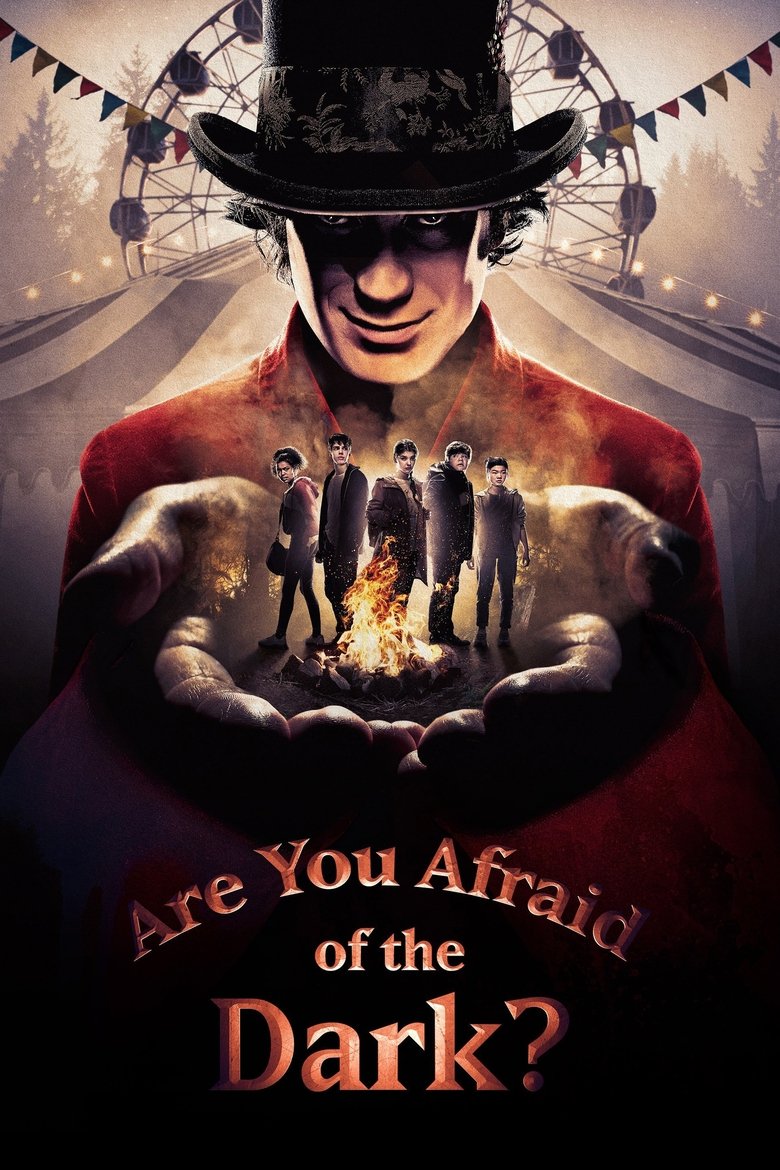

2019–2022 · Based on 3 seasons through August 13, 2022 ·
Each season follows a new group of teenagers who form the Midnight Society and tell scary stories. Those stories begin to affect their real lives as the friends face cursed places, ghosts, monsters, and secrets from the past. Season one follows Rachel as her nightmares become real after she joins the group. Season two follows teenagers who fight the Shadowman while trying to save a friend from a curse. Season three follows Kayla and her friends at a resort where they uncover a haunted Room 13. The later seasons use new casts and separate supernatural stories, while keeping the focus on friendship, fear, courage, grief, and facing the past. The show includes boys and girls, several non-white leads, and strong female characters. The girls often act as brave leaders, while the boys often serve as friends or helpers. Season three includes a confirmed male same-sex romance between Leo and Max, but that romance remains a small part of a larger ghost story. The stories also support belonging, friendship, and accepting unusual people. These themes are visible, but the show does not often use modern identity or activist politics in its dialogue. The main focus remains horror, supernatural mystery, courage, grief, and entertainment for younger viewers.
Community feedback
Was our 31% Woke rating accurate?
Loading review details…
Breakdown
These are the editorial factors and ratings behind our score for Are You Afraid of the Dark?.
Woke representation / casting
The show uses a visibly mixed group of teenage leads across its seasons. The series gives girls important leadership and heroic roles. The cast fits a modern youth adventure show, so the pattern is noticeable but not strongly focused on representation. Season three also includes a male same-sex romance.
32%
Woke political dialogue
The characters do not often discuss modern identity, DEI, or activist politics. The show includes some supportive messages about friendship and acceptance. The show does not build scenes around political speeches or slogans.
4%
Identity-driven story themes
The show often presents girls as brave, skilled, and central to the action. The stories also stress belonging, friendship, and accepting unusual people. These ideas return across the series. Horror, courage, grief, and supernatural mystery remain the main subjects.
27%
Western institutional / cultural critique
The stories sometimes show adults, rich people, or old family secrets causing harm. The show does not repeatedly attack traditional families, men, Christianity, or Western institutions through modern activist ideas.
7%
Woke character or canon changes
Not relevant. The revival changes the format and creates new Midnight Society groups, but no clear woke identity swap or major identity-based canon change is central to the series.
0%
Anti-woke backlash and complaints
A few online viewers described the reboot as forced representation or too modern. These complaints had limited reach and did not become a major campaign reported by national outlets or public officials. Most criticism focused on pacing, scares, and differences from the original.
8%
Creator track record context
JT Billings has a clear but limited LGBTQ+ writing record through Leo. BenDavid Grabinski, Jeff Wadlow, and Dean Israelite have no strong record of activist or identity-driven work. The wider creative profile centers on horror, action, comedy, and youth entertainment.
28%
Production

TV Show · 2017
A masked figure known as "The Curious" collects tales of dark magic, otherworldly encounters and twisted technology in this kids anthology series.
TV Show · 2017
Mayhem and mishaps follow young witch Mildred Hubble wherever she goes. She just can't help it! But with her friends' help, Mildred always manages to avoid disaster just in time.
TV Show · 2021
Follow a younger Patrick Star living at home with his family, where he hosts his own variety show for the neighborhood from his television-turned-bedroom.
TV Show · 2022
There's no guarding the galaxy from this mischievous toddler! Get ready as Baby Groot takes center stage in his very own collection of shorts, exploring his glory days growing up…
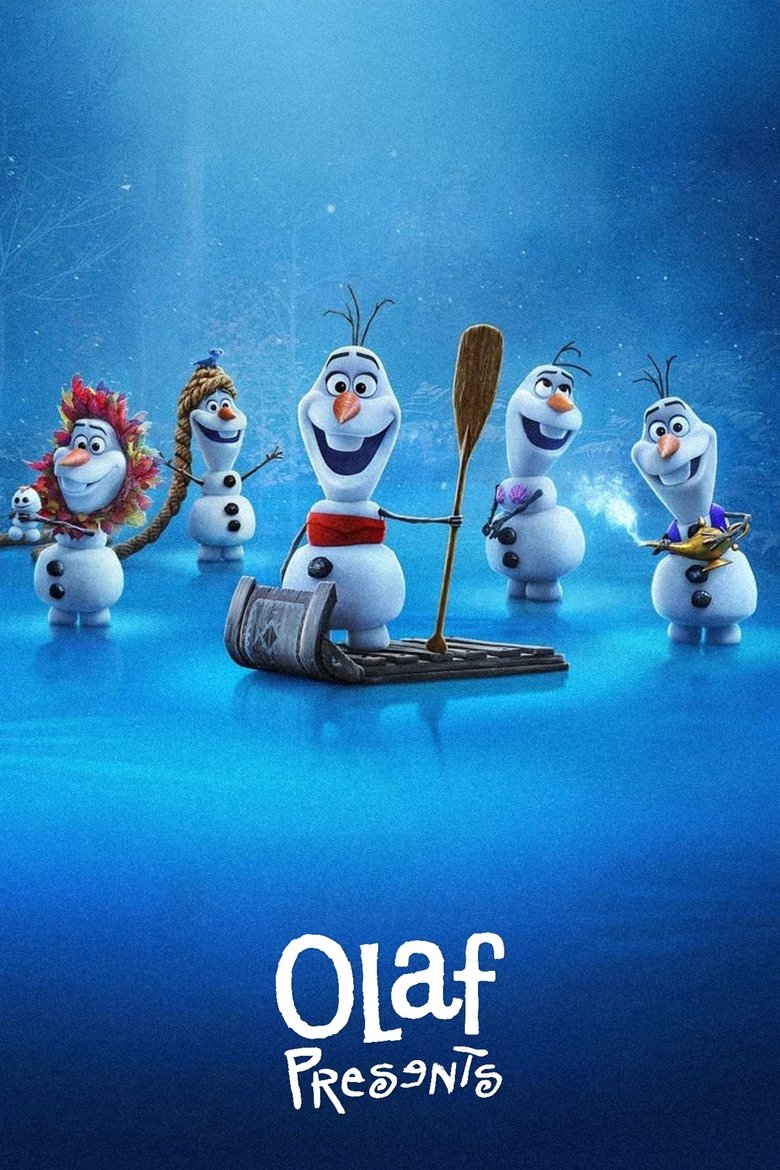
TV Show · 2021
Frozen’s beloved snowman retelling several classic Disney tales as only he can.
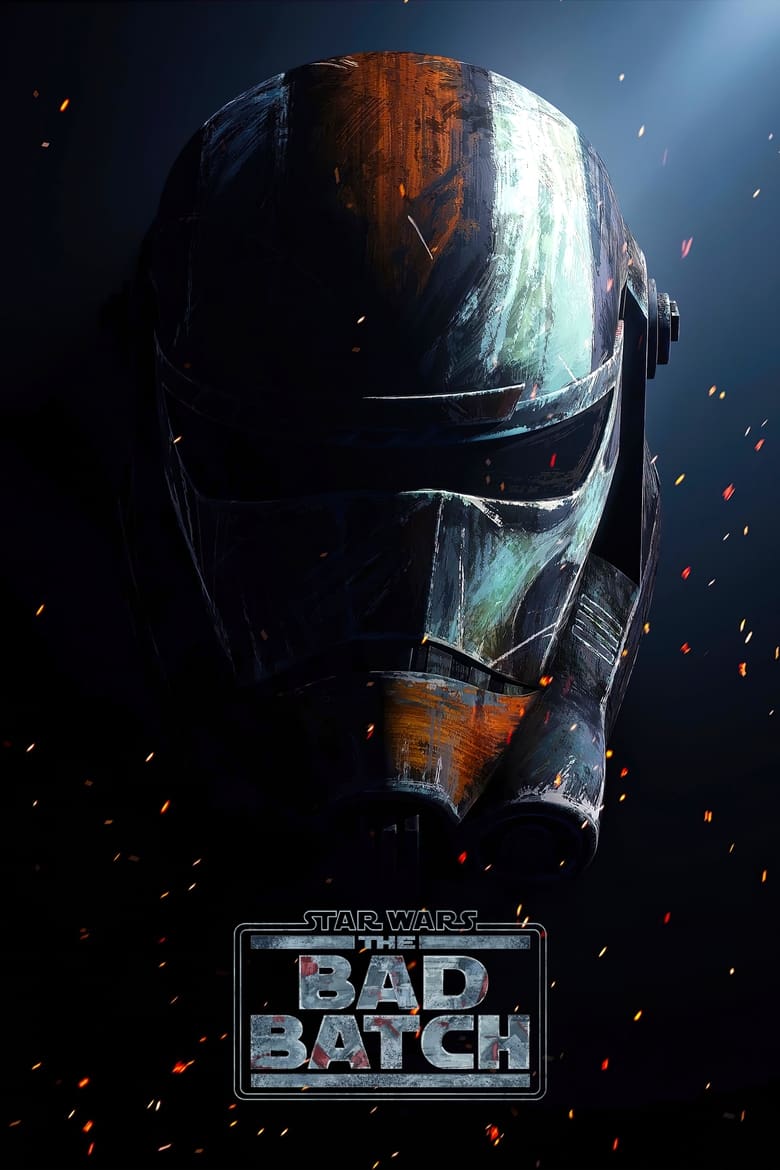
TV Show · 2021
The 'Bad Batch' of elite and experimental clones make their way through an ever-changing galaxy in the immediate aftermath of the Clone Wars.
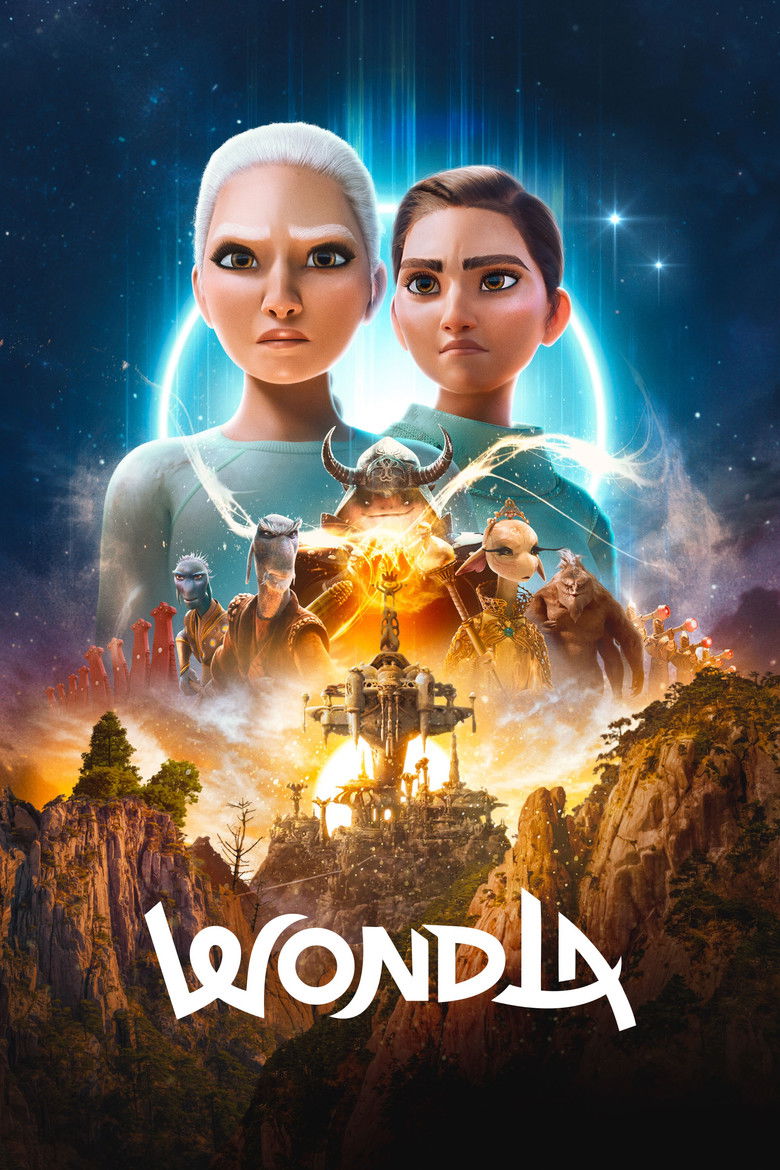
TV Show · 2024
Forced to flee her underground sanctuary for Earth’s surface, Eva discovers a world unlike anything she expected.
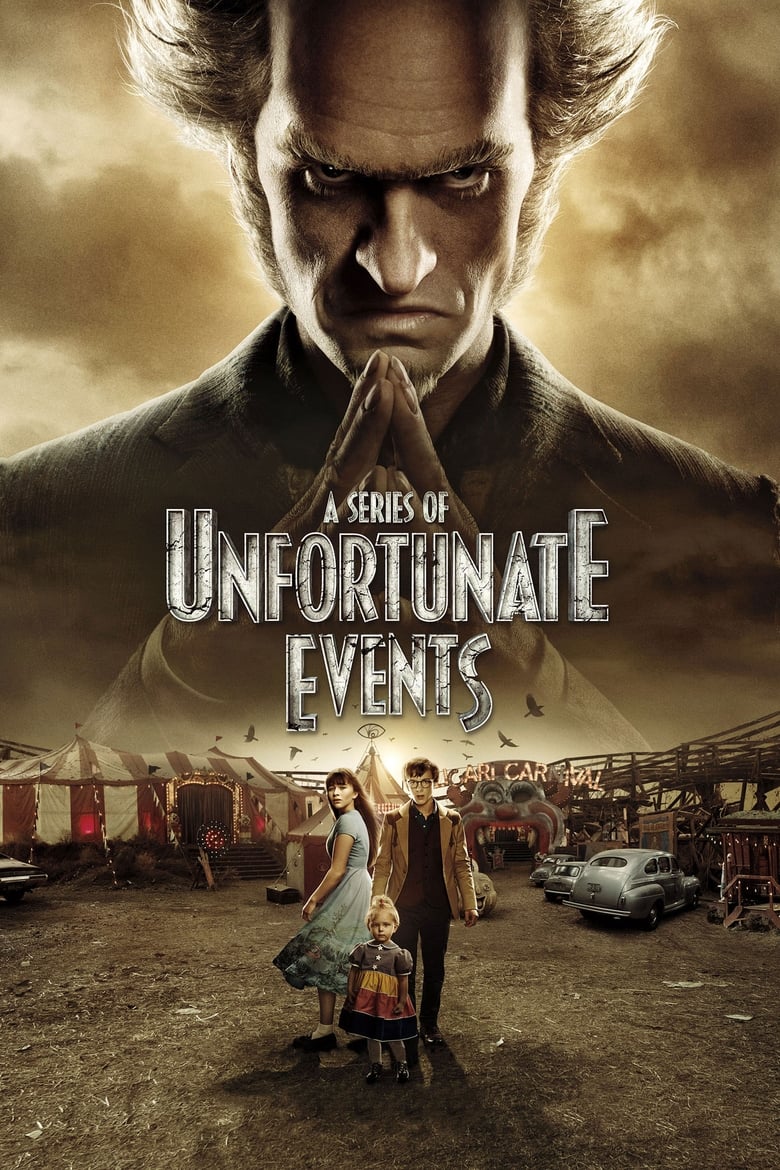
TV Show · 2017
The orphaned Baudelaire children face trials, tribulations and the evil Count Olaf, all in their quest to uncover the secret of their parents' death.
