

2025– · Based on 1 season, 10 episodes through May 15, 2025 ·
Yumeko is a gifted gambler who enters an elite private school with a secret plan to learn about her parents and seek revenge. Gambling controls the students’ status, debt, punishment, and social power. Yumeko challenges the student council while facing games built around greed, wealth, and control. The show uses a flashy and violent style, and the live action story changes the setting and parts of the characters from the Japanese manga. Viewers can see a broad cast and several women who control major games and defeat male students. The show does not present these choices as a clear message about modern politics, race, gender, or activism. The changed races, backgrounds, and roles are more noticeable than any political speech, and some fans saw them as forced diversity. The main story stays focused on gambling, revenge, personal power, greed, and unfair school rules, so the woke elements matter but do not control the whole series.
Community feedback
Was our 52% Woke rating accurate?
Loading review details…
Breakdown
These are the editorial factors and ratings behind our score for Bet.
Woke representation / casting
The series uses a broad and mixed cast in a Western private school setting. Several major roles differ in race or background from the Japanese source material. The pattern is noticeable, but the show does not mainly present itself as a diversity project. The score reflects visible casting choices without treating ordinary mixed casting as automatically woke.
38%
Woke political dialogue
The students speak about wealth, status, power, and unfair rules. The show does not use repeated speeches about race, gender, diversity programs, or modern activism. The few social comments connect to the school’s gambling system.
4%
Identity-driven story themes
Yumeko and other women are often the strongest and most dominant players. The story repeatedly gives women control of major conflicts while male students sometimes become helpers, targets, or comic figures. The main themes remain gambling, revenge, greed, and personal power. The story does not mainly focus on identity politics.
24%
Western institutional / cultural critique
The school presents wealthy leaders and unfair rules as corrupt and dangerous. The critique targets a fictional gambling system and rich students. The show does not clearly attack family life, Christianity, traditional Western culture, or conservative politics.
12%
Woke character or canon changes
The adaptation moves the story from Japan to a Western private school world and changes several source characters and their roles. The changes include race and background changes involving important characters. These choices became a major fan complaint. The show is a loose adaptation rather than a scene by scene copy.
48%
Anti-woke backlash and complaints
Some manga and anime fans complained online that Netflix forced diversity and changed Japanese characters for ideological reasons. The complaints appeared across fan forums and social media, but they did not become a major news story or organized campaign. Other viewers mainly criticized the writing and adaptation choices without using an anti-woke argument.
31%
Creator track record context
Simon Barry has a repeated pattern of female-led and socially aware projects, and his stored score is 60/100. His Warrior Nun work strongly supports a creative pattern focused on representation. The other key creators have low stored scores and no clear public activist profile. That pattern keeps the overall creator score below the high range.
48%
Production
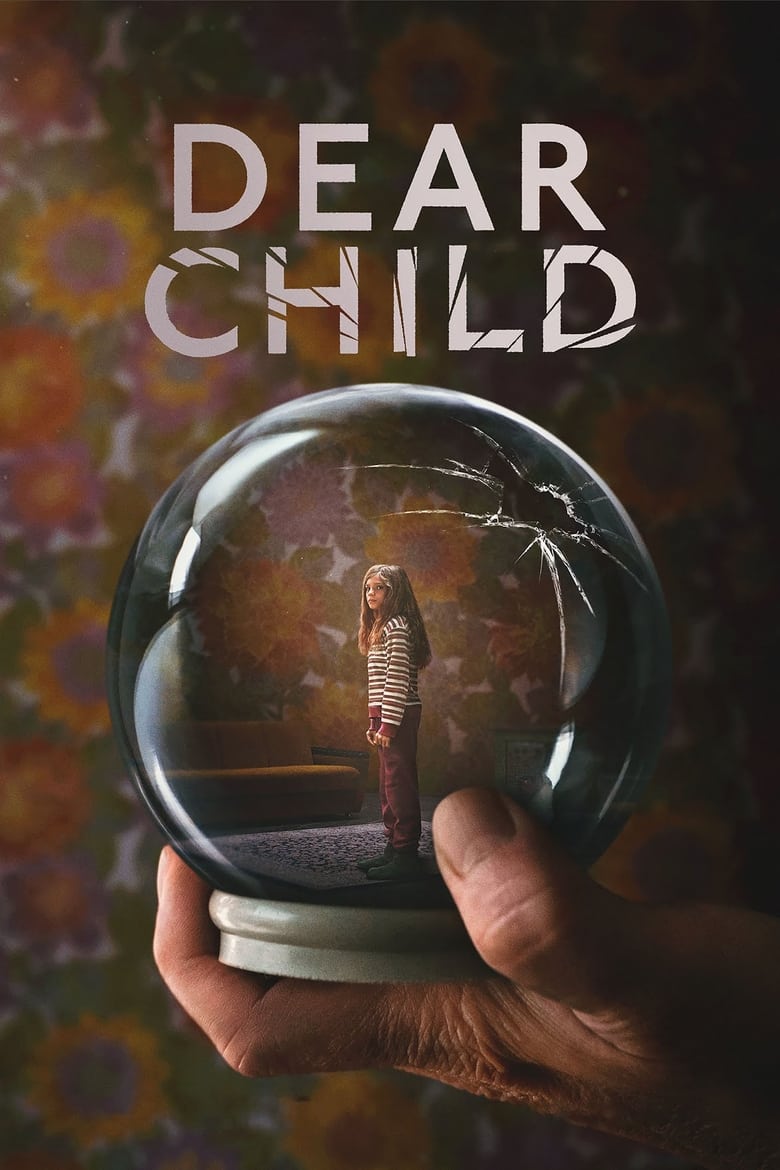
TV Show · 2023
A mysterious woman's escape from her harrowing captivity points investigators toward the dark truth behind an unsolved disappearance 13 years earlier.
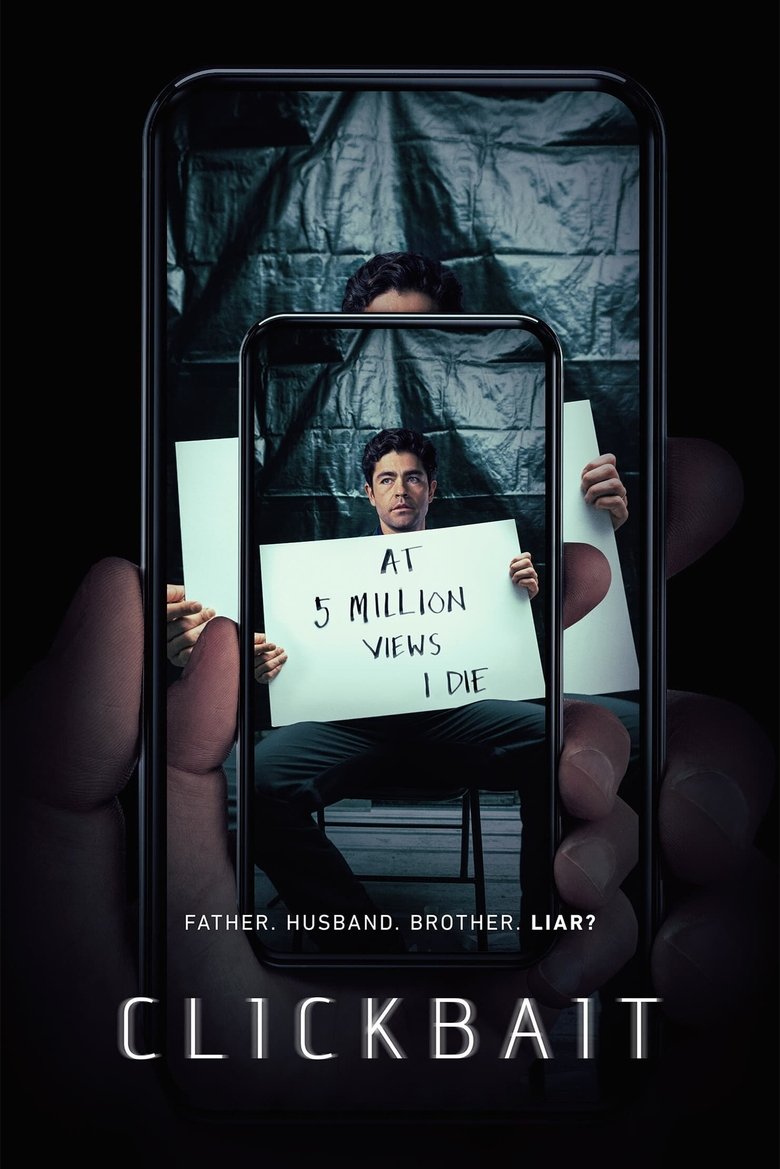
TV Show · 2021
When family man Nick Brewer is abducted in a crime with a sinister online twist, those closest to him race to uncover who is behind it and why.
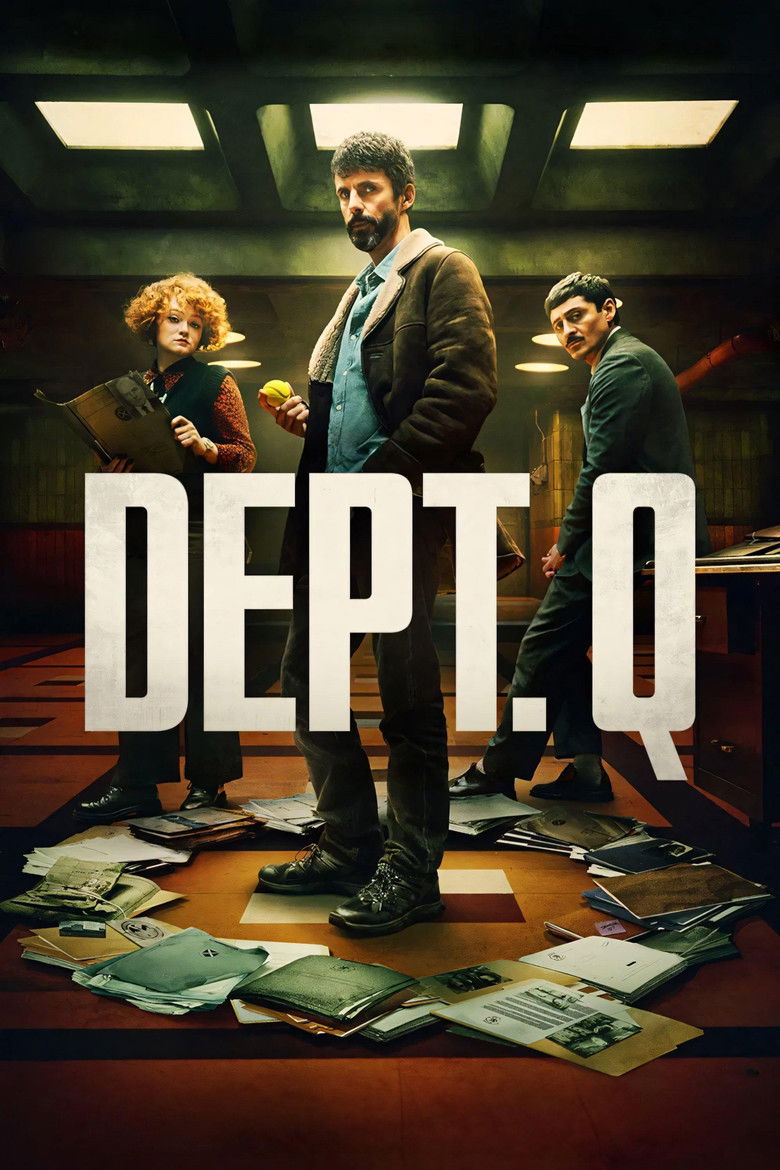
TV Show · 2025
A brash but brilliant cop becomes head of a new police department, where he leads an unlikely team of misfits in solving Edinburgh's cold cases.
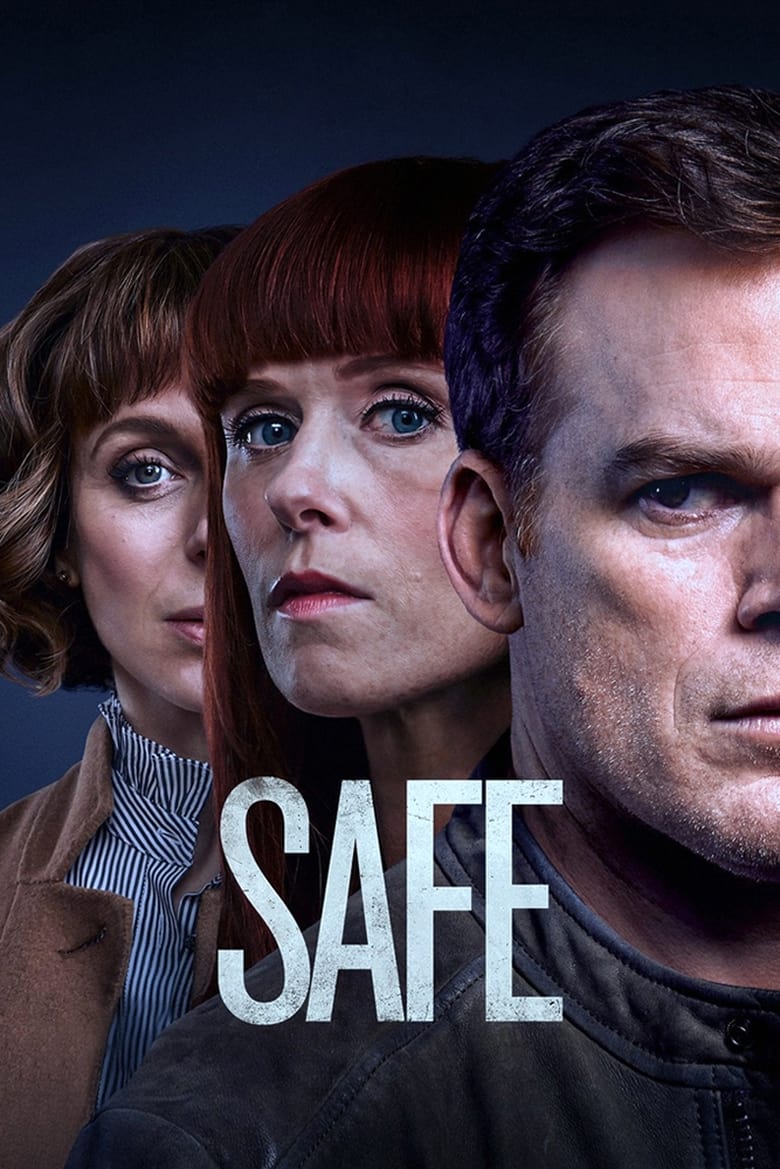
TV Show · 2018
After his daughter goes missing, a widower begins uncovering the dark secrets of the people closest to him.
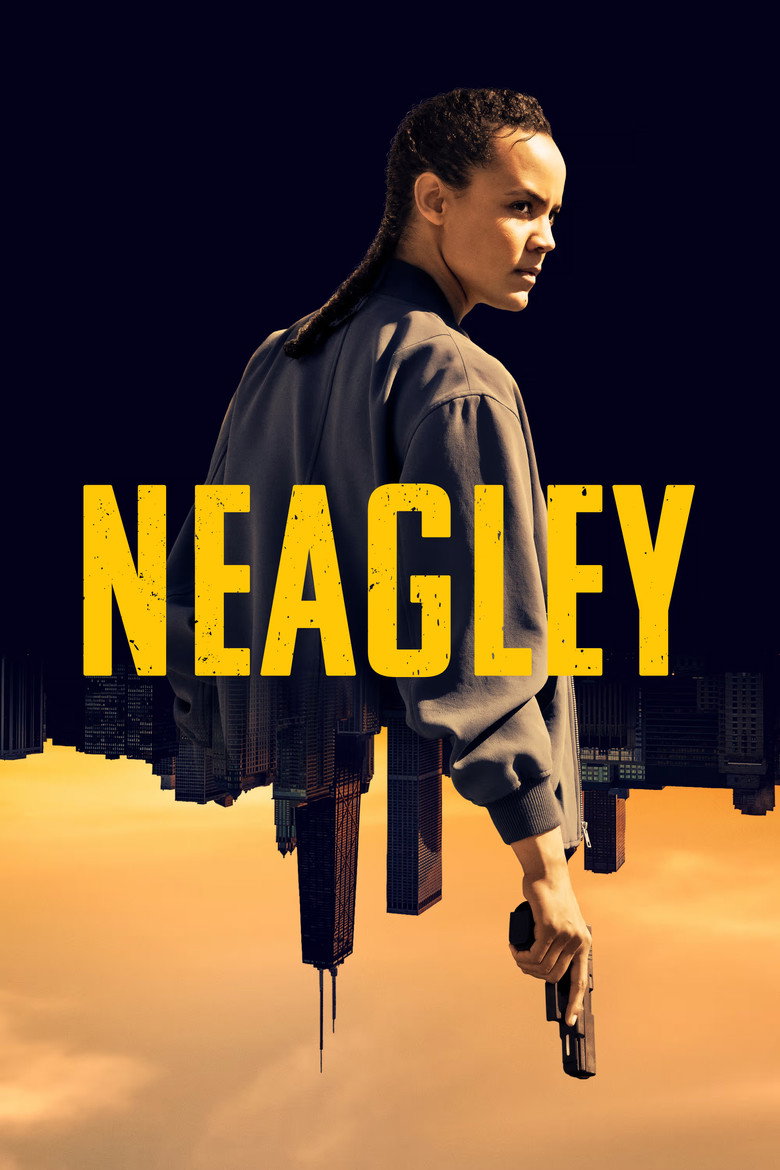
TV Show · 2026
Frances Neagley is a private investigator in Chicago and former military colleague of Jack Reacher in the Army's 110th Special Investigations Unit.
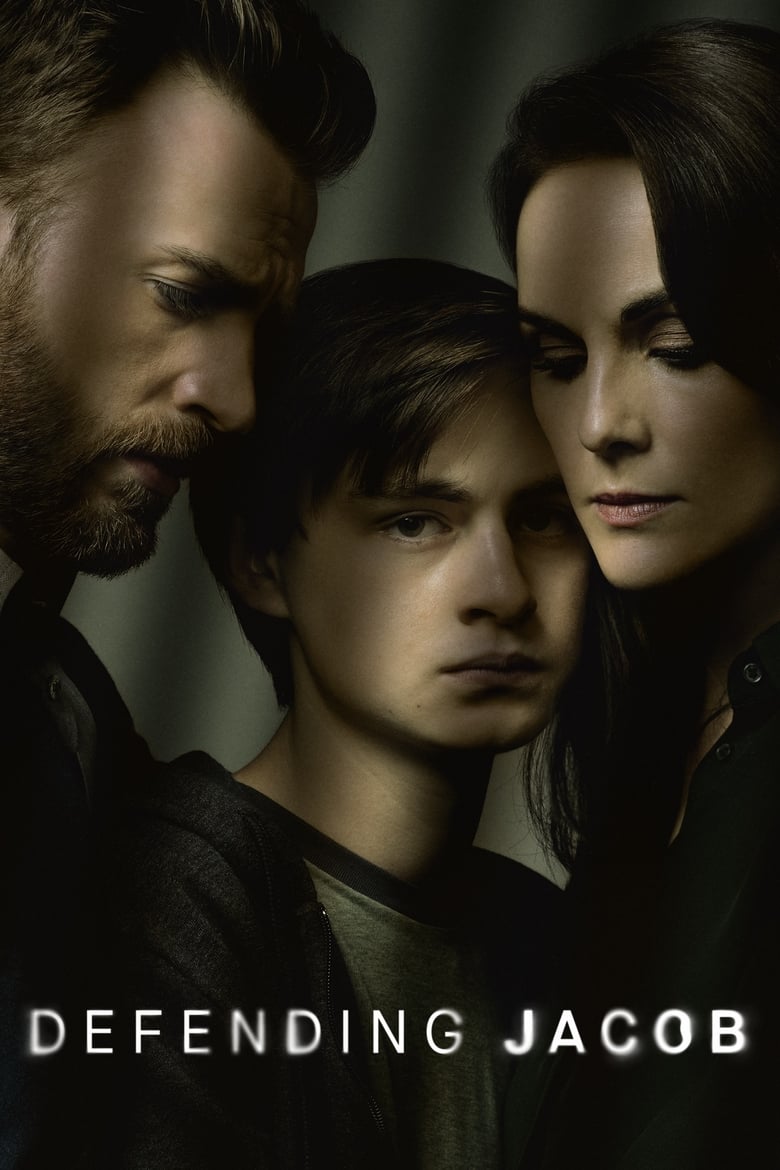
TV Show · 2020
A family's lives are irreparably disrupted when the 14-year-old son is accused of murdering a fellow classmate.
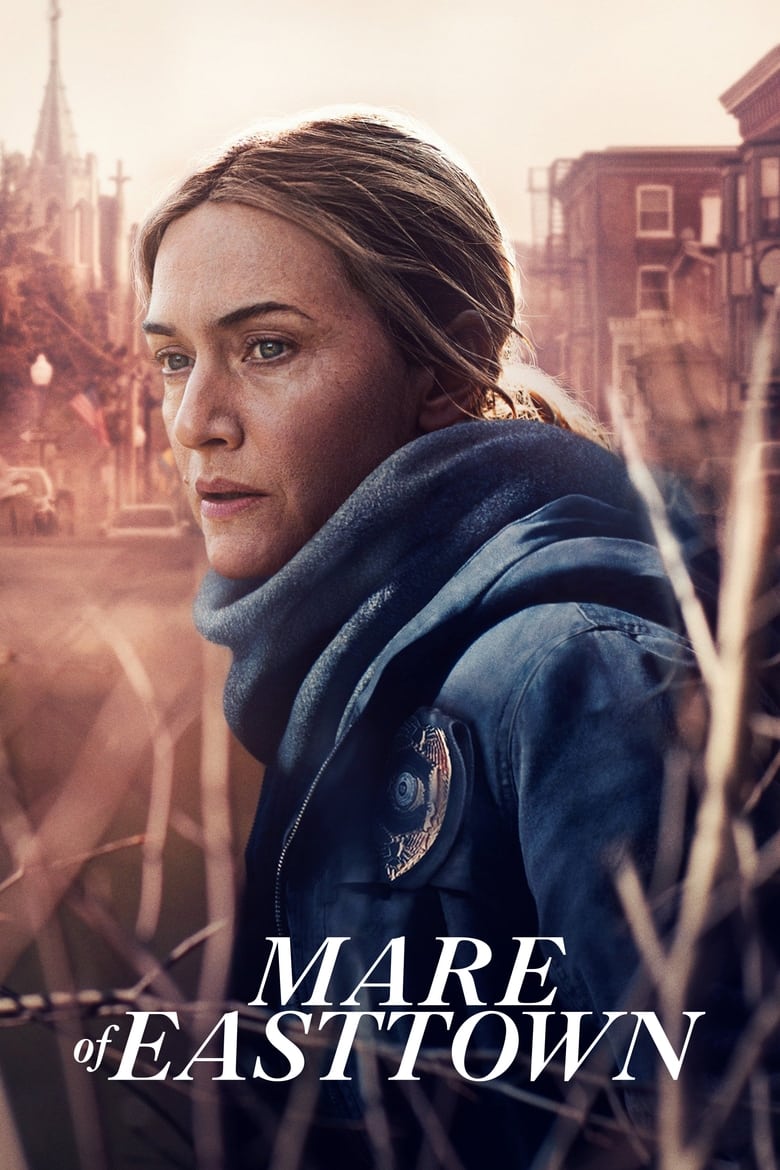
TV Show · 2021
A detective in a small Pennsylvania town investigates a local murder while trying to keep her life from falling apart.

TV Show · 2026
The dynamic between the two contrasting personalities, a seasoned cop who prefers old-school methods and a tech-savvy cop who relies on modern technology for investigations, as…
