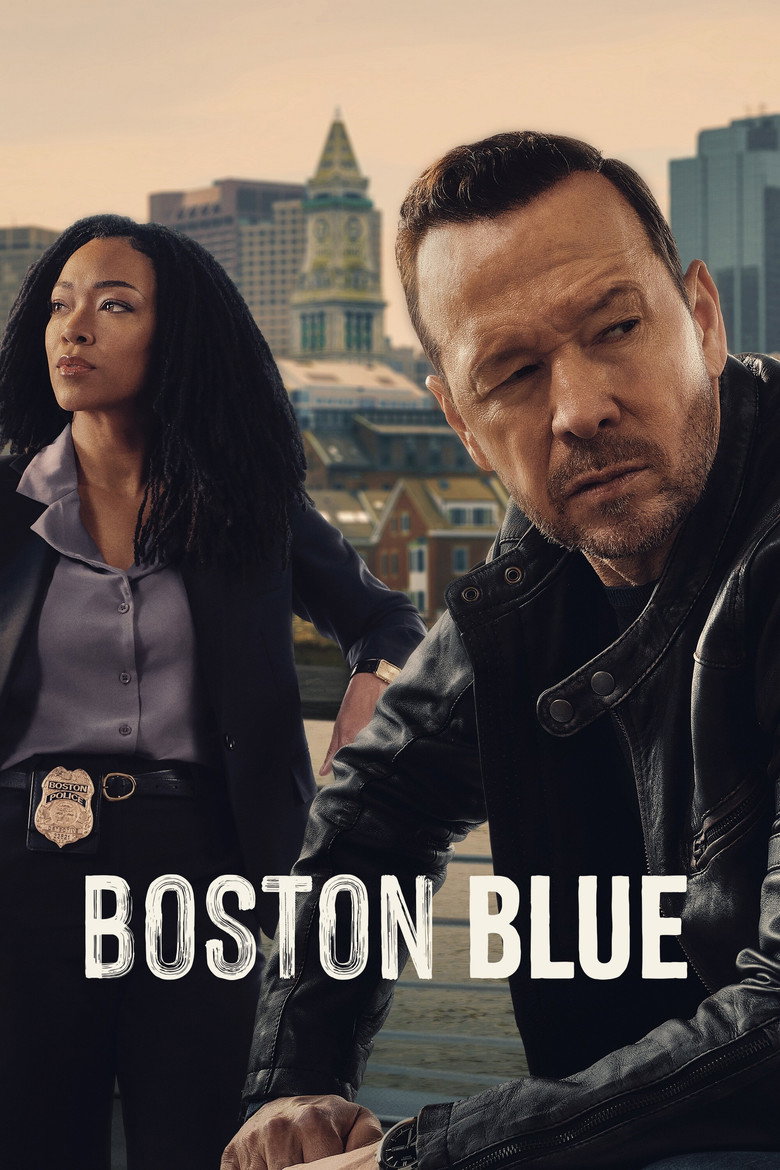

2025– · Based on 1 season, 20 episodes through May 22, 2026 ·
Boston Blue follows NYPD detective Danny Reagan after he moves to Boston to work with the Boston Police Department. He partners with Lena Silver, whose mother, sister, and brother also work in law enforcement. Danny also tries to rebuild his bond with his son Sean. The show mixes crime cases, family arguments, faith, tradition, and the rivalry between New York and Boston. The show gives major roles to a black woman detective and her multiracial law-enforcement family. Several episodes discuss racial profiling, fairness, police ethics, family power, and how people from different backgrounds work together. The women in the Silver family hold the top legal and police jobs, while male characters often need help or guidance. These themes are recurring but remain part of a police and family drama rather than the whole story.
Community feedback
Was our 73% Woke rating accurate?
Loading review details…
Breakdown
These are the editorial factors and ratings behind our score for Boston Blue.
Woke representation / casting
The Silver family places a black woman detective, a woman district attorney, and a woman police superintendent at the center of the show. The family also presents a broad mix of backgrounds and viewpoints. The lead casting is more diversity-focused than the mostly white Reagan family from Blue Bloods. The pattern is prominent across the season, but the show still presents itself mainly as a police family drama.
64%
Woke political dialogue
The family discusses racial profiling software, police ethics, fairness, and how different groups view law enforcement. These ideas appear in more than one episode and in family dinner debates. The dialogue usually serves the case or family conflict instead of stopping the story for long speeches. The political message is clear but not constant.
38%
Identity-driven story themes
The show repeatedly centers a black woman detective and her powerful family. Lena and her relatives often solve problems through cooperation across race, gender, and age lines. Several stories address being heard, unequal treatment, and family power. The identity themes matter to the series, but crime cases and family loyalty remain equally important.
49%
Western institutional / cultural critique
The show questions police methods, racial profiling, leadership, and the way institutions treat people. It also often presents women as the strongest leaders in the family. The series does not broadly attack faith, marriage, or Western culture. Its criticism stays focused on police work and family choices.
43%
Woke character or canon changes
Not relevant. Danny Reagan remains the established Blue Bloods character, and the new Boston characters are original creations rather than identity-swapped versions of known characters.
0%
Anti-woke backlash and complaints
Some Blue Bloods viewers repeatedly called the show woke, forced, or a DEI replacement. Several online discussions said the series makes women and minority characters unusually capable while weakening white male characters. The complaints spread across fan forums and review comments. No organized boycott, public-official criticism, or major national news cycle was found during the reviewed season.
32%
Creator track record context
Rebecca Perry Cutter has a strong record of queer and female-centered work. Terri Kopp and Pam Veasey have repeated records of diverse characters and social-justice themes. Those writers support a higher score, while Brandon Margolis, Brandon Sonnier, and most directors have more mixed or limited evidence of activist work. The context supports the show’s visible diversity themes.
59%
Production

TV Show · 2016
17-year-old Joshua "J" Cody moves in with his freewheeling relatives in their Southern California beach town after his mother dies of a heroin overdose.
TV Show · 2020
Picking up just days after the “Power” finale, this sequel series follows Tariq navigating his new life, in which his desire to shed his father’s legacy comes up against the…

TV Show · 2021
Facing an existential threat that could bring down the Crime Lab, a brilliant team of forensic investigators must welcome back old friends and deploy new techniques to preserve…
TV Show · 2016
Once a powerful lawyer, Billy McBride is now burned out and washed up, spending more time in a bar than a courtroom.

TV Show · 2024
Lone-wolf survivalist Colter Shaw roams the country as a “reward seeker,” using his expert tracking skills to help private citizens and law enforcement solve all manner of…
TV Show · 2019
Erica Shepherd is a brilliant former CIA operative, now known as the most notorious traitor in American history serving life in a Supermax prison.

TV Show · 2017
Eric Beaumont's crisis negotiator team is brought in to save lives and resolve the most difficult kidnap and ransom cases when no one else can.
TV Show · 2025
A small team of investigators are assembled to track down and capture the most dangerous killers our country has ever seen, all of whom have just escaped from a top-secret prison…
