
2018–2022 · Based on 4 seasons through June 10, 2022 ·
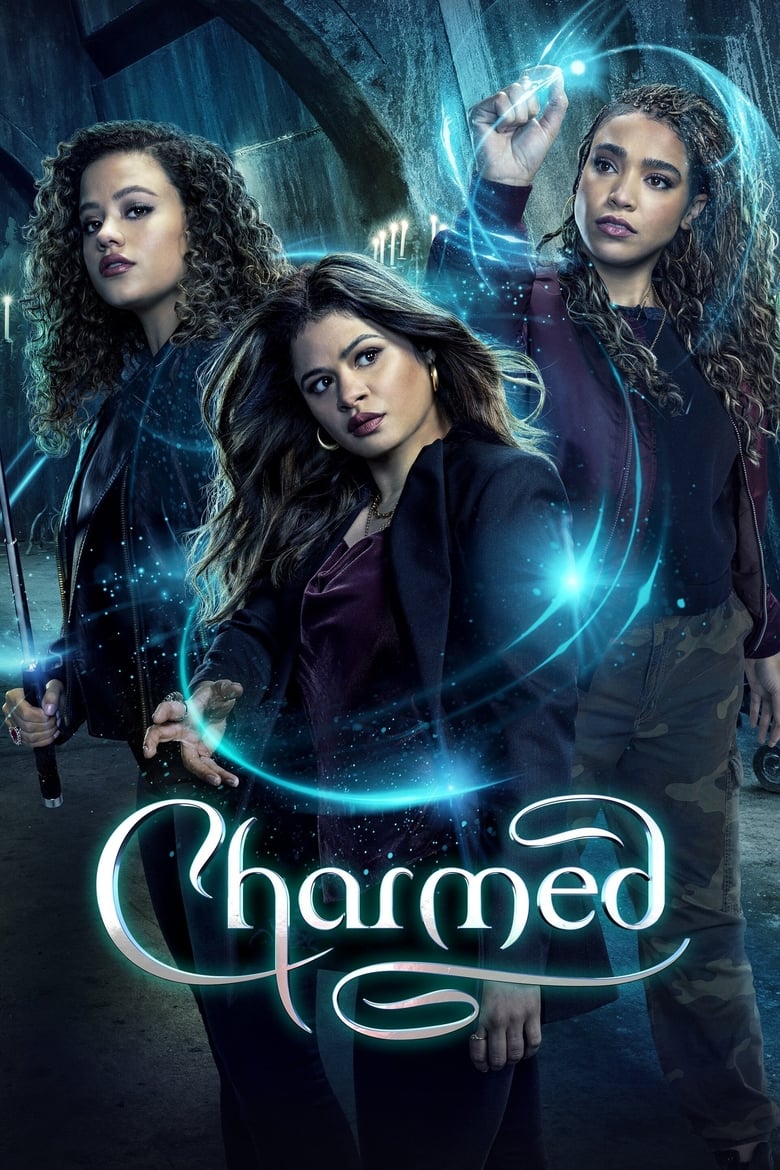
Charmed follows sisters Macy, Mel, and Maggie Vera after their mother dies and their hidden witch powers appear. The women live near Hilltowne University and use the Power of Three to fight demons, protect innocent people, and solve family secrets. Mel is an outspoken graduate student, Maggie is a social college student, and Macy is a smart scientist who doubts magic at first. The show mixes family drama, romance, horror, comedy, and fast fantasy battles. The show places modern feminism and queer identity close to the main story, especially through Mel, who is a lesbian and a women's studies student. Season 1 connects the main demon threat to sexual misconduct, consent, the Time's Up movement, and the patriarchy. The later seasons spend more time on magical groups, grief, romance, and the sisters' changing powers, but Mel's relationships and the focus on women remain visible. Season 4 adds Kaela, an artist and mechanic, as a new Charmed One who must learn to belong with the sisters.
Community feedback
Was our 95% Woke rating accurate?
Loading review details…
Breakdown
These are the editorial factors and ratings behind our score for Charmed.
Woke representation / casting
The three main leads were cast as Latina and black actresses to replace the original white cast. Additionally, Mel Vera is a prominent lesbian character whose identity is a major focus, featuring several lesbian relationships across the four seasons. Other recurring characters, such as her girlfriends Niko and Jada, also bring prominent LGBTQ+ representation to the forefront, adding strong activist diversity signaling to the casting.
82%
Woke political dialogue
Season 1 repeatedly uses lines about consent, the patriarchy, sexual harassment, and the Time's Up rally. The pilot turns a prophecy about a weak man gaining power into a reference to Trump. Harry also mentions being retweeted by Roxane Gay. Seasons 2 through 4 use less direct political talk and focus more on magic, grief, and relationships.
64%
Identity-driven story themes
Mel's lesbian identity shapes her dating stories in every season. Her activism and the sisters' fight against demons are joined to ideas about women's power, sisterhood, and breaking control by male or magical authorities. Season 3 adds a trans cousin and a trans male student. Later seasons are less focused on campus activism, but identity and women-centered power remain important.
84%
Western institutional / cultural critique
The show heavily critiques traditional structures and institutions, presenting them as corrupt and inherently biased against women and marginalized groups. Campus administrations are portrayed as complicit in sexual harassment, and the magical hierarchy ("The Elders") is depicted as an outdated, controlling patriarchal institution that the sisters must dismantle. Traditional gender roles are consistently framed as flawed, while conservative social norms are rejected in favor of progressive, activist values.
67%
Woke character or canon changes
The series changes the original white Halliwell sisters into the multiracial Vera sisters. The reboot makes Mel a lesbian and makes identity and diversity part of the main cast design. It also changes the family setup, powers, setting, and magical history. Season 4 adds Kaela as a new Charmed One after Macy dies.
86%
Anti-woke backlash and complaints
The show faced strong, persistent backlash from both fans of the original series and cultural critics who accused the reboot of pushing a forced "woke" agenda. Reviewers and social media users widely complained about "cringe-worthy" dialogue, heavy-handed feminist lecturing, and the decision to swap the original cast to prioritize identity politics. Many original fans felt the focus on modern social justice came at the expense of good storytelling and respectful adaptation.
66%
Creator track record context
Amy Rardin has a strong representation-first record and supports diverse hiring. Howard T. Owens has backed projects about gender discrimination, climate, Black excellence, and Hillary Clinton. Allyssa Lee and George Northy have recurring work about Asian identity and queer characters. Jennie Snyder Urman has a milder women-centered record, and the wider director group is mixed.
64%
Production
TV Show · 2016
A disgraced, 75-year-old ex-sheriff, whose life ends at the hands of corrupt cops, is brought back to life and given a second chance by a pair of young tech scientists, as a…
TV Show · 2017
An MIT grad student and a tech superstar bring a low-level Pentagon official a staggering discovery that an asteroid is just six months away from colliding with Earth.
TV Show · 2018
After landing from a turbulent but routine flight, the crew and passengers of Montego Air Flight 828 discover five years have passed in what seemed like a few hours.
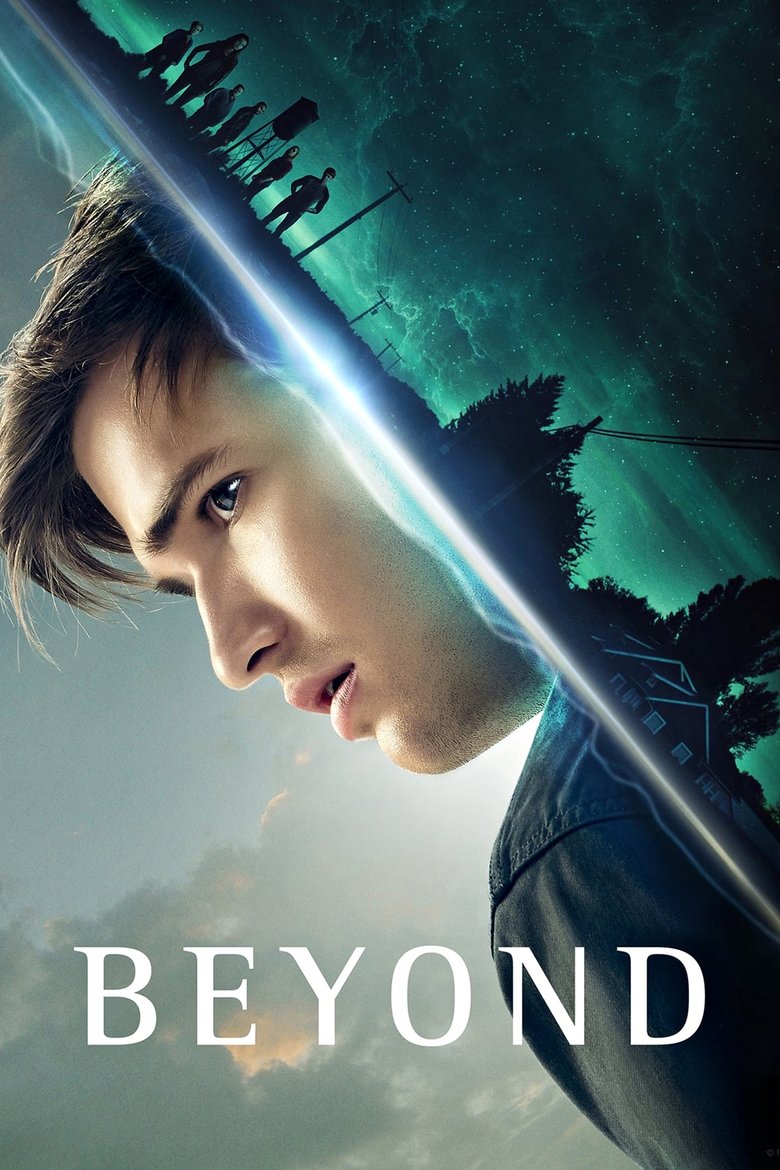
TV Show · 2017
Holden wakes up from a coma after 12 years and discovers new abilities that propel him into the middle of a dangerous conspiracy.

TV Show · 2020
Korean emperor Lee Gon tries to close the doors to a parallel world which was opened by demons; a detective tries to protect the people and the one she loves.
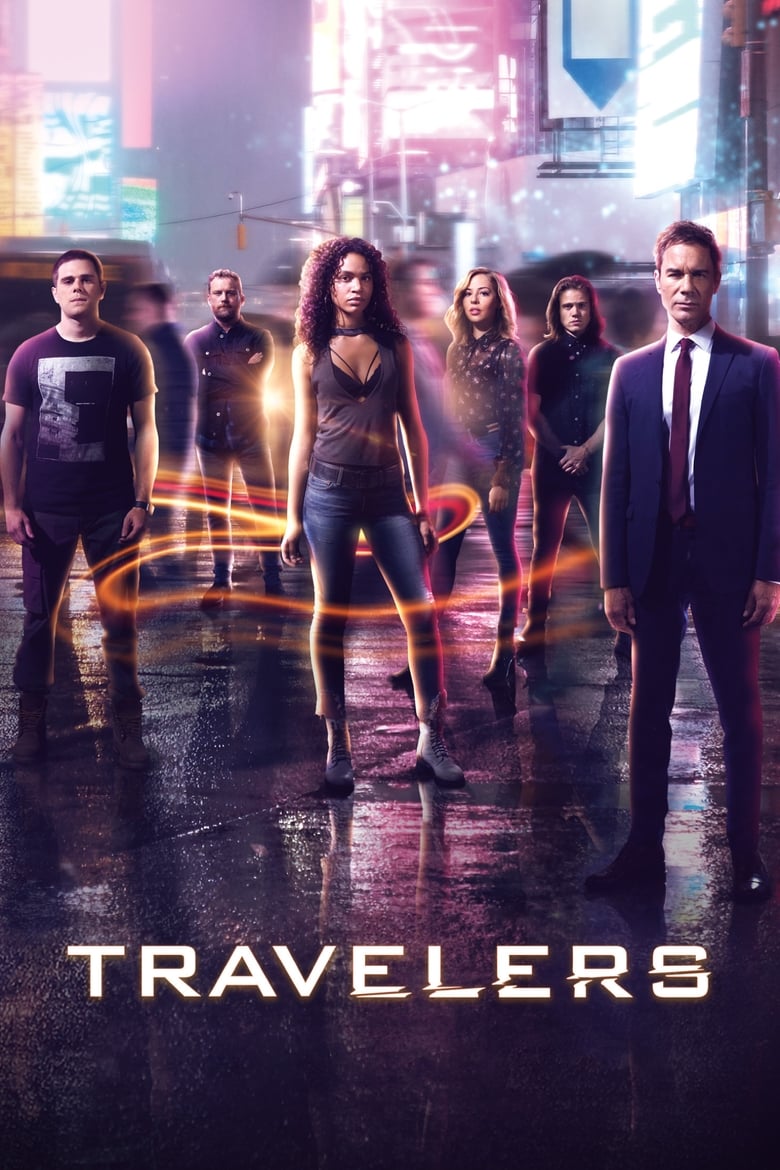
TV Show · 2016
Hundreds of years from now, the last surviving humans discover the means of sending consciousness back through time, directly into people in the 21st century.
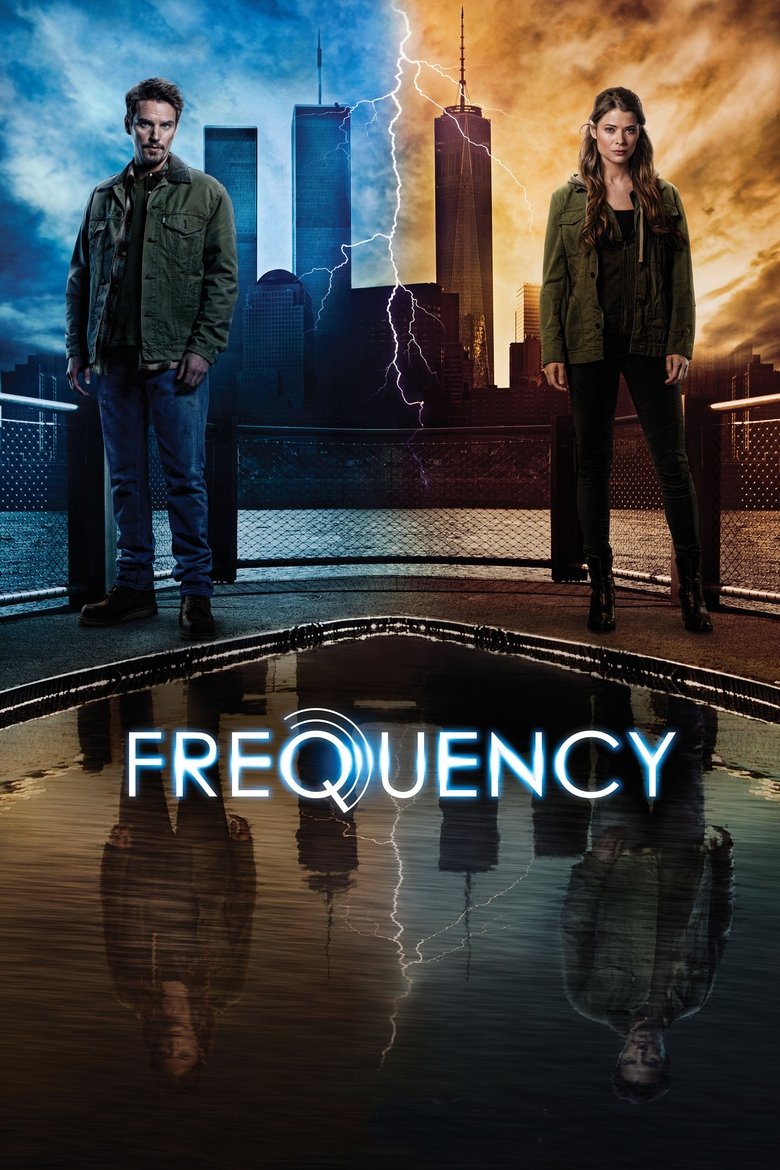
TV Show · 2016
Detective Raimy Sullivan is stunned when a voice suddenly crackles through her father’s old, long-broken ham radio – it’s Frank Sullivan, somehow transmitting over the airwaves…

TV Show · 2023
At the brink of going to hell, Yee-jae must cycle through twelve separate lives and twelve separate deaths in this reincarnation drama.
