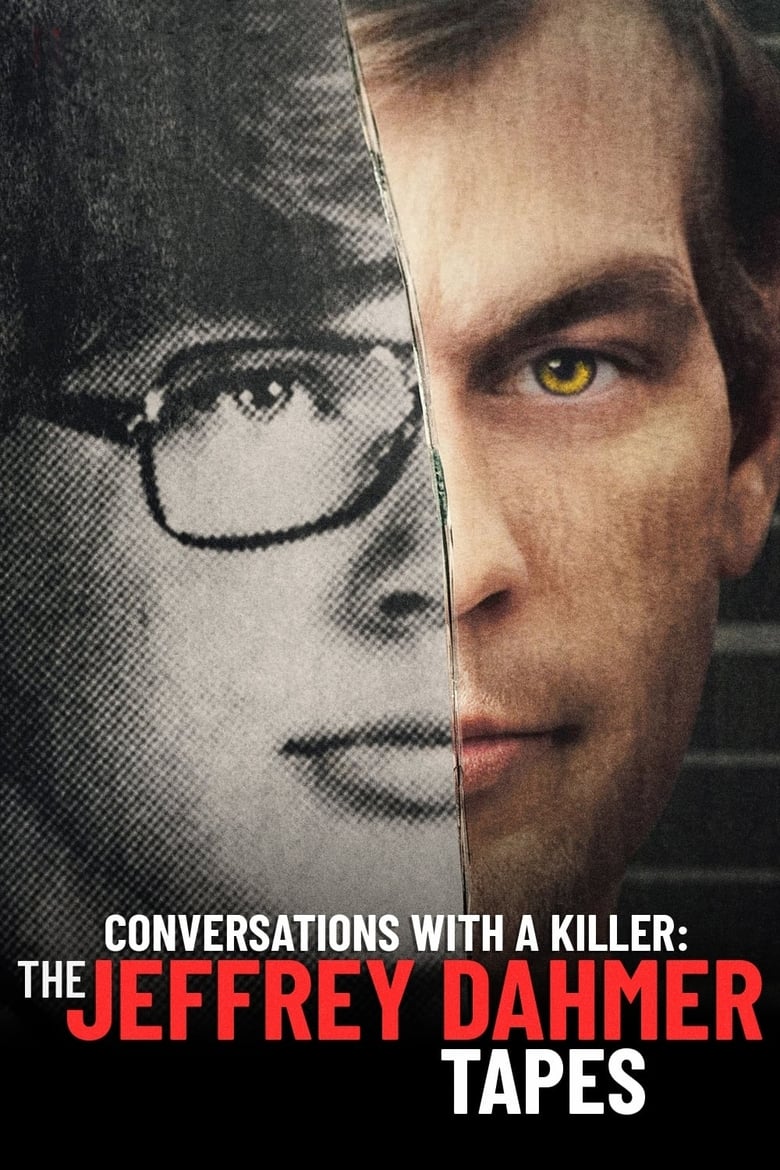

2022 · Based on 1 season, 3 episodes through October 7, 2022 ·
Jeffrey Dahmer is a serial killer who tells his defense lawyer how he murdered 17 boys and young men. The three-part documentary follows his arrest in Milwaukee in 1991, then moves through his earlier crimes, his trial, and his prison years. Lawyers, police, reporters, doctors, and people tied to the case explain what happened. The tone is cold, grim, and disturbing because Dahmer speaks in a calm voice about murder, sex, body parts, and control.
The show repeatedly links the crimes to gay bars, gay men, and boys of color. It also points to racism and bias against gay people in Milwaukee and says police and courts failed to protect some victims. The third episode asks whether Dahmer was sick or evil, while the other episodes focus more on his methods, victims, and the case record. These points matter, but the series is mainly a true-crime account built around Dahmer’s tapes and the people who investigated him.
Community feedback
Was our 38% Woke rating accurate?
Loading review details…
Breakdown
These are the editorial factors and ratings behind our score for Conversations with a Killer: The Jeffrey Dahmer Tapes.
Woke representation / casting
The show gives real defense lawyer Wendy Patrickus a central on-screen role and uses her recordings to tell the case. Berlinger highlights her female viewpoint and places her role against a patriarchal society. Her role is real and fits the case, so the identity signal is limited and does not create a broad diversity pattern.
15%
Woke political dialogue
The show discusses how homophobia and racial bias shaped police responses in Milwaukee. The interviews link those failures to the deaths of gay men and boys of color, especially Konerak Sinthasomphone. The third episode returns to law enforcement, courts, and justice. The series keeps these points tied to the case instead of turning every scene into political debate.
34%
Identity-driven story themes
The show repeatedly centers on Dahmer’s attacks on gay men and boys of color. The episodes discuss his use of gay bars, his sexual urges, and the way victims were treated after they disappeared. The series treats these facts as part of the case and its human cost, not as a call for modern identity activism. Dahmer’s crimes and mental state remain the main story.
30%
Western institutional / cultural critique
The show repeatedly questions how police, courts, probation, and prison officials handled warning signs. The interviews say homophobia and racial bias helped Dahmer keep killing after earlier police contact. The third episode makes system failure a major part of the trial and justice story. The series still spends most of its time on Dahmer’s crimes, tapes, and mental state.
38%
Woke character or canon changes
Not relevant. The show is a documentary about a real case, not an adaptation that changes established fictional characters or canon.
0%
Anti-woke backlash and complaints
Not present. No clear anti-woke backlash was found. Public debate focused on gruesome true crime, whether the series was needed, and whether Netflix gave Dahmer too much attention. The strongest identity-politics complaints in the same release period targeted the companion drama, not this documentary.
0%
Creator track record context
Joe Berlinger’s earlier work often examines wrongful convictions, police failures, and other justice problems. He said this project had social-justice reasons and linked the case to racism and homophobia in policing. His record is mainly true-crime and justice reporting, while the listed producers have little public identity-politics record.
21%
Production

TV Show · 2025
What happened in the final days of Gabby Petito's life? In this gripping true-crime series, her loved ones reveal the untold story of her tragic murder.
TV Show · 2022
This harrowing docuseries explores, a cruel conman masquerading as a British spy manipulates and steals from his victims, leaving ruined families in his wake.
TV Show · 2021
The Son of Sam case grew into a lifelong obsession for journalist Maury Terry, who became convinced that the murders were linked to a Satanic cult.
TV Show · 2019
Henry Lee Lucas rose to infamy when he confessed to hundreds of unsolved murders. This docuseries examines the truth -- and horrifying consequences.
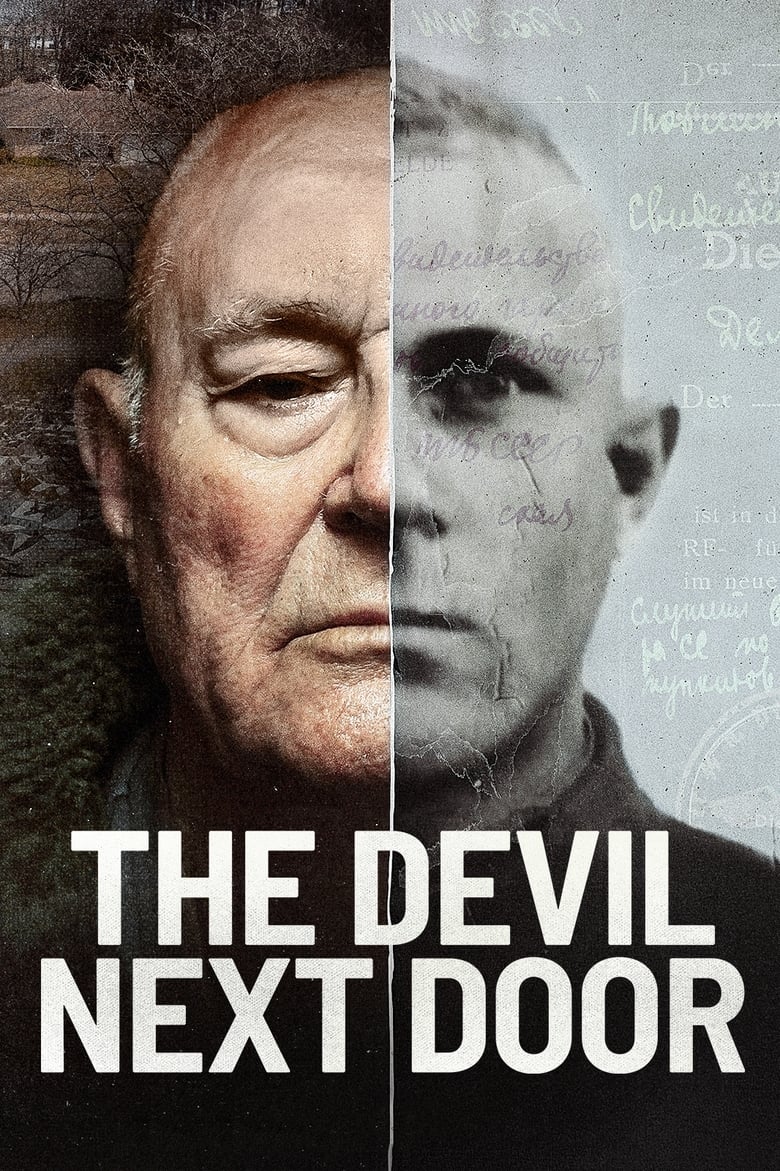
TV Show · 2019
A Cleveland grandfather is brought to trial in Israel, accused of being the infamous Nazi death camp guard known as Ivan the Terrible.
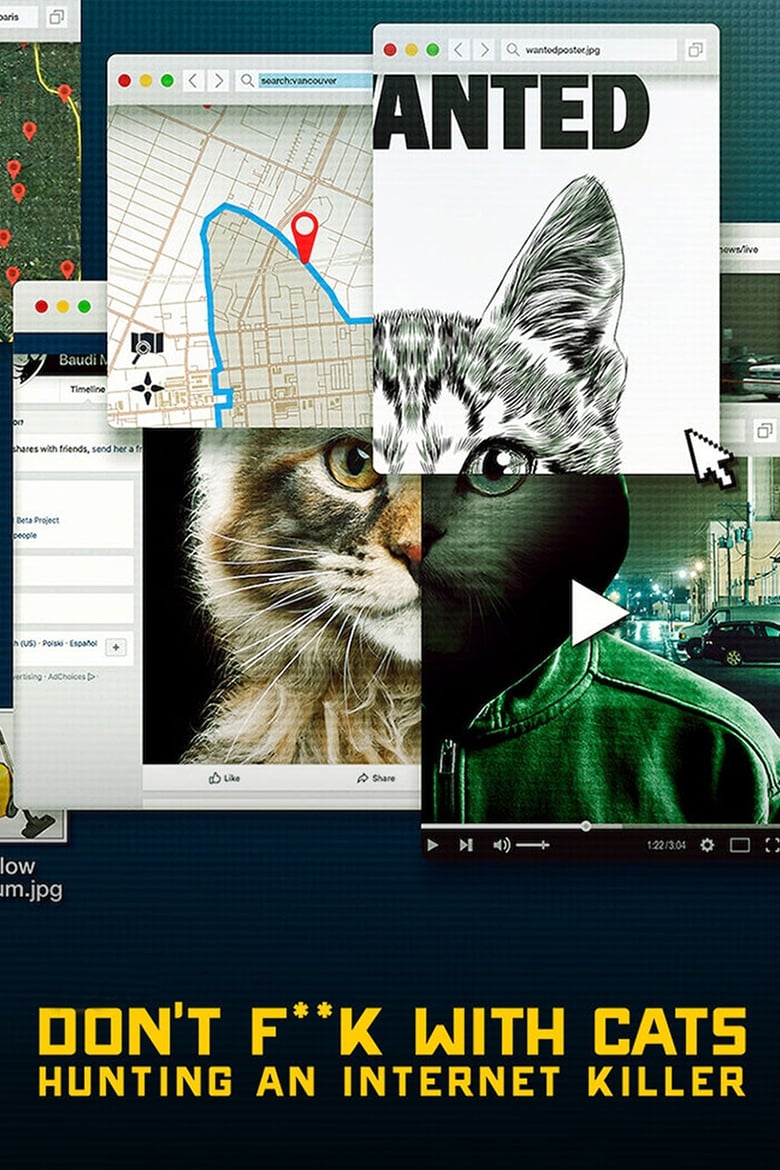
TV Show · 2019
A twisted criminal's gruesome videos drive a group of amateur online sleuths to launch a risky manhunt that pulls them into a dark underworld.
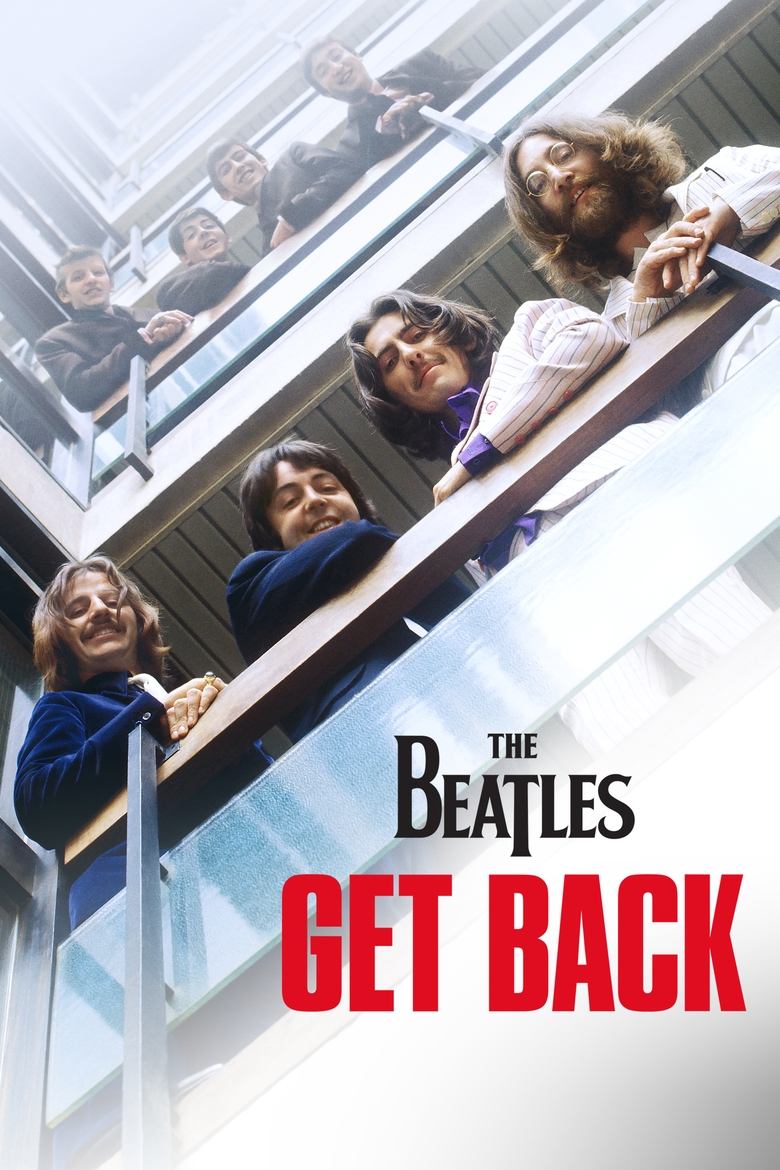
TV Show · 2021
The three-part documentary series, compiled from over 60 hours of unseen footage, captures the warmth, camaraderie, and creative genius that defined the legacy of music's most…

TV Show · 2026
RAFA retraces Nadal's remarkable journey with cinematic scope, combining testimonies from those who know him best—on and off the court—with unseen moments that reveal what lies…
