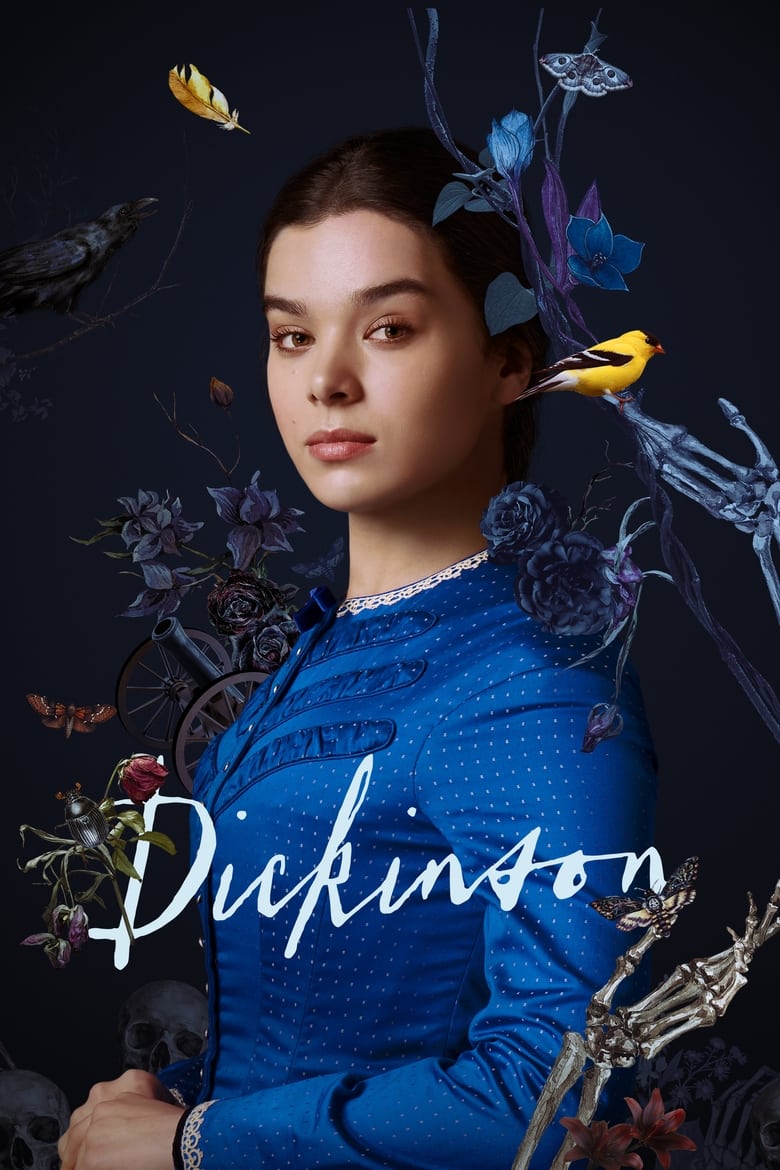

2019–2021 · Based on 3 seasons through December 23, 2021 ·
Dickinson follows a young Emily Dickinson as she tries to become a great poet in 19th-century Amherst, Massachusetts. Her family expects her to marry, obey social rules, and stay close to home. Emily fights those limits while dealing with love, grief, war, and doubts about her talent. The show uses comedy, fantasy, modern music, and sharp jokes instead of a serious historical style. The series makes Emily’s relationship with Sue, her brother’s wife, a central love story across all three seasons. It repeatedly focuses on women’s freedom, same-sex love, racial injustice, slavery, and the limits placed on women. Characters often speak in modern language about gender, marriage, power, and social change. The show also changes real historical figures into bold, modern personalities who fit its feminist and queer viewpoint.
Community feedback
Was our 96% Woke rating accurate?
Loading review details…
Breakdown
These are the editorial factors and ratings behind our score for Dickinson.
Woke representation / casting
The show places several black actors in major roles in a 19th-century New England story. Henry becomes an important black abolitionist journalist, and Sojourner Truth is played by Ziwe. The series also gives major space to queer relationships and women with strong creative or social roles. This creates a clear modern representation pattern beyond a strict historical drama.
73%
Woke political dialogue
Emily and other women often speak directly about the limits placed on women. The show uses modern words, jokes, and ideas about patriarchy, marriage, freedom, and gender roles. Season 3 also includes direct discussion of slavery, race, abolition, and the treatment of Black soldiers. The language appears across the series instead of in one short scene.
57%
Identity-driven story themes
Identity politics and queer romance are the main parts of the plot. The main story centers on the passionate romantic relationship between Emily and her sister-in-law Sue. It explores themes of hidden sexual identity, fluid attraction, and gender nonconformity. Alongside this, the show explores black identity and struggle through the stories of Henry and Betty, who run a secret abolitionist paper. The show uses its characters to explore modern ideas of feminism and LGBTQ+ liberation.
94%
Western institutional / cultural critique
The series heavily critiques traditional Western social structures. It portrays 19th-century family life, Christian values, and traditional marriage as toxic and repressive. Traditional gender roles are shown as highly flawed, and housework is ridiculed. Emily’s father represents patriarchal control and male entitlement, while her brother's traditional marriage is shown as a deeply unhappy prison. The show frames these historic settings to attack traditional conservative family norms. Season 3 also links family power, war, slavery, and unequal treatment to a wider message about social systems.
67%
Woke character or canon changes
The series turns the real Emily Dickinson into a very modern feminist rebel who openly fights social rules. It makes Emily and Sue’s debated historical closeness into an explicit long-term romance. The show also gives historical figures such as Walt Whitman and Sojourner Truth more modern, playful, and identity-focused versions. These changes are central to the show’s design.
90%
Anti-woke backlash and complaints
National Review argued that the series damages Dickinson’s legacy by making her a modern feminist and sexually fluid figure. Small accounts repeated complaints about woke writing, queer romance, and modern slang. The complaints had little reach and did not lead to a major campaign. The backlash is real but limited and mostly fringe.
30%
Creator track record context
Several key creators have strong records tied to feminist, queer, racial, or social-justice stories. Ziwe is known for work about race and identity politics. Lynn Nottage, Silas Howard, Stacie Passon, and Darlene Hunt have repeated links to feminist or LGBTQ+ storytelling. Their backgrounds support the show’s clear identity-focused direction.
79%
Production
TV Show · 2016
Set nearly a decade after the finale of the original series, this revival follows Lorelai, Rory and Emily Gilmore through four seasons of change.
TV Show · 2019
In a city of coaching centers known to train India’s finest collegiate minds, an earnest but unexceptional student and his friends navigate campus life.

TV Show · 2019
A paragliding mishap drops a South Korean heiress in North Korea -- and into the life of an army officer, who decides he will help her hide.

TV Show · 2023
The lives of a realtor, a plumber and a former tennis star unexpectedly collide, exposing America’s obsession with true crime, murder and the slow-close toilet seat.
TV Show · 2020
After being bullied and discriminated because of her ugly looks, a high school girl transforms herself into a gorgeous "goddess" and quickly rises to fame after mastering the art…

TV Show · 2018
When his secretary unexpectedly quits, an arrogant executive will do anything to bring her back.
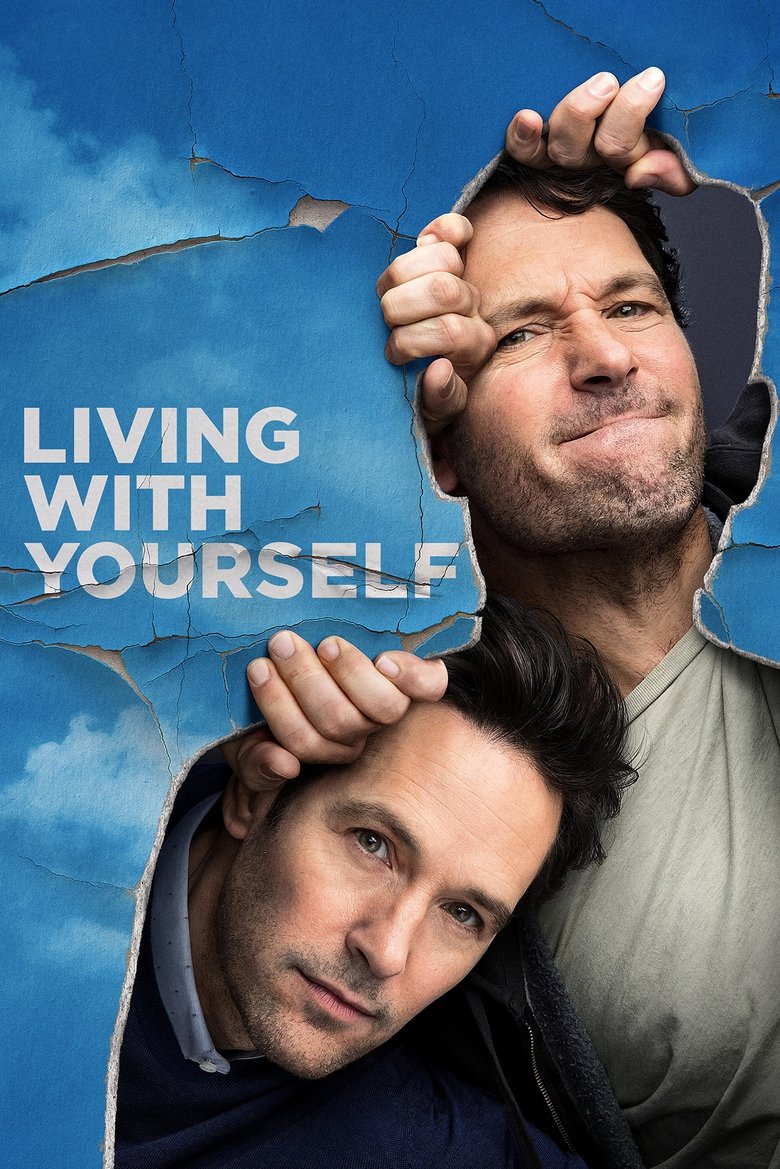
TV Show · 2019
Burned out on life, Miles undergoes a strange procedure at a strip mall spa -- and wakes to find he's been replaced by a better version of himself.

TV Show · 2019
To win back his ex-girlfriend, a nerdy teen starts selling ecstasy online out of his bedroom -- and becomes one of Europe's biggest dealers.
