
2024– · Based on 2 seasons through April 24, 2026 ·
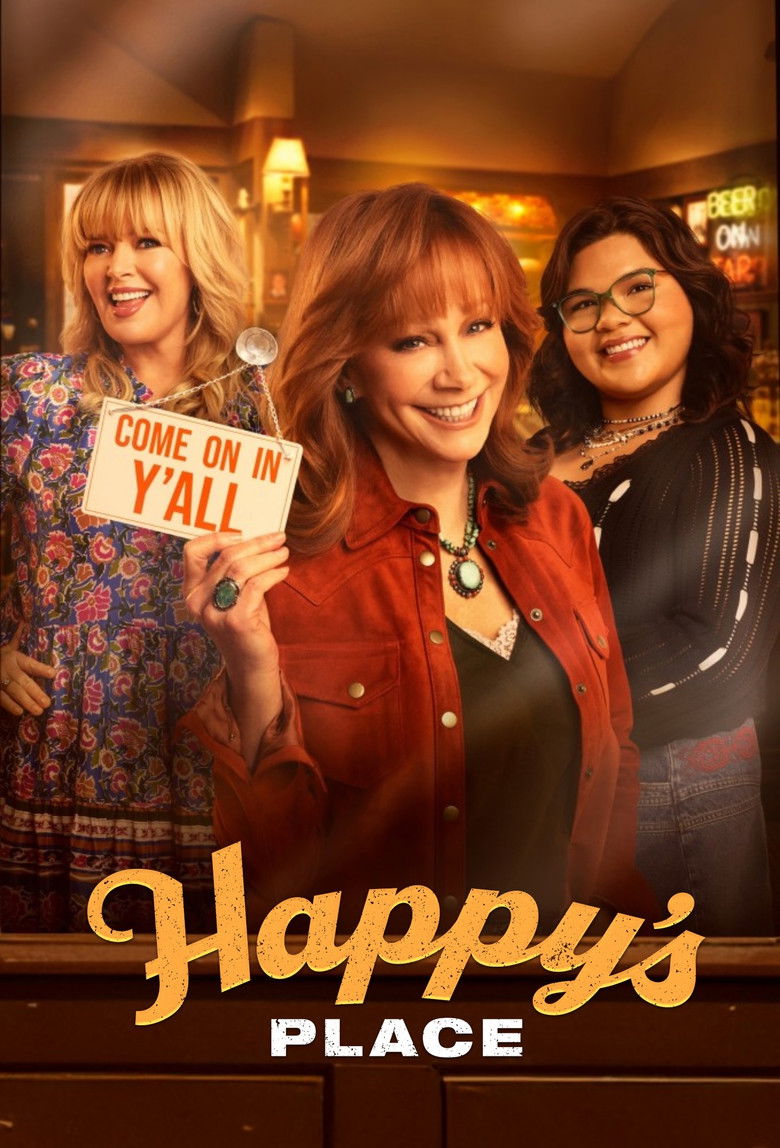
Happy's Place follows Bobbie, a tough woman who inherits her late father's tavern in Knoxville, Tennessee. She learns that her father had another daughter, Isabella, and that they must share the business. The sisters come from different generations and family backgrounds. The show uses warm jokes, family fights, romance, and workplace problems. The main identity focus is the bond between two sisters from different ethnic backgrounds. The show also follows Gabby's choice to become a mother through a sperm donor without a husband. Women often lead the business and solve problems, while the men mostly support the group or provide jokes. These themes appear often, but the show remains a gentle family sitcom instead of an activist drama.
Community feedback
Was our 38% Woke rating accurate?
Loading review details…
Breakdown
These are the editorial factors and ratings behind our score for Happy's Place.
Woke representation / casting
The show gives major roles to a Mexican American woman, a Colombian man, and a native American man in a Tennessee tavern. The launch coverage also highlighted the multicultural cast as a point of interest. The group is diverse, but it does not look like a highly engineered representation-first cast.
35%
Woke political dialogue
The show has occasional modern discussion of women, dating, and choosing motherhood. The dialogue does not regularly promote DEI, activist politics, or identity slogans. The political message stays weak and secondary to the comedy.
8%
Identity-driven story themes
The show repeatedly centers women managing work, family, dating, and personal choices. Gabby’s continuing sperm-donor and motherhood story is a clear modern family theme. Bobbie and Isabella’s different ethnic backgrounds also shape their family conflict. These ideas recur, but the main story remains a light workplace and family comedy.
38%
Western institutional / cultural critique
The show sometimes questions old ideas about women needing men or traditional family paths. It does not attack churches, Western institutions, conservative politics, or men as a broad group. The criticism is limited to dating and family situations.
12%
Woke character or canon changes
Not relevant. The series is an original sitcom and does not change established characters, historical figures, or source material.
0%
Anti-woke backlash and complaints
Not present. Searches found no meaningful complaint that the show pushes woke, DEI, or identity-politics messaging. Some viewers criticized the writing or disliked characters, but that is not anti-woke backlash.
0%
Creator track record context
Cristela Alonzo, Brittany Ann Miller, and Helen Fernandez add a clear representation-focused signal to the creative team. Reba McEntire also has socially liberal views, while Kevin Abbott and several other writers have little woke history. The creator context supports a moderate score, but it is stronger than the show's direct political content.
42%
Production

TV Show · 2018
Lifelong best friends Alexa and Katie are eagerly anticipating the start of their freshman year of high school.
TV Show · 2016
Maya DiMeo is a mom on a mission who will do anything for her husband, Jimmy, and kids Ray, Dylan, and JJ, her eldest son with special needs.
TV Show · 2021
Follow Jeremy Clarkson as he embarks on his latest adventure, farming. The man who on several occasions claims to be allergic to manual labour takes on the most manually labour…
TV Show · 2025
As Christmas approaches, a blundering-all-the-way dad juggles housesitting a posh London penthouse with an unexpected pickle: caring for a lost baby.

TV Show · 2017
The early life of child genius Sheldon Cooper, later seen in The Big Bang Theory.
TV Show · 2016
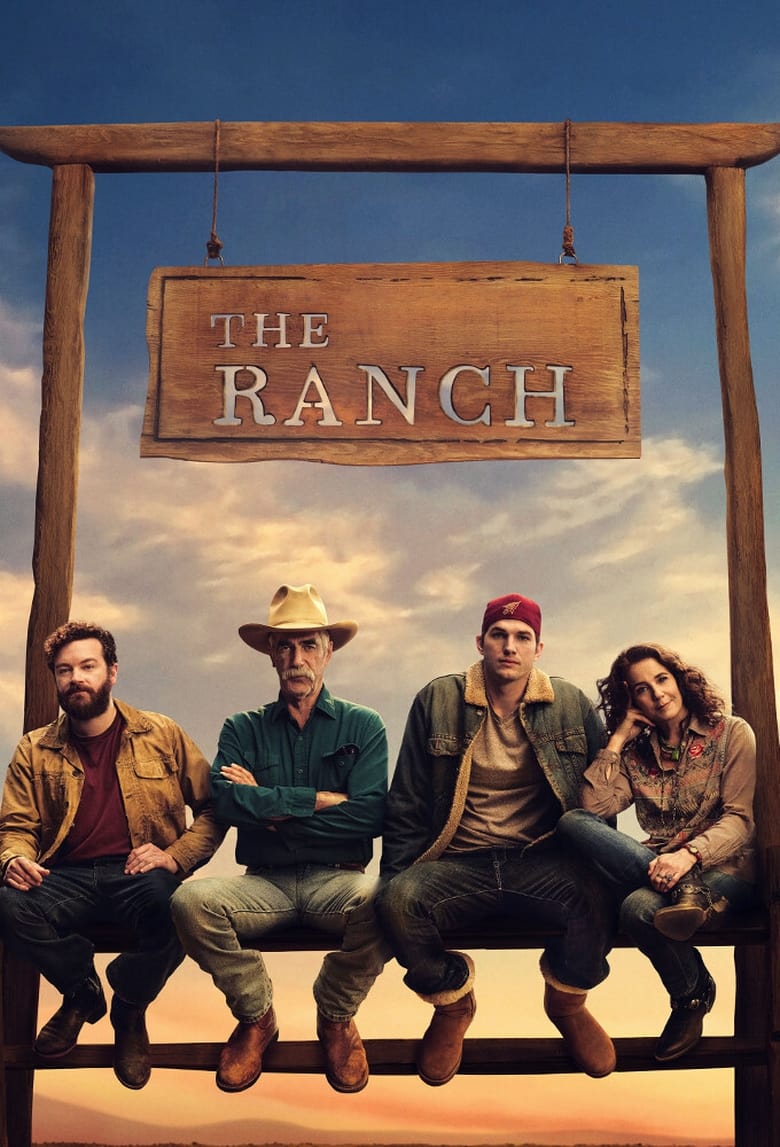
Being a pro athlete didn't pan out for Colt. Now he's helping his dad and brother keep the ranch afloat, and figuring out how he fits into the family.
TV Show · 2024
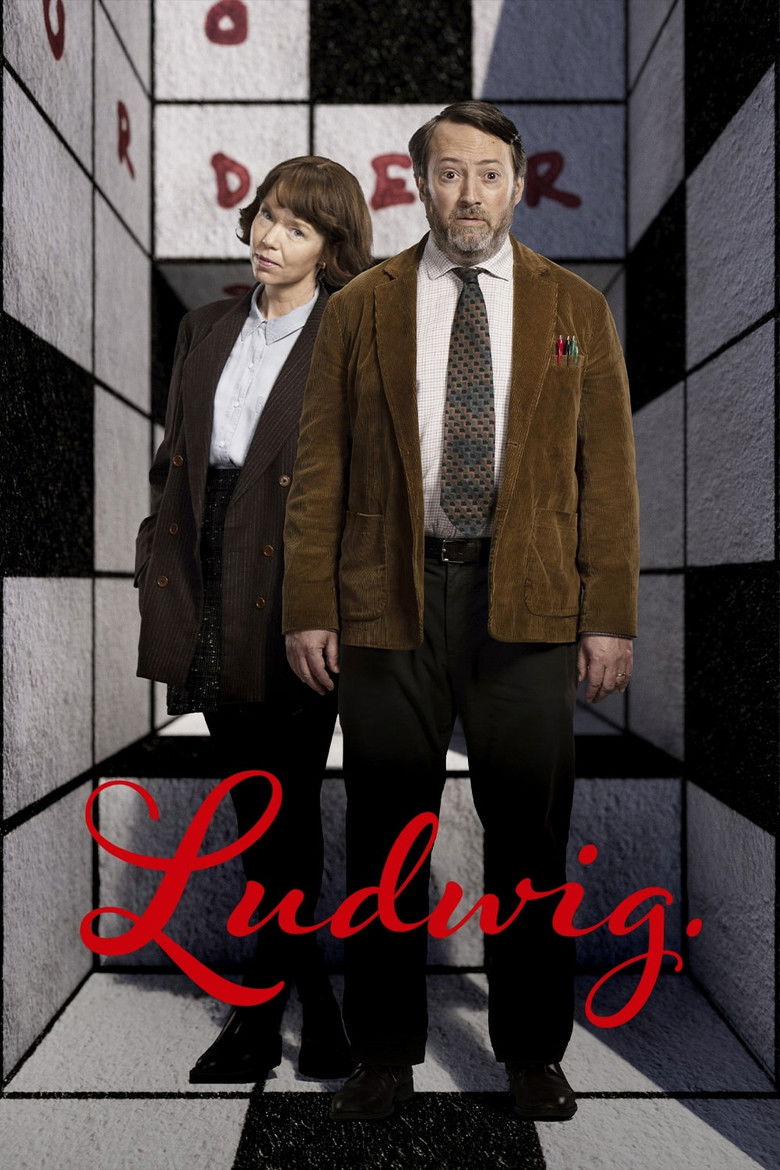
John Taylor lives in quiet solitude, designing puzzles for a living, under the nom-de-plume of 'Ludwig'. When his identical twin, James, disappears off the face of the earth, John…
TV Show · 2020
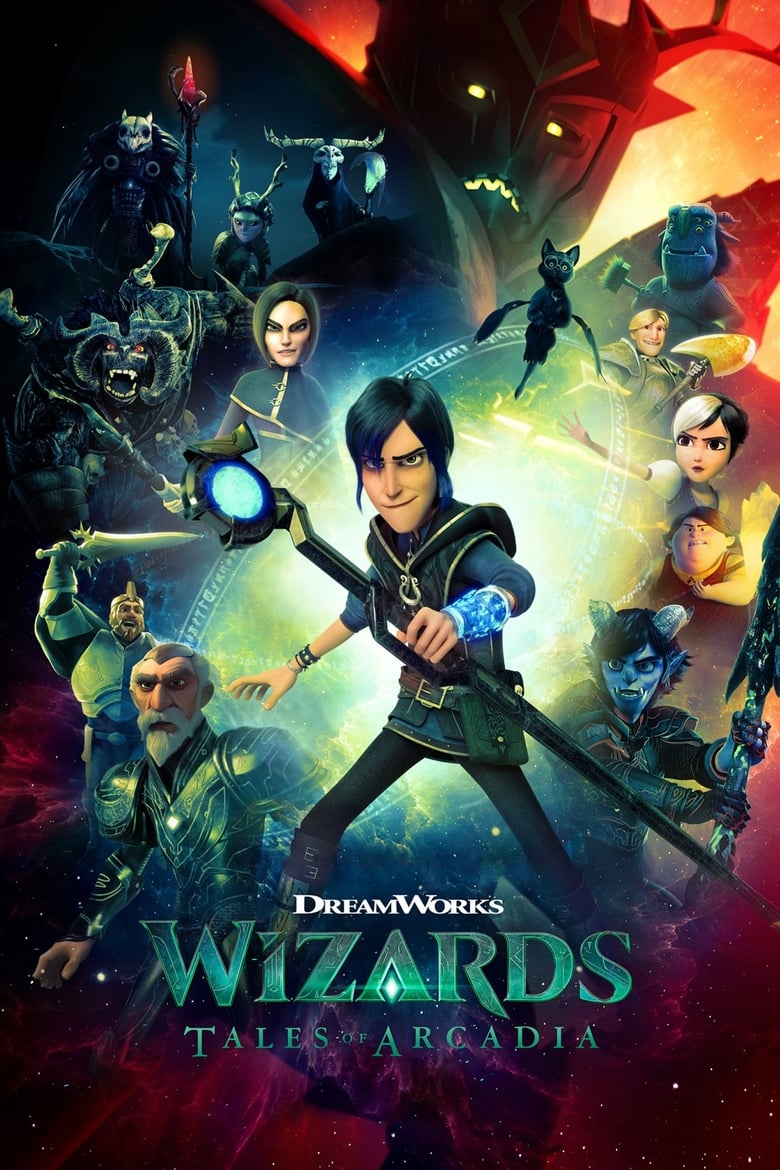
Merlin’s apprentice joins Arcadia’s heroes on a time-bending adventure in Camelot, where conflict is brewing between the human, troll and magical worlds.
