

TV Show review
Kids · Sci-Fi · Fantasy · Animation · Action · Adventure · Family
2021–2022 · Based on 3 seasons through August 18, 2022 ·
Adam is a teenage prince who discovers the Power of Grayskull and becomes He-Man. He joins Teela, Duncan, Krass, and Cringer to defend Eternia from Skeletor and other threats. The story uses fantasy, science fiction, team battles, and lessons about trust. The tone is bright, fast, and aimed at younger viewers. The show gives major action roles to several young heroes, including Teela and Krass. The team often solves problems through friendship, shared power, and personal growth. The story includes some modern ideas about teamwork and rejecting selfish rule, but it does not build its plot around real-world identity politics. The latest season focuses more on Skeletor, Havoc, the Snake Men, and the final fight for Eternia.
Community feedback
Was our 41% Woke rating accurate?
Loading review details…
Breakdown
These are the editorial factors and ratings behind our score for He-Man and the Masters of the Universe.
Woke representation / casting
The show gives several prominent roles to a mixed group of young heroes. Teela and Krass are major fighters and decision-makers. The team has a diversity-first feel, but the show does not openly present its casting as a political message. The pattern is noticeable across the series but is not overwhelming.
35%
Woke political dialogue
The characters sometimes speak about sharing power, trust, and rejecting selfish rule. The lines support teamwork and personal growth more than modern identity politics. The show has no recurring speeches about gender, race, or DEI.
8%
Identity-driven story themes
The series repeatedly gives young women important combat and leadership roles. Teela and Krass are treated as capable members of the central hero team. The story also stresses that power should be shared instead of controlled by one ruler. These ideas recur, but they remain part of a fantasy team story rather than the main subject.
28%
Western institutional / cultural critique
The show presents tyrants and selfish rulers as dangerous. Skeletor and other villains seek control over Eternia. The story criticizes abuse of power, but it does not clearly attack modern families, Christianity, traditional relationships, or Western institutions.
12%
Woke character or canon changes
Not relevant. The series changes the setting and ages of familiar characters, but no clear race, gender, sexuality, or identity-based swap drives the story.
0%
Anti-woke backlash and complaints
Some viewers and right-leaning outlets called the Netflix He-Man projects woke because He-Man was sidelined in the related Revelation series and female characters gained major roles. Those complaints often mixed the two shows together. Direct complaints about this specific series were limited and did not become a major organized campaign.
18%
Creator track record context
Rob David has a stored score of 51/100 because he supports modern diversity and reworking classic brands. Several producers have higher stored scores for inclusive children’s programming. The show itself uses some of that team-building context, but it does not make activist messaging its main purpose.
51%
Production
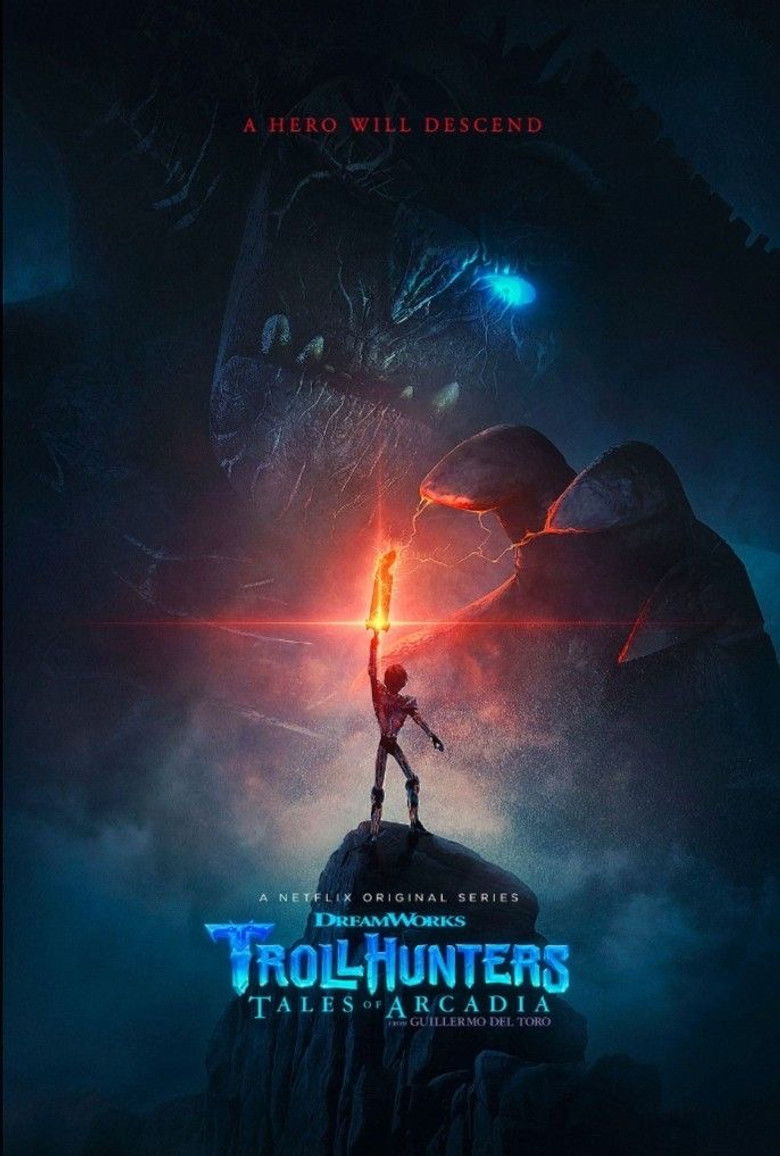
TV Show · 2016
After uncovering a mysterious amulet, an average teen assumes an unlikely destiny and sets out to save two worlds.
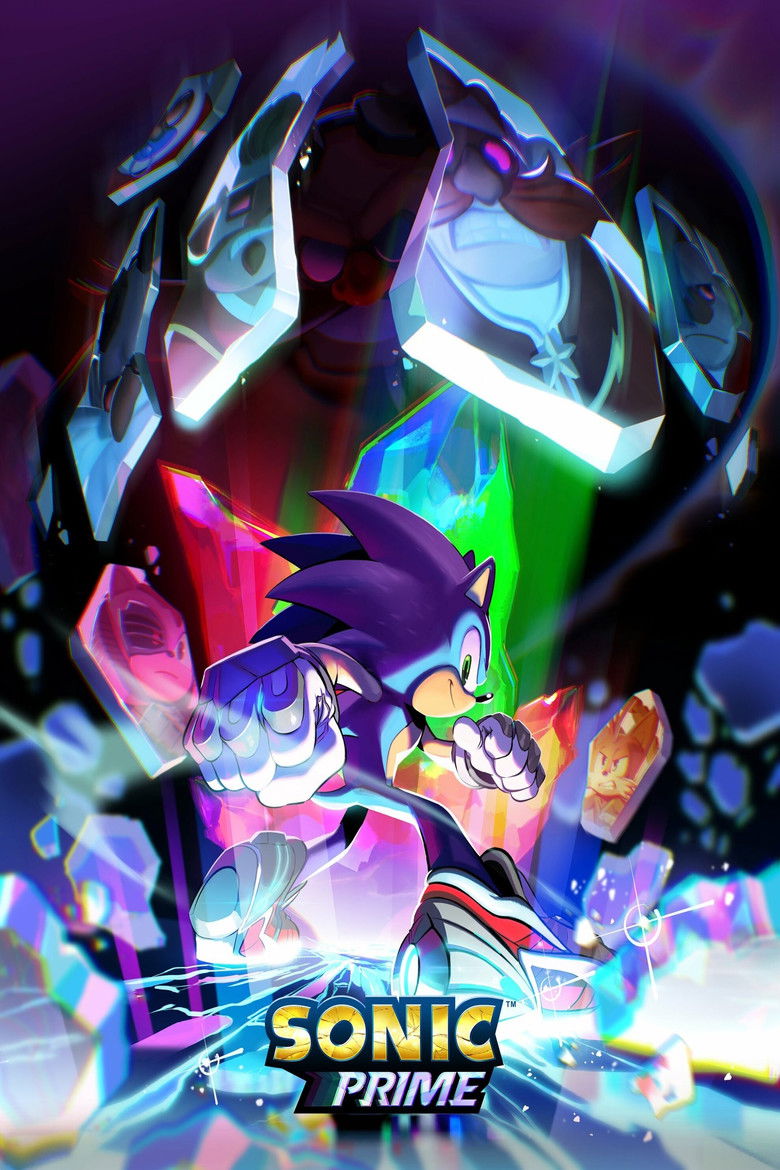
TV Show · 2022
When an explosive battle with Dr. Eggman shatters the universe, Sonic races through parallel dimensions to reconnect with his friends and save the world.
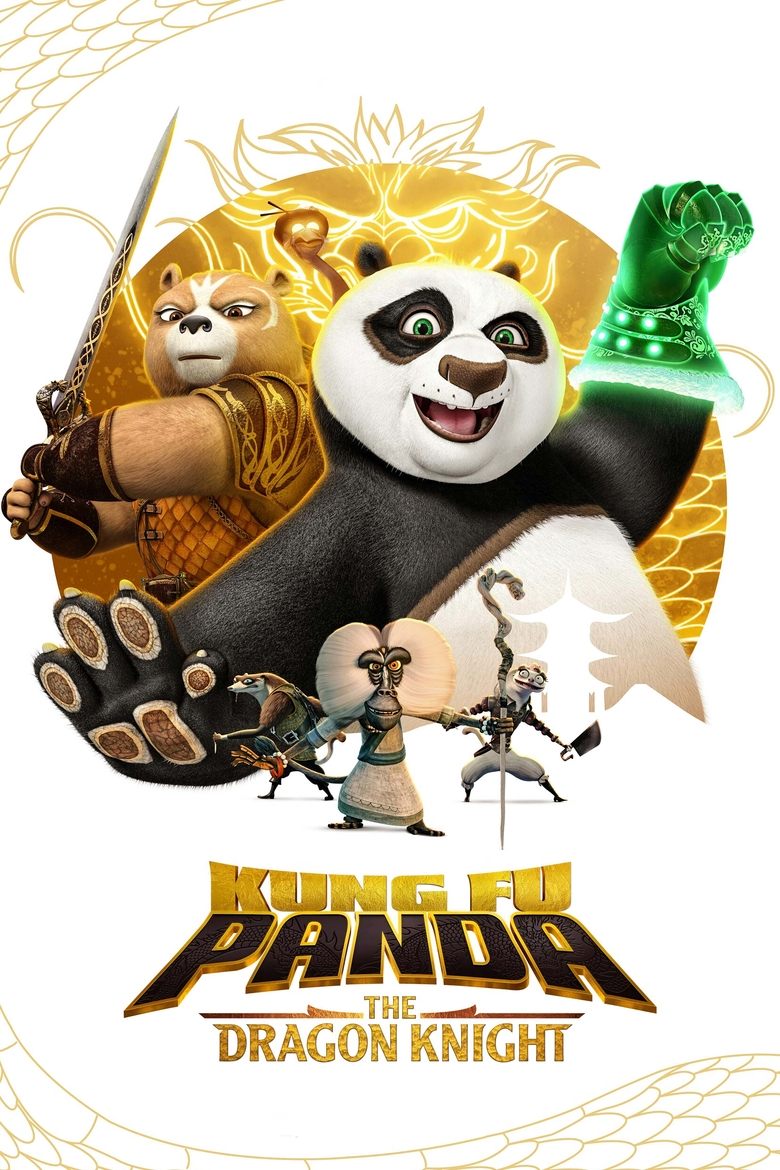
TV Show · 2022
Follow the adventures of Po, who partners up with a no-nonsense English knight named Wandering Blade to find a collection of four powerful weapons before a mysterious pair of…
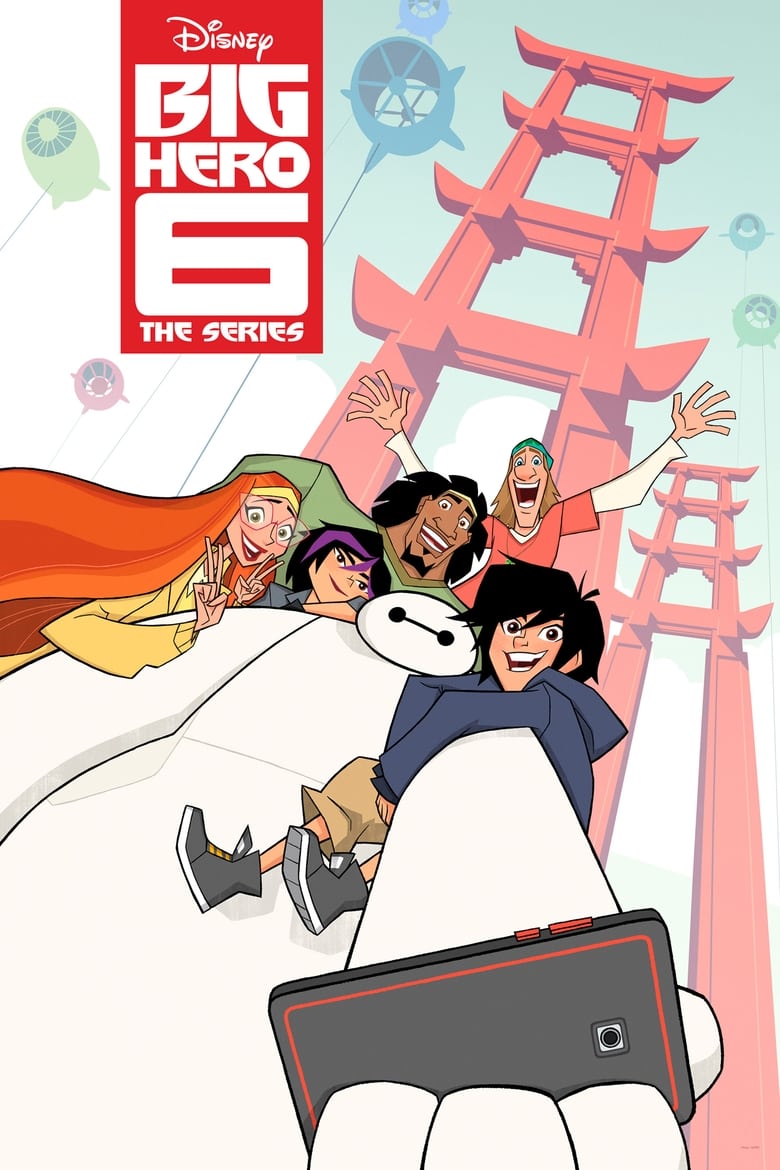
TV Show · 2017
Picking up immediately following the events in the feature film, these are the continuing adventures and friendship of 14-year-old tech genius Hiro and his compassionate…
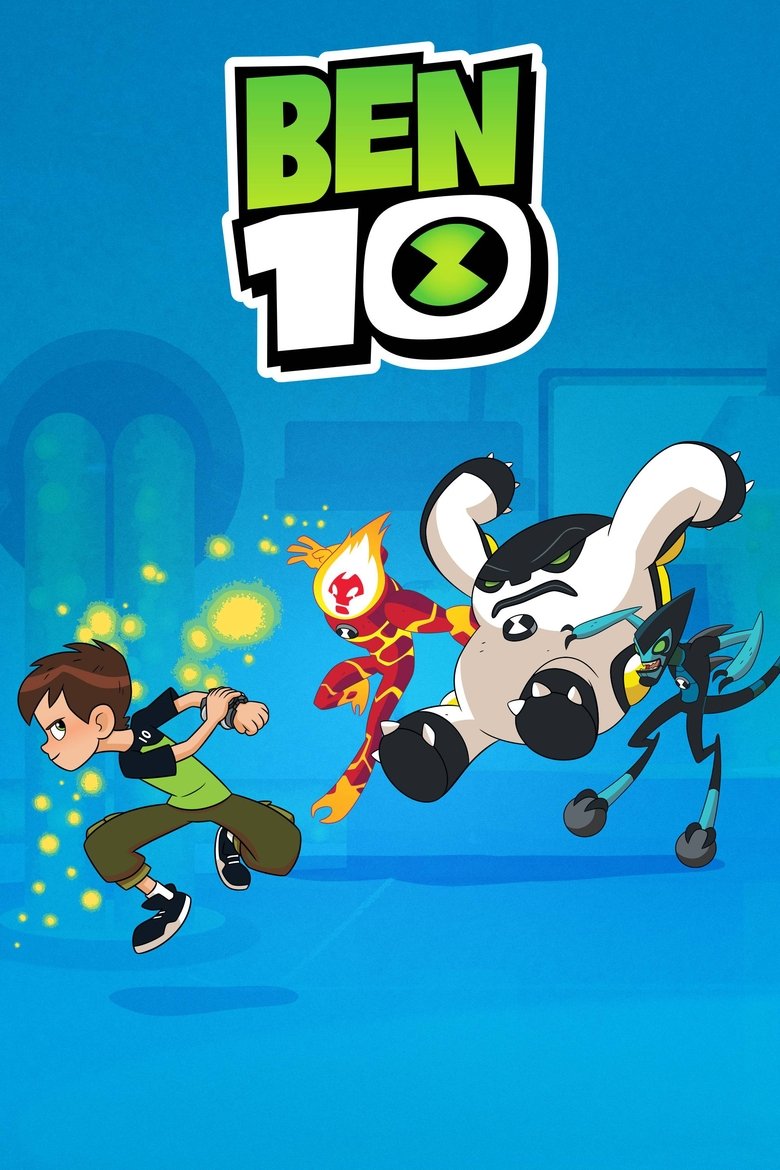
TV Show · 2016
With the fifth offshoot of the "Ben 10" franchise, the animated series returns to its roots and its original name, bringing 10-year-old Benjamin "Ben" Tennyson, his cousin Gwen…
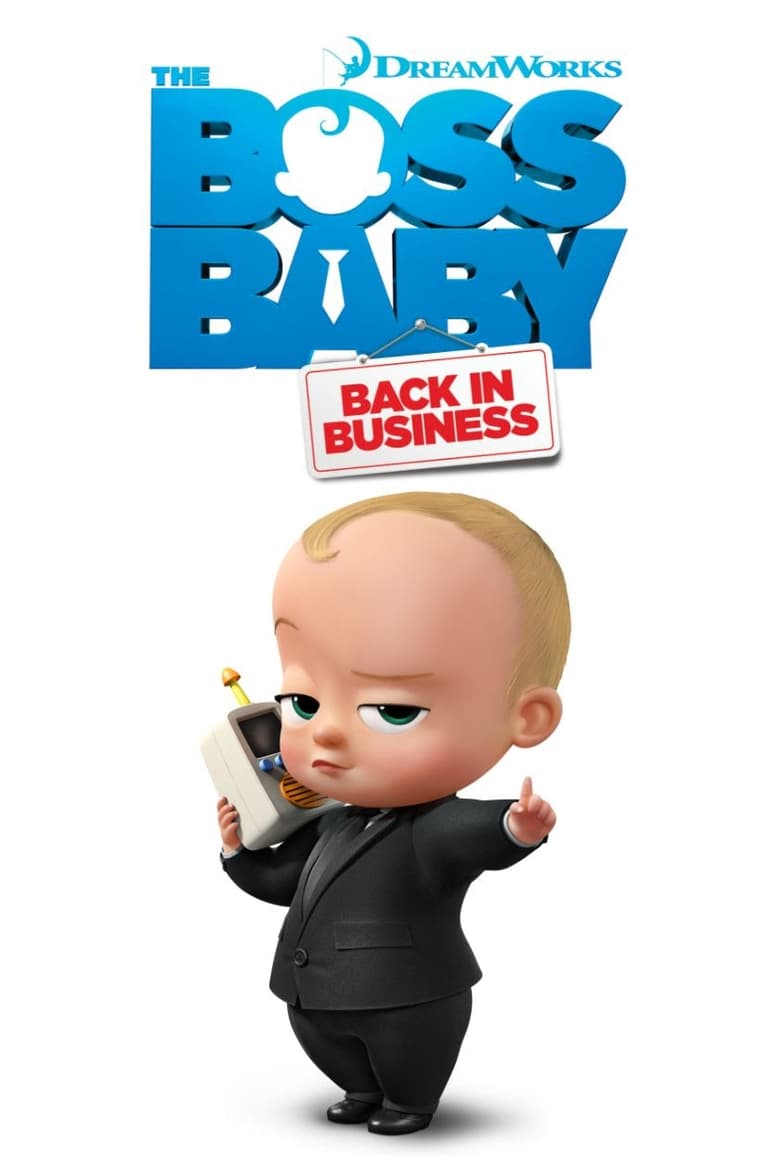
TV Show · 2018
The Boss Baby brings his big brother Tim to the office to teach him the art of business in this animated series sprung from the hit film.
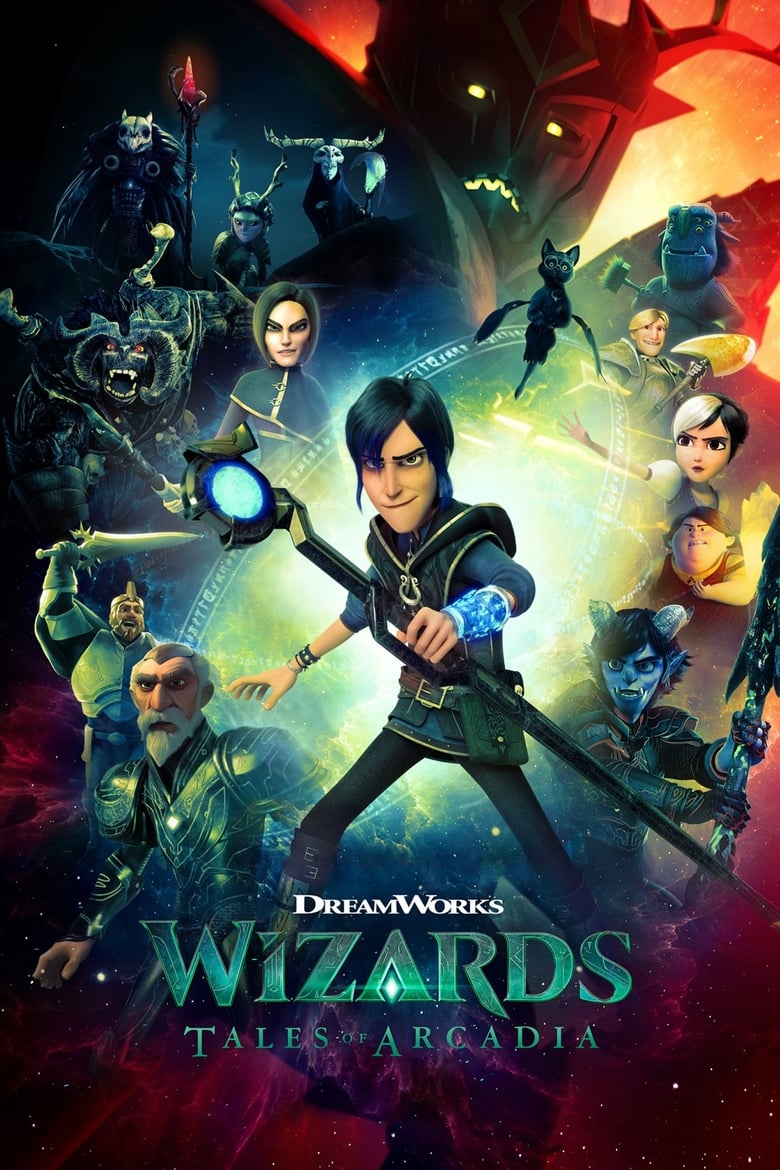
TV Show · 2020
Merlin’s apprentice joins Arcadia’s heroes on a time-bending adventure in Camelot, where conflict is brewing between the human, troll and magical worlds.
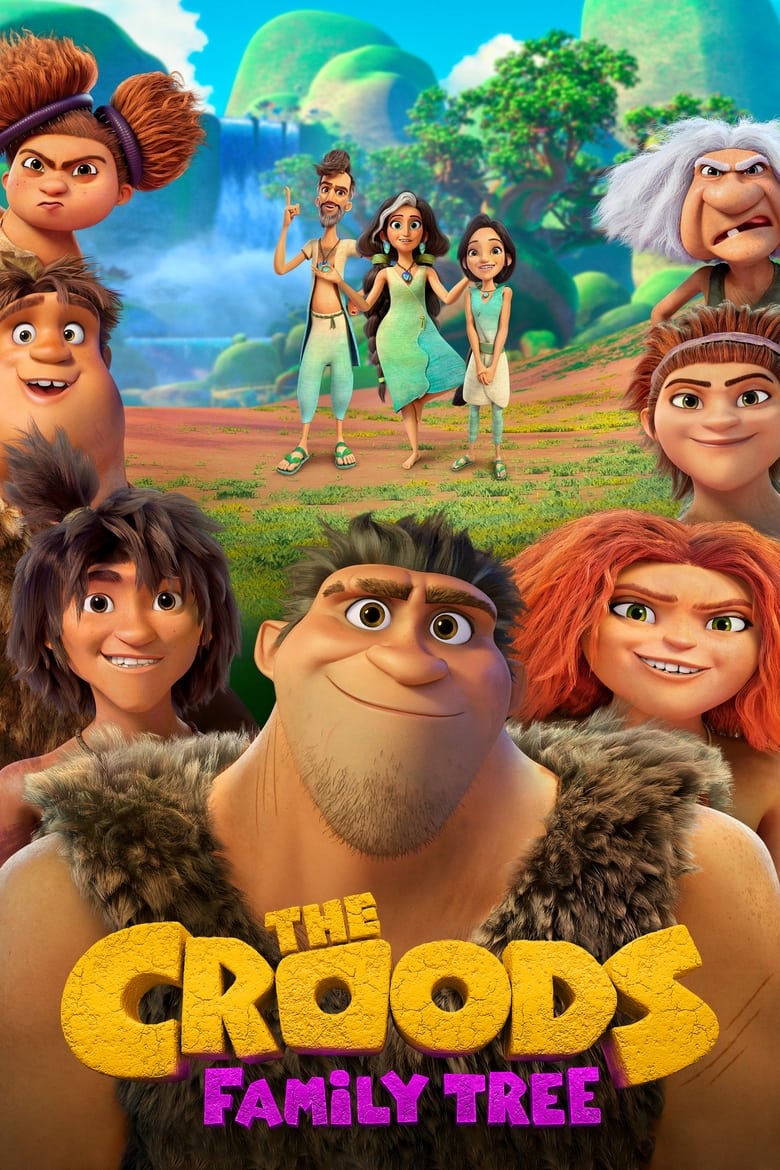
TV Show · 2021
Two very different families join forces to create a new community, an us-against-the-world, cave person co-op on the most amazing farm in the history of prehistory!
