
TV Show review
Kids · Sci-Fi · Fantasy · Animation · Action · Comedy · Adventure · Family
2017–2021 · Based on 3 seasons through February 15, 2021 ·
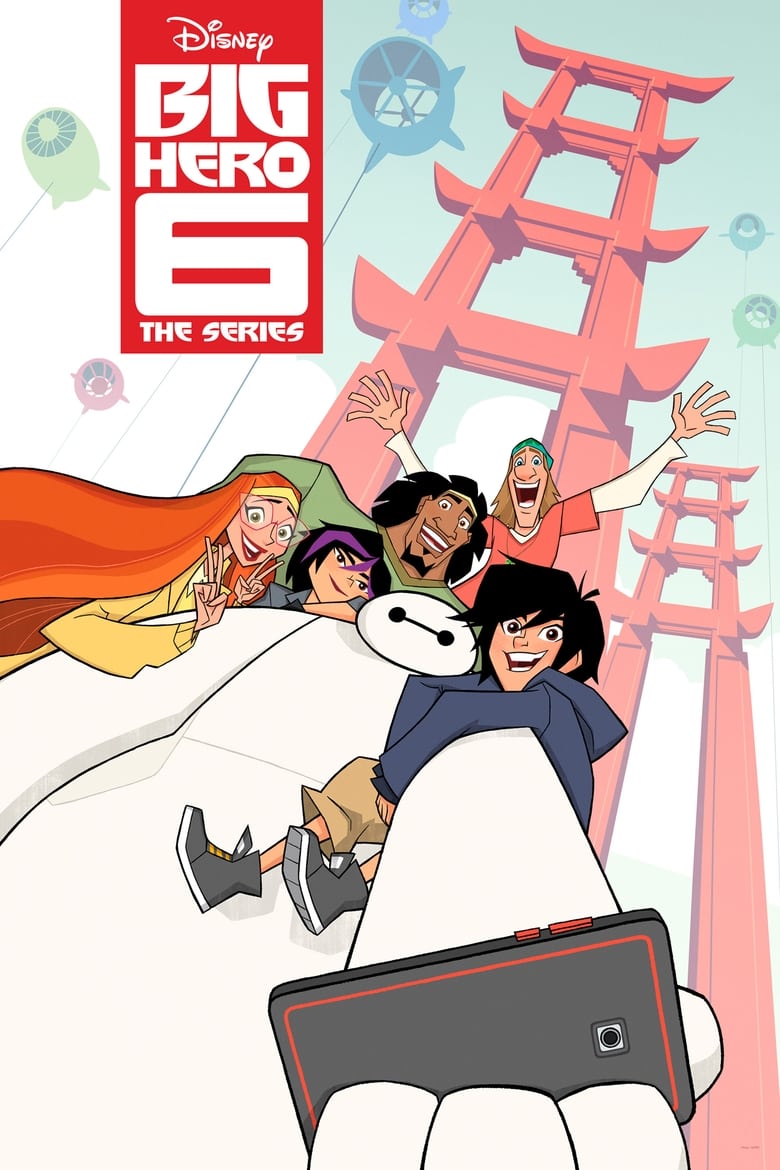
Big Hero 6 The Series follows Hiro Hamada, a 14-year-old science genius who studies at San Fransokyo Institute of Technology. Hiro and his robot Baymax work with friends Go Go, Honey Lemon, Wasabi, and Fred. The group protects the city from people who use science to cause harm. The show mixes superhero fights, school problems, comedy, friendship, and family loss. The team includes several girls and boys with different backgrounds, and Go Go and Honey Lemon are skilled heroes who often help lead missions. The show supports teamwork, kindness, science, and using power responsibly. Most conflicts involve villains, personal mistakes, school pressure, or family issues rather than modern political causes. The later seasons become more episodic and comedy-focused, while the first two seasons give more space to longer villain stories and character growth.
Community feedback
Was our 24% Woke rating accurate?
Loading review details…
Breakdown
These are the editorial factors and ratings behind our score for Big Hero 6 The Series.
Woke representation / casting
The series has a visibly mixed group of young heroes. Go Go and Honey Lemon are important and highly capable members of the team. The setting is a fictional city built from Japanese and American influences, so the varied cast fits the world. The show does not strongly frame the casting as a political or diversity campaign.
18%
Woke political dialogue
The series has occasional lessons about fairness, kindness, and responsible behavior. The characters do not regularly deliver modern identity, DEI, or activist messages. The few broad moral lessons are too general to form a repeated political theme.
4%
Identity-driven story themes
The show repeatedly presents girls as skilled heroes and treats teamwork across different backgrounds as normal. Go Go and Honey Lemon often contribute important science, planning, and fighting skills. These ideas support inclusion, but they do not drive the main plots. The main stories concern science, friendship, family, villains, and personal responsibility.
17%
Western institutional / cultural critique
The series sometimes shows corporations, schools, or powerful people acting badly. The criticism targets specific selfish or dangerous people rather than Western culture or traditional institutions. The show does not repeatedly attack family life, religion, men, or ordinary social values.
3%
Woke character or canon changes
Not relevant. The series continues the characters and world established by the 2014 film. No major race, gender, sexuality, or leadership-role change to an established character is clearly presented as an ideological rewrite.
0%
Anti-woke backlash and complaints
Not present. No clear anti-woke complaint with meaningful public reach was found. Online discussion mainly concerns episode quality, comedy, story arcs, and season 3's shorter format. Praise or ordinary complaints do not qualify as anti-woke backlash.
0%
Creator track record context
Mark McCorkle and Bob Schooley have a moderate representation-conscious record through Kim Possible and other family animation. Ben Juwono has discussed diversity and inclusive storytelling and has worked on representation-focused projects. Bill Motz and Bob Roth have similar inclusion signals from The Ghost and Molly McGee. Their wider careers do not show a strong partisan or activist identity.
48%
Production
TV Show · 2022
When an explosive battle with Dr. Eggman shatters the universe, Sonic races through parallel dimensions to reconnect with his friends and save the world.
TV Show · 2018
The Boss Baby brings his big brother Tim to the office to teach him the art of business in this animated series sprung from the hit film.
TV Show · 2016
With the fifth offshoot of the "Ben 10" franchise, the animated series returns to its roots and its original name, bringing 10-year-old Benjamin "Ben" Tennyson, his cousin Gwen…
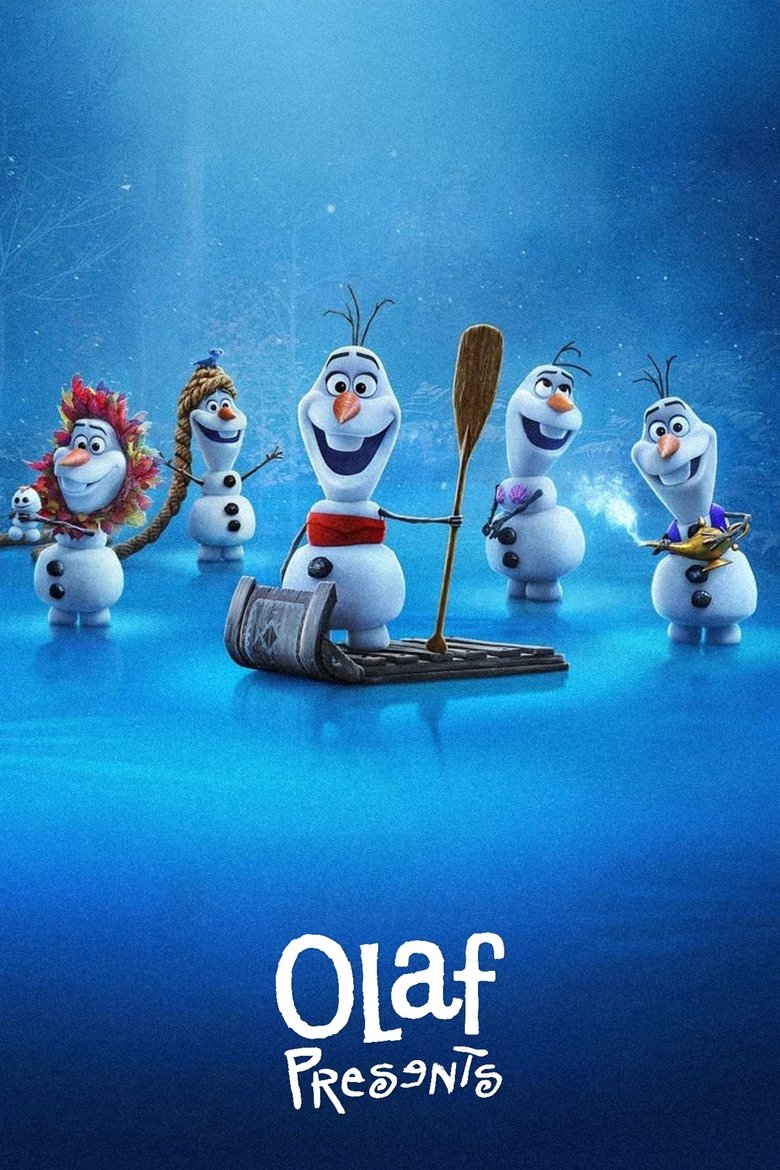
TV Show · 2021
Frozen’s beloved snowman retelling several classic Disney tales as only he can.
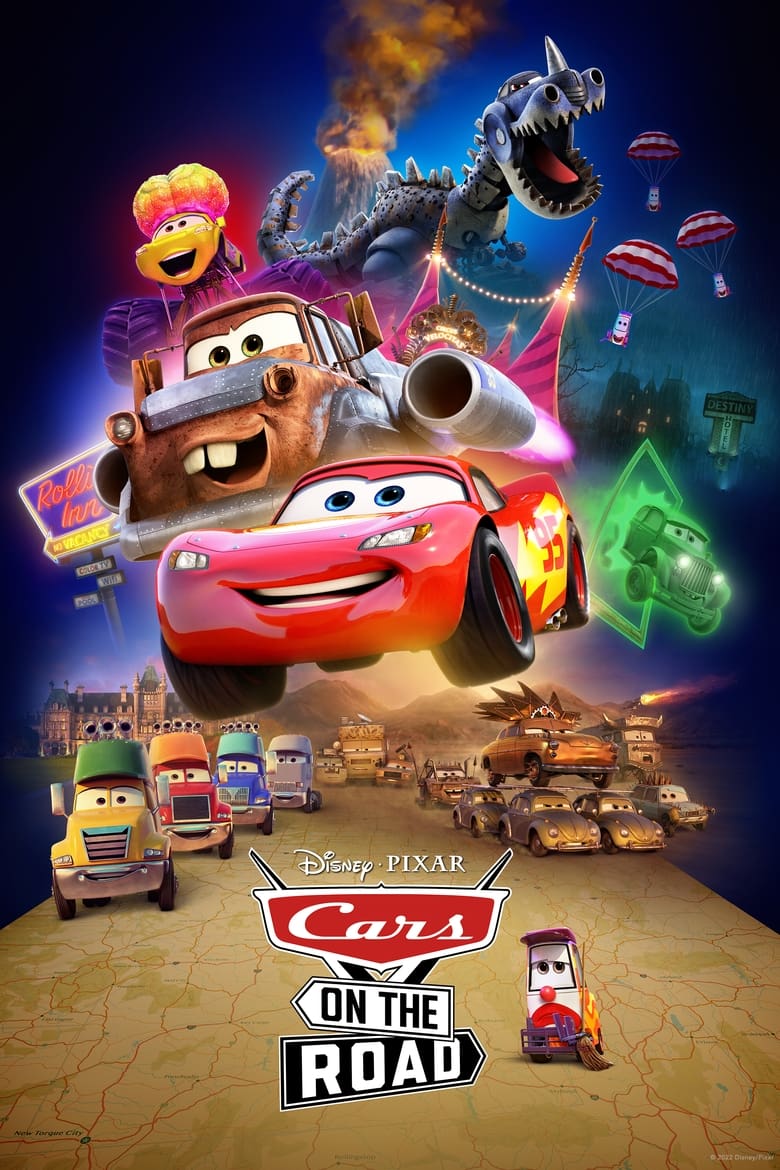
TV Show · 2022
Lightning McQueen and his best friend Mater head east from Radiator Springs on a cross-country road trip to meet up with Mater’s sister.
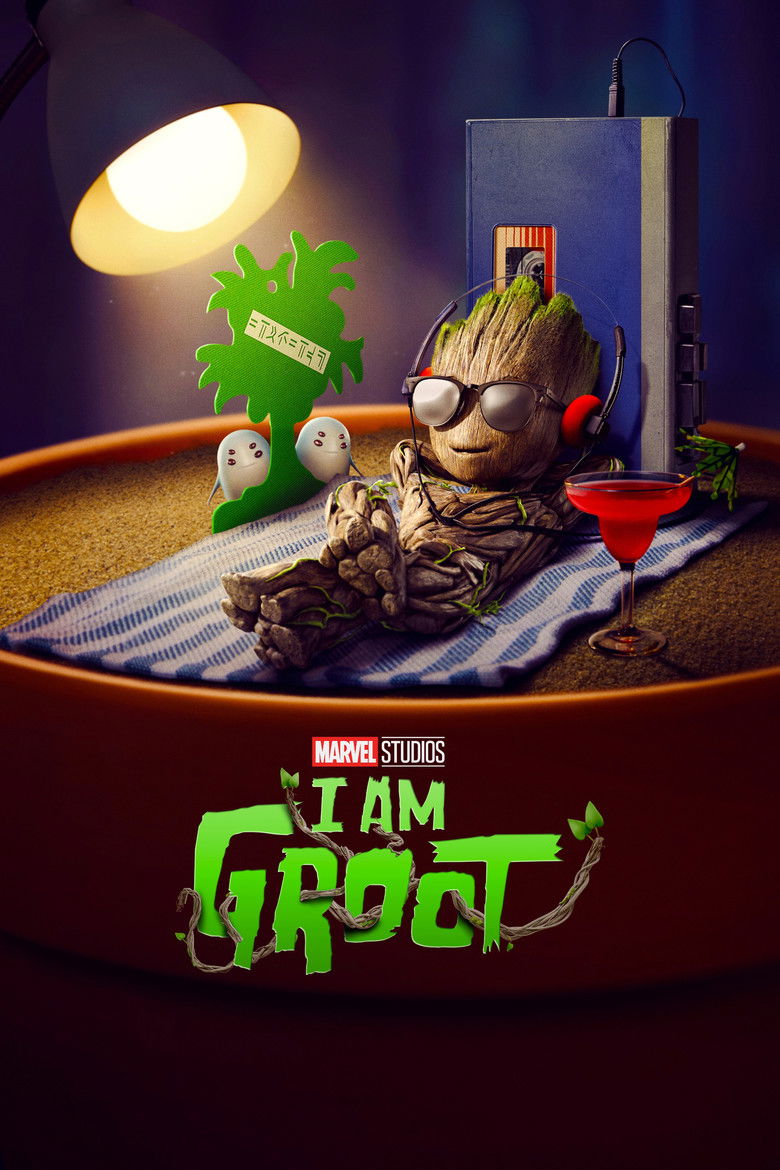
TV Show · 2022
There's no guarding the galaxy from this mischievous toddler! Get ready as Baby Groot takes center stage in his very own collection of shorts, exploring his glory days growing up…
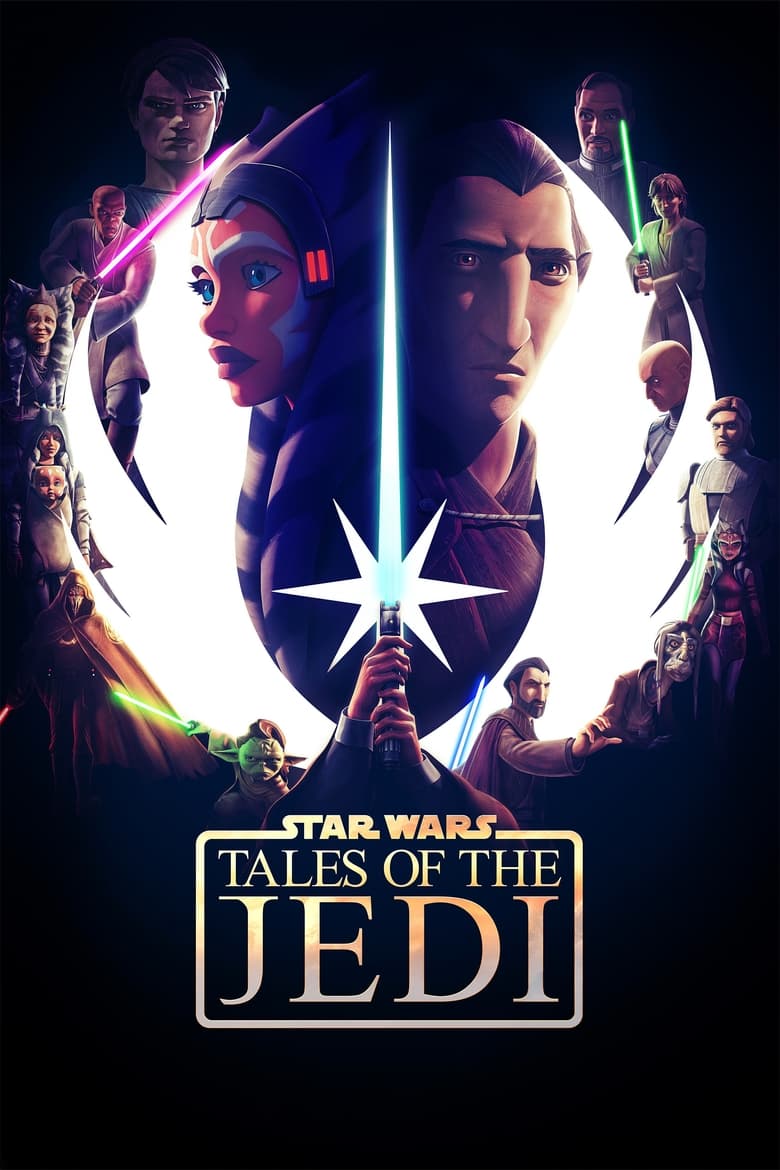
TV Show · 2022
Journey into the lives of two distinctly different Jedi from the prequel era – Ahsoka Tano and Count Dooku. Each will be put to the test as they make choices that will define…
TV Show · 2020
Merlin’s apprentice joins Arcadia’s heroes on a time-bending adventure in Camelot, where conflict is brewing between the human, troll and magical worlds.
