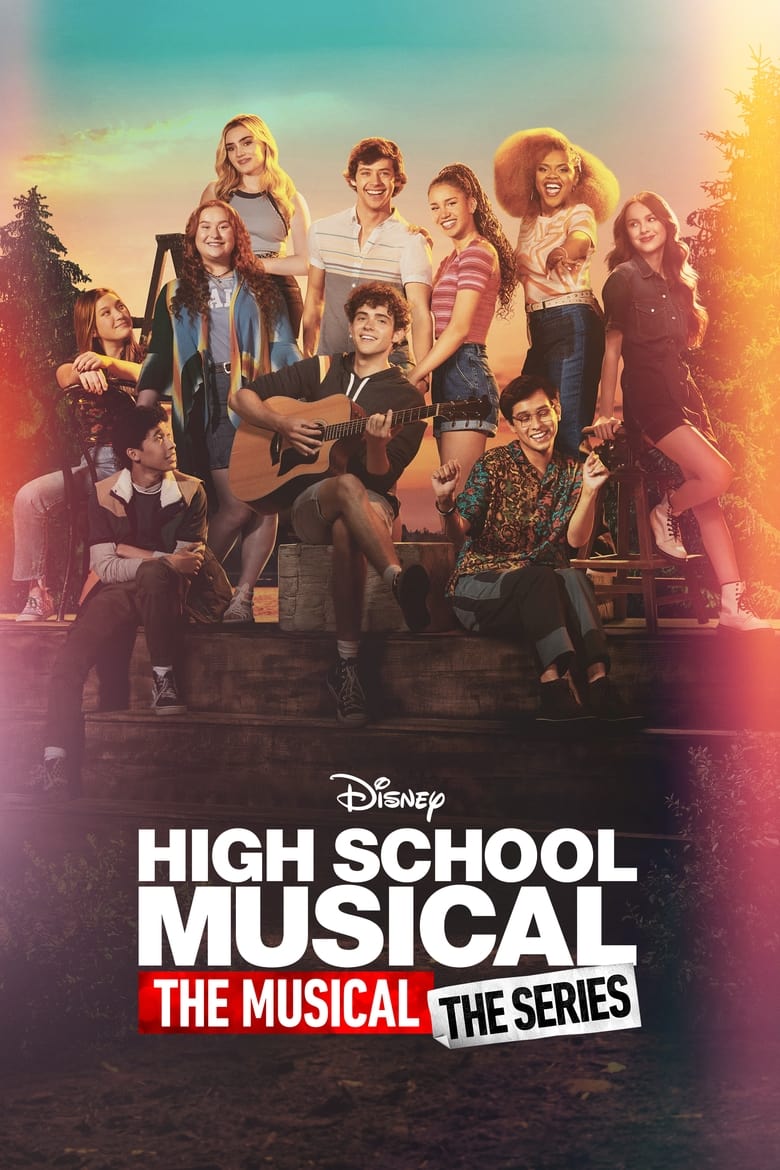

2019–2023 · Based on 4 seasons through August 9, 2023 ·
The show follows students at East High School as they stage their own version of High School Musical. Nini and Ricky lead the main romance, while their friends deal with auditions, family problems, school pressure, and changing friendships. The story moves from East High to a summer theater camp and back again. The tone mixes comedy, teen drama, romance, and musical performances. The show gives major attention to LGBTQ relationships and identity discovery. Carlos and Seb have a central gay romance, while Ashlyn and Big Red explore queer and bisexual identities. Female empowerment and feminism appear in dialogue and songs, including early talk about intersectional feminism and dismantling the patriarchy. These ideas become more important in later seasons, especially through Ashlyn’s queer story and the return of Ryan as a gay man.
Community feedback
Was our 96% Woke rating accurate?
Loading review details…
Breakdown
These are the editorial factors and ratings behind our score for High School Musical: The Musical: The Series.
Woke representation / casting
The show uses a visibly diverse cast in most major roles. The cast includes several prominent LGBTQ characters, two mothers for Nini, and a boy playing Sharpay in the school musical. The pattern makes representation part of the show’s public identity, not just background casting. The result is a clear representation focus, though the cast is not built around identity in every role.
84%
Woke political dialogue
Nini talks about intersectional feminism and dismantling the patriarchy in the first episode. The show returns to feminism, gender roles, and identity during later arguments, songs, and school projects. The dialogue is usually brief and mixed with jokes or teen drama. These ideas are recurring but are not the main subject of every episode.
64%
Identity-driven story themes
Carlos and Seb’s romance is a continuing story across several seasons. Ashlyn discovers that she is queer, and Big Red comes out as bisexual. The show also follows same-sex parenting, queer friendships, and changing ideas about attraction. These themes become especially visible in seasons 3 and 4, making identity a major part of the full series.
88%
Western institutional / cultural critique
The show questions older ideas about gender roles and traditional romance. Female characters often challenge expectations about how girls should act or what careers they should want. The series supports modern family and relationship choices. It does not strongly attack government, religion, capitalism, or other Western institutions.
54%
Woke character or canon changes
The show changes Ryan Evans from the original High School Musical films by confirming him as gay in season 4. The original films left Ryan’s sexuality unclear, but the new series gives him a male partner. This is a clear identity-based reinterpretation of an established character.
67%
Anti-woke backlash and complaints
Newsbusters called the show progressive propaganda and objected to its gay romance and Pride imagery. The Advocate reported similar complaints from right-wing media voices. Parent reviews also mention concerns about LGBTQ content and the show moving away from the original family image. The backlash received named-outlet coverage but did not become a large boycott or long news cycle.
51%
Creator track record context
Tim Federle is openly gay and has a strong record of writing youth stories about gay characters and identity. His interviews about this show openly discuss LGBTQ representation and queer character arcs. Several directors and writers also have progressive or inclusion-focused credits, which supports the show’s identity-centered direction.
72%
Production
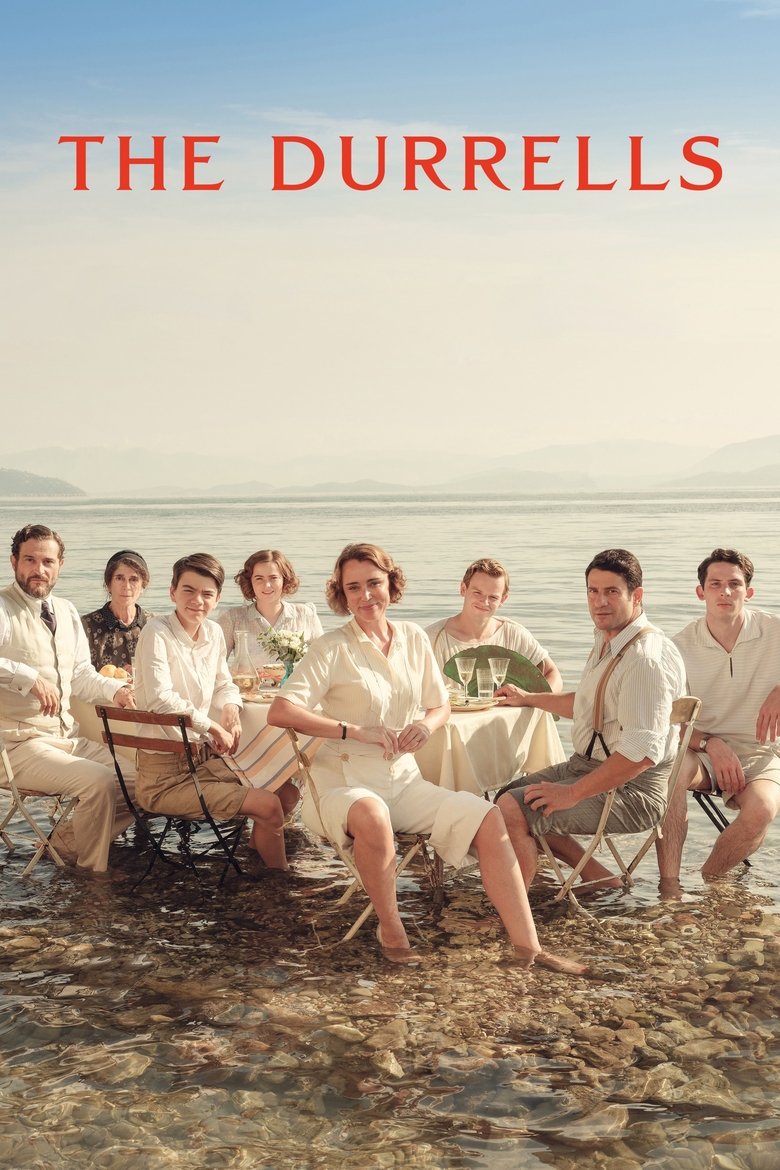
TV Show · 2016
In 1935, financially strapped widow Louisa Durrell, whose life has fallen apart, decides to move from England, with her four children (three sons, one daughter), to the island of…

TV Show · 2017
The early life of child genius Sheldon Cooper, later seen in The Big Bang Theory.
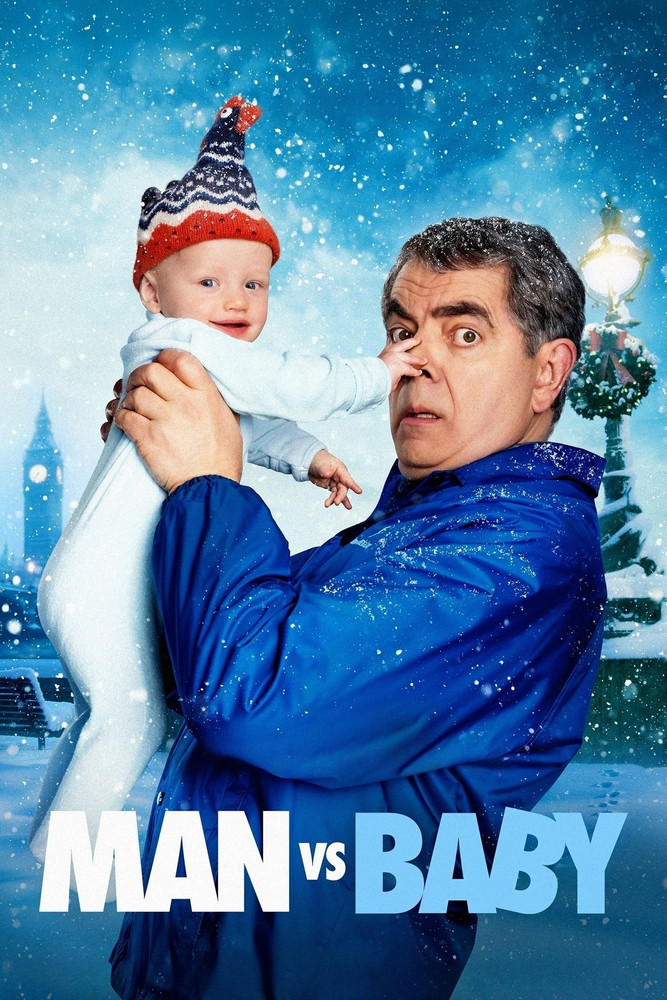
TV Show · 2025
As Christmas approaches, a blundering-all-the-way dad juggles housesitting a posh London penthouse with an unexpected pickle: caring for a lost baby.
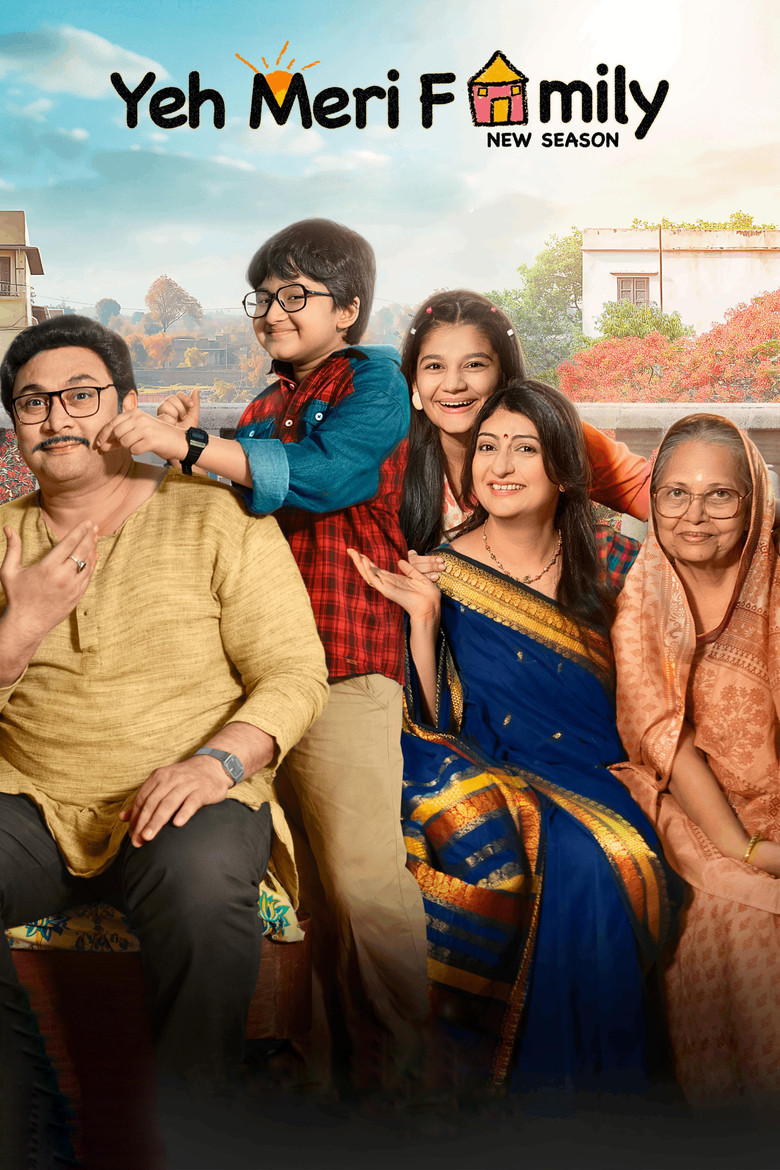
TV Show · 2018
Set in the summer of 1998 it is a story about conflicting emotions towards family members from the eyes of a twelve year old.
TV Show · 2016
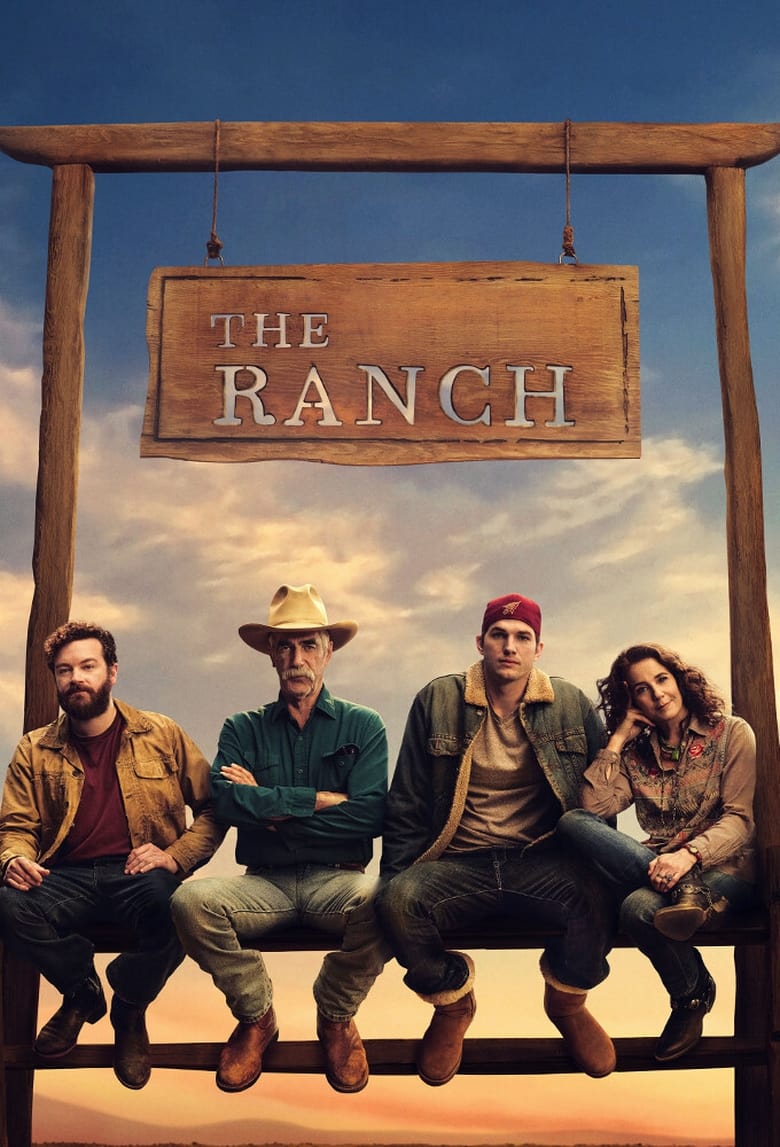
Being a pro athlete didn't pan out for Colt. Now he's helping his dad and brother keep the ranch afloat, and figuring out how he fits into the family.
TV Show · 2017
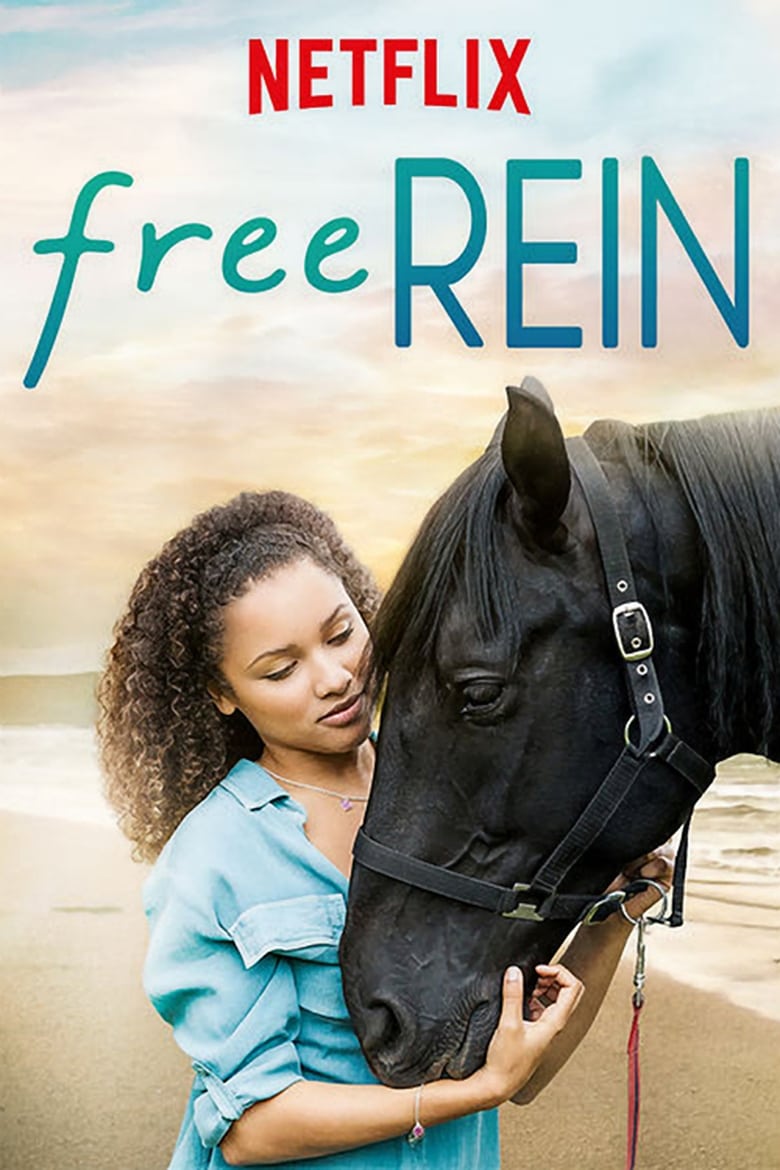
A 15-year-old from LA spends the summer at her mom's childhood home on an island off the coast of England, where she bonds with a mysterious horse.
TV Show · 2017
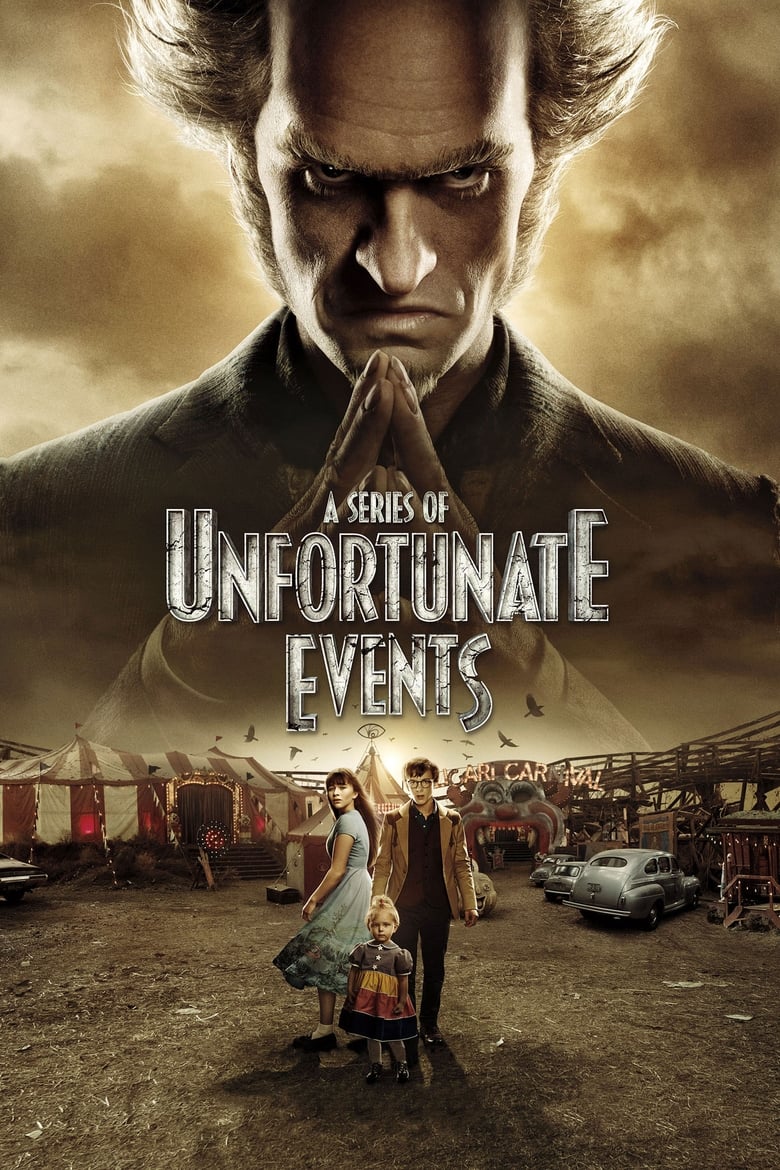
The orphaned Baudelaire children face trials, tribulations and the evil Count Olaf, all in their quest to uncover the secret of their parents' death.
TV Show · 2017
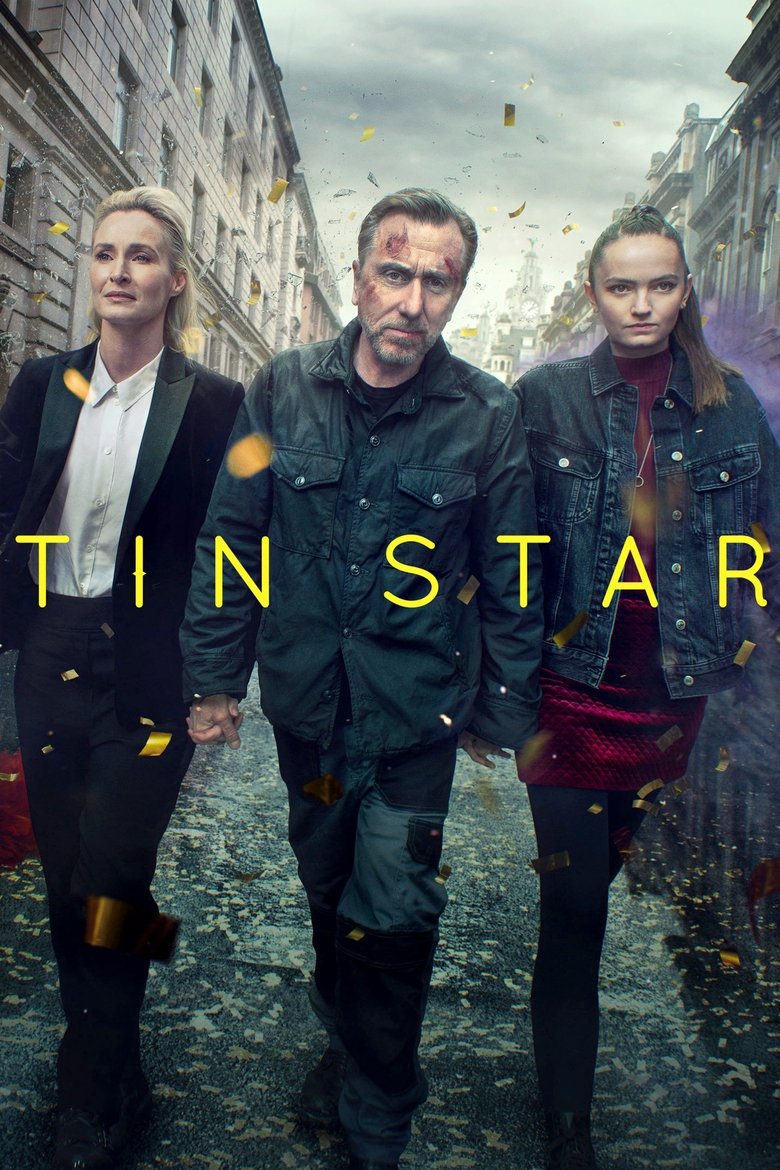
The story of Jim Worth, an expat British police officer starting a new life with his family as police chief in Little Big Bear, an idyllic town near the Rocky Mountains.
