
2026– · Based on 1 season, 8 episodes through July 9, 2026 ·
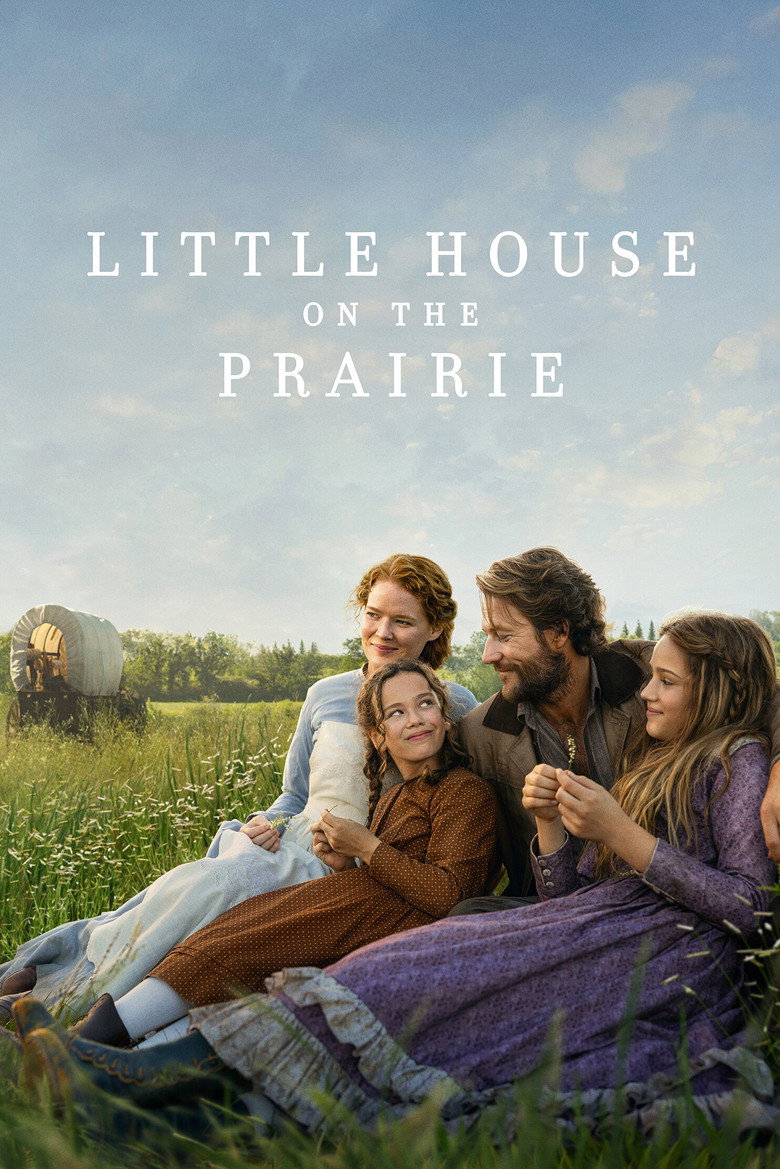
The eight episode season follows Charles and Caroline Ingalls as they move with Laura and Mary to Independence, Kansas, in 1869. The family builds a home while facing illness, hunger, debt, dangerous animals, fire, and uncertain land rights. Laura stays curious and brave, while Caroline takes a larger role in town life. The story feels warm and focused on family, but it is darker and more serious than the older television series. The season gives major space to nearby Osage families and Black townspeople. The story shows that settlers built homes on land the Osage had not agreed to sell, and Laura’s friendship with Good Eagle makes that conflict personal. Caroline challenges prejudice and stops settlers from attacking the Osage. These themes continue across the season, but family life and survival remain the main focus.
Community feedback
Was our 86% Woke rating accurate?
Loading review details…
Breakdown
These are the editorial factors and ratings behind our score for Little House on the Prairie.
Woke representation / casting
The series gives major roles to an Osage family played by Indigenous actors. The series also adds a black woman who runs the general store and a black doctor with important story roles. These choices fit real groups that lived in the region, but the repeated pattern goes beyond the original book’s narrow viewpoint. Netflix also publicly described the production as adding more voices and representation.
46%
Woke political dialogue
Characters often discuss who owns the land and whether settlers have a right to remain. Osage characters ask what justice can repair after they lose a home. Dr. Tann questions the idea that men can succeed alone. The dialogue appears throughout the season, but it usually stays within historical scenes instead of becoming long modern speeches.
38%
Identity-driven story themes
The Osage land conflict appears in nearly every part of the season. Laura’s friendship with Good Eagle makes Indigenous displacement part of the family story. Black characters face social exclusion and receive continuing subplots. Caroline also becomes a strong moral voice against prejudice and violence.
58%
Western institutional / cultural critique
The series shows government officials and settlers benefiting from unclear land deals. The story connects westward settlement with the removal of the Osage. The show also criticizes wealthy town leaders who use social rules to control others. The story still treats family, church, work, and community as positive parts of life.
55%
Woke character or canon changes
The series expands brief or minor source characters into major black and Osage roles. The story adds Emily Henderson, the Mitchell family, and a larger role for Dr. Tann. Caroline becomes more outspoken and leads a major effort to stop an attack on the Osage. These identity focused changes shape the whole season.
62%
Anti-woke backlash and complaints
Megyn Kelly’s warning became the main public flashpoint before release. National outlets covered fears that Netflix would “wokeify” the story. Conservative outlets also complained about the Osage land framing, expanded casting, and the showrunner’s comments about “problematic” parts of the books. No organized boycott appeared, but the complaint became a recognizable public talking point.
72%
Creator track record context
Rebecca Sonnenshine has a limited stored record on these topics. Several other key writers, directors, and producers have stronger records involving Indigenous representation, race, gender, or social themes. Their past work supports the direction seen in this season, especially its focus on wider historical viewpoints and female agency.
53%
Production

TV Show · 2018
Set in the summer of 1998 it is a story about conflicting emotions towards family members from the eyes of a twelve year old.

TV Show · 2017
The early life of child genius Sheldon Cooper, later seen in The Big Bang Theory.
TV Show · 2016
In 1935, financially strapped widow Louisa Durrell, whose life has fallen apart, decides to move from England, with her four children (three sons, one daughter), to the island of…

TV Show · 2017
A 15-year-old from LA spends the summer at her mom's childhood home on an island off the coast of England, where she bonds with a mysterious horse.

TV Show · 2019
Millions of years ago, incredible forces ripped apart the Earth’s crust creating seven extraordinary continents.

TV Show · 2017
The story of Jim Worth, an expat British police officer starting a new life with his family as police chief in Little Big Bear, an idyllic town near the Rocky Mountains.

TV Show · 2019
The life of Christ through the eyes of those who encountered him.

TV Show · 2018
Bluey is an inexhaustible six year-old Blue Heeler dog, who loves to play and turns everyday family life into extraordinary adventures, developing her imagination as well as her…
