
2022–2023 · Based on 2 seasons through October 26, 2023 ·
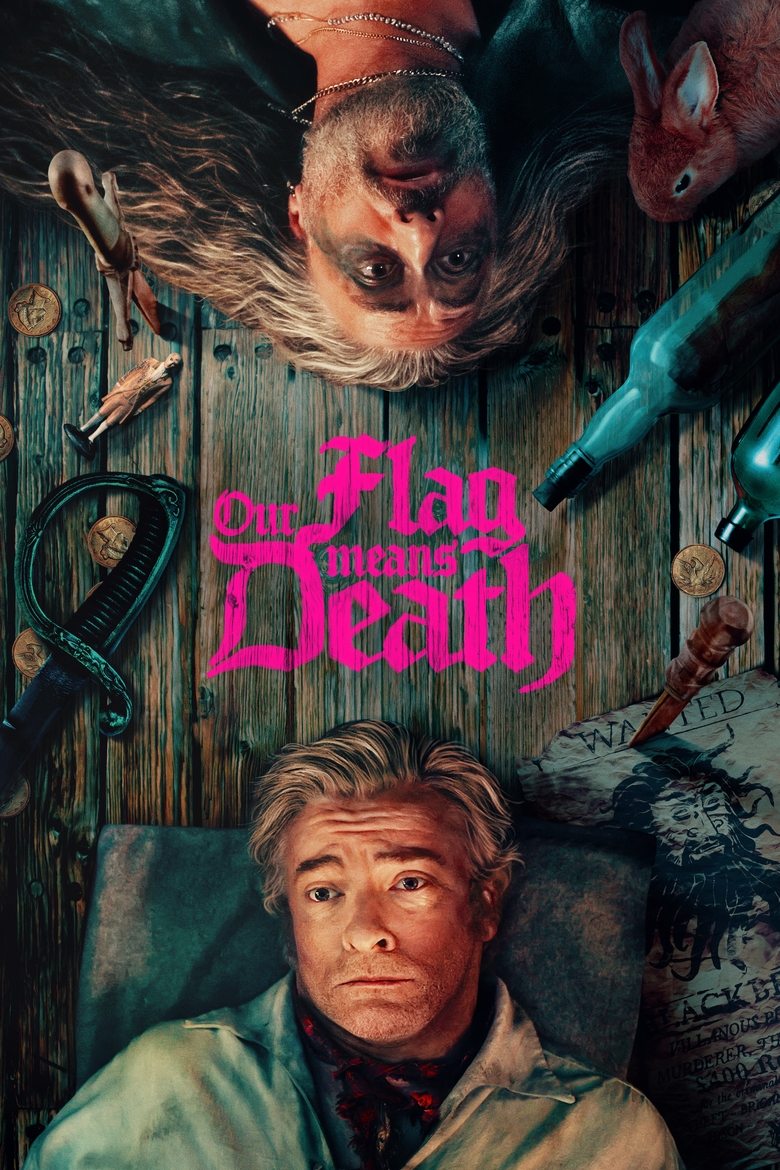
Our Flag Means Death follows Stede Bonnet, a wealthy man who leaves his family and becomes a pirate captain. His crew doubts him because he lacks skill and courage. Stede later meets Blackbeard, and their rivalry becomes a close romance. The show mixes pirate action with silly jokes, danger, and emotional drama. The show makes queer romance and gender identity central to its story. Stede and Blackbeard fall in love, while Jim is non-binary and uses they/them pronouns. Other crew members have gay, bisexual, and transgender relationships. The crew often treats kindness, open feelings, and personal freedom as better than strict male pirate behavior. These themes become even more important in season two.
Community feedback
Was our 96% Woke rating accurate?
Loading review details…
Breakdown
These are the editorial factors and ratings behind our score for Our Flag Means Death.
Woke representation / casting
The show uses a visibly diverse pirate crew with several prominent characters from minority groups. Jim is a non-binary character played by a non-binary actor. The cast also includes multiple major queer characters and relationships. The pattern feels like a clear representation choice within a loosely historical setting, although the series is openly fictional and not aiming for strict accuracy.
75%
Woke political dialogue
The crew often talks about feelings, respect, fear, identity, and personal boundaries. Jim’s pronouns are accepted through direct character dialogue. Characters also use modern ideas about emotional healing and healthy relationships. The dialogue is recurring, but it usually appears inside jokes and personal scenes rather than speeches about politics.
53%
Identity-driven story themes
The main story becomes a romance between two men. Jim’s non-binary identity forms a continuing character story across both seasons. Several other romances involve gay, bisexual, or transgender characters. The show presents queer love, chosen family, and freedom from strict gender roles as major sources of happiness.
98%
Western institutional / cultural critique
The show presents marriage, wealthy family life, strict male behavior, and the British Navy as harmful or limiting forces. Stede rejects the role of a rich husband and father who must hide his feelings. The pirate crew works as a chosen family built on care and personal freedom. The criticism is mostly comic and tied to the story, but it repeatedly favors personal identity over older social rules.
46%
Woke character or canon changes
The show heavily changes real-life history. It turns the real Stede Bonnet, who was a slave owner, into a sweet, progressive hero. It also rewrites the historically vague partnership of Stede and Blackbeard into an explicit gay romance to fit modern representation goals.
67%
Anti-woke backlash and complaints
A few small social media accounts called the show woke, unfunny, historically fake, or driven by modern gay themes. Some viewers objected to pronouns and queer relationships in an eighteenth-century setting. The complaints had little reach and did not become a major news story, boycott, or organized campaign. Most visible right-leaning reaction was either limited criticism or absent.
25%
Creator track record context
David Jenkins has a strong record of supporting LGBTQ representation and diverse creative teams. Taika Waititi has repeatedly backed Indigenous, anti-racist, and queer stories. Yvonne Zima and Theo Park also have visible representation-focused career context. This background closely matches the show’s strong queer focus and inclusive cast.
82%
Production
TV Show · 2022
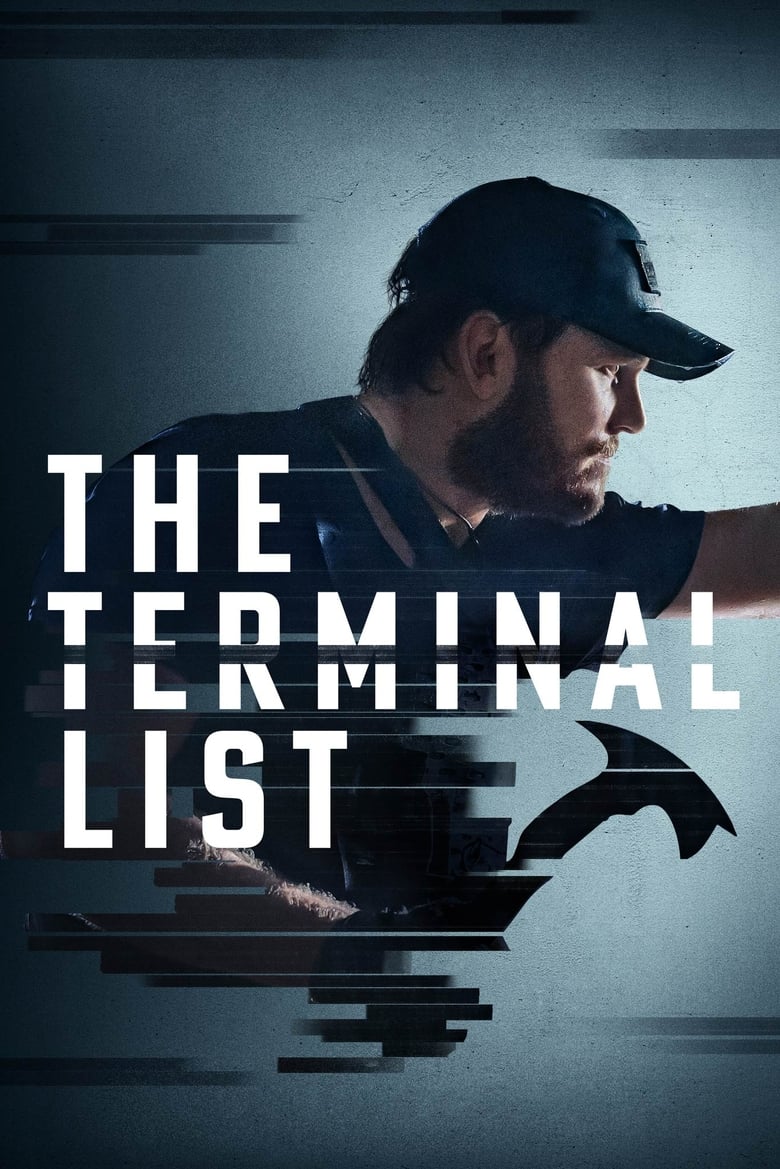
Navy SEAL Commander James Reece turns to vengeance as he investigates the mysterious forces behind the murder of his entire platoon.
TV Show · 2022
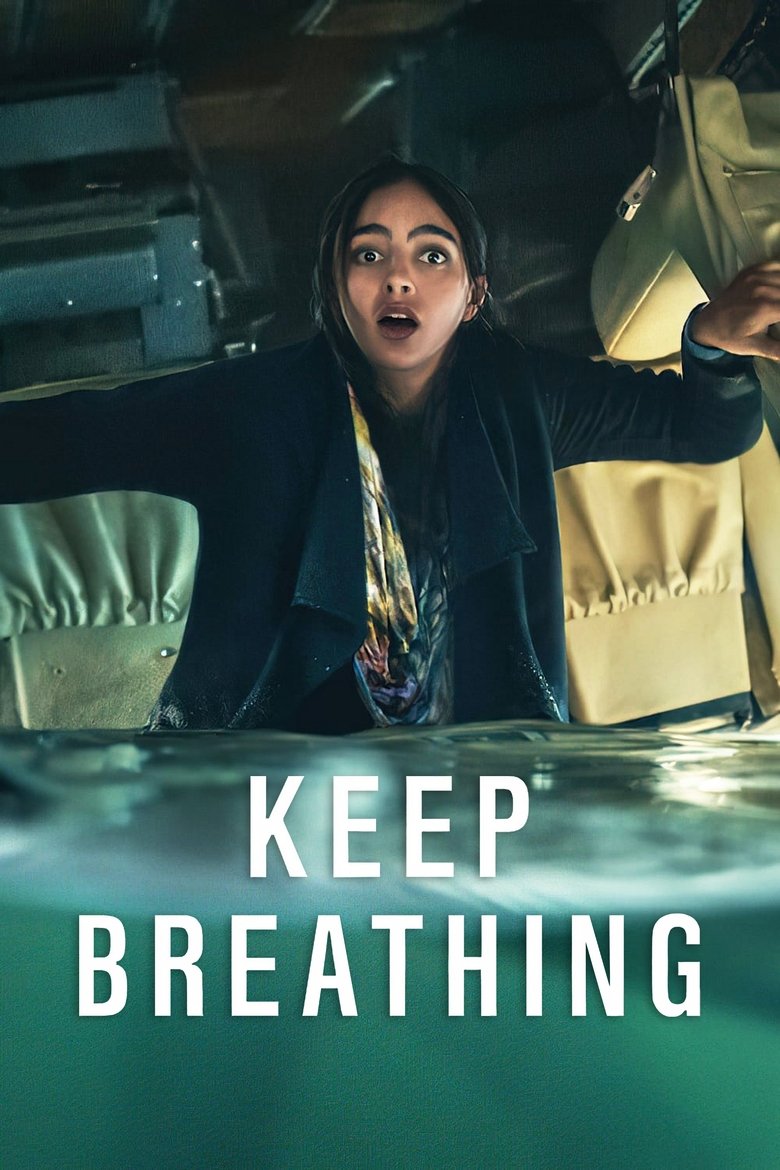
When a small plane crashes in the middle of the Canadian wilderness, a lone survivor must battle the elements — and her personal demons — to stay alive.
TV Show · 2018
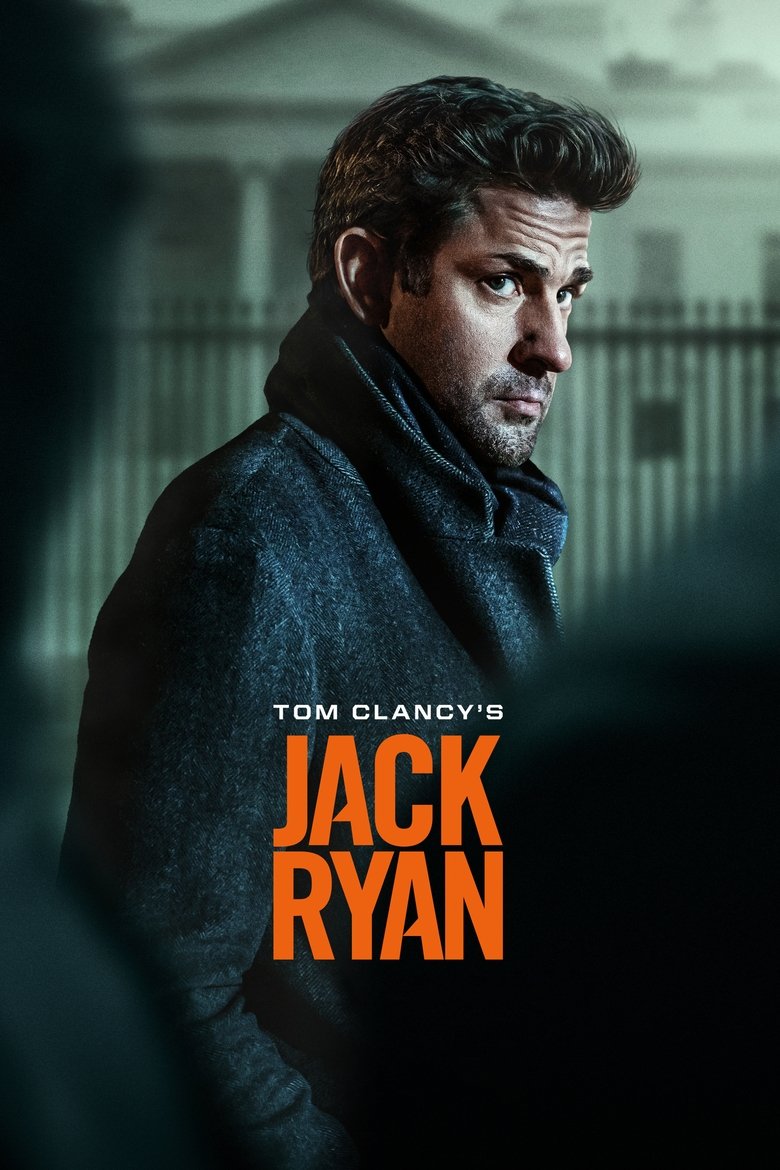
When CIA analyst Jack Ryan stumbles upon a suspicious series of bank transfers his search for answers pulls him from the safety of his desk job and catapults him into a deadly…

TV Show · 2020
Desperate to take care of his pregnant wife before a terminal illness can take his life, Dodge Maynard accepts an offer to participate in a deadly game where he soon discovers…
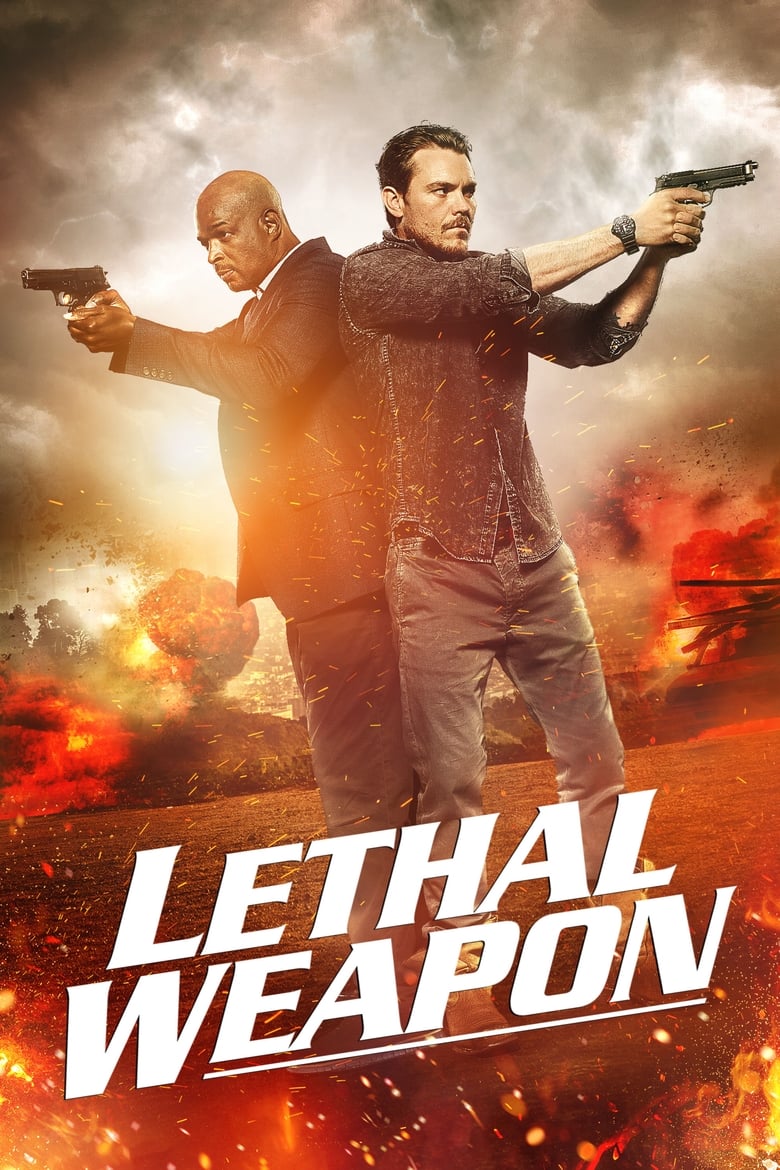
TV Show · 2016
A slightly unhinged former Navy SEAL lands a job as a police officer in Los Angeles where he's partnered with a veteran detective trying to keep maintain a low stress level in his…
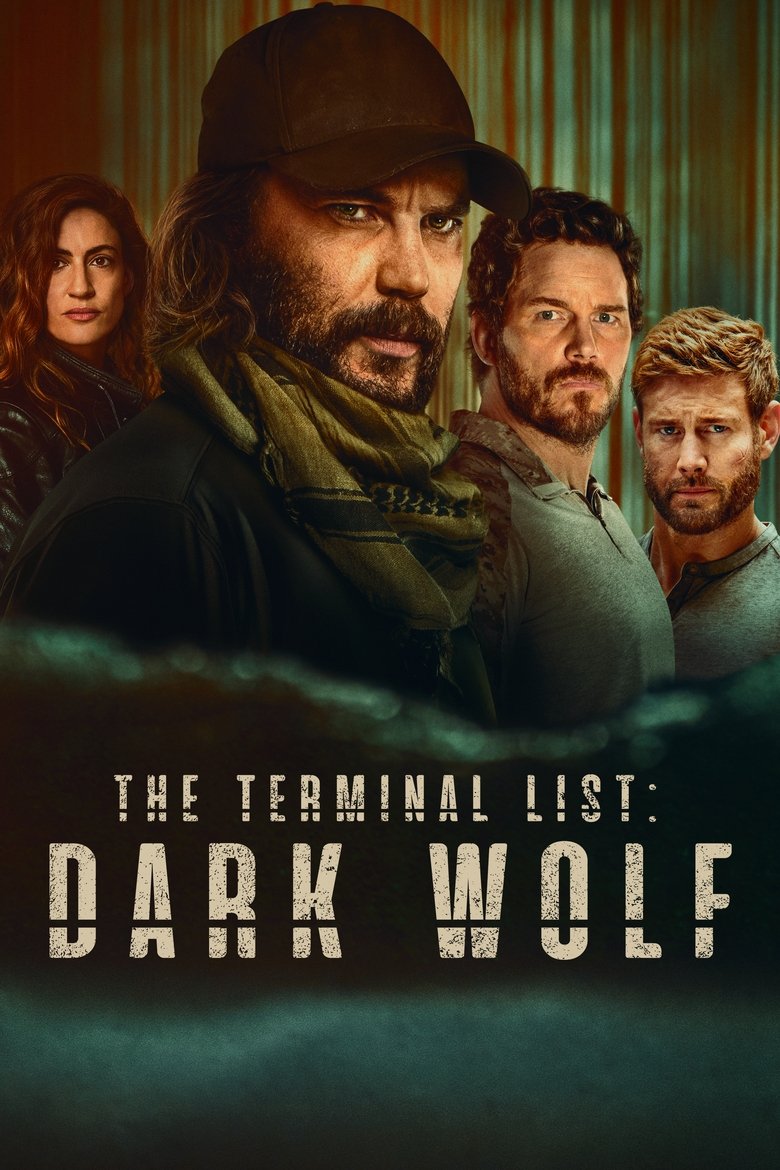
TV Show · 2025
Before The Terminal List, Navy SEAL Ben Edwards finds himself entangled in the black operations side of the CIA.
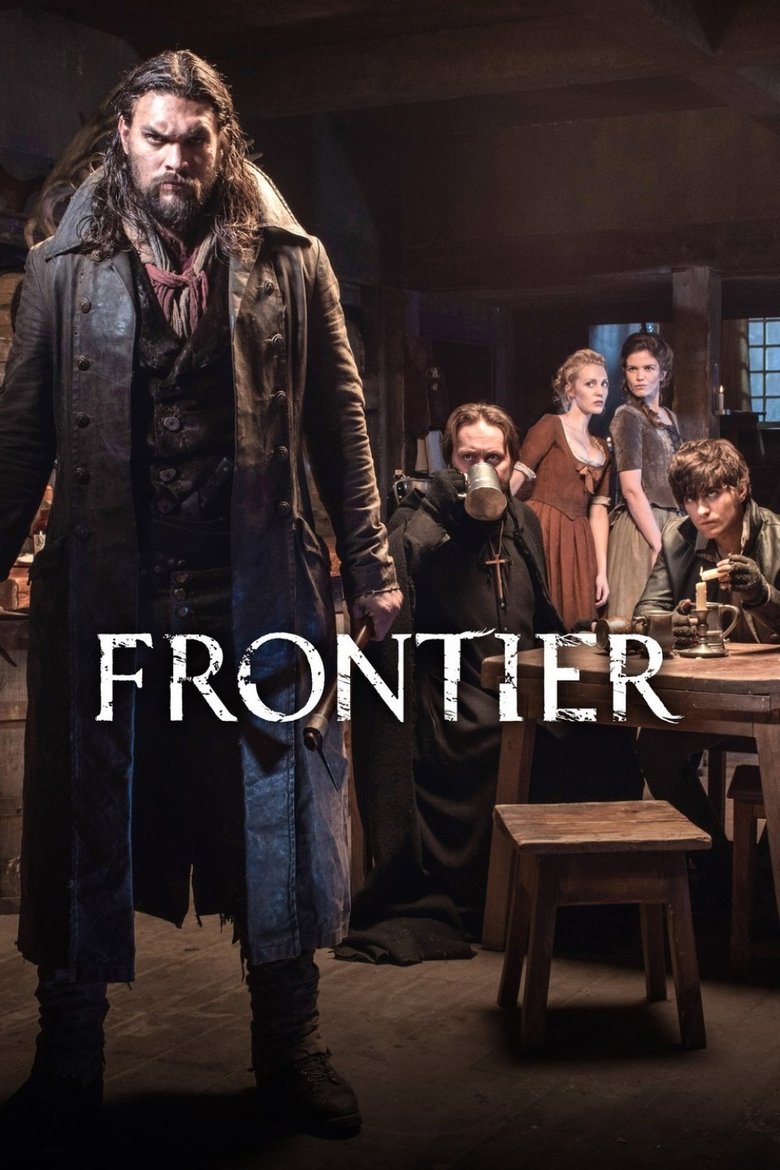
TV Show · 2016
In 18th-century North America, ruthless trappers and entrepreneurs fight to wrest control of the fur trade from the mighty Hudson's Bay Company.
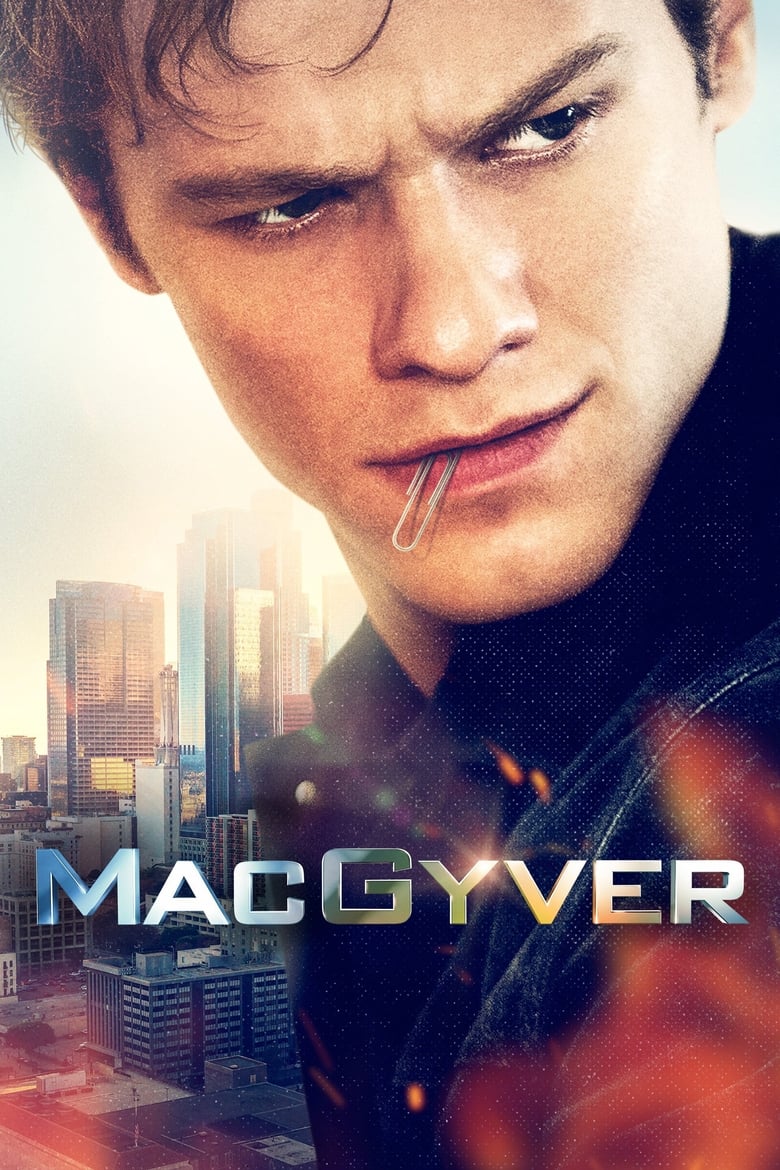
TV Show · 2016
20-something Angus MacGyver creates a clandestine organization where he uses his knack for solving problems in unconventional ways to help prevent disasters from happening.
