
2022–2024 · Based on 2 seasons through June 20, 2024 ·
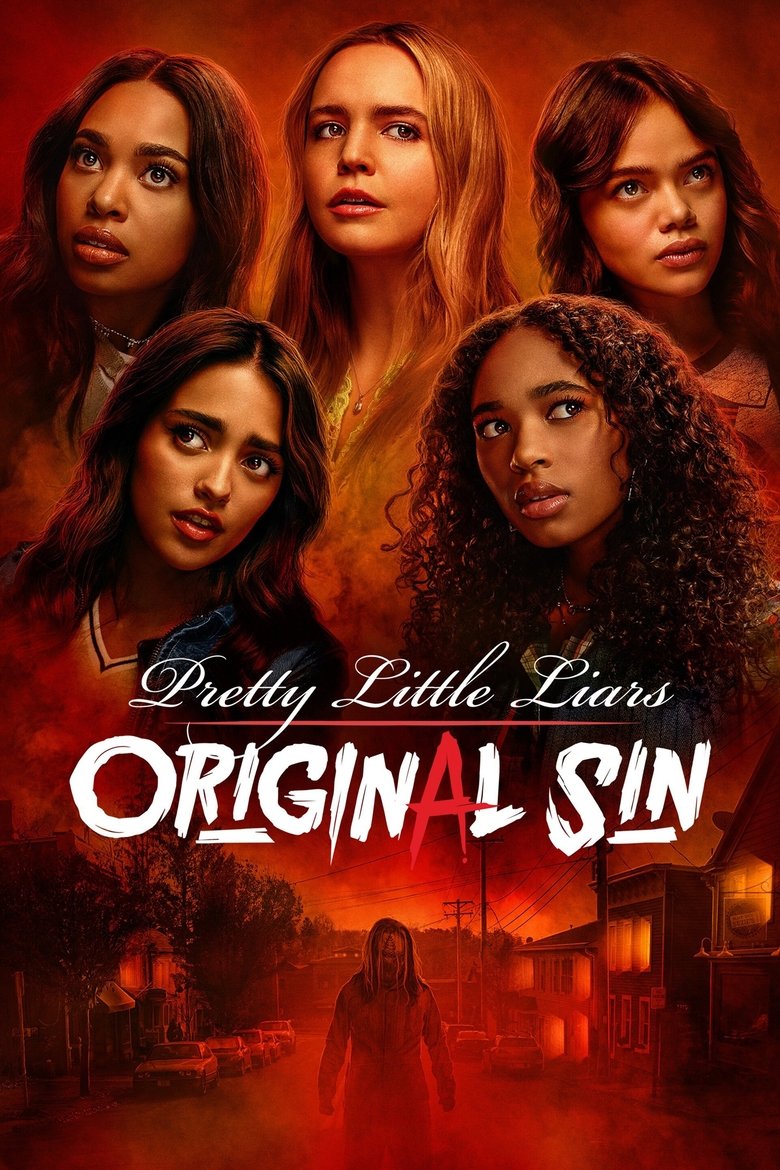
Pretty Little Liars: Original Sin follows five teenage girls in Millwood, Pennsylvania. Imogen, Tabby, Noa, Mouse, and Faran are hunted by masked killers linked to old crimes involving their mothers. The girls face pregnancy, assault, bullying, family abuse, racism, and school pressure while solving the murders. The show mixes slasher horror, mystery, teen drama, romance, and dark jokes. The show gives strong focus to female friendship, female survival, and women taking control of their own stories. It includes queer characters, two lesbian mothers, a transgender boy, and a major lesbian relationship in season two. Characters often speak about racism, sexism, homophobia, assault, and male abuse. Season two makes a church’s anti-gay event and a man’s anger central parts of its conflict.
Community feedback
Was our 86% Woke rating accurate?
Loading review details…
Breakdown
These are the editorial factors and ratings behind our score for Pretty Little Liars: Original Sin.
Woke representation / casting
The five central girls form a clear identity-focused group with Black, Latina, Filipina, and Asian-American leads. The series puts women in the main hero, detective, and survivor roles. Marketing and interviews openly stress a female point of view and stronger queer representation. The pattern is prominent across both seasons.
72%
Woke political dialogue
Tabby often speaks about racism, misogyny, and how films treat women and black characters. The girls also name sexism, assault, bullying, and homophobia during conflicts. Season two presents Wes’s claims about straight white men as a false excuse for violence. These lines recur, but they remain part of the horror plot.
48%
Identity-driven story themes
Female friendship and female survival guide the series. The story repeatedly covers assault, teen pregnancy, body pressure, racism, male abuse, and queer relationships. Mouse’s family and Ash’s transgender identity receive continuing attention. Noa’s relationship with Jen and the Pride conflict make identity themes even more central in season two.
74%
Western institutional / cultural critique
The school, police, parents, and church often fail the girls or protect harmful men. Season one attacks grooming, rape culture, male entitlement, and pressure on girls to look perfect. Season two treats a church-led anti-gay event as harmful and links male anger to violence. The girls are usually shown as right when they challenge these groups.
65%
Woke character or canon changes
Not relevant. The series creates new girls, families, and villains in a new town. Its changes to A and the horror story are plot changes, not identity changes to established characters.
0%
Anti-woke backlash and complaints
A critic with modest reach called the show “diversity for diversity’s sake” because of its mostly nonwhite leads and queer characters. Small accounts also called it woke or progressive. The complaints appeared in more than one place, but they had little reach and no organized campaign. No major outlet or public official made the show a cause.
18%
Creator track record context
Lindsay Calhoon Bring has framed the series around young women, consent, and queer horror. Katie Avery, Alexis Scheer, Michael Grassi, and Megan Griffiths have stored records centered on queer, feminist, Indigenous, or representation-focused work. Their records support the show’s repeated identity-driven themes.
78%
Production
TV Show · 2026
Wrongfully imprisoned for murdering his own son, a father sets out on a desperate rescue mission after learning the boy may still be alive.
TV Show · 2024
John Sugar is a dashing private eye navigating the dark corners of sunny LA. Though he sees only the good in humanity, Sugar is haunted by a secret too dangerous to expose.
TV Show · 2018
In 1994, a toddler disappeared from a small Welsh village, never to be seen again. 23 years later, in London, the mother of rising cello star Matilda Gray commits suicide, without…
TV Show · 2024
A secluded serial killer lures videographers into his world with the promise of a paid job documenting his life.

TV Show · 2026
A desperate father searching for his runaway daughter gets caught up in a murder case — and stumbles upon secrets which could destroy his family for good.

TV Show · 2024
The life of an American woman living in Kyoto, Japan, is upended when her husband and son disappear in a mysterious plane crash.
TV Show · 2020
In an isolated and inaccessible Antarctic research station in which winter has fallen on the South Pole and the sun will soon disappear for the next six months, a small team…
TV Show · 2018
After his daughter goes missing, a widower begins uncovering the dark secrets of the people closest to him.
