

2019–2022 · Based on 4 seasons through September 5, 2022 ·
Liz Ortecho returns to Roswell, New Mexico, after years away. She learns that Max Evans, her former crush and now a police officer, is secretly an alien. Liz and Max investigate old murders, alien secrets, and a government cover-up while trying to protect their families. The show mixes romance, mystery, science fiction, family drama, and serious social issues. The show gives major story space to immigration, ICE, racism, homophobia, abortion, privilege, and fear of outsiders. Liz’s undocumented father becomes central to the story, and the aliens often mirror people hiding from government control. Michael and Alex have a long-running gay romance, while Isobel later has a same-sex relationship. These themes continue across the four seasons, although later seasons focus more on alien mythology and personal relationships.
Community feedback
Was our 96% Woke rating accurate?
Loading review details…
Breakdown
These are the editorial factors and ratings behind our score for Roswell, New Mexico.
Woke representation / casting
The show places a Latina woman at the center as Liz Ortecho, a biomedical researcher and main hero. The main group also includes several prominent queer characters, including gay Alex, bisexual Michael, and Isobel in same-sex relationships. The pattern makes identity representation highly visible across the main cast, even though the New Mexico setting can support a diverse population.
78%
Woke political dialogue
Liz and other characters repeatedly discuss immigration, ICE, racism, privilege, and border walls. Liz directly compares the treatment of aliens with the treatment of undocumented immigrants. Characters also discuss homophobia, abortion, gender expectations, police conduct, and Trump-era politics.
77%
Identity-driven story themes
The show uses hidden aliens as a repeated story image for people who fear deportation or government control. Liz’s family history and her father’s ICE arrest form a continuing immigration story. Michael and Alex’s romance, Alex’s treatment by his homophobic father, and Isobel’s relationships give queer identity major story space. Later seasons shift toward alien mythology but keep these identity themes in the characters’ lives.
83%
Western institutional / cultural critique
ICE is often shown as harsh and dangerous during Arturo’s detention. The show also presents Alex’s military father as violent, homophobic, and abusive. Police, military groups, and government agencies are often linked to cover-ups, fear, or attacks on outsiders. The criticism is aimed at modern American institutions rather than only at fictional alien villains.
71%
Woke character or canon changes
The reboot changes the familiar TV version of Liz from white to Latina. It changes Alex from straight to gay and Michael from straight to bisexual, then makes their romance a major continuing plot. Isobel also receives a bisexual or same-sex relationship arc. These identity changes are among the clearest differences from the earlier television series.
85%
Anti-woke backlash and complaints
Several audience reviews called the show too political, woke, or propaganda-like. Newsbusters ran repeated complaints about immigration, ICE, border walls, and Trump references. The supplied X research found only a few small-account complaints and no organized campaign. The backlash had real repetition but limited reach.
40%
Creator track record context
Carina Adly MacKenzie has a high stored score linked to queer representation advocacy. Deirdre Mangan has a high stored score linked to anti-racist labor activism. Heather Hemmens and Michael Trevino also have stored identity-focused records. Other key writers, directors, and producers have mostly mild or low stored scores.
63%
Production
TV Show · 2017
An MIT grad student and a tech superstar bring a low-level Pentagon official a staggering discovery that an asteroid is just six months away from colliding with Earth.
TV Show · 2017
Holden wakes up from a coma after 12 years and discovers new abilities that propel him into the middle of a dangerous conspiracy.
TV Show · 2016
A disgraced, 75-year-old ex-sheriff, whose life ends at the hands of corrupt cops, is brought back to life and given a second chance by a pair of young tech scientists, as a…

TV Show · 2024
A mysterious event traps people on a rural Georgia farm, forcing them to unite against an unknown, deadly force. A young boy named Arlo becomes central to uncovering the truth.

TV Show · 2019
In the dark, early days of a zombie apocalypse, complete strangers band together to find the strength they need to survive and get back to loved ones.
TV Show · 2021
Two federal agents from two different continents, and two different mindsets, must work together to investigate when wreckage from a destroyed alien spacecraft has mysterious…

TV Show · 2018
After 250 years on ice, a prisoner returns to life in a new body with one chance to win his freedom: by solving a mind-bending murder.
TV Show · 2018
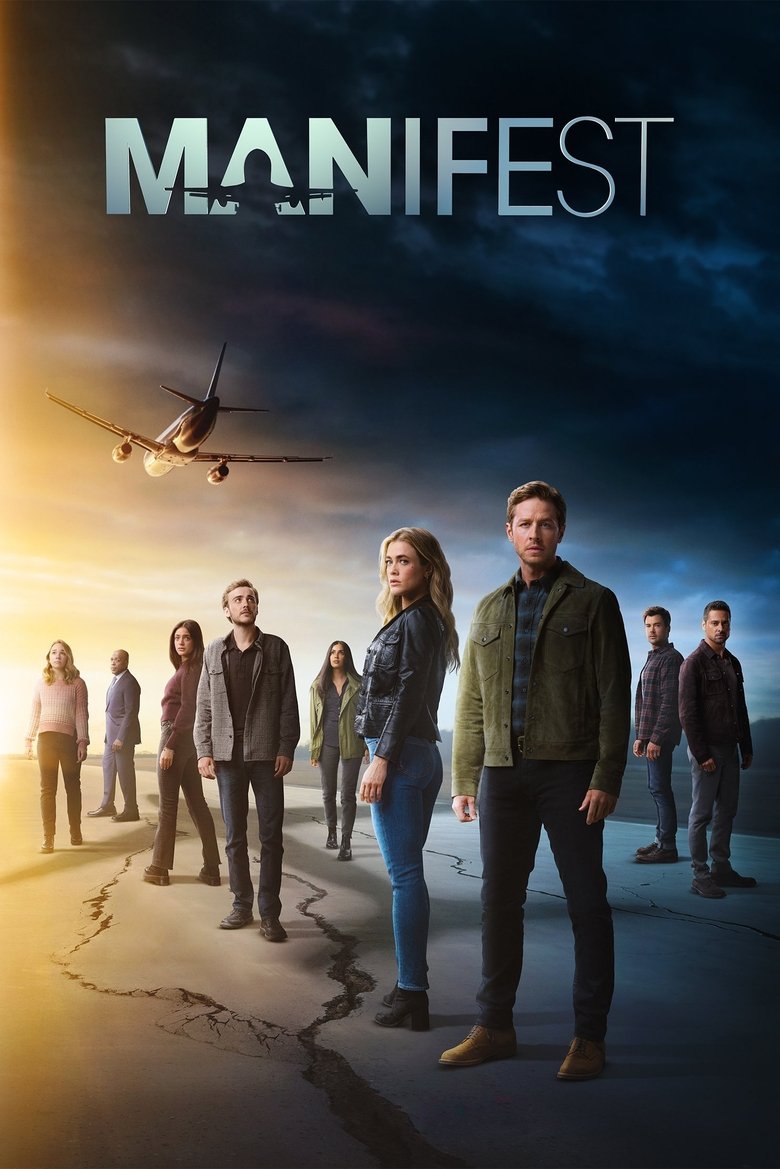
After landing from a turbulent but routine flight, the crew and passengers of Montego Air Flight 828 discover five years have passed in what seemed like a few hours.
