

2019–2024 · Based on 4 seasons through August 8, 2024 ·
The Umbrella Academy follows seven children born on the same day to women who did not know they were pregnant. A rich inventor adopts them and trains them as superheroes. Years later, the grown siblings reunite after his death and try to stop disasters tied to their powers and time travel. The show mixes action, dark jokes, science fiction, and family drama. The television version turns the mostly white comic family into a racially mixed group. Allison joins a civil rights group and protests segregation in 1960s Dallas, and the show gives Klaus and Vanya relationships with people of the same sex. In Season 3, Viktor comes out as trans and his siblings accept his name and pronouns. These arcs shape parts of Seasons 2 and 3, while Season 4 centers on the family's last fight to save the world.
Community feedback
Was our 89% Woke rating accurate?
Loading review details…
Breakdown
These are the editorial factors and ratings behind our score for The Umbrella Academy.
Woke representation / casting
Allison is a black lead even though her comic character was drawn white. The sibling team also includes Latino and Asian American performers in major roles. Steve Blackman said he wanted the cast to reflect an inclusive and diverse world. The series also changes the comic character Cha-Cha from a man to a woman.
69%
Woke political dialogue
Allison talks with Ray and local organizers about segregation and the protests they plan in Dallas. She uses her power against a diner manager who insults her at a whites-only diner. Viktor tells his siblings his new name, and they accept him.
42%
Identity-driven story themes
Allison’s civil rights work drives a major part of Season 2. Vanya falls in love with Sissy, a married woman, while they live in Dallas. Klaus’s love for Dave, a male soldier, shapes his choices in Season 2. Viktor’s transition and his family’s acceptance form a clear story beat in Season 3.
60%
Western institutional / cultural critique
Season 2 shows Allison facing racist rules and threats in 1963 Dallas. Allison and Ray join local activists in a sit-in at a whites-only diner. The episode also shows police brutality around the protest. Blackman said the story spoke to present-day racial debates after George Floyd’s killing.
40%
Woke character or canon changes
Allison is white in the comics, while the show casts black actor Emmy Raver-Lampman. Comic Cha-Cha is a man, while the show gives the role to Mary J. Blige as a woman. Elliot Page’s character changes from Vanya to Viktor after Page came out as trans. Blackman said he revised finished scripts with Page to add Viktor’s coming-out story.
75%
Anti-woke backlash and complaints
Metacritic reviewers call the show woke and criticize the change from Vanya to Viktor. Reddit posters likewise say the transition was forced or changed the character to serve representation. X accounts repeat complaints about LGBT messaging and blame it for later seasons. A small entertainment outlet reported divided fan feelings about Viktor’s transition.
36%
Creator track record context
Steve Blackman has a stored score of 62 and has publicly supported inclusive casting and Viktor’s transition. Gerard Way has a stored score of 95 and has repeatedly supported trans and nonbinary people, feminism, and racial diversity. Lauren Schmidt Hissrich has a stored score of 65 and has supported LGBTQ inclusion and diverse casting.
70%
Production
TV Show · 2022
Navy SEAL Commander James Reece turns to vengeance as he investigates the mysterious forces behind the murder of his entire platoon.
TV Show · 2017
Daredevil, Jessica Jones, Luke Cage and Iron Fist join forces to take on common enemies as a sinister conspiracy threatens New York City.
TV Show · 2023
After washing ashore in France, Daryl struggles to piece together how he got there and why, as he navigates a fractured, walker-infested landscape to find his way home.
TV Show · 2022
An episodic anthology series focused on both new and established characters set in the world of "The Walking Dead."
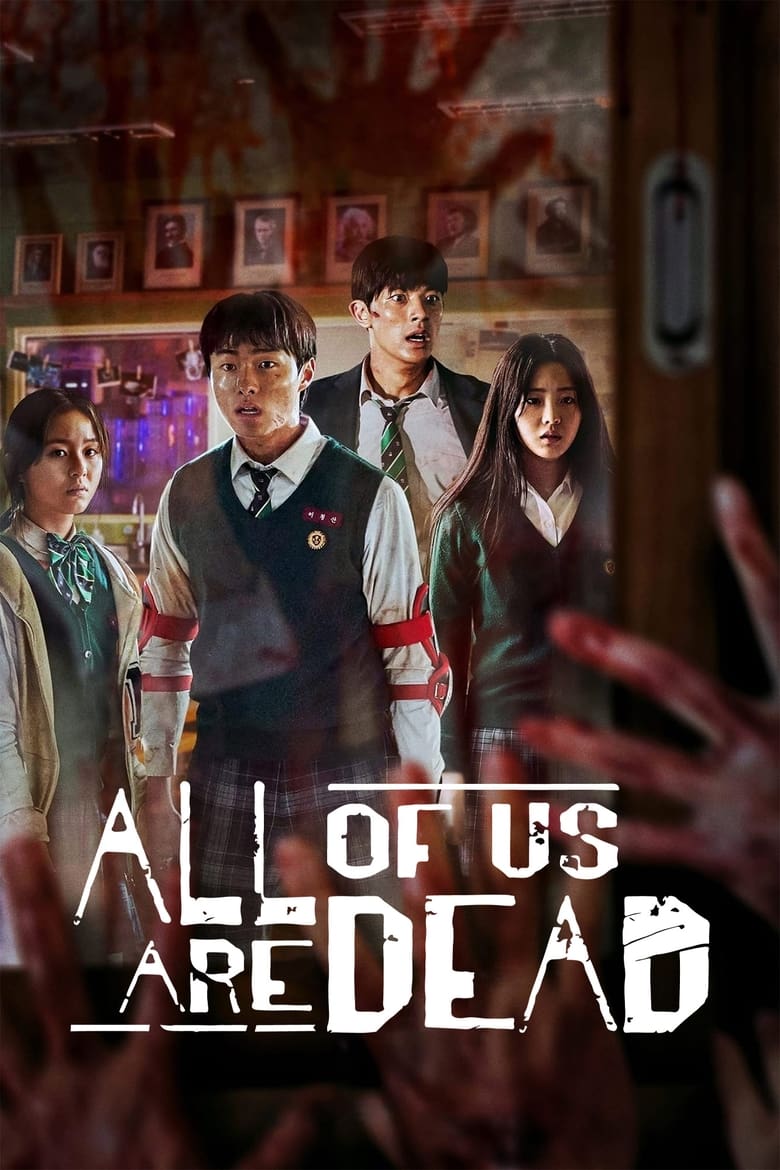
TV Show · 2022
A high school becomes ground zero for a zombie virus outbreak. Trapped students must fight their way out — or turn into one of the rabid infected.
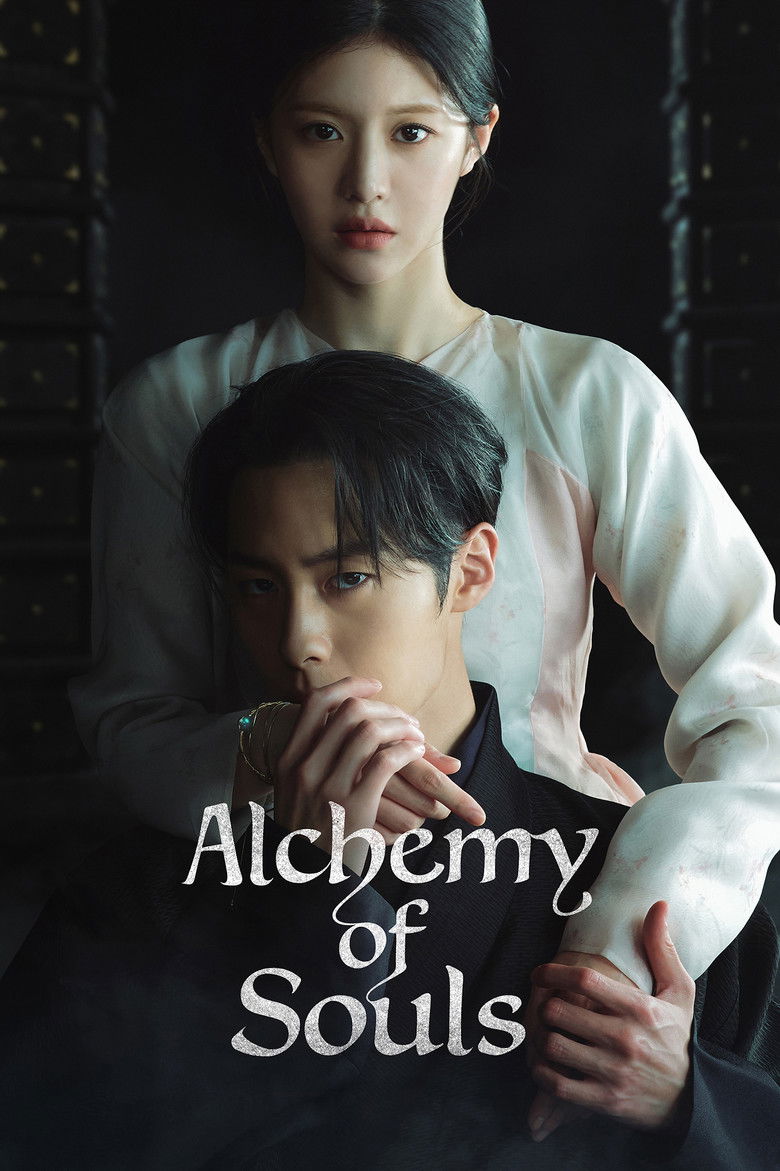
TV Show · 2022
A powerful sorceress in a blind woman's body encounters a man from a prestigious family, who wants her help to change his destiny.
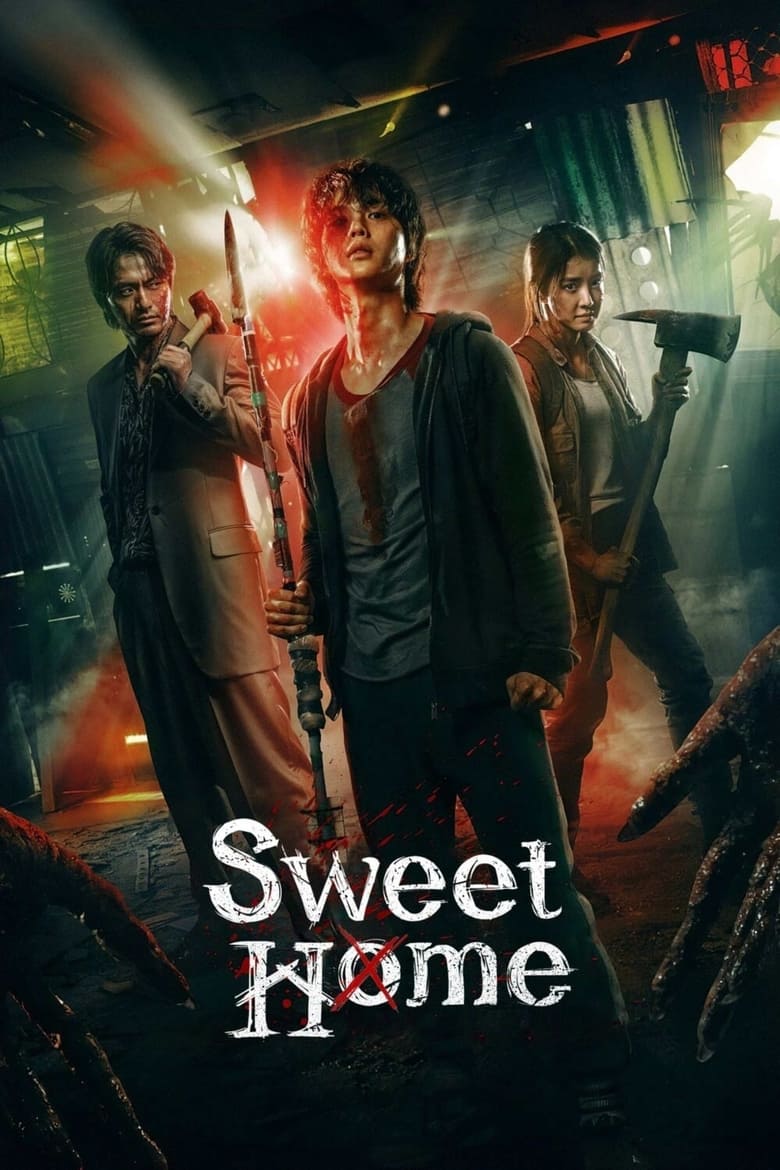
TV Show · 2020
As humans turn into savage monsters and the world plunges into terror, a handful of survivors fight for their lives — and to hold on to their humanity.
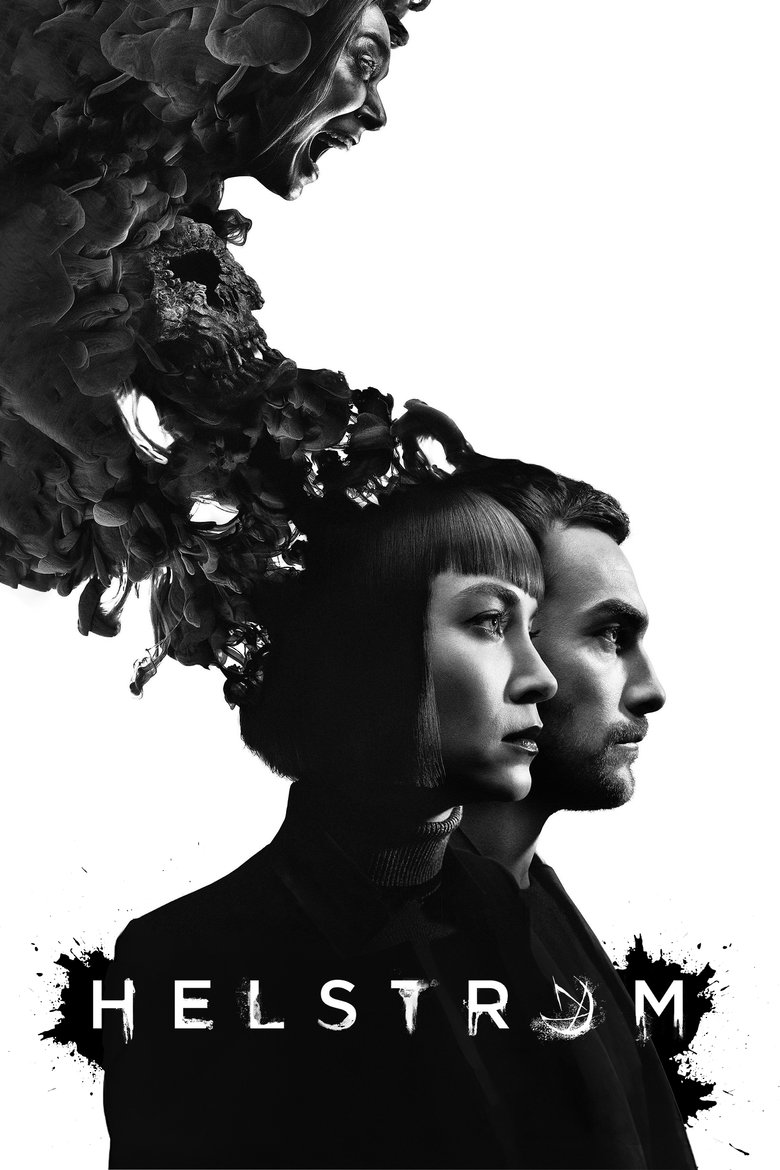
TV Show · 2020
Daimon and Ana Helstrom are the son and daughter of a mysterious and powerful serial killer. The siblings have a complicated dynamic as they track down the terrorizing worst of…
