

BlackBerry follows Mike Lazaridis, an engineer trying to build a phone that can send email. Mike and his friend Doug Fregin run a small company in Waterloo, Canada, where the staff enjoy games and movie nights. Jim Balsillie joins them and brings the drive needed to turn their invention into a huge business. The film starts as an awkward office comedy and grows darker as success puts their friendship and judgment under pressure. Mike cares about careful engineering, but his pride makes him slow to accept what customers want next. Jim pushes sales, recruits skilled workers, and takes dangerous risks to keep the company growing. Doug tries to protect the friendly workplace as strict managers take control. The arrival of the iPhone exposes their mistakes, while rushed products and dishonest stock deals deepen the trouble. The main themes are ambition, loyalty, lost friendship, and the cost of refusing to change.
Community feedback
Was our 5% Woke rating accurate?
Loading review details…
Breakdown
These are the editorial factors and ratings behind our score for BlackBerry.
Woke representation / casting
Not present. The main cast portrays the male founders and business leaders without a diversity-first casting message.
0%
Woke political dialogue
Not present. The dialogue focuses on engineering, sales, rivalry, and personal ambition.
0%
Identity-driven story themes
Not present. Mike, Jim, and Doug face problems caused by business pressure, pride, and damaged trust.
0%
Western institutional / cultural critique
Not present. The film shows specific business mistakes and dishonest deals rather than blaming Western values or capitalism as a whole.
0%
Woke character or canon changes
Not relevant. Dramatizes real people and events with narrative liberties for comedy but introduces no identity or DEI-driven alterations.
0%
Anti-woke backlash and complaints
Not present. The documented complaints concern historical accuracy.
0%
Creator track record context
Sara Kay has described giving queer actors the first opportunity on queer stories. Jenny Lewis’s casting partnership has also used that representation-first approach. Fraser Ash’s credits include Closet Monster, a queer coming-of-age film. These stored creator histories provide the main identity-focused background among the film’s creative team.
24%
Production
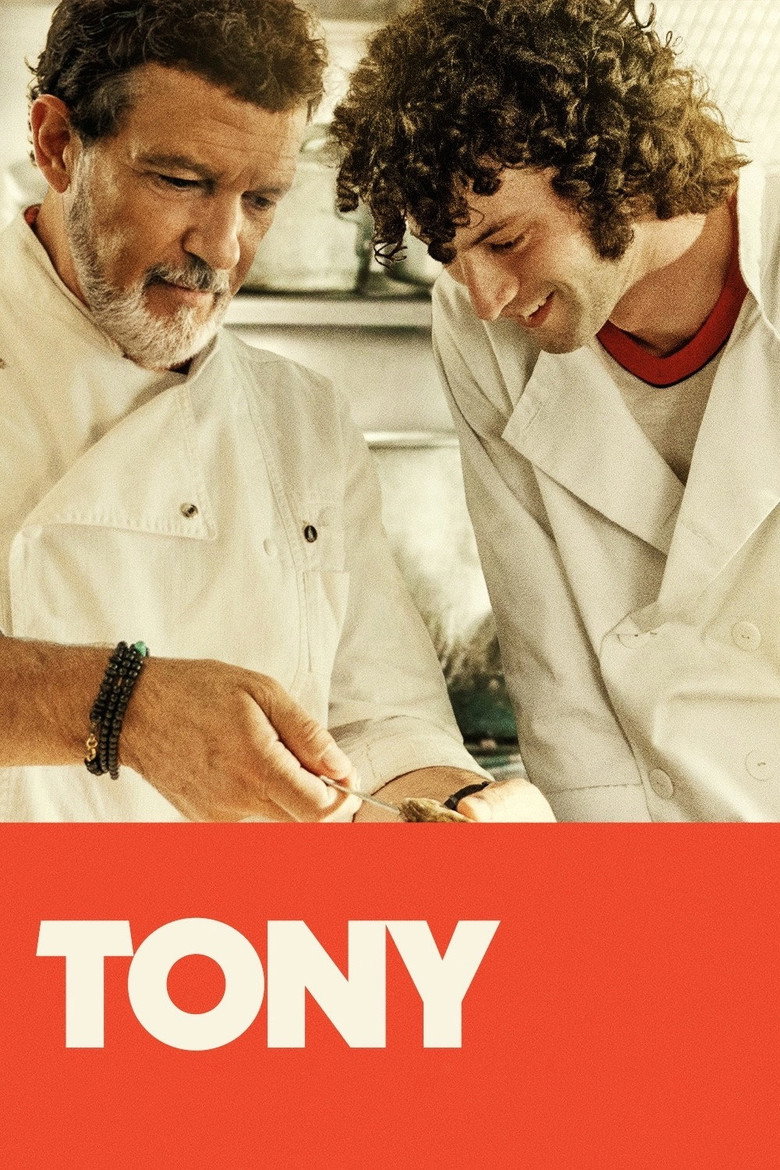
Movie · 2026
A 19-year-old Anthony Bourdain travels to Provincetown and stumbles into the chaotic world of a restaurant kitchen, setting off a summer that will shape the course of his life.

Movie · 2023
Single mom Flora is at a loss about what to do with her rebellious teenage son, Max. Her efforts to keep him out of trouble lead to a beat-up acoustic guitar, a washed-up LA…

Movie · 2019
An unlikely friendship between two neighbors becomes an unexpectedly emotional journey when the younger man is diagnosed with terminal cancer.
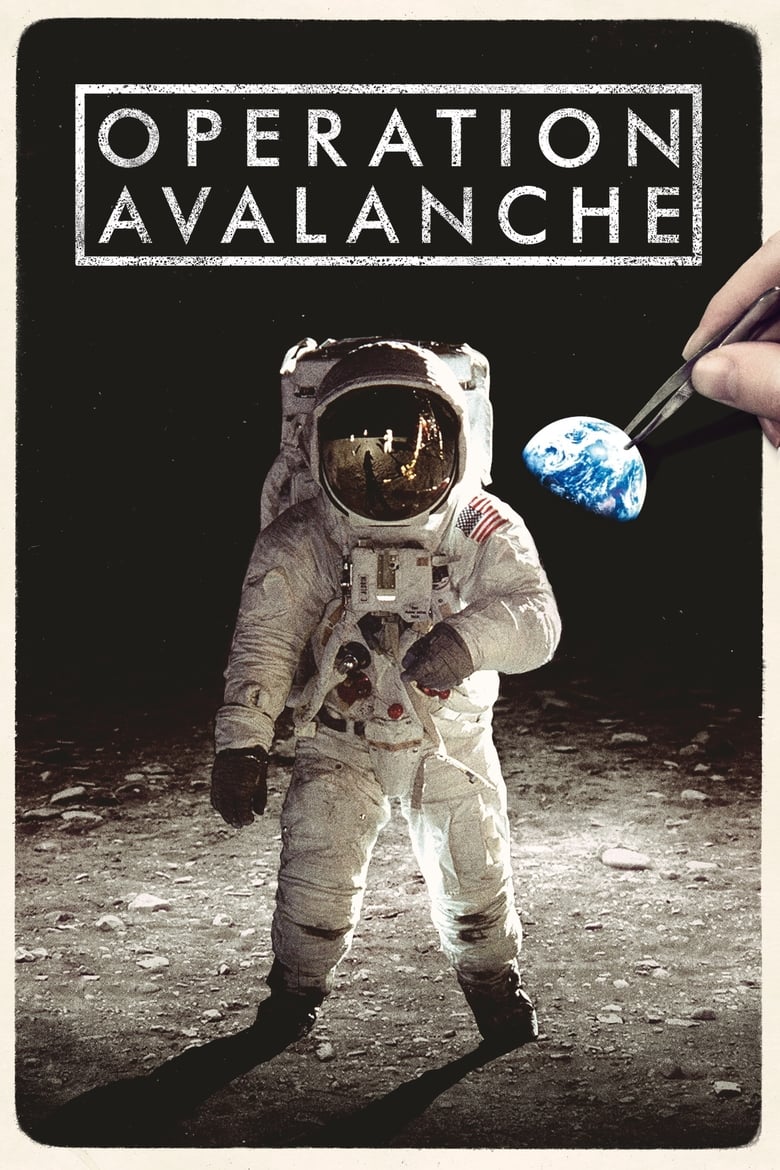
Movie · 2016
In 1967, four undercover CIA agents were sent to NASA posing as a documentary film crew. What they discovered led to one of the biggest conspiracies in American history.
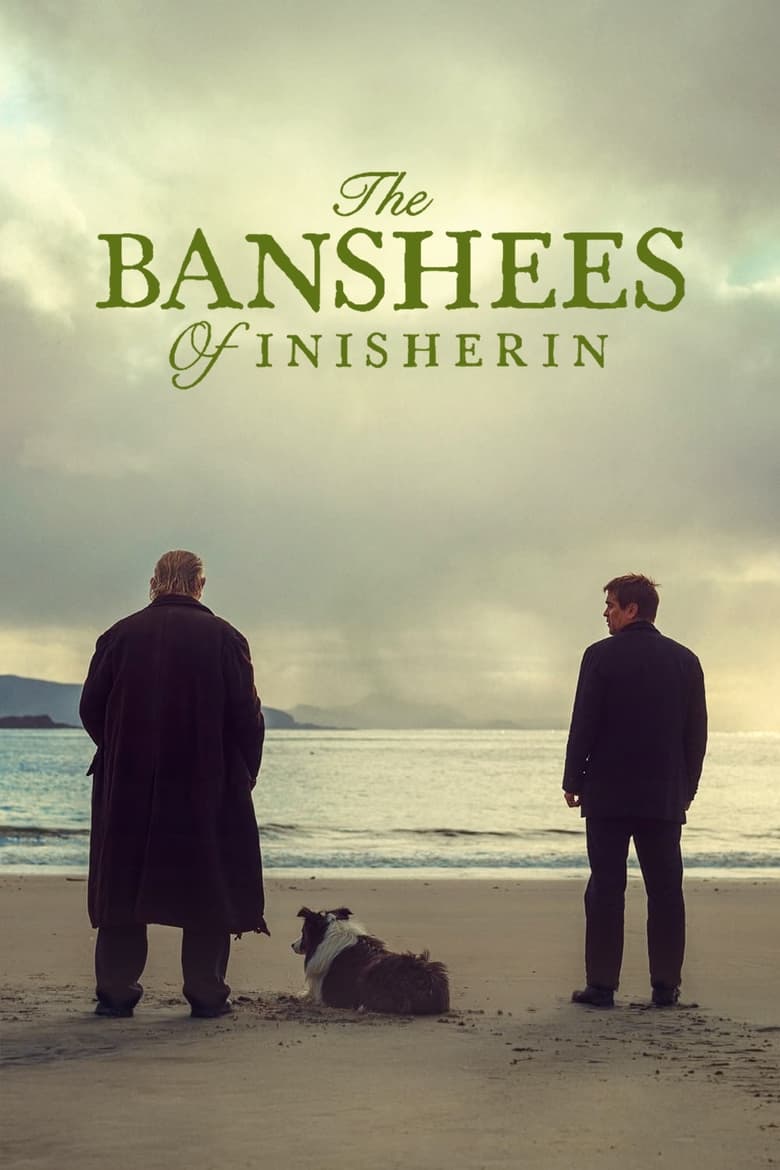
Movie · 2022
Two lifelong friends find themselves at an impasse when one abruptly ends their relationship, with alarming consequences for both of them.
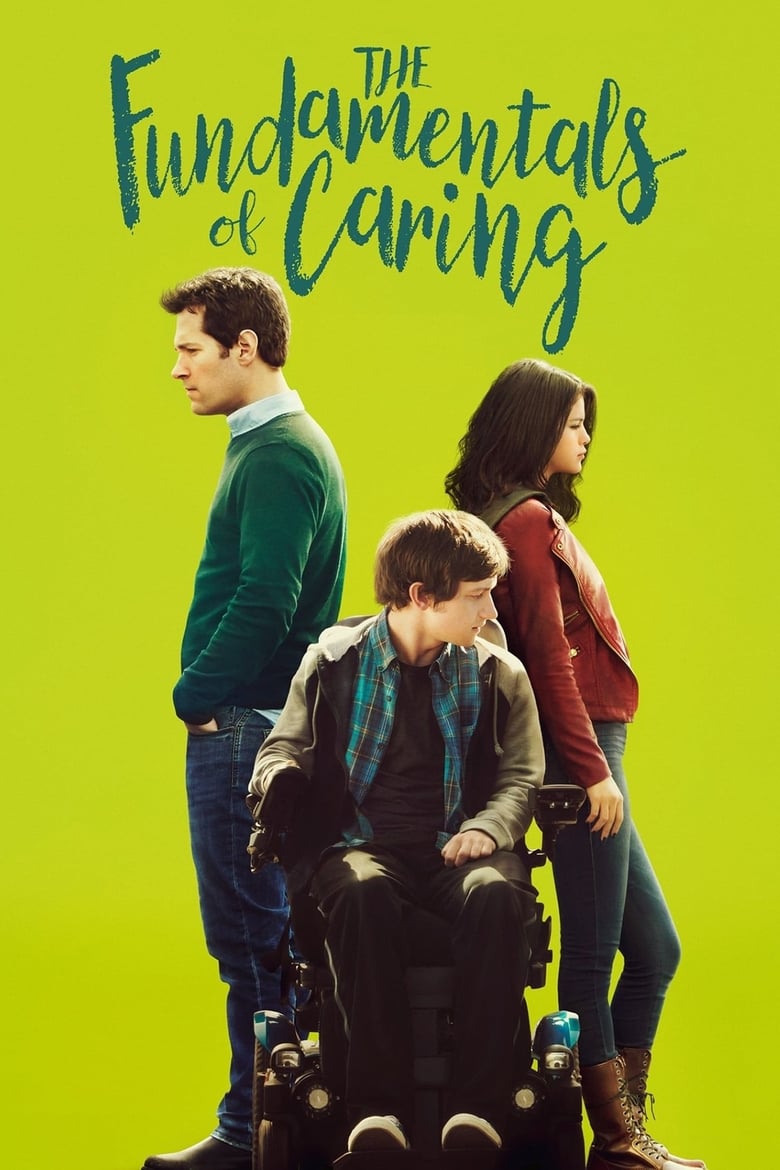
Movie · 2016
Having suffered a tragedy, Ben becomes a caregiver to earn money. His first client, Trevor, is a hilarious 18-year-old with muscular dystrophy.

Movie · 2016
Two high school girls are best friends until one dates the other's older brother, who is totally his sister's nemesis.
Movie · 2020
Scott has been a case of arrested development ever since his firefighter father died when he was seven. He's now reached his mid-20s having achieved little, chasing a dream of…
