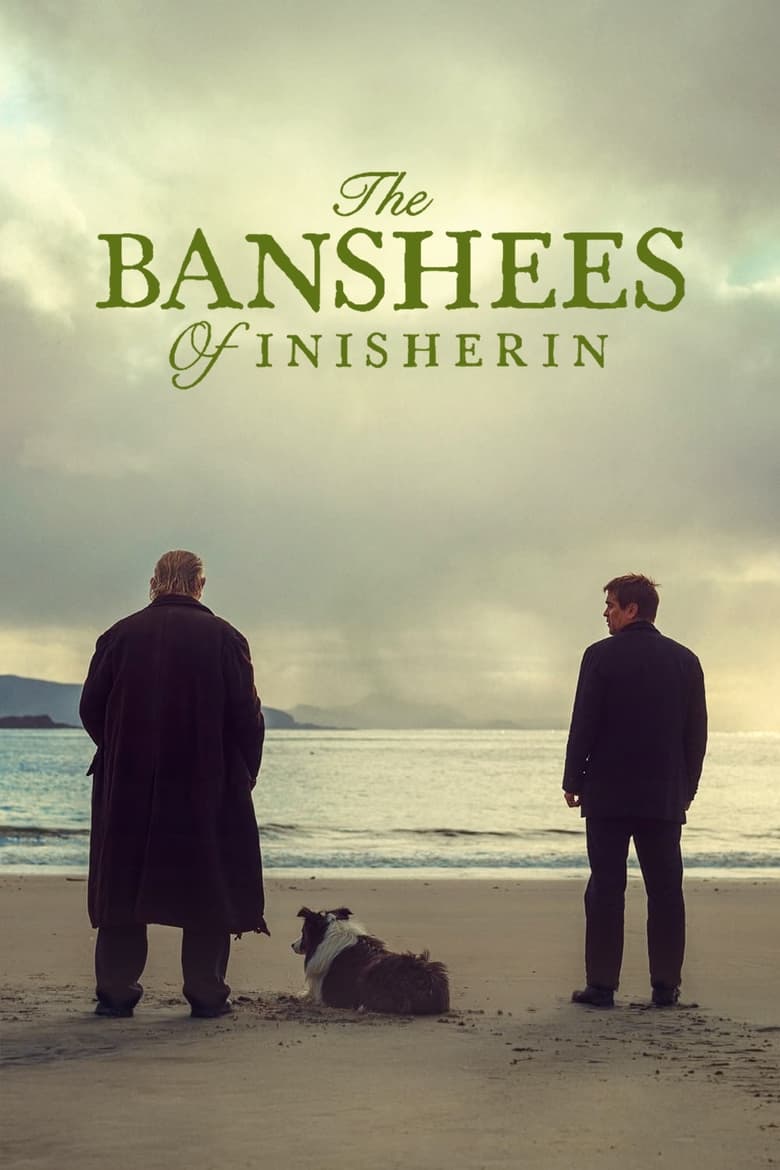

Pádraic lives with his sister Siobhán on a small Irish island in 1923. His old friend Colm suddenly ends their daily friendship because he wants to spend his time making music. Pádraic keeps trying to change Colm’s mind, but the feud grows and brings strange, painful trouble to their neighbours. The Irish Civil War can be heard across the water, though the film keeps its fighting out of view. The film mixes dark jokes with sadness and sudden violence. Colm fears that people will forget him, while Pádraic values kindness and wants his friend back. Their pride and anger hurt their neighbours, including Dominic, who lives with a violent father. Siobhán loves books and grows tired of island life and the care work she does for her brother. She accepts a job at a mainland library and leaves, while Pádraic chooses to stay. Her smaller story shows a woman trying to make a life beyond home and family duties.
Community feedback
Was our 16% Woke rating accurate?
Loading review details…
Breakdown
These are the editorial factors and ratings behind our score for The Banshees of Inisherin.
Woke representation / casting
Not present. The main cast portrays Irish characters in an Irish setting.
0%
Woke political dialogue
Siobhán calls Colm “one boring man” after he describes Pádraic as dull. She then tells Colm and Pádraic that all the men are boring and their arguments are petty. Her words briefly turn the feud into a gendered joke.
4%
Identity-driven story themes
Siobhán loves books and wants a life beyond the island. She accepts a library job on the mainland and leaves her brother and their home. Her smaller story links a woman’s freedom to finding a life beyond family duties.
12%
Western institutional / cultural critique
Siobhán takes care of Pádraic and does much of the work at their home. She grows tired of island life and accepts a library job on the mainland. The story lets her leave her family duties and build a separate life.
10%
Woke character or canon changes
Not relevant. The film uses original characters on a made-up island.
0%
Anti-woke backlash and complaints
Not present. The reported grievance concerned Irish stereotypes and the Civil War portrayal.
0%
Creator track record context
Martin McDonagh has a stored score of 12 and says he tells stories instead of promoting political or social “isms.” He called Three Billboards anti-racist in intent and supported First Nations people. Casting director Louise Kiely’s stored score is 43 and reflects her support for women in film and inclusive casting calls. The named producers’ stored scores range from 37 to 42, while script supervisor Jeanette McGrath’s score is 15.
35%
Production
Movie · 2016
An improv group deals with several crises, including the loss of their lease and one member hitting the big time.
Movie · 2019
An unlikely friendship between two neighbors becomes an unexpectedly emotional journey when the younger man is diagnosed with terminal cancer.

Movie · 2017
When dictator Joseph Stalin dies, his parasitic cronies square off in a frantic power struggle to become the next Soviet leader.
Movie · 2017
Steve Coogan and Rob Brydon embark on a road trip along the coast of Spain.
Movie · 2020
Scott has been a case of arrested development ever since his firefighter father died when he was seven. He's now reached his mid-20s having achieved little, chasing a dream of…
Movie · 2024
Mismatched cousins David and Benji reunite for a tour through Poland to honor their beloved grandmother. The adventure takes a turn when the pair's old tensions resurface against…

Movie · 2023
Two mismatched entrepreneurs – egghead innovator Mike Lazaridis and cut-throat businessman Jim Balsillie – joined forces in an endeavour that was to become a worldwide hit in…

Movie · 2024
Emotions run high when three estranged sisters reunite in a cramped New York City apartment to watch over their ailing father during his final days.
