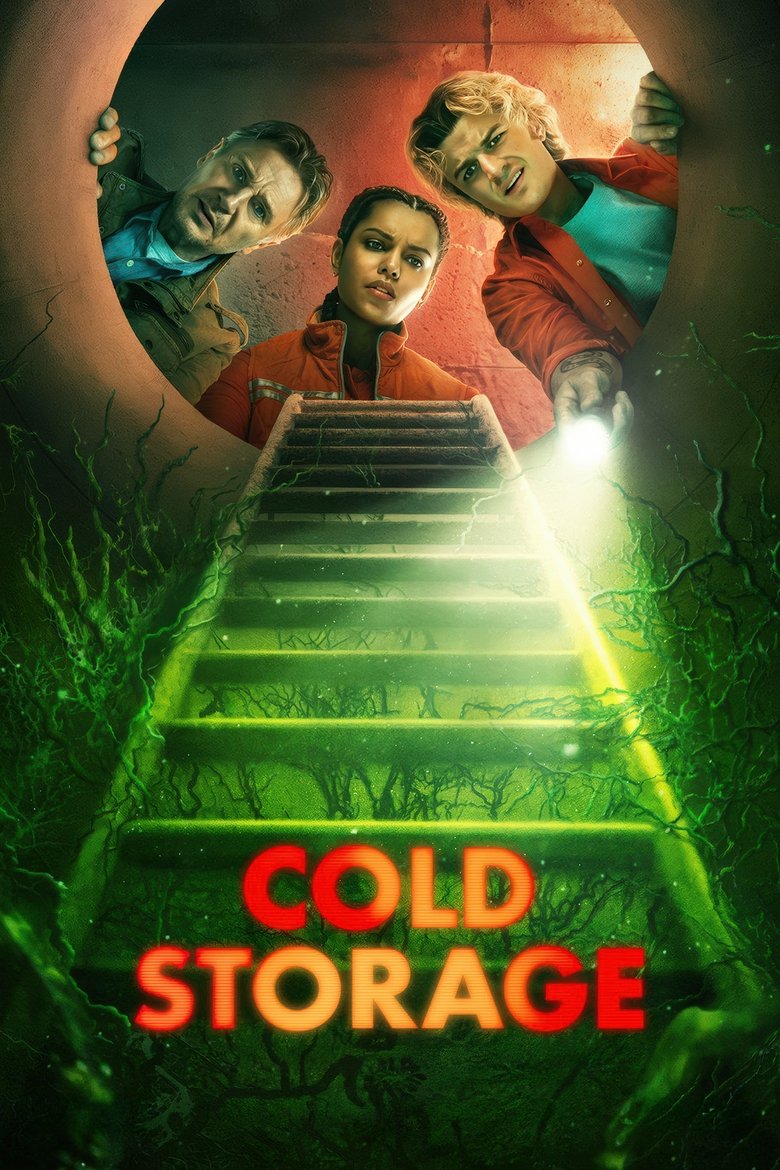

Travis, nicknamed Teacake, and Naomi work the night shift at a storage business built above an old military base in Kansas. They follow a strange alarm into hidden rooms and discover a deadly fungus that can take over people and animals. Retired bioterror agent Robert Quinn races to help them stop it before it reaches the outside world. The film mixes bloody monster attacks with silly jokes and a growing bond between the two workers. Naomi often pushes the pair forward and uses her science knowledge to understand the danger. She shares the dangerous job of placing a bomb with Travis, and other women also help fight or stop threats. Travis brings courage and concern for others, while Naomi wants to return safely to her young daughter. Brief climate-change lines explain why the fungus can spread, but the main story follows ordinary people learning to trust each other during a deadly night.
Community feedback
Was our 25% Woke rating accurate?
Loading review details…
Breakdown
These are the editorial factors and ratings behind our score for Cold Storage.
Woke representation / casting
Not present. The mixed cast fits the modern American setting.
0%
Woke political dialogue
Teacake mentions global warming while talking about unusual weather. Robert says climate change warmed the underground spring and weakened containment. Jerabek refuses to discuss Robert’s warning. The exchange supports the modern climate-change position by showing Robert’s warning was right.
12%
Identity-driven story themes
Naomi takes a continuing role as a leader and fighter beside Travis. Naomi pushes their investigation forward and uses her science knowledge to explain the danger. Naomi shares the bomb mission and helps rescue the injured Robert. Ma Rooney and Trini also take protector roles by shooting attackers. These women take traditionally male action roles that help decide who survives.
31%
Western institutional / cultural critique
Not present. Military neglect and a criminal boss create danger without a clear attack on Western values or capitalism as a whole.
0%
Woke character or canon changes
Not present in this title.
0%
Anti-woke backlash and complaints
Not present. The documented criticism concerns the film’s humor, effects, violence, and pacing.
0%
Creator track record context
David Koepp has said American films should better reflect the country’s racial diversity. Julie Harkin’s company supports equal opportunity across race, gender, sexuality, disability, and background. Harkin has described inclusive casting on I May Destroy You. These statements provide the team’s clearest representation-focused context.
31%
Production
Movie · 2022
Legendary rock band Foo Fighters move into an Encino mansion steeped in grisly rock and roll history to record their much anticipated 10th album.
Movie · 2019
Columbus, Tallahassee, Wichita, and Little Rock move to the American heartland as they face off against evolved zombies, fellow survivors, and the growing pains of the snarky…
Movie · 2024
A family's vacation to a remote getaway takes an unexpected turn when they discover the present-day implications of the island's cannibalistic past.

Movie · 2026
A 'Man from the Future' arrives at an LA diner where he must recruit the precise combination of disgruntled patrons to join him on a one-night quest to save the world from the…

Movie · 2020
At the height of the Cold War, a Soviet spacecraft crash lands after a mission gone awry, leaving the commander as its only survivor.

Movie · 2026
When their plan to book a show at the Rivoli goes horribly wrong, Matt and Jay accidentally travel back to the year 2008.
Movie · 2020
Looking for an escape from her recurring nightmares, 18-year-old Sarah submits to a university sleep study, but soon realizes she's become the conduit to a frightening new…

Movie · 2025
When twin brothers find a mysterious wind-up monkey, a series of outrageous deaths tear their family apart. Twenty-five years later, the monkey begins a new killing spree forcing…
