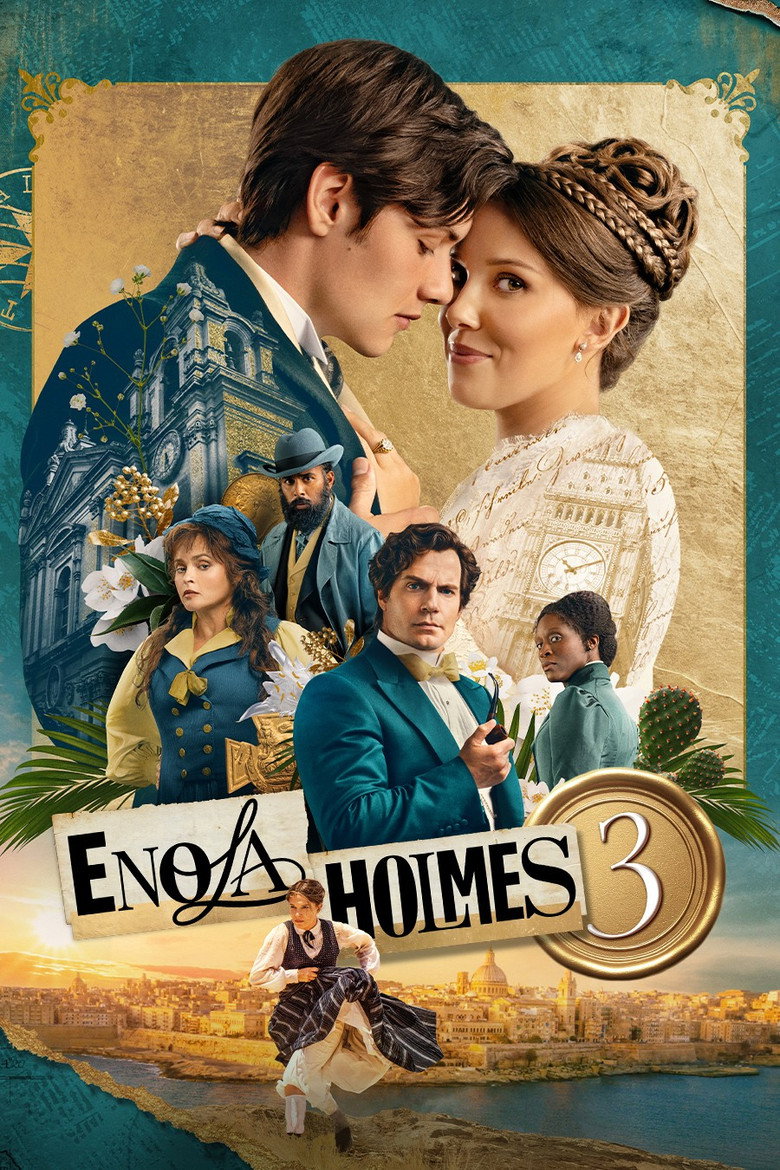

Enola Holmes travels to Malta under British control so she can marry Lord Tewkesbury. She fears that life as a lady will cost her the Holmes name and her work as a detective. Sherlock vanishes before the wedding, and Enola hunts for him with Dr. Watson. The trail leads to the escaped mastermind Moriarty and to gold that British officers stole in Afghanistan and hid in Malta. The tone stays playful, but the case turns serious as Maltese fighters push back against British rule. The stolen gold is the heart of the mystery, and the movie treats giving it back as the right ending. Enola and Sherlock make sure Britain does not keep the treasure. The officers who covered up the theft are exposed. A black woman plays Moriarty, and a British Indian actor plays Dr. Watson. Those two famous roles are usually shown as white men. Characters say out loud that the British empire will not admit guilt and that British names carry the pain of empire. Enola keeps her own last name. Tewkesbury drops his lord title after he learns about his father's crimes.
Community feedback
Was our 90% Woke rating accurate?
Loading review details…
Breakdown
These are the editorial factors and ratings behind our score for Enola Holmes 3.
Woke representation / casting
Sharon Duncan-Brewster plays Moriarty as a black woman, unlike the usual white male professor. Himesh Patel plays Dr. Watson as a British Indian man, and the story ties his father to British rule in India. Susan Wokoma returns as Edith, Enola's mentor. Patel and Jack Thorne have said the Indian Watson casting was chosen to help tell the empire story. Enola, Sherlock, and Tewkesbury remain the main leads.
52%
Woke political dialogue
Moriarty says the British empire cannot admit guilt and that few British names are free of empire pain. Watson tells Tewkesbury that his father served British rule in India and that he later saw what the crown did in Africa. A British governor tells a Maltese officer that Enola is English and therefore his better. Enola's mother ends the wedding by telling the woman she may now kiss the husband.
63%
Identity-driven story themes
The mystery is built on gold stolen from an Afghan shrine and hidden by British officers. Enola helps send that gold back instead of leaving it with Britain. Maltese fighter Mikiel Mizzi wants his country free of the crown, and the scandal is meant to help that fight. Enola refuses to lose her name and her detective work when she marries. Tewkesbury drops his lord title after he learns what his father did.
68%
Western institutional / cultural critique
The film treats the British empire, army honor, and a lord's title as stained by theft and lies. The heroes expose the officers and reject keeping the gold for Britain. A Maltese helper must walk behind Enola and pretend to be a servant because British rank will not let him walk beside her. Enola spends the story afraid that wife rules will erase her. The ending rewards her for keeping her name and rewards Tewkesbury for giving up the title.
66%
Woke character or canon changes
Doyle's Moriarty is played by a black woman, Sharon Duncan-Brewster, also called Mira Troy and Professor Adeline Rathe. Dr. Watson is played by Himesh Patel, and the script makes his Indian family part of the plot. Those are race and gender changes to two famous Holmes characters, and both matter on screen. The screenplay is an original Jack Thorne story, not a Nancy Springer novel plot. It still continues this series' rewrite of the Holmes world.
64%
Anti-woke backlash and complaints
Viewers on X, IMDb, and comment sections call the film woke, anti-British, and overloaded with diversity casting. They attack the black woman Moriarty, the Indian Watson, and the empire lecture. The same complaints appear from July through September 2026, though most single posts stayed small. The Irish Times notes that this material will annoy people who think Netflix pushes woke stories. The complaints are real and repeated, but they never became a national news fight.
48%
Creator track record context
Jack Thorne scores 65 and chose colonial history as this film's social subject. Shaheen Baig scores 55 for representation-focused casting. Philip Barantini scores 48, and Millie Bobby Brown scores 47 for girls' causes and public ally work. Nancy Springer scores 41 for feminist adventure books, while Arthur Conan Doyle scores 27. Most other producers score near 20, so the key makers sit in a moderately progressive range.
50%
Production

Movie · 2016
Industrious high school senior Vee Delmonico has had it with living life on the sidelines. When pressured by friends to join the popular online game Nerve, Vee decides to sign up…

Movie · 2023
After starting their own detective agency, Nick and Audrey Spitz land a career-making case when their billionaire pal is kidnapped from his wedding.
Movie · 2025
A treasure-hunting mastermind assembles a team for a life-changing adventure. But to outwit and outrun threats at every turn, he'll need someone even smarter than he is: his…
Movie · 2017
A city teen travels to Montana to go hunting with his estranged father, only for the strained trip to become a battle for survival when they encounter a grizzly bear.
Movie · 2017
In a locked down train station, a homicide detective conducts an interview with a tormented monkey who is suspected of murder.

Movie · 2016
Beatrice Prior and Tobias Eaton venture into the world outside of the fence and are taken into protective custody by a mysterious agency known as the Bureau of Genetic Welfare.
Movie · 2023
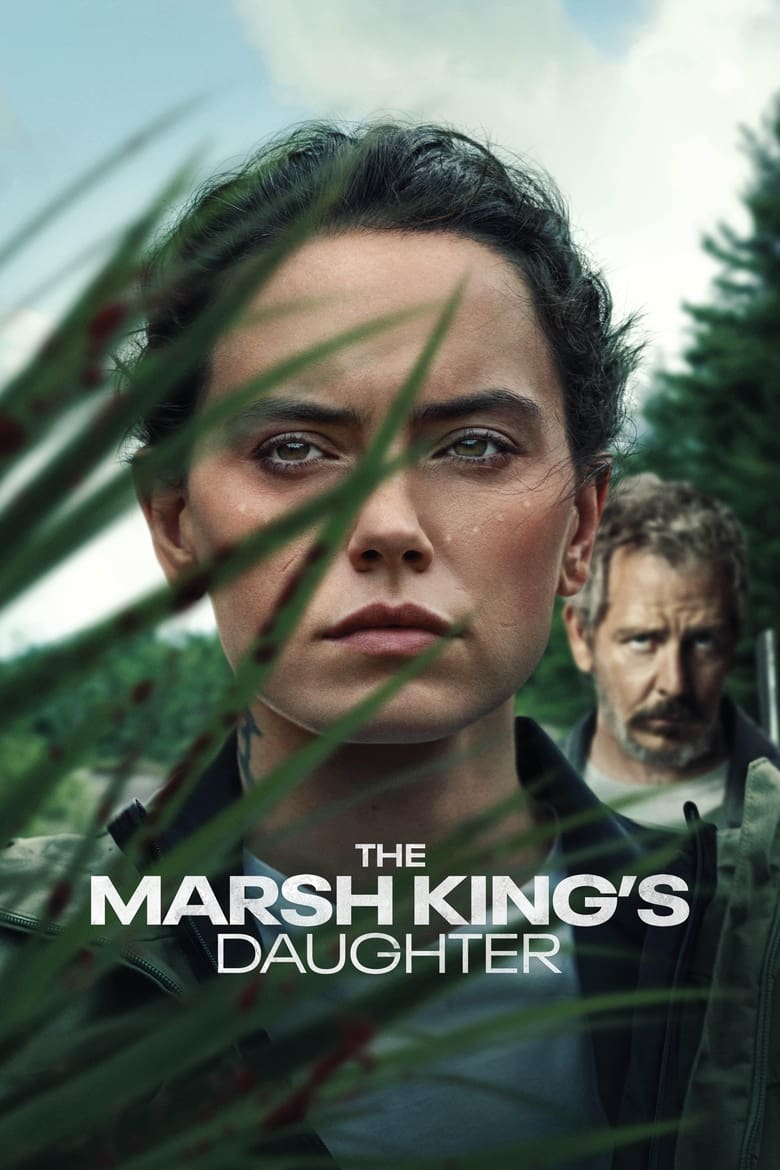
Helena, a woman living a seemingly ordinary life, hides a dark secret—her father is the infamous 'Marsh King', the man who kept her and her mother captive in the wilderness for…
Movie · 2016
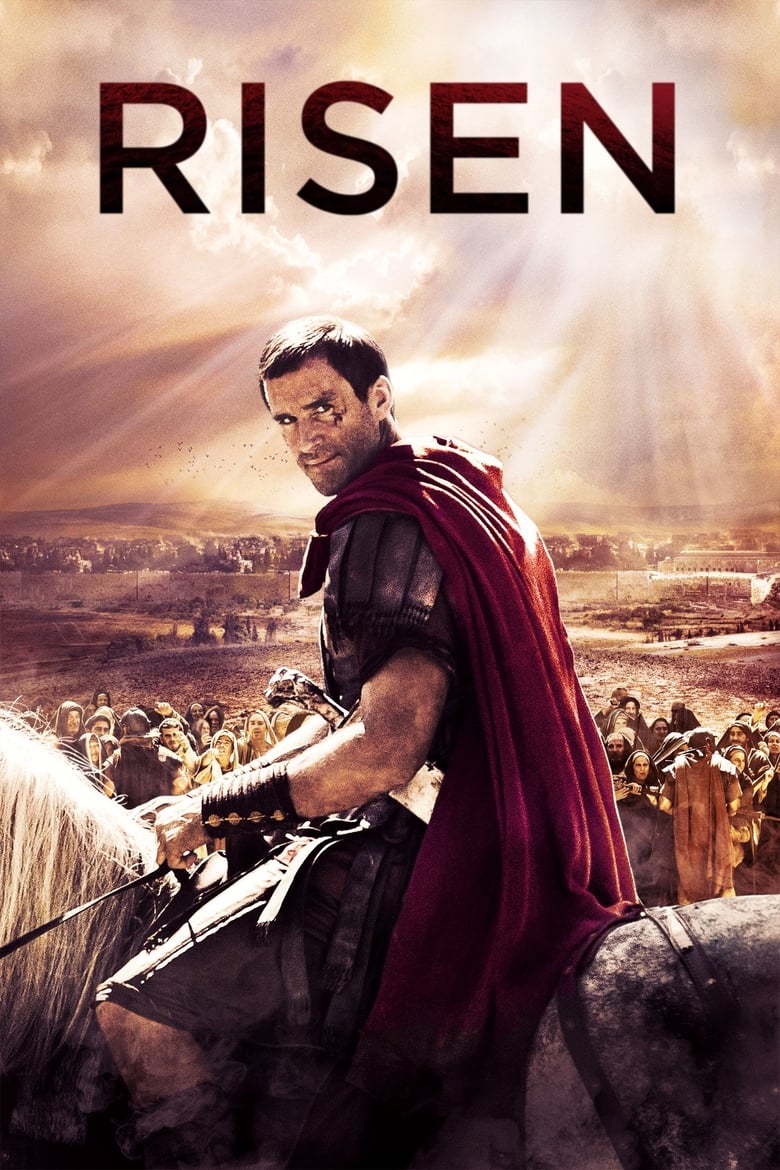
Clavius, a powerful Roman military tribune, and his aide, Lucius, are tasked with solving the mystery of what happened to Jesus in the weeks following the crucifixion, in order to…
