

Ten-year-old Max Mercer is left alone in his Chicago home when his family travels to Japan for Christmas. A married couple tries to take back a valuable doll after they face money problems. Max mistakes them for dangerous thieves and builds painful traps around the house. The film uses broad jokes, family confusion, slapstick violence, and a softer message about kindness. The film does not make modern identity politics or activism part of its main story. Its main theme is that people can look like enemies when their real problems are hidden. The movie gives the married couple more sympathy than the older films gave their burglars. A mixed supporting cast appears, but the film does not present that casting as a political message. The central conflict stays focused on family, money, misunderstanding, and Christmas comedy.
Community feedback
Was our 5% Woke rating accurate?
Loading review details…
Breakdown
These are the editorial factors and ratings behind our score for Home Sweet Home Alone.
Woke representation / casting
Not present in this title.
0%
Woke political dialogue
Not present in this title.
0%
Identity-driven story themes
Not present in this title.
0%
Western institutional / cultural critique
Not present in this title.
0%
Woke character or canon changes
Not present in this title.
0%
Anti-woke backlash and complaints
One user review called the film “woke trash,” but the claim had no clear spread or major news pickup. Most negative reaction targeted the weak writing, the remake concept, and the changed burglar setup. The evidence supports only a very limited complaint.
5%
Creator track record context
Dan Mazer has a stored score of 30 because he co-wrote political satire aimed at Trump-era America. His other work is mostly mainstream comedy. The other key creators have low stored scores and no known activist pattern. The available creator history gives mild context, but it does not match the film with a clear woke message.
18%
Production

Movie · 2020
Peter is thrilled that his Grandpa is coming to live with his family. That is, until Grandpa moves into Peter's room, forcing him upstairs into the creepy attic.

Movie · 2024
The Herdman kids are undeniably the worst kids in the history of the world. They lie, steal, cheat, bully and overall terrorize their small community.

Movie · 2021
Buster and his new cast now have their sights set on debuting a new show at the Crystal Tower Theater in glamorous Redshore City.

Movie · 2021
On Halloween night, Gonzo and Pepe are challenged to face their fears and stay in the Haunted Mansion until sunrise, encountering many frightening, funny, and perhaps a little…

Movie · 2017
In 1843, despite the fact that Dickens is a successful writer, the failure of his latest book puts his career at a crossroads, until the moment when, struggling with inspiration…
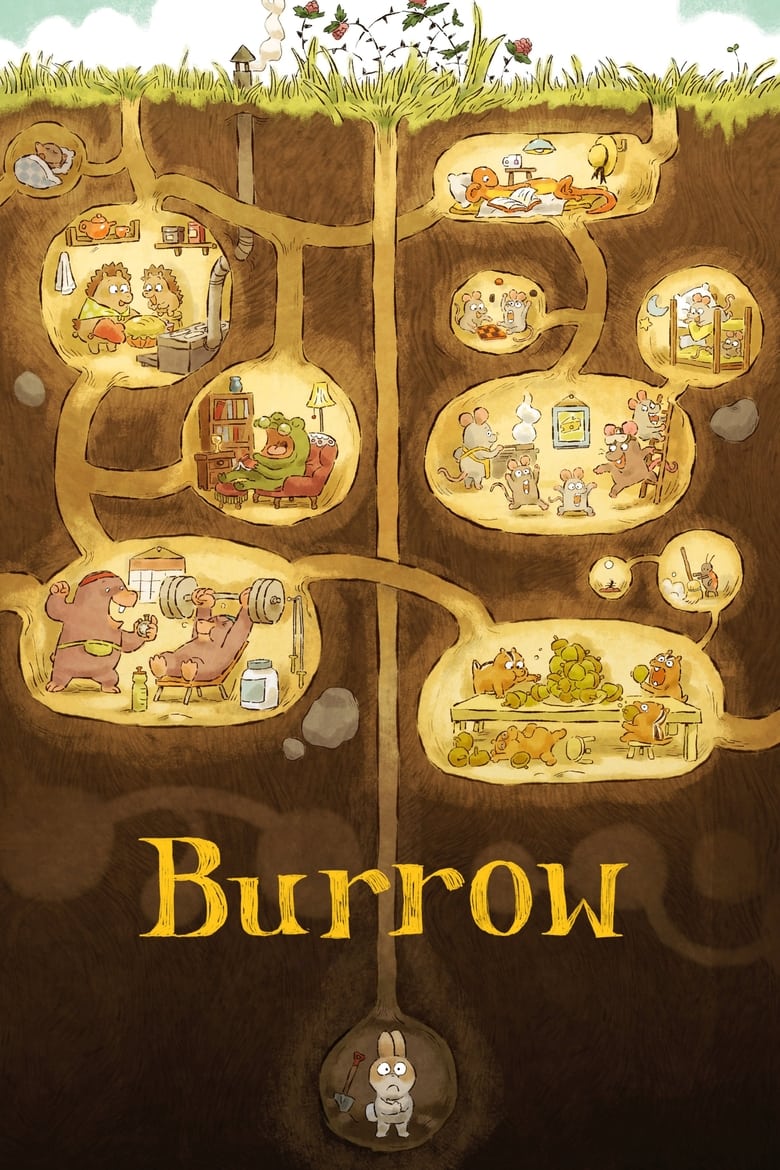
Movie · 2020
A young rabbit embarks on a journey to dig the burrow of her dreams, despite not having a clue what she's doing.
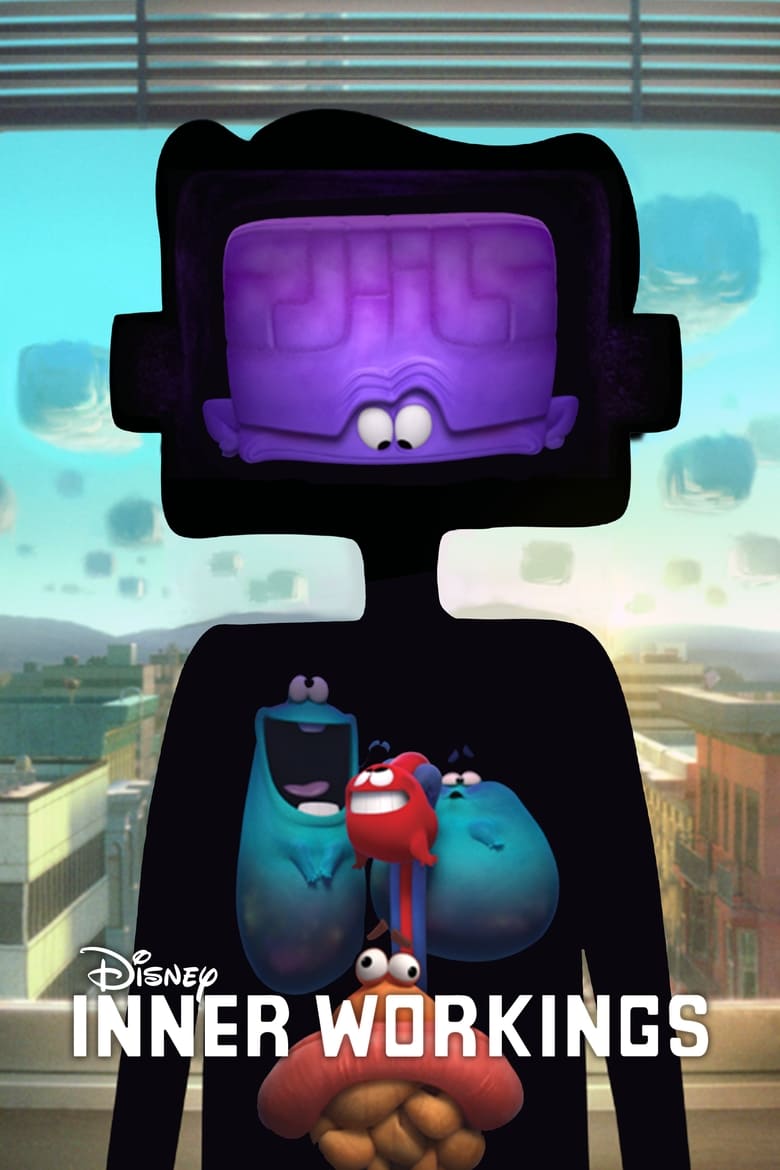
Movie · 2016
This is the story of the internal struggle between a man's Brain—a pragmatic protector who calculates his every move, and his Heart—a free-spirited adventurer who wants to let…

Movie · 2022
Follows Ralphie, now adult, who returns to the house on Cleveland Street to give his kids a magical Christmas like the one he had as a child, reconnecting with childhood friends…
