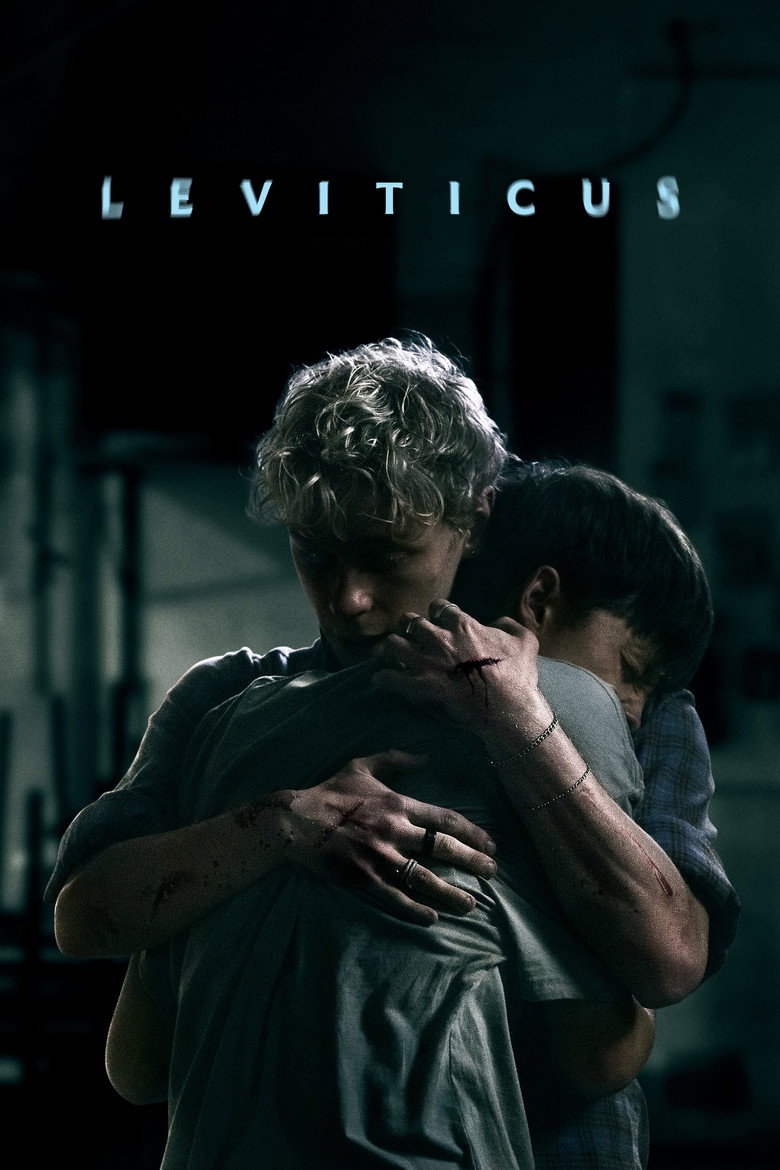

Naim moves with his mother to a small Australian town after his father dies. He joins a strict Christian community while trying to understand his growing feelings for Ryan, a confident local boy. Naim later exposes Ryan and Hunter, who are secretly involved, and the church punishes them with a frightening ritual. The ritual releases a violent entity that takes the shape of each boy’s strongest desire. The movie makes a same-sex teenage romance its main story. It presents homophobia, shame, forced change, and fear of religious punishment as the main sources of horror. The boys must choose between hiding their feelings and trusting each other. The story supports queer love and treats the church-led attempt to change them as cruel and harmful. The tone is tense, sad, romantic, and often violent.
Community feedback
Was our 88% Woke rating accurate?
Loading review details…
Breakdown
These are the editorial factors and ratings behind our score for Leviticus.
Woke representation / casting
The film places two teenage boys in the central romantic and heroic roles. Their same-sex relationship drives the plot from beginning to end. The casting and marketing present the film as a queer horror story. The representation is central, but the whole cast is not framed as a broad diversity showcase.
82%
Woke political dialogue
The pastor and healer speak and act against same-sex desire. The film uses religious language about sin and changing the boys. The director said the film originally had a more direct speech about the Bible but removed it because it felt too preachy. The political message is clear but does not appear to fill the movie with speeches.
24%
Identity-driven story themes
The story is built around two boys discovering and protecting a same-sex relationship. The main danger comes from homophobia, shame, outing, and an attempt to change their sexuality. The monster turns desire and fear into the central horror device. Queer identity is the main subject rather than a side detail.
94%
Western institutional / cultural critique
The film presents a church community, religious parents, and a healer as forces that punish queer teenagers. The story treats conversion practices and strict sexual rules as harmful forms of control. The supernatural threat grows from this religious pressure. The criticism targets a major Christian community in the story, not only one selfish person.
73%
Woke character or canon changes
Not present in this title.
0%
Anti-woke backlash and complaints
Some small online accounts linked negative ratings to the film being gay. Other posts complained about same-sex kissing or called the film hostile to Christianity. Some reports of walkouts and staff complaints were secondhand and not independently confirmed. No major outlet campaign, organized boycott, or large conservative movement was found.
12%
Creator track record context
Chiarella has a repeated record of queer and identity-focused creative work. His interviews describe homophobia, queer fear, and forced change as the film’s main ideas. The producers also include people with strong records of supporting queer or representation-focused projects.
55%
Production
Movie · 2026
After breaking the mysterious "One Wish Willow" to win his crush's heart, a hopeless romantic finds himself getting exactly what he asked for but soon discovers that some desires…

Movie · 2016
Rob is grief-stricken following the death of his girlfriend Nina, but after a failed suicide attempt he begins to move on from the tragedy and falls for his colleague Holly.
Movie · 2016
Lorraine and Ed Warren travel to north London to help a single mother raising four children alone in a house plagued by malicious spirits.
Movie · 2022
Trapped on her family’s isolated farm, Pearl must tend to her ailing father under the bitter and overbearing watch of her devout mother.

Movie · 2025
Following the death of their father, a brother and sister are sent to live with a foster mother, only to learn that she is hiding a terrifying secret.
Movie · 2016
In 1630, a farmer relocates his family to a remote plot of land on the edge of a forest where strange, unsettling things happen.
Movie · 2025
In late 15th-century Eastern Europe, Prince Vlad II’s bride is brutally murdered. As a result, he renounces God and damns Heaven itself.
Movie · 2018
German artist Kurt Barnert has escaped East Germany and now lives in West Germany, but is tormented by his childhood under the Nazis and the GDR regime.
