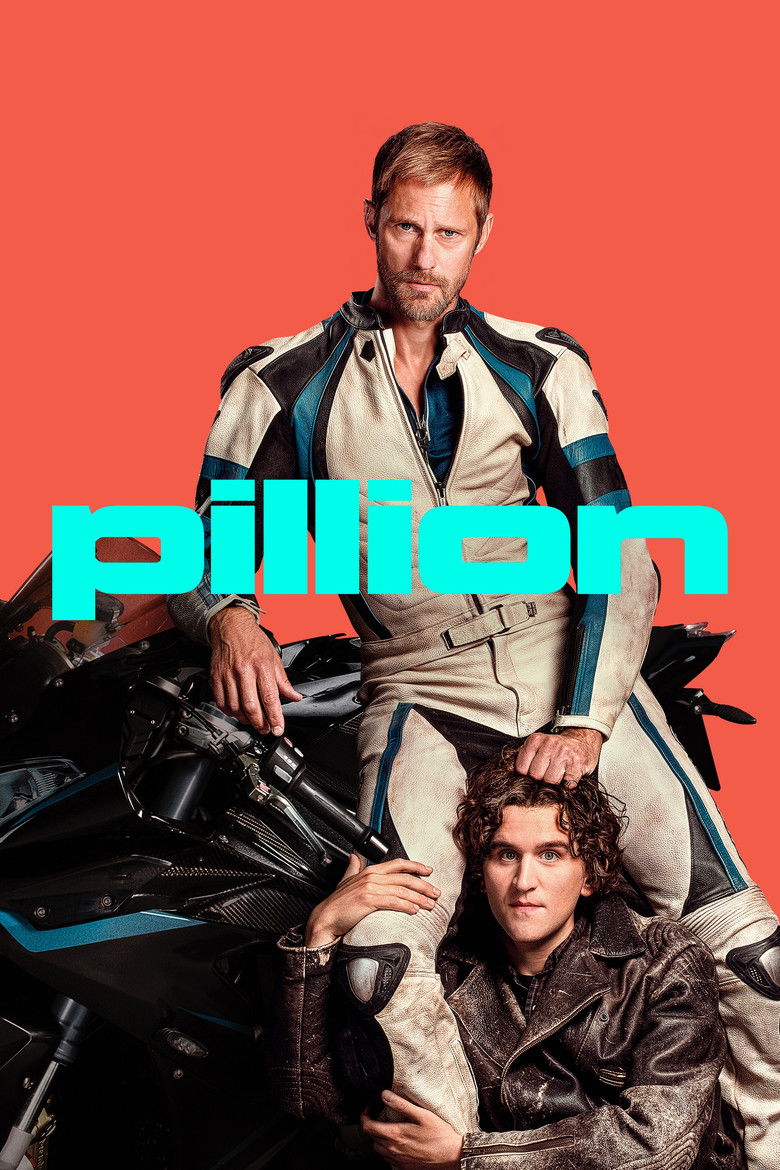

Colin is a shy parking officer who lives with his parents in suburban London. He meets Ray, a strong and secretive biker, and enters a strict BDSM relationship with him. Colin cooks, follows rules, and accepts a submissive role in Ray’s home and biker circle. The film mixes dark comedy, romance, sex, and questions about control, love, and personal freedom. Pillion makes gay identity and queer BDSM culture the center of its story. The main relationship shows leather clothing, male submission, sexual rules, and a non-traditional form of romance. Colin’s parents accept his sexuality but struggle with the kind of relationship he chooses. The film also questions normal ideas about masculinity, commitment, and what a loving relationship should look like.
Community feedback
Was our 94% Woke rating accurate?
Loading review details…
Breakdown
These are the editorial factors and ratings behind our score for Pillion.
Woke representation / casting
The movie features a highly visible, front-and-center focus on gay representation. It stars Harry Melling and Alexander Skarsgård as a gay couple, surrounded by actors depicting a niche queer biker and leather subculture. There is zero effort to hide or sanitize this representation; instead, it is celebrated as an authentic look at a marginalized community. Because the queer themes are the main selling point of the entire film and are presented without any traditional filter, the score is elevated to reflect the strong, active focus on progressive LGBTQ+ visibility.
66%
Woke political dialogue
The movie does not feature overt activist speeches or direct political preaching. Instead, the dialogue focuses on consent, BDSM rules, sexual boundaries, and the emotional struggles of the relationship. However, there are subtle progressive talking points regarding modern relationship dynamics, queer liberation, and the rejection of mainstream societal expectations. The inclusion of these contemporary queer discussions, mixed with the vocal support of the parents, adds a noticeable but background level of ideological signaling.
28%
Identity-driven story themes
The entire story follows Colin’s sexual and personal awakening through a gay BDSM relationship. The film treats queer desire, submission, leather culture, and non-traditional romance as its main subjects. Colin’s conflict comes from deciding what kind of queer relationship he wants. These identity themes drive the plot, characters, and ending.
96%
Western institutional / cultural critique
The film questions ordinary ideas about masculinity, romance, family life, and commitment. Ray rejects a normal domestic relationship, while Colin’s parents accept his sexuality but dislike his chosen lifestyle. The story presents traditional relationship rules as limited, but it does not build a broad attack on religion, capitalism, or Western institutions.
56%
Woke character or canon changes
The film changes Box Hill’s 1970s setting to the modern day. That change moves the story away from older gay history and places the relationship inside current ideas about consent, queer identity, and sexual freedom. The adaptation also changes the balance between the parents, the relationship, and the darker parts of the original story.
58%
Anti-woke backlash and complaints
The film faced significant backlash from ordinary viewers and conservative critics who objected to the highly explicit depiction of gay BDSM and leather culture. Massive walkouts were reported during mystery screenings in theaters, with some audience members expressing disgust. Online complaints on platforms like Reddit and Steam targeted the film for pushing kinky, progressive LGBTQ+ content into mainstream theaters, viewing it as another example of out-of-touch, activist-driven filmmaking.
40%
Creator track record context
Harry Lighton has a strong record of queer and identity-driven work. Adam Mars-Jones has spent much of his career writing about gay men, sex, consent, and queer life. Several producers also have records of supporting LGBTQ+ and representation-focused projects.
90%
Production

Movie · 2020
A teenager lives out the hilarious and often tragic consequences of being lethally attractive, until he meets a girl with a congenital defect.
Movie · 2016
A week in the life of Paterson, a poet bus driver, and his wife Laura, a very creative artist, who live in Paterson, New Jersey, hometown of many famous poets and artists.
Movie · 2022
Divorced couple Georgia and David find themselves on a shared mission: they team up and travel to Bali to stop their daughter Lily from making the same mistake they once made 25…

Movie · 2020
A terminally ill teen upsets her parents when she falls in love with a small-time drug dealer.
Movie · 2020
Faced with sudden doubts about her marriage, a young New York mother teams up with her larger-than-life playboy father to tail her husband.

Movie · 2023
Mira Ray, dealing with the loss of her fiancé, John, sends a series of romantic texts to his old cell phone number… not realizing the number was reassigned to Rob Burns' new work…
Movie · 2021
Troubled teen Will Hawkins has a run-in with the law that puts him at an important crossroad: go to juvenile detention or attend a Christian summer camp.

Movie · 2016
A boy growing up in Dublin during the 1980s escapes his strained family life by starting a band to impress the mysterious girl he likes.
