

Maureen is a divorced mother living in Ohio in 1993. Her ex-husband Karim takes their young daughter, Amina, to the Middle East without her consent. After years of failed efforts, Maureen meets Robeson, a former Marine who helps recover children taken across borders. The film is a serious action thriller about grief, danger, family, and a mother’s long fight to bring her child home. The film gives Maureen the main heroic role and shows her taking part in a dangerous rescue mission. Her strength comes from her love for Amina and her years of effort, not from a speech about gender or politics. The story includes corruption, betrayal, and conflict between Maureen and Karim. These themes support a determined mother and a family rescue story, but they do not create a strong woke message.
Community feedback
Was our 27% Woke rating accurate?
Loading review details…
Breakdown
These are the editorial factors and ratings behind our score for Stolen Girl.
Woke representation / casting
Maureen is a woman in the central heroic role, and the film includes characters from several backgrounds. The casting fits the international kidnapping story. The available marketing does not frame the cast as a diversity-first statement. The film therefore shows only a weak representation signal.
10%
Woke political dialogue
Not present in this title.
0%
Identity-driven story themes
The story presents a mother as determined and capable during a rescue mission. That female-led strength is part of the plot, but the film does not appear to build a repeated message about gender power or identity politics. The main focus remains family separation and survival.
15%
Western institutional / cultural critique
The film includes corruption, failed official efforts, and betrayal by powerful people. These problems serve the rescue thriller and are not shown as a broad attack on Western culture or traditional family life. No clear anti-conservative message was found.
10%
Woke character or canon changes
Not present in this title.
0%
Anti-woke backlash and complaints
Not present. No genuine anti-woke complaint about this film was found in the available news, review, and viewer discussion.
0%
Creator track record context
James Kent has a strong stored record of LGBTQ-focused work and public support for queer storytelling. Kas Graham and Rebecca Pollock have repeated women-centered and representation-aware work. Monika Bacardi has promoted gender equality and inclusion. This raises the creator-context score, although the film itself shows little matching woke content.
73%
Production
Movie · 2016
A young civil war veteran is forced on a desperate journey to save his kidnapped wife.
Movie · 2023
When a mysterious caller plants a bomb under his car seat, a bank executive begins a high-speed chase across the city to complete a specific series of tasks — all with his kids…
Movie · 2023
Armed with every weapon they can get their hands on and the skills to use them, The Expendables are the world’s last line of defense and the team that gets called when all other…

Movie · 2023
After a heroic job of successfully landing his storm-damaged aircraft in a war zone, a fearless pilot finds himself between the agendas of multiple militias planning to take the…
Movie · 2016
A suicidal artist goes into the desert, where he finds his doppelgänger, a homicidal drifter.
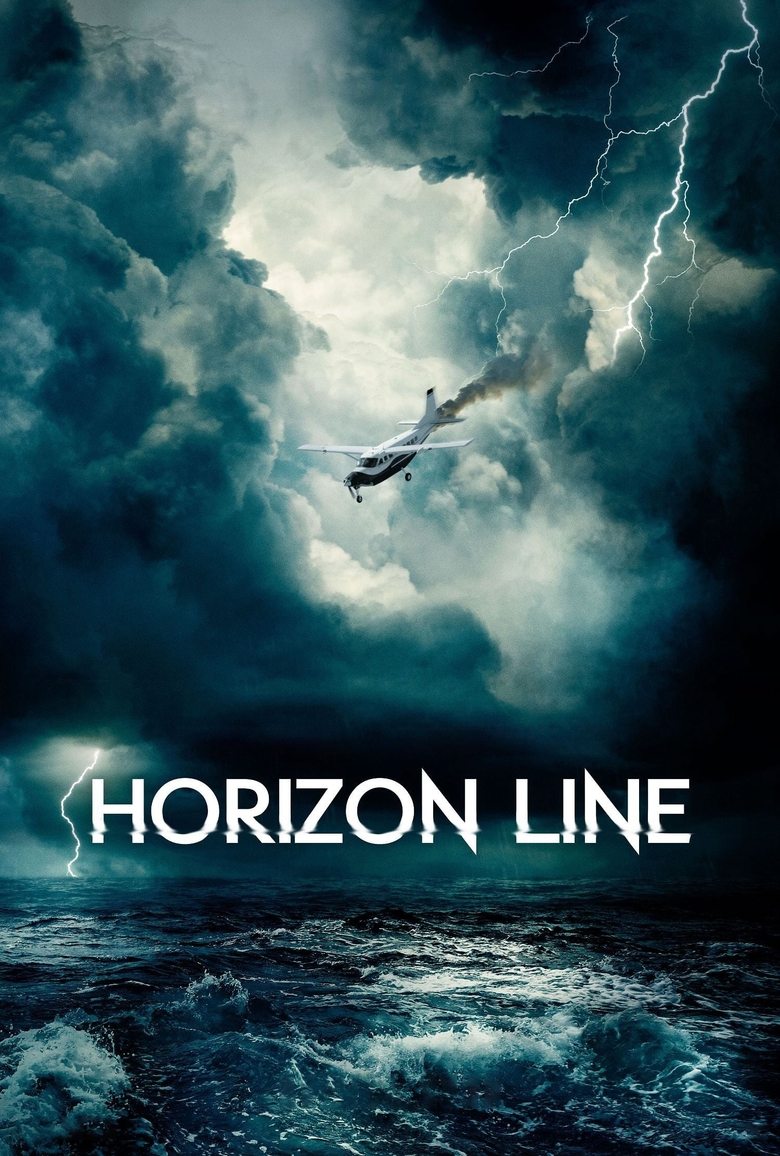
Movie · 2020
A couple flying on a small plane to attend a tropical island wedding must fight for their lives after their pilot suffers a heart attack.
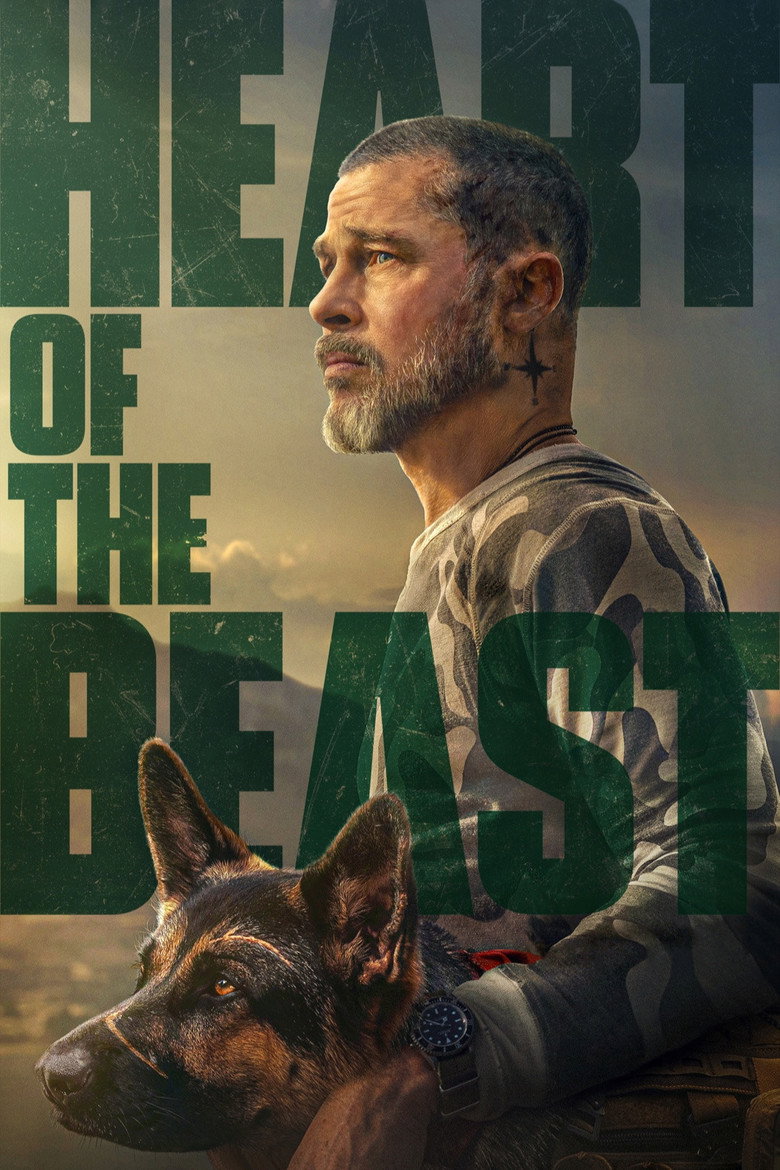
Movie · 2026
After a harrowing plane crash, Special Forces officer James Belmont and his combat dog, Odin, find themselves stranded deep in the Alaskan wilderness.
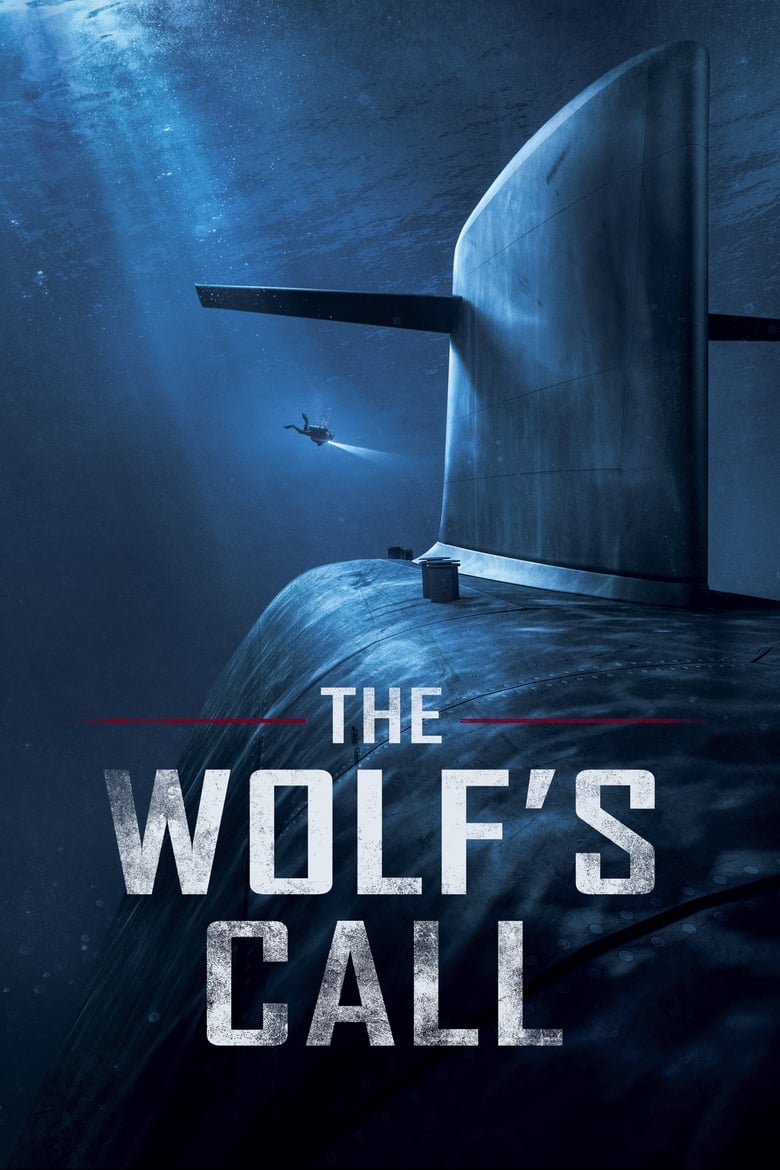
Movie · 2019
Shown from the perspective of a young submariner with unusually sensitive hearing and uncannily precise sound recognition.
