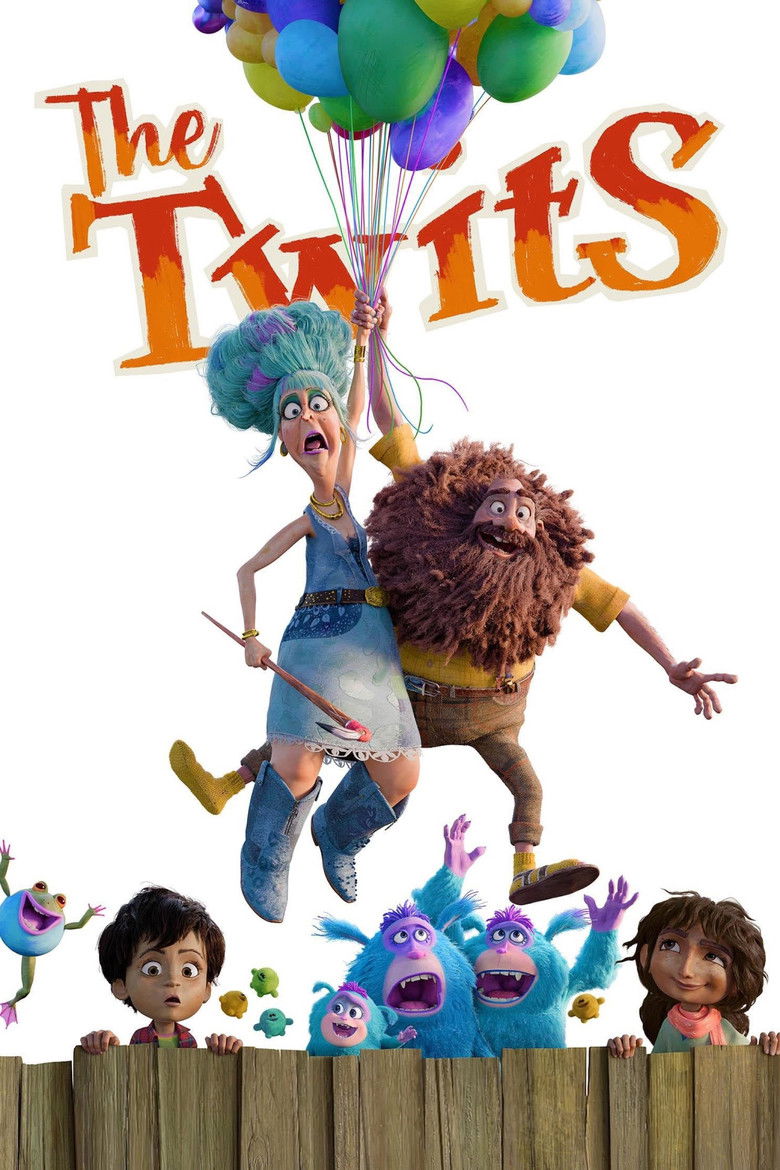

The Twits follows the cruel married couple Mr. and Mrs. Twit, who try to control the town of Triperot through their strange amusement park and a mayoral campaign. Two orphaned children, Beesha and Bubsy, join magical animals to stop them. The story turns Dahl’s short series of nasty pranks into a larger fight over power and kindness. The tone mixes gross jokes, songs, scary moments, and bright family comedy. The film clearly adds a message about cruelty, empathy, found family, and dangerous leaders gaining public support. The Twits use lies and fear while the children bring people and animals together to resist them. The film also gives the main heroic role to Beesha, an Indian-American girl, but it does not build the story around gender or race politics. Its social message is noticeable and repeated, yet it remains part of a fantasy adventure rather than a full identity-based campaign.
Community feedback
Was our 50% Woke rating accurate?
Loading review details…
Breakdown
These are the editorial factors and ratings behind our score for The Twits.
Woke representation / casting
Beesha is an Indian-American girl and the central heroic child. The film gives her a leading role in saving the town. The casting supports a diverse family audience, but the film does not present the cast as a diversity campaign. The identity element is present but is not the main message.
18%
Woke political dialogue
The film includes repeated ideas about elections, public fear, lies, and harmful leaders. The Twits use speeches and tricks to win support from the town. The children argue for empathy and standing together against cruelty. The political message is clear, but it stays within a fantasy comedy.
32%
Identity-driven story themes
The film repeatedly presents found family, empathy, and children resisting cruel adults as positive values. Beesha and Bubsy lead the fight while adults fail to protect the town. The story does not center race, sexuality, or gender politics. Its main message concerns kindness and resistance to cruelty.
28%
Western institutional / cultural critique
The film portrays a town that can be led by selfish people through fear and public manipulation. The mayoral plot criticizes voters and leaders who accept obvious lies. The Twits turn local power into a tool for control and profit. This is a noticeable modern political theme, although it is aimed at corrupt behavior rather than a specific real-world party.
43%
Woke character or canon changes
Not present in this title.
0%
Anti-woke backlash and complaints
Several reviews and audience posts complained that the film replaced Dahl’s simple nastiness with forced empathy and political ideas. Some viewers objected to the election plot and the changes to the source story. The complaints appeared in named reviews and repeated online discussions. No national anti-woke campaign or major political backlash was found.
24%
Creator track record context
Phil Johnston has a stored score of 54 and a repeated record of using animation to discuss prejudice, inclusion, and social division. His interviews frame this film around empathy, hatred, and cruel people gaining power. Other key creators have lower or mild stored scores. The context supports the film’s social message but does not show a strong activist campaign.
47%
Production

Movie · 2016
A koala named Buster recruits his best friend to help him drum up business for his theater by hosting a singing competition.
Movie · 2021
A music-loving kinkajou named Vivo embarks on the journey of a lifetime to fulfill his destiny and deliver a love song for an old friend.
Movie · 2018
The Grinch hatches a scheme to ruin Christmas when the residents of Whoville plan their annual holiday celebration.
Movie · 2016
The Minions need to raise $20 to purchase an as seen on TV banana blender. So they take up lawn mowing at an old folks home, with hilarious antics!
Movie · 2025
Desperate to be a big guy, SpongeBob sets out to prove his bravery to Mr. Krabs by following The Flying Dutchman – a mysterious swashbuckling ghost pirate – on a seafaring…
Movie · 2022
Maurice is a streetwise ginger cat who comes up with a money-making scam by befriending a group of self-taught talking rats.
Movie · 2024
A boy with an active imagination faces his fears on an unforgettable journey through the night with his new friend: a giant, smiling creature named Dark.
Movie · 2018
Dracula, Mavis, Johnny and the rest of the Drac Pack take a vacation on a luxury Monster Cruise Ship, where Dracula falls in love with the ship’s captain, Ericka, who’s secretly a…
