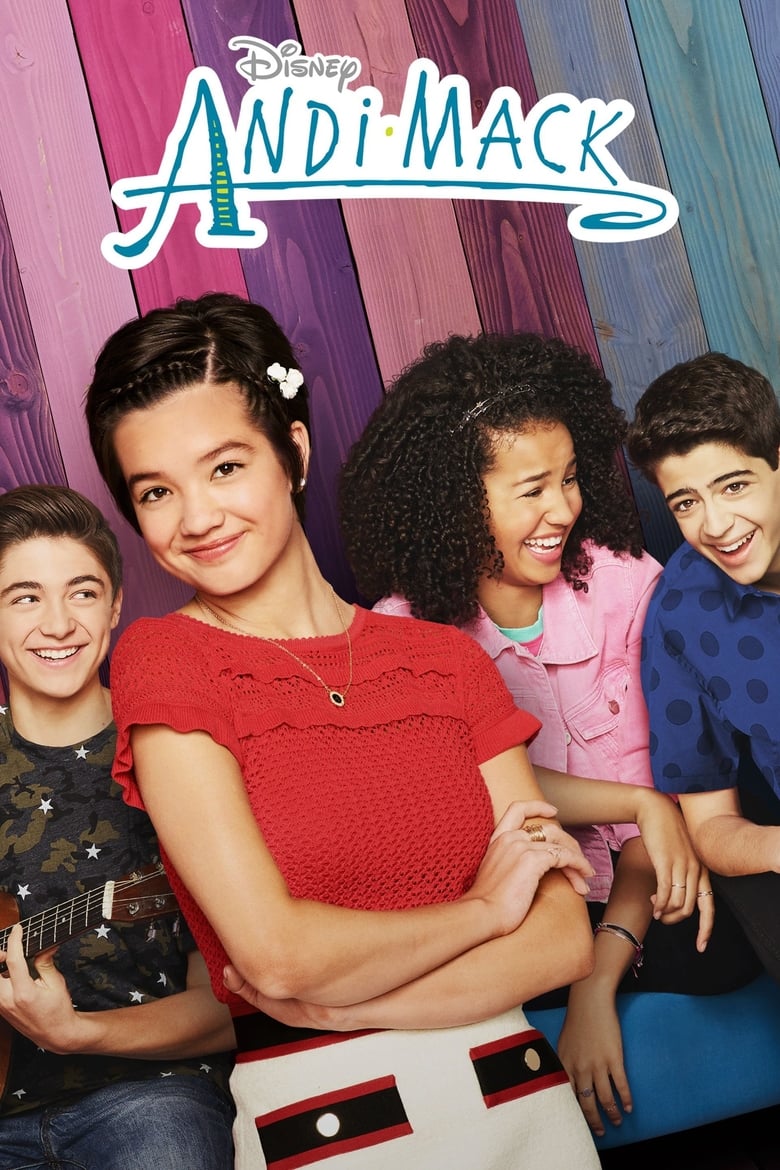

2017–2019 · Based on 3 seasons through July 26, 2019 ·
Andi Mack follows 13-year-old Andi as she learns that Bex, the woman she thought was her sister, is really her mother. Andi lives with Bex and her grandmother while she handles family secrets, school problems, friendships, and first love. The show uses comedy and drama in a warm but serious way. Its stories often focus on growing up and finding a place in the world. The show gives major space to identity and representation themes. Cyrus has a continuing story about realizing he is gay, coming out, and later forming feelings for TJ. Andi’s family explores Chinese heritage, mixed identity, teen pregnancy, and nontraditional family roles. Buffy faces a school conflict about her hair and race, while other episodes cover anxiety, learning disabilities, gun safety, and peer pressure. These themes are important across all three seasons, with the gay storyline becoming especially visible in the later seasons.
Community feedback
Was our 83% Woke rating accurate?
Loading review details…
Breakdown
These are the editorial factors and ratings behind our score for Andi Mack.
Woke representation / casting
The show uses a multicultural main family and a visibly mixed friend group. Andi’s family includes Chinese heritage, and Buffy is multiracial. The cast also gives major roles to a gay boy and a girl whose race and natural hair are part of a school conflict. The pattern goes beyond a neutral background cast and supports a clear representation focus.
63%
Woke political dialogue
Cyrus directly says that he is gay and talks with friends about coming out. Buffy’s hair story includes dialogue about racial judgment at school. Other episodes discuss gun safety, learning differences, and peer pressure, but most dialogue remains personal rather than political. The identity lines recur but do not control every episode.
28%
Identity-driven story themes
Cyrus’s realization, coming out, and relationship with TJ form a major continuing story. Andi’s family history centers on teen pregnancy, mixed identity, and a family structure outside the usual parent model. Buffy’s hair and race story also treats identity-based treatment as an important problem. These themes are central to several seasons and become more visible in the later episodes.
72%
Western institutional / cultural critique
The show sometimes presents school rules and adult expectations as unfair or narrow. Buffy’s teacher treats her hair as a problem, and the story challenges that judgment. The series also questions strict family roles and older ideas about how girls should behave. It does not broadly attack churches, America, or Western institutions.
29%
Woke character or canon changes
Not present in this title.
0%
Anti-woke backlash and complaints
One Million Moms called for a boycott over the gay storyline and said Disney had abandoned family-friendly entertainment. Kenya banned the show after the coming-out episodes, and several reports described conservative objections to the storyline. The complaint reached named outlets and became a recognizable debate about LGBTQ content for children. Evidence does not show a sustained worldwide review-bombing campaign.
66%
Creator track record context
Terri Minsky has a repeated record of inclusive stories involving multicultural families, strong young girls, and LGBTQ characters. The series director group also includes Paul Hoen and Vanessa Parise, whose stored scores reflect progressive and diversity-focused work. This context matches the show’s visible content and its public representation framing.
65%
Production
TV Show · 2016
A group of rule-abiding prep school students – Zack, Lawrence, Freddy, Summer and Tomika – learn to take risks and reach new heights thanks to substitute teacher Dewey Finn, a…
TV Show · 2016
In 1935, financially strapped widow Louisa Durrell, whose life has fallen apart, decides to move from England, with her four children (three sons, one daughter), to the island of…
TV Show · 2021
Ever since he was a kid, Tylor Tuskmon has dreamed of becoming a Scarer just like his idol James P. Sullivan, and now that dream is about to come true... or not.

TV Show · 2017
The early life of child genius Sheldon Cooper, later seen in The Big Bang Theory.
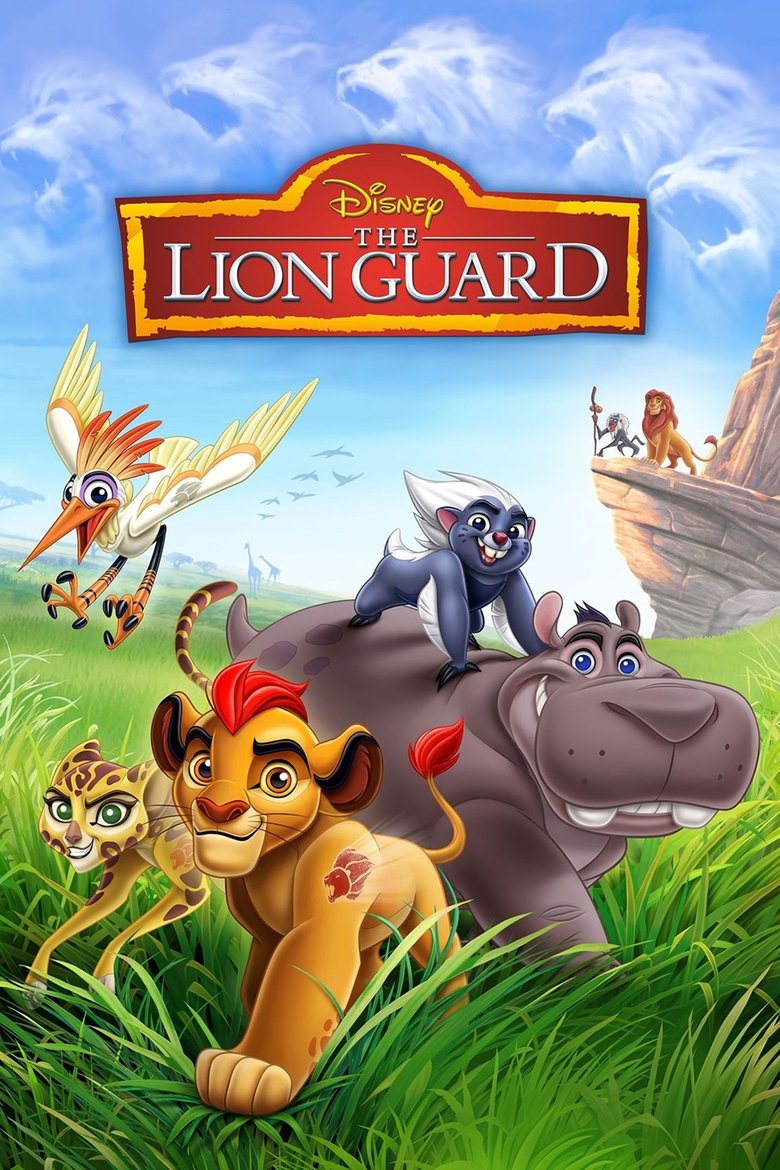
TV Show · 2016
Simba's son, Kion, assembles a group of animals to protect the Pride Lands, known as the Lion Guard.
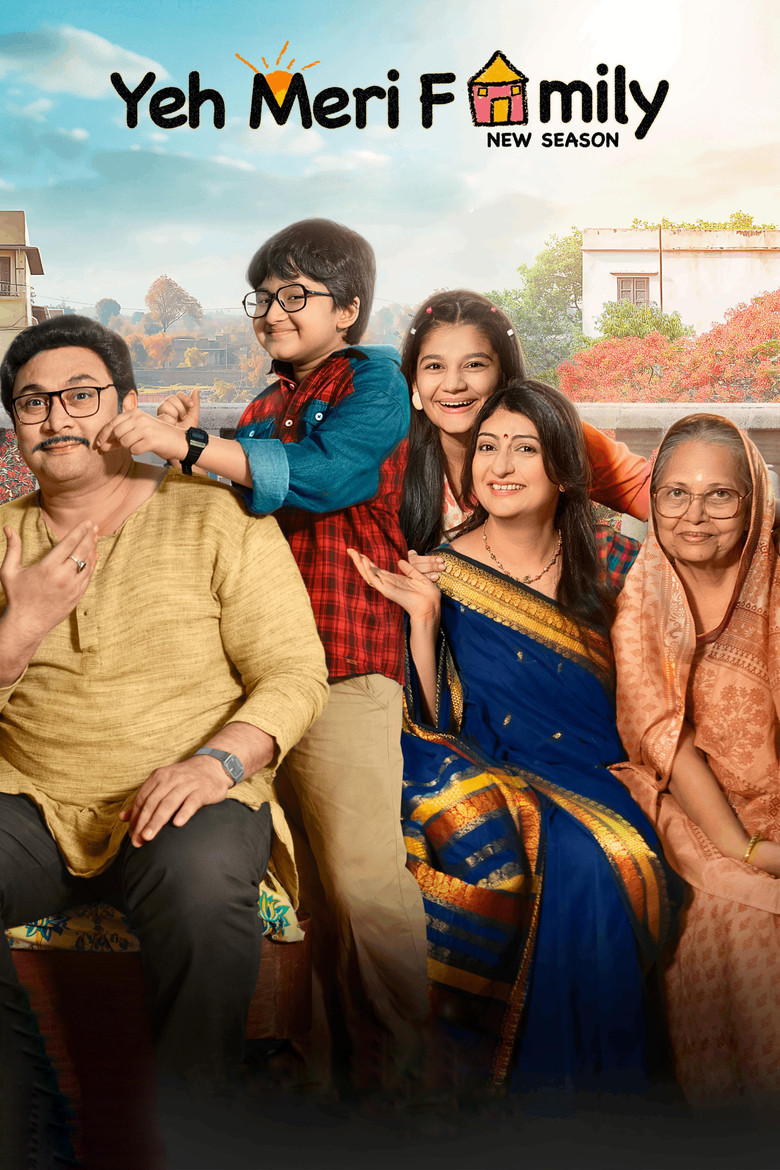
TV Show · 2018
Set in the summer of 1998 it is a story about conflicting emotions towards family members from the eyes of a twelve year old.
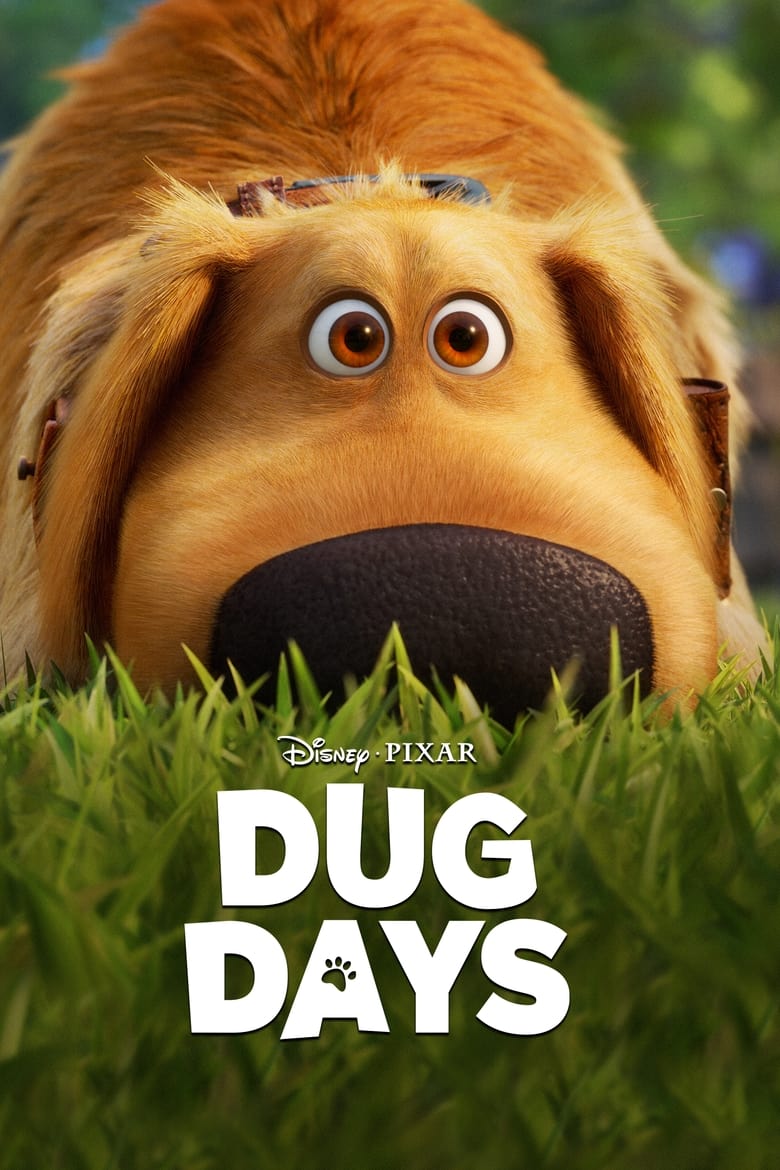
TV Show · 2021
A series of shorts that follows the humorous misadventures of Dug, the lovable dog from Disney and Pixar’s “Up.” Each short features everyday events that occur in Dug's backyard…
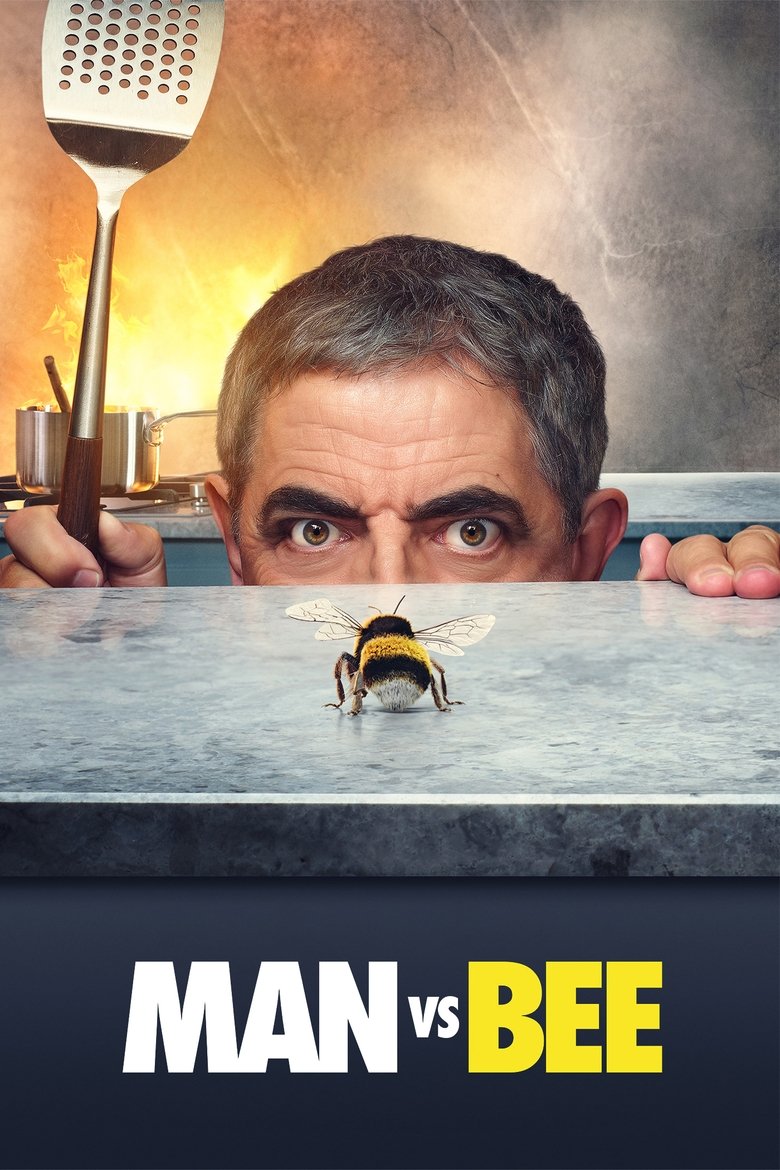
TV Show · 2022
Bumbling dad Trevor tries to get the best of a cunning bee while house-sitting a posh mansion — but only unleashes more chaos in this comedy series.
