
2021–2023 · Based on 2 seasons through March 31, 2023 ·
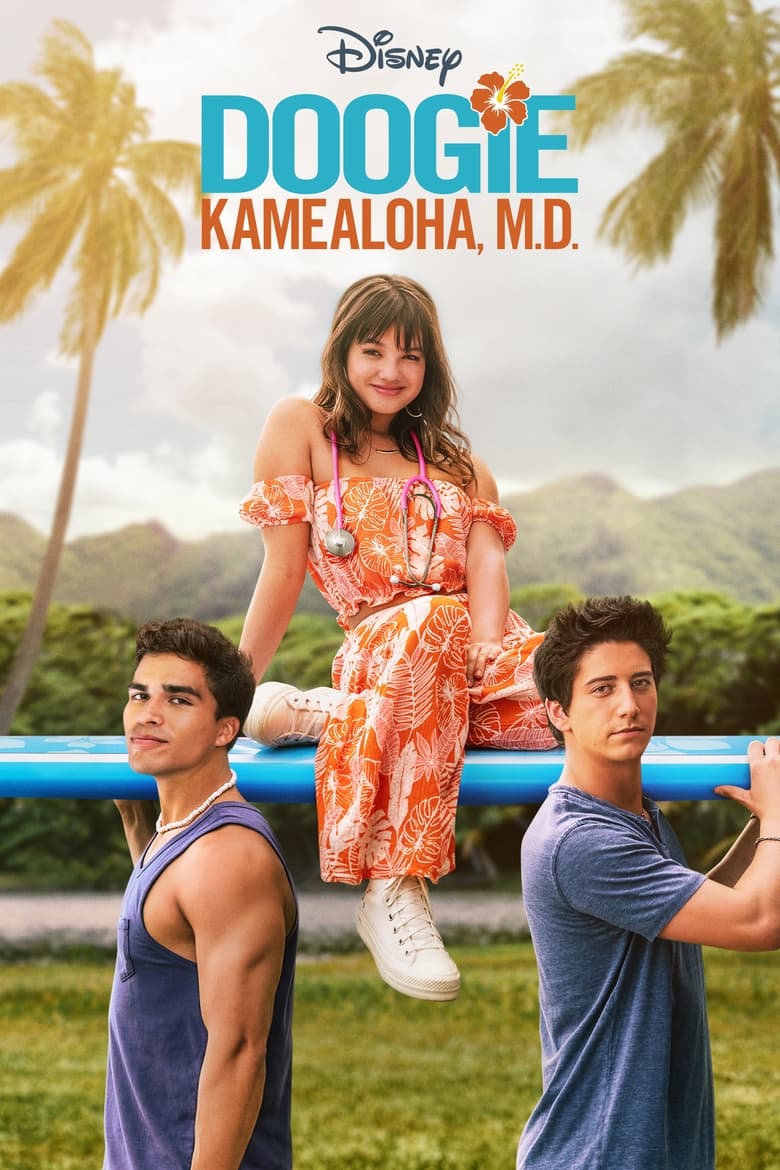
Lahela Kamealoha is a 16-year-old medical prodigy who works at a hospital in modern Hawaii. She tries to balance serious patients with school, friends, dating, and family problems. Her mother supervises her at work, while her father worries that she is growing up too fast. The show uses a warm, light family-comedy tone with medical drama. The show makes its identity choices easy to notice. It changes the original male lead into a mixed-race girl and places her in a Hawaiian family. Lahela is repeatedly shown as the smartest and most capable person in the room, while some boys mainly serve as love interests or comic figures. The series also includes gay characters and stories about sexism, racism, belonging, and female empowerment. These themes are important, but most episodes remain focused on family, friendship, romance, and medical cases.
Community feedback
Was our 81% Woke rating accurate?
Loading review details…
Breakdown
These are the editorial factors and ratings behind our score for Doogie Kamealoha, M.D..
Woke representation / casting
The series places a mixed-race girl at the center of a Hawaiian family and hospital. The main cast includes many Asian and Pacific Islander characters in important roles. The show also includes LGBTQ characters and a visibly diverse group of friends and medical workers. The representation is a major part of the series design, although it fits the modern Hawaii setting in many cases.
68%
Woke political dialogue
The series includes direct discussion of sexism, racism, gender expectations, and female empowerment. These points appear in several episodes and are sometimes tied to Lahela’s work or family life. The show usually presents them through short conversations rather than long political speeches. Medical and family stories remain the main focus.
24%
Identity-driven story themes
The series repeatedly follows Lahela as a highly capable girl who pushes against limits placed on young women. Several stories deal with female independence, cultural belonging, mixed identity, and LGBTQ representation. Lahela’s talent and leadership drive the main story across both seasons. Some male characters are mainly shown as romantic partners, helpers, or comic figures.
55%
Western institutional / cultural critique
The series sometimes treats sexism, old gender roles, and unfair treatment as problems that characters should challenge. Female characters often correct older ideas about what women should do. The show does not strongly attack Christianity, family life, or Western institutions. Its criticism stays inside personal, school, workplace, and family stories.
27%
Woke character or canon changes
The series changes the original Doogie from a boy in Los Angeles into Lahela, a mixed-race girl in Hawaii. It also changes the family, setting, supporting cast, and cultural background of the original concept. The gender and identity changes are central to the reboot’s appeal and marketing. The show is a new version rather than a direct continuation.
63%
Anti-woke backlash and complaints
Some online posts called the reboot woke because it replaced the original male lead with a mixed-race girl. Other posts complained that Disney was forcing diversity or turning a familiar show into an empowerment project. The complaints were scattered and did not receive major outlet coverage or become an organized boycott. Most public reaction was mixed or favorable, so the anti-woke backlash remains limited.
12%
Creator track record context
Kourtney Kang has a sustained record of centering Asian American and Pacific Islander characters. Melvin Mar and Jake Kasdan have produced several projects built around underrepresented families and casting. David E. Kelley has a long record of liberal, issue-focused television. The wider team is not uniformly activist, but the main creative group shows a clear representation-first pattern.
58%
Production

TV Show · 2017
The early life of child genius Sheldon Cooper, later seen in The Big Bang Theory.
TV Show · 2016
In 1935, financially strapped widow Louisa Durrell, whose life has fallen apart, decides to move from England, with her four children (three sons, one daughter), to the island of…
TV Show · 2025
As Christmas approaches, a blundering-all-the-way dad juggles housesitting a posh London penthouse with an unexpected pickle: caring for a lost baby.
TV Show · 2016
Being a pro athlete didn't pan out for Colt. Now he's helping his dad and brother keep the ranch afloat, and figuring out how he fits into the family.
TV Show · 2018
Set in the summer of 1998 it is a story about conflicting emotions towards family members from the eyes of a twelve year old.
TV Show · 2021
A series of shorts that follows the humorous misadventures of Dug, the lovable dog from Disney and Pixar’s “Up.” Each short features everyday events that occur in Dug's backyard…
TV Show · 2017
The story of Jim Worth, an expat British police officer starting a new life with his family as police chief in Little Big Bear, an idyllic town near the Rocky Mountains.

TV Show · 2024
Knuckles embarks on a hilarious and action-packed journey of self-discovery as he agrees to train Wade as his protégé and teach him the ways of the Echidna warrior.
