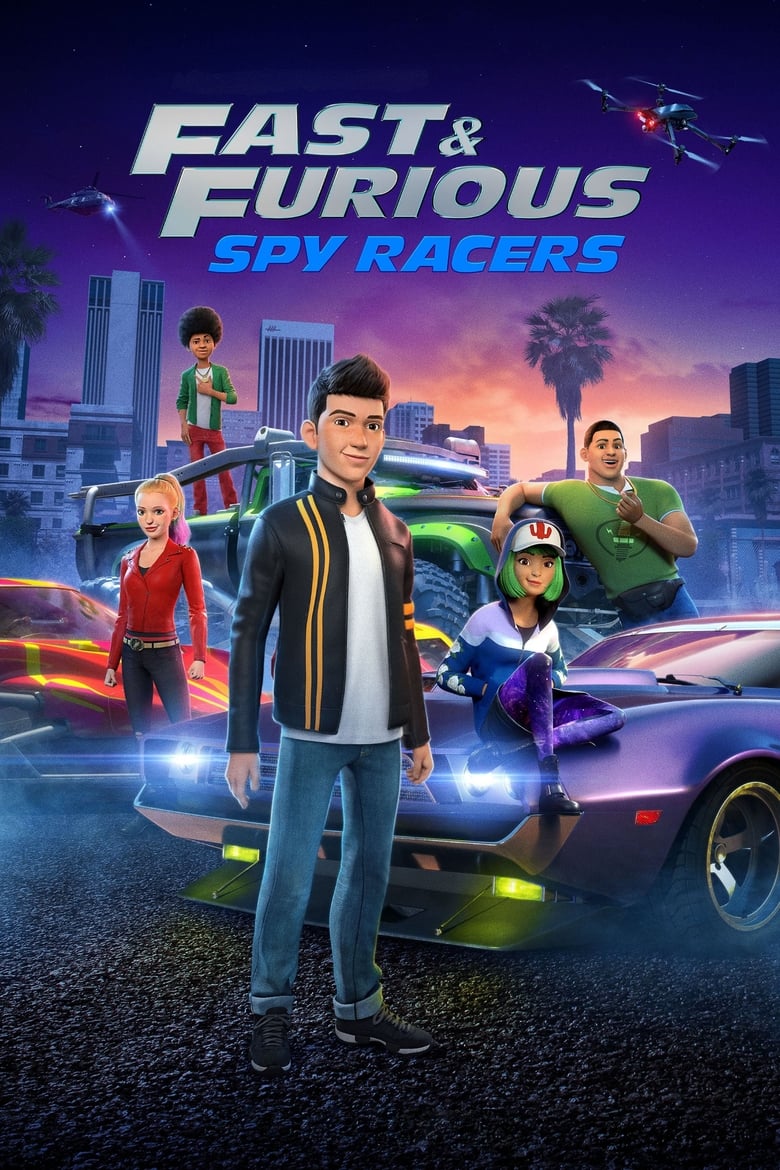

2019–2021 · Based on 6 seasons through December 17, 2021 ·
Fast & Furious Spy Racers follows Tony Toretto, the teenage cousin of Dominic Toretto. A government agency recruits Tony and his friends to enter secret racing groups and stop dangerous criminals. The team travels from Los Angeles to Brazil, the Sahara, Mexico, the South Pacific, and back home. The show uses bright, fast, silly action for children, while its main stories focus on racing, spying, family, friendship, loyalty, teamwork, and stopping villains. The show gives several girls important roles as racers, spies, leaders, and fighters. Layla, Echo, and Ms. Nowhere often match or exceed the boys in skill, while Tony remains the main hero. The team comes from different backgrounds and works as a chosen family. The series supports friendship, fairness, personal growth, and helping others, but it rarely uses direct modern political language. These visible themes matter to the group dynamic, but they stay secondary to the racing, spy missions, larger threats, advanced technology, and returning enemies.
Community feedback
Was our 37% Woke rating accurate?
Loading review details…
Breakdown
These are the editorial factors and ratings behind our score for Fast & Furious Spy Racers.
Woke representation / casting
The show uses a visibly varied group of teen heroes and gives several girls major action roles. Layla, Echo, and Ms. Nowhere are skilled racers, spies, and leaders. This pattern appears across the series, but the characters fit a modern worldwide spy team. The show does not strongly market itself as a representation project.
32%
Woke political dialogue
The characters rarely deliver modern identity, DEI, or activist messages. The show sometimes praises teamwork and fairness. These ideas remain general and do not connect to current political debates. The low score reflects a few mild social messages rather than a repeated political focus.
8%
Identity-driven story themes
The series repeatedly presents girls as capable racers, spies, and leaders. The team also stresses chosen family, personal growth, and respect across different backgrounds. These themes shape the group dynamic. Racing, spying, loyalty, and stopping villains remain the main story.
27%
Western institutional / cultural critique
The show sometimes presents rich criminals, secret groups, and corrupt power as threats. The government agency usually appears as a helpful partner. The series does not repeatedly attack traditional family life, Christianity, men, or Western institutions.
10%
Woke character or canon changes
Not present in this title.
0%
Anti-woke backlash and complaints
A named review called the franchise progressive. The review questioned a villain storyline that seemed sympathetic to a radical social plan. The comment stayed within one review and did not lead to a broad campaign or major news story. Most right-leaning or family viewers appeared to treat the show as harmless action entertainment.
12%
Creator track record context
Several stored writers have clear records of supporting cultural diversity, inclusion, and identity-focused storytelling. Tim Hedrick also has an inclusive storytelling record. Other key producers and directors have low or limited scores. The creators did not strongly frame this series as activist work.
47%
Production
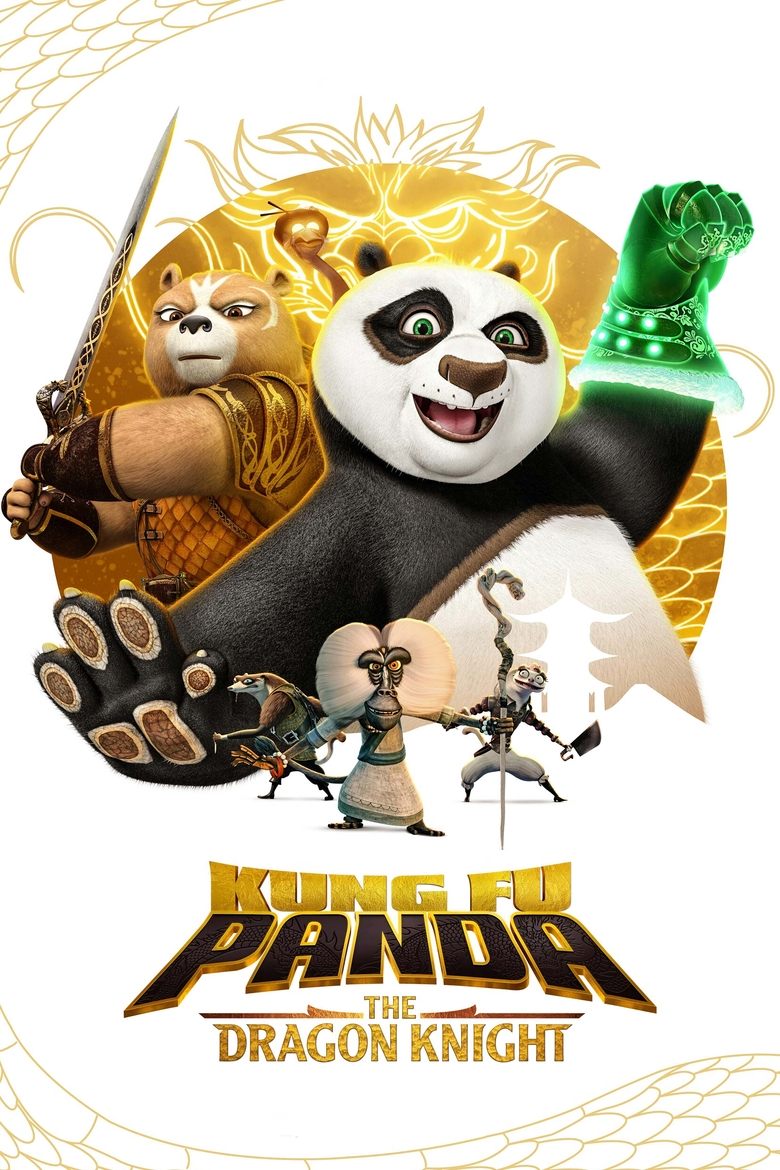
TV Show · 2022
Follow the adventures of Po, who partners up with a no-nonsense English knight named Wandering Blade to find a collection of four powerful weapons before a mysterious pair of…
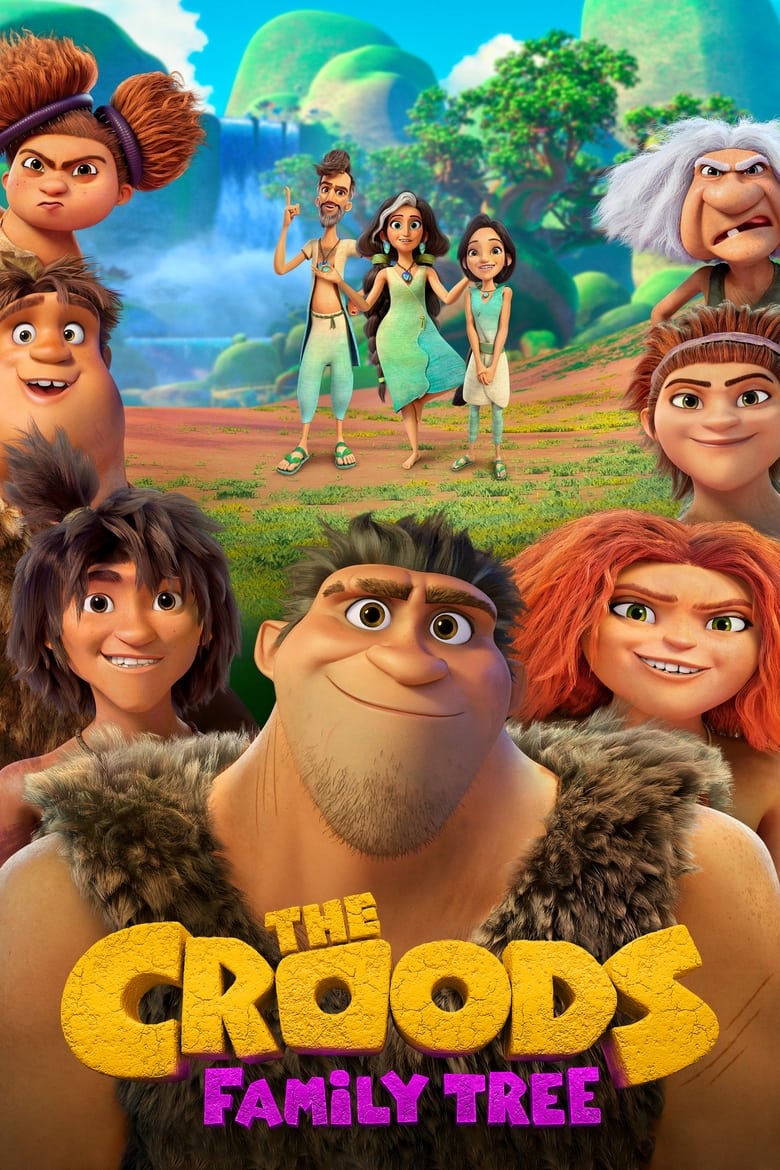
TV Show · 2021
Two very different families join forces to create a new community, an us-against-the-world, cave person co-op on the most amazing farm in the history of prehistory!
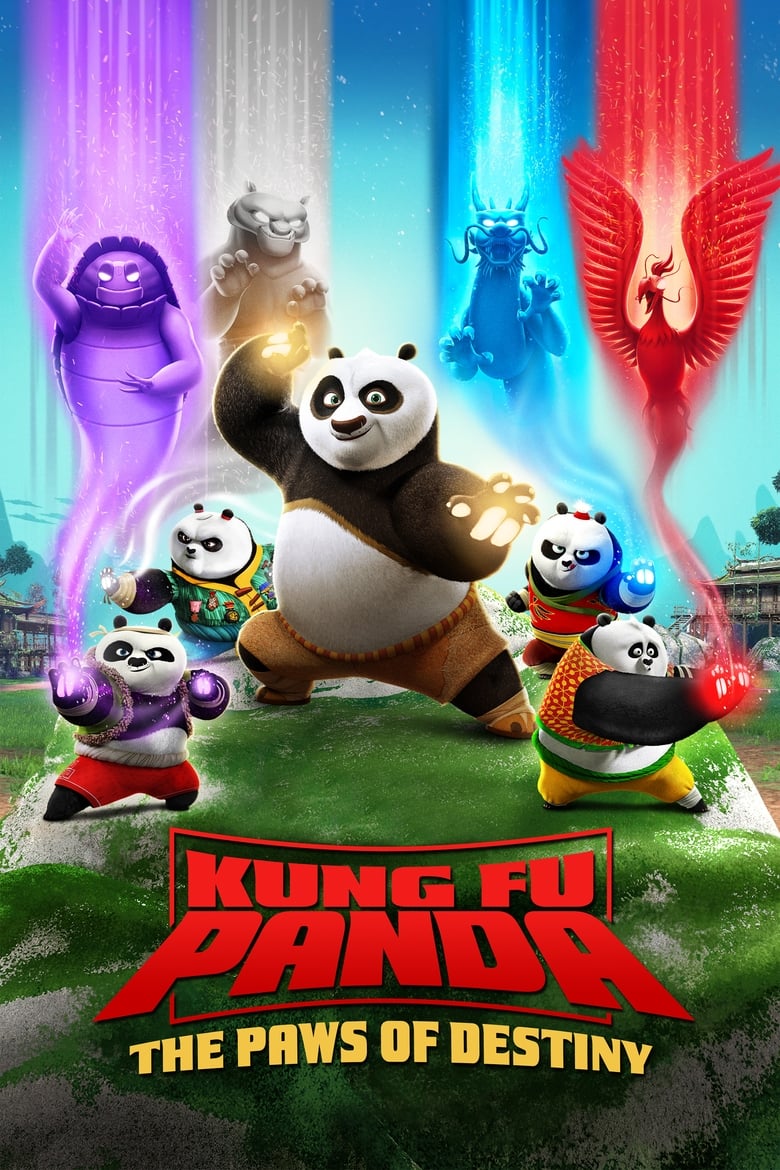
TV Show · 2018
As the Dragon Master, Po has endured his fair share of epic challenges but nothing could prepare him for his greatest one yet-as a Kung Fu teacher to a group of rambunctious kids…
TV Show · 2016
After uncovering a mysterious amulet, an average teen assumes an unlikely destiny and sets out to save two worlds.
TV Show · 2022
Lightning McQueen and his best friend Mater head east from Radiator Springs on a cross-country road trip to meet up with Mater’s sister.
TV Show · 2022
When an explosive battle with Dr. Eggman shatters the universe, Sonic races through parallel dimensions to reconnect with his friends and save the world.
TV Show · 2017
Picking up immediately following the events in the feature film, these are the continuing adventures and friendship of 14-year-old tech genius Hiro and his compassionate…
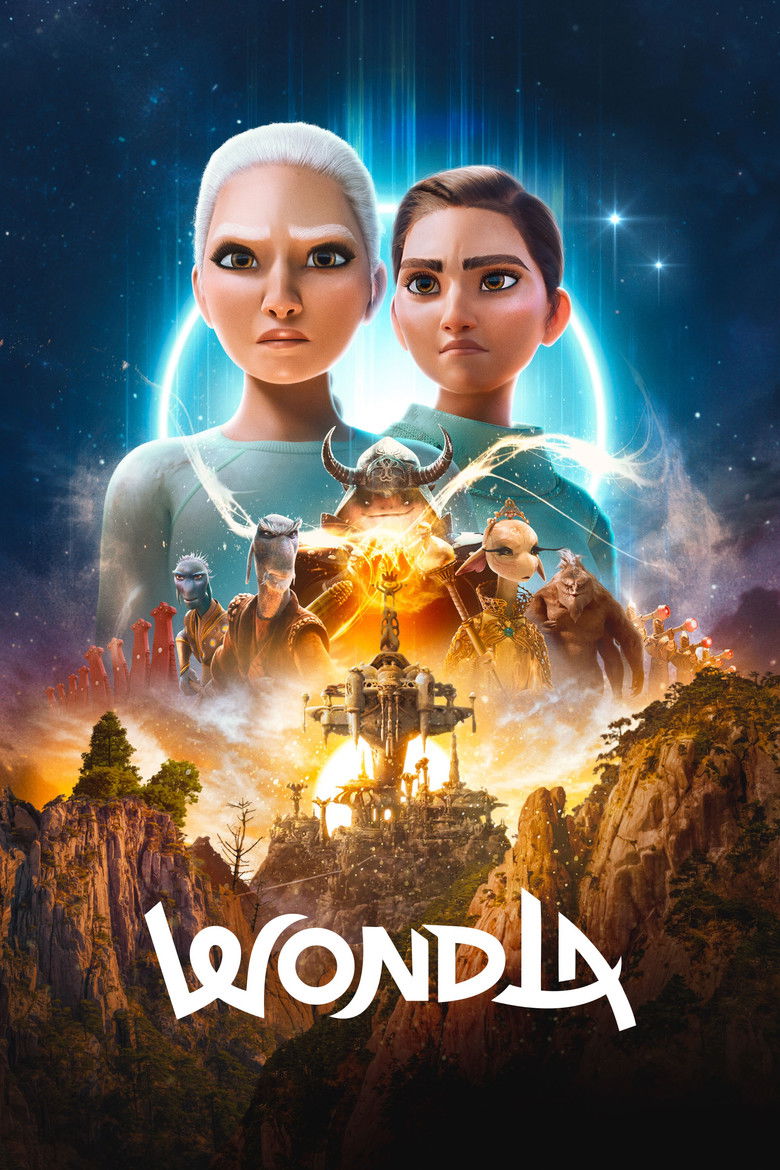
TV Show · 2024
Forced to flee her underground sanctuary for Earth’s surface, Eva discovers a world unlike anything she expected.
