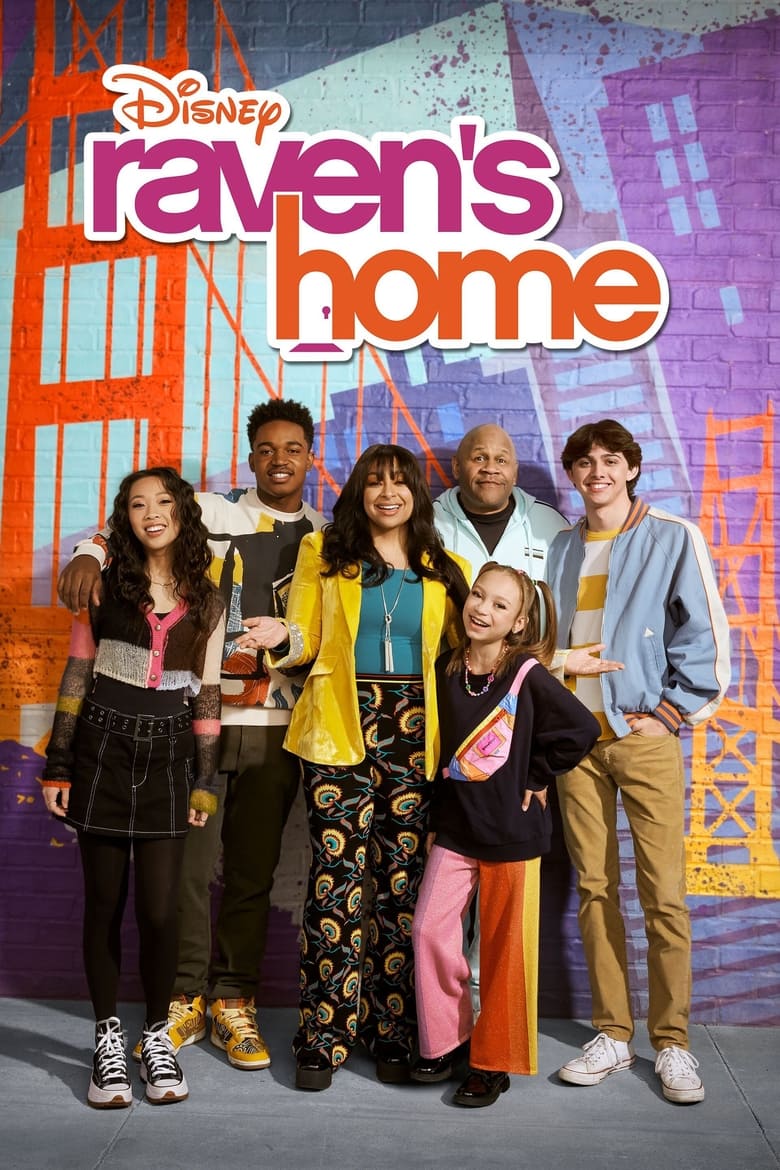

2017–2023 · Based on 6 seasons through September 3, 2023 ·
Raven Baxter raises her children with her best friend, Chelsea, in a shared home. Both women are divorced mothers, and Raven and her son Booker can see short visions of the future. The family faces school trouble, dating, work, money, friendship, and growing up. The bright and silly tone makes the show suitable for families. The family later moves from Chicago to San Francisco, where Raven’s childhood home and family members return. The show centers on a black family and presents two divorced mothers raising children together as a valid family. Viewers can see stories about racial profiling, online behavior, body image, friendship, and personal confidence. One later story includes a girl who dates both boys and girls, but queer themes remain a small part of the series. The show often gives girls strong roles while boys become jokes or support characters. These ideas matter in some episodes, but most of the series remains a family sitcom about everyday problems.
Community feedback
Was our 51% Woke rating accurate?
Loading review details…
Breakdown
These are the editorial factors and ratings behind our score for Raven's Home.
Woke representation / casting
The series centers a black female lead and a black family. The main cast also includes several ethnic backgrounds and a girl who dates both boys and girls. Raven-Symoné and other cast members have described the show as a way to show more kinds of families and people. The pattern is clear, but the show remains a normal family sitcom rather than a project focused mainly on representation.
45%
Woke political dialogue
The series includes brief lines about racism, unfair treatment, inclusion, and social media behavior. Season 5 uses Booker’s police encounter to discuss fear and anger after racial profiling. The show usually places these ideas inside a family story. These subjects do not become the main focus of the series.
25%
Identity-driven story themes
The series repeatedly presents two divorced mothers raising children together as a valid family model. The show gives girls and women strong control over family, school, work, and social problems. The series also includes a bisexual girl in a dating story. These themes return across the show, but they do not control most episodes.
42%
Western institutional / cultural critique
The series criticizes unfair treatment by police. The show also shows how fear can affect black children and families. Some stories question older ideas about what a family should look like. The criticism appears in a few stories and does not attack Western institutions across the whole series.
35%
Woke character or canon changes
Not relevant. This factor does not apply to the series. The show continues established characters from That’s So Raven. The available source does not document a race, gender, or sexuality change to a known character.
0%
Anti-woke backlash and complaints
Not present. The source does not identify a meaningful complaint against the series based on its social themes. Online discussion mostly includes fan praise, nostalgia, season criticism, and complaints about cast or location changes. Right-leaning approval or claims that the show is harmless do not count as backlash.
0%
Creator track record context
Raven-Symoné has a strong record of LGBTQ visibility and representation-focused work. Dava Savel has an important LGBTQ television credit. Elinoff and several directors have worked on diverse youth shows. The wider crew has mixed and often non-political records.
50%
Production
TV Show · 2016
A group of rule-abiding prep school students – Zack, Lawrence, Freddy, Summer and Tomika – learn to take risks and reach new heights thanks to substitute teacher Dewey Finn, a…
TV Show · 2016
In 1935, financially strapped widow Louisa Durrell, whose life has fallen apart, decides to move from England, with her four children (three sons, one daughter), to the island of…
TV Show · 2021
Ever since he was a kid, Tylor Tuskmon has dreamed of becoming a Scarer just like his idol James P. Sullivan, and now that dream is about to come true... or not.

TV Show · 2017
The early life of child genius Sheldon Cooper, later seen in The Big Bang Theory.
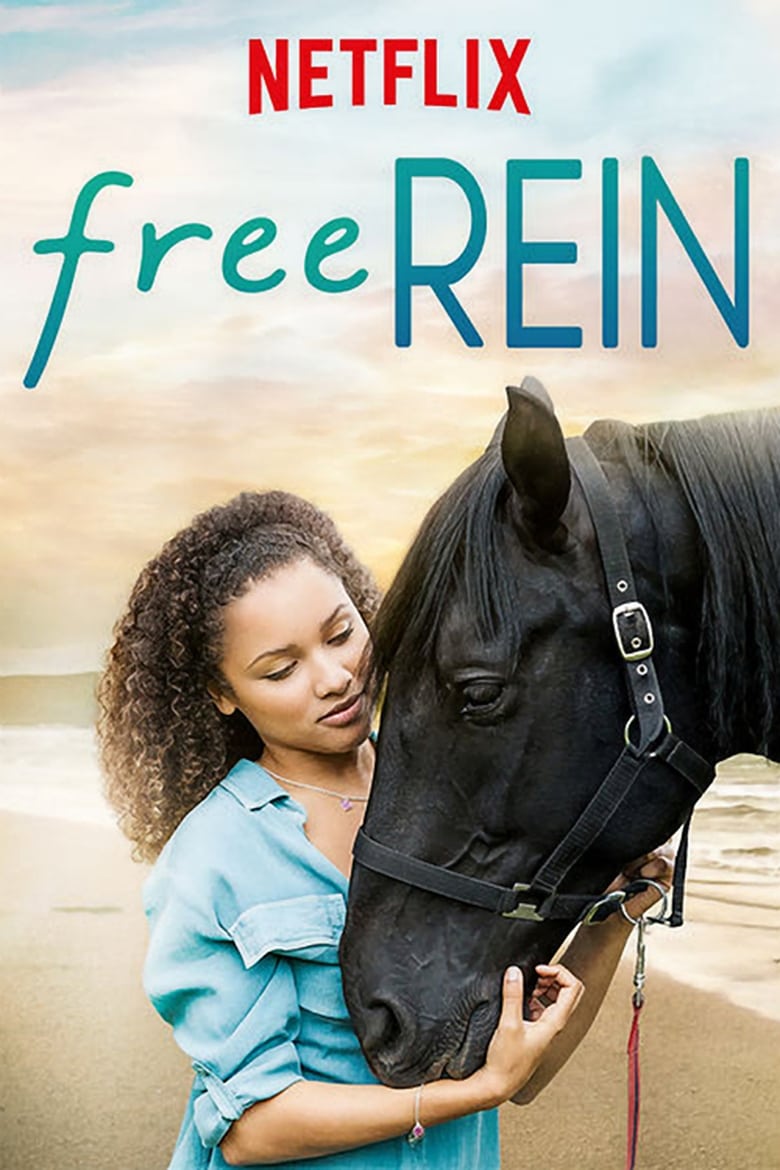
TV Show · 2017
A 15-year-old from LA spends the summer at her mom's childhood home on an island off the coast of England, where she bonds with a mysterious horse.
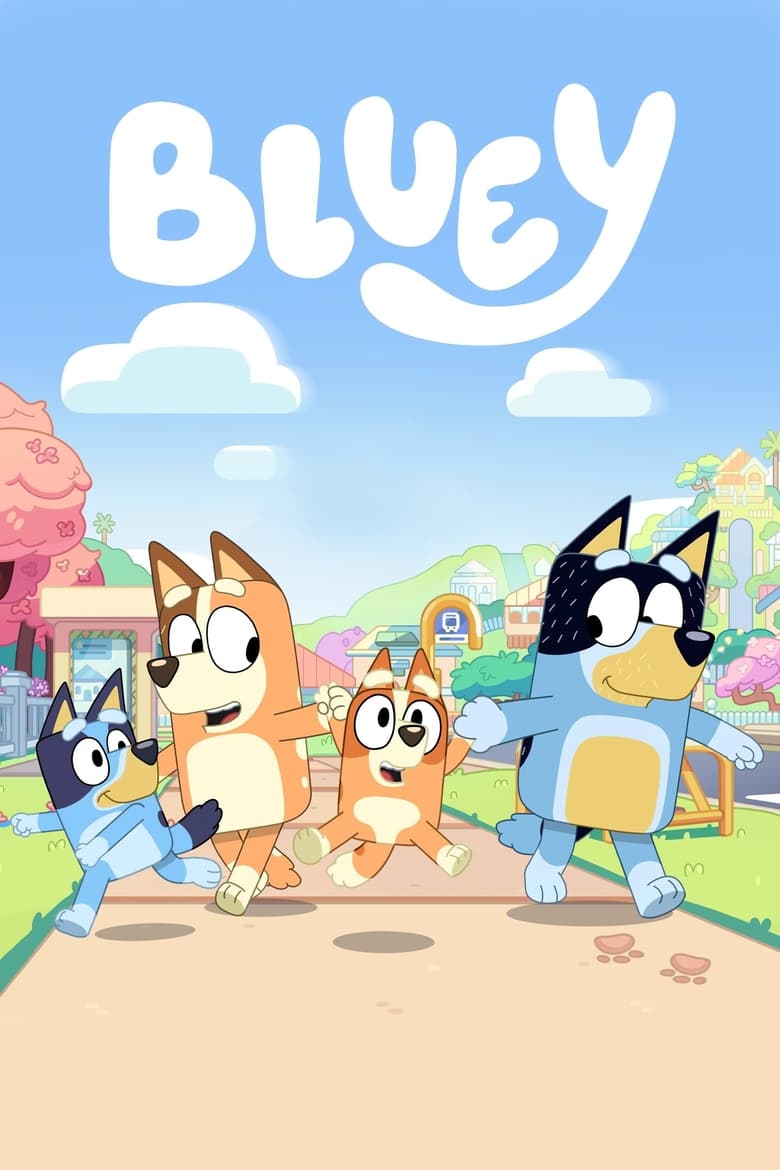
TV Show · 2018
Bluey is an inexhaustible six year-old Blue Heeler dog, who loves to play and turns everyday family life into extraordinary adventures, developing her imagination as well as her…

TV Show · 2021
A series of shorts that follows the humorous misadventures of Dug, the lovable dog from Disney and Pixar’s “Up.” Each short features everyday events that occur in Dug's backyard…
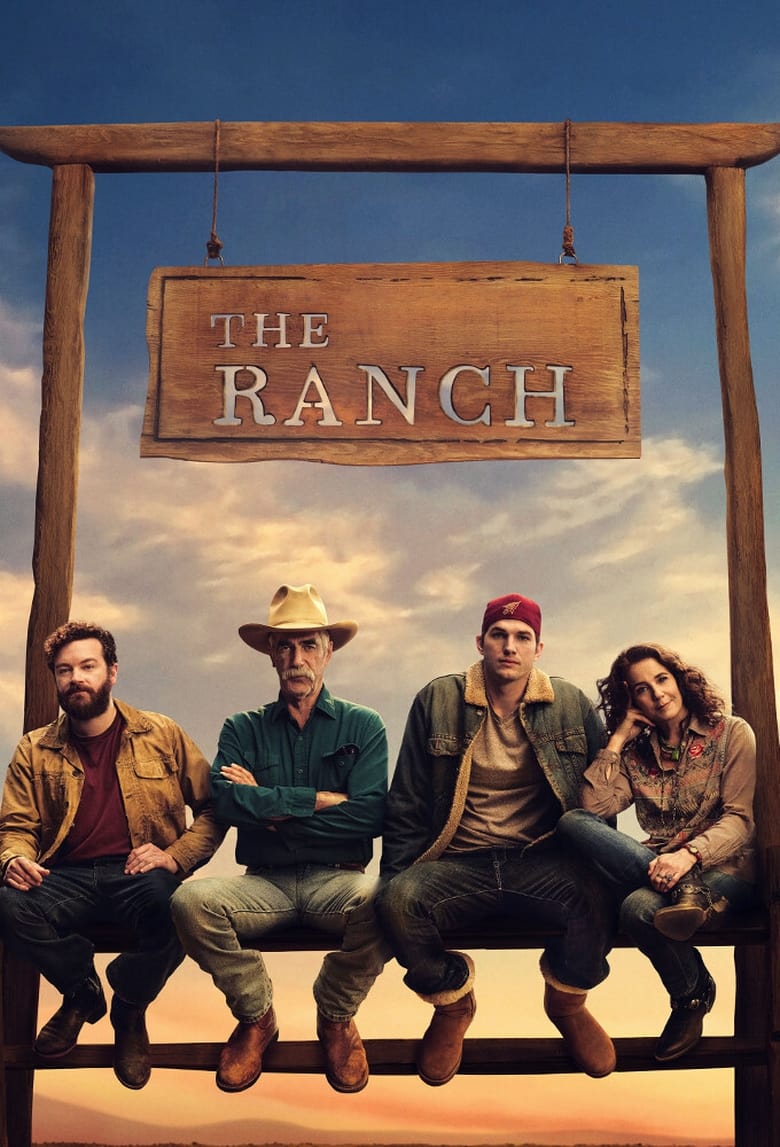
TV Show · 2016
Being a pro athlete didn't pan out for Colt. Now he's helping his dad and brother keep the ranch afloat, and figuring out how he fits into the family.
