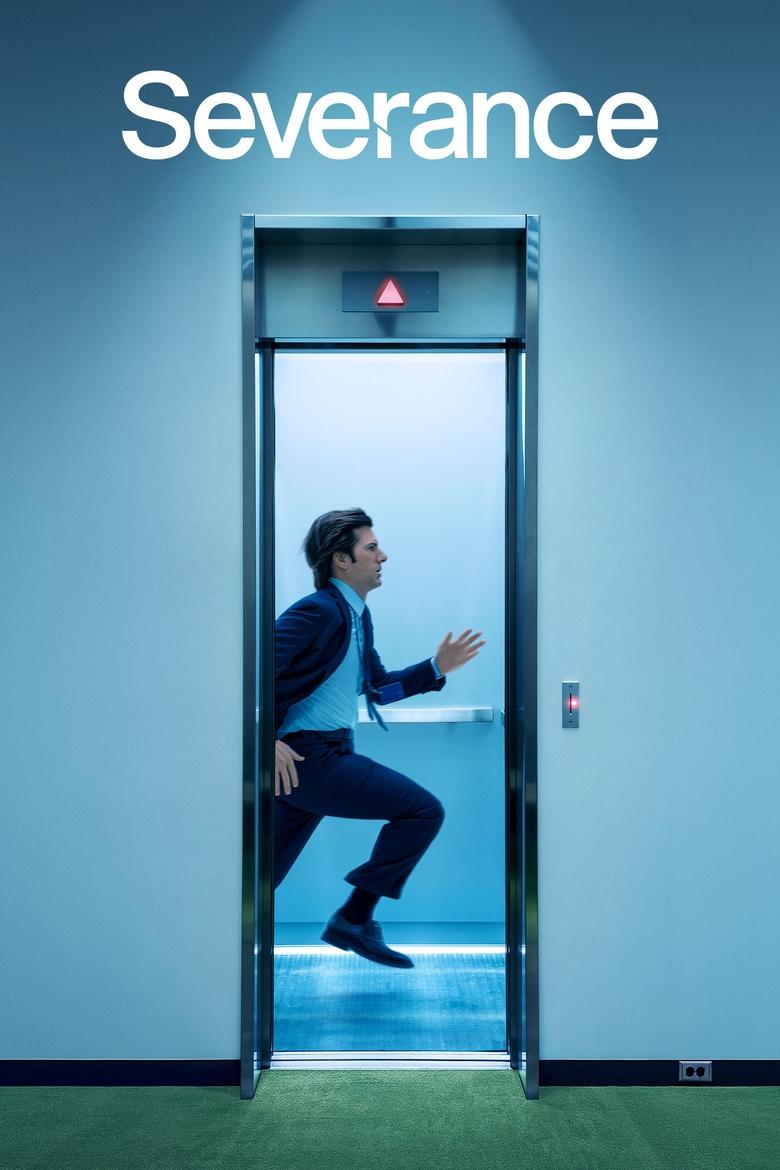

2022– · Based on 2 seasons through March 20, 2025 ·
Mark Scout works at Lumon Industries, where surgery separates employees' work memories from their home memories. Mark and his coworkers slowly learn that their work selves may be separate people trapped inside the company. The show uses a cold office, strange rules, dark humor, and mystery to explore grief, memory, free choice, and control. The second season expands the mystery and shows more of the workers' lives outside Lumon. The show includes a visible romance between the older male coworkers Irving and Burt. Their gentle relationship remains important to both characters across the two seasons. Season two gives more attention to Milchick, a black manager who faces pressure to perform a carefully shaped version of himself for Lumon. The show criticizes corporate control, fake workplace reform, token diversity displays, and pressure to fit a company image, but these themes remain smaller than its main story about work, memory, and personal freedom.
Community feedback
Was our 40% Woke rating accurate?
Loading review details…
Breakdown
These are the editorial factors and ratings behind our score for Severance.
Woke representation / casting
The show has a mixed office cast that generally fits a modern American workplace. Season two makes Milchick's race part of his work story and shows Lumon using a black image of Kier as a diversity gesture. The story treats that gesture as shallow corporate branding instead of honest change. The representation signal is noticeable, but it does not define the cast.
18%
Woke political dialogue
The workers often speak about control, exploitation, reform, and the right to choose their own lives. Lumon uses language about listening, care, and reform while keeping the same harsh system. Season two adds direct discussion of diversity displays and workplace treatment through Milchick. The dialogue is mostly anti-corporate and philosophical rather than repeated speeches about identity politics.
32%
Identity-driven story themes
Irving and Burt's same-sex romance continues as a subplot across both seasons. The relationship receives real emotional weight and is treated as normal without becoming the main plot. Season two adds race and workplace identity to Milchick's story. Mark's split identity, grief, and fight for freedom remain much more important than these themes.
34%
Western institutional / cultural critique
Lumon is shown as a powerful company that controls workers, hides the truth, and turns rebellion into public relations. The workers repeatedly challenge corporate authority and the idea that a company can own part of a person's life. Season two connects this control to shallow diversity displays and pressure to fit a company image. The show does not mainly attack religion, family life, or traditional social rules.
18%
Woke character or canon changes
Not present in this title.
0%
Anti-woke backlash and complaints
A few small online accounts called the show woke, gay, or focused on DEI. Some users mentioned dropping the show or starting a boycott, but the discussion did not spread. No large outlet, public official, organized boycott, or review-bombing campaign connected the show to woke content. Right-leaning praise for the show as less woke does not raise this score.
10%
Creator track record context
Amanda Overton brings a strong queer and representation-first record to the writing team. Patricia Arquette brings a strong public record of activism for women's and LGBTQ+ issues. Wei-Ning Yu and some directors have moderate links to diversity or gender equality. Erickson, Stiller, Scott, and most other key people have low or moderate stored scores, so the overall context is mixed rather than dominant.
40%
Production
TV Show · 2016
Kyle Barnes has been plagued by possession since he was a child. Now an adult, he embarks on a spiritual journey to find answers, but what he uncovers could mean the end of life…

TV Show · 2018
After 250 years on ice, a prisoner returns to life in a new body with one chance to win his freedom: by solving a mind-bending murder.
TV Show · 2020
A unique story told over two distinct halves, "Summer" follows Sam, a man drawn to a mysterious island off the British coast where he encounters a group of islanders set on…
TV Show · 2021
A year after a subglacial volcano erupts, mysterious elements from prehistoric times emerge from the melting ice, bringing unforeseen consequences.
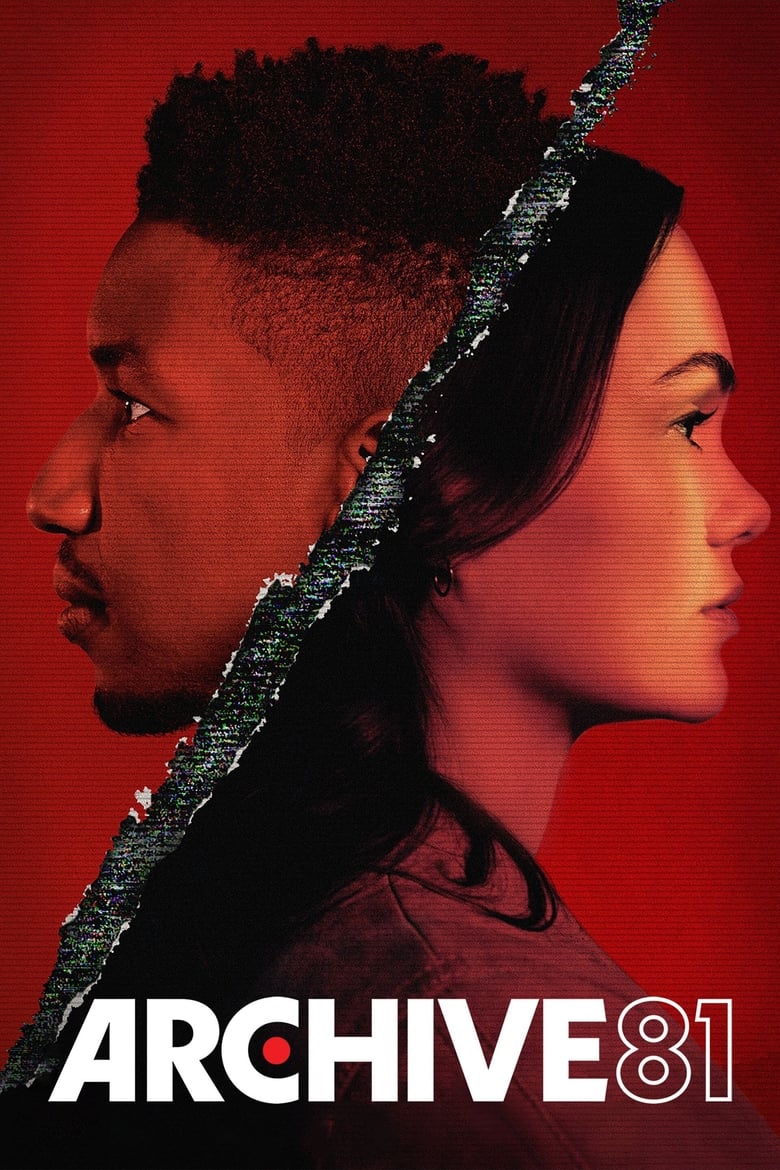
TV Show · 2022
An archivist takes a job restoring damaged videotapes and gets pulled into the vortex of a mystery involving the missing director and a demonic cult.
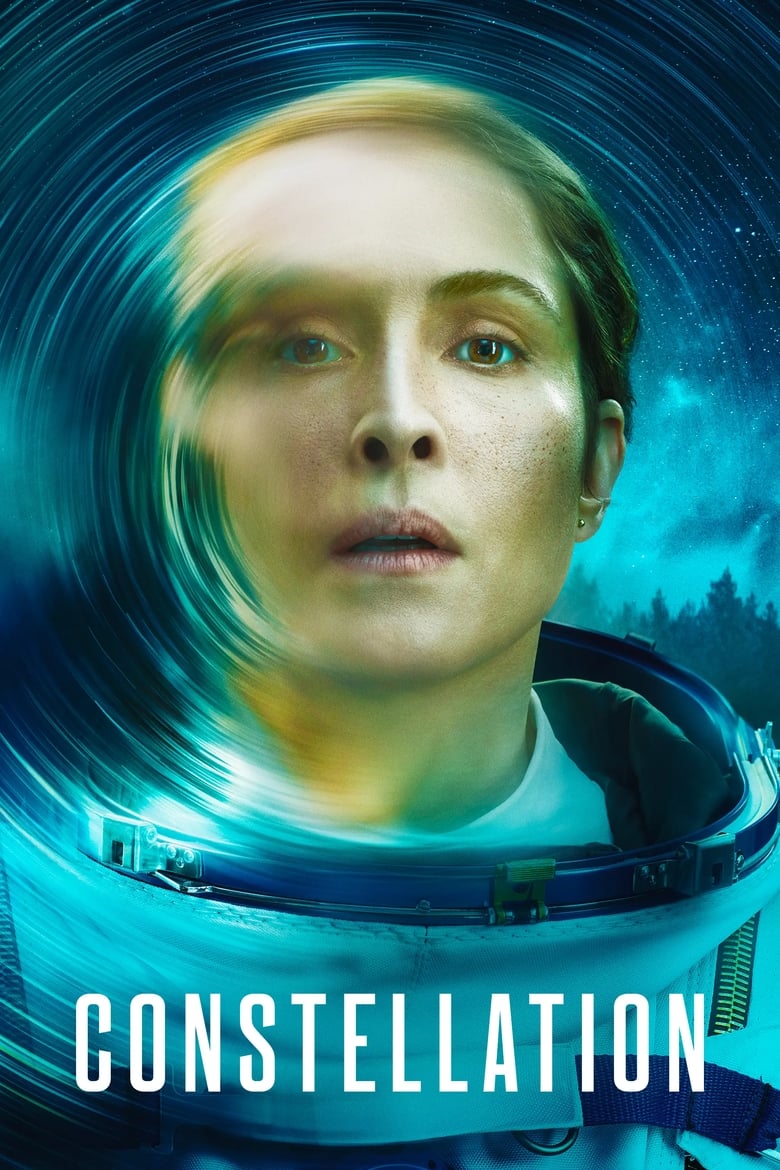
TV Show · 2024
When a fatal accident occurs on board the International Space Station, a lone astronaut makes the heroic journey back to Earth, only to discover key pieces of her life—including…
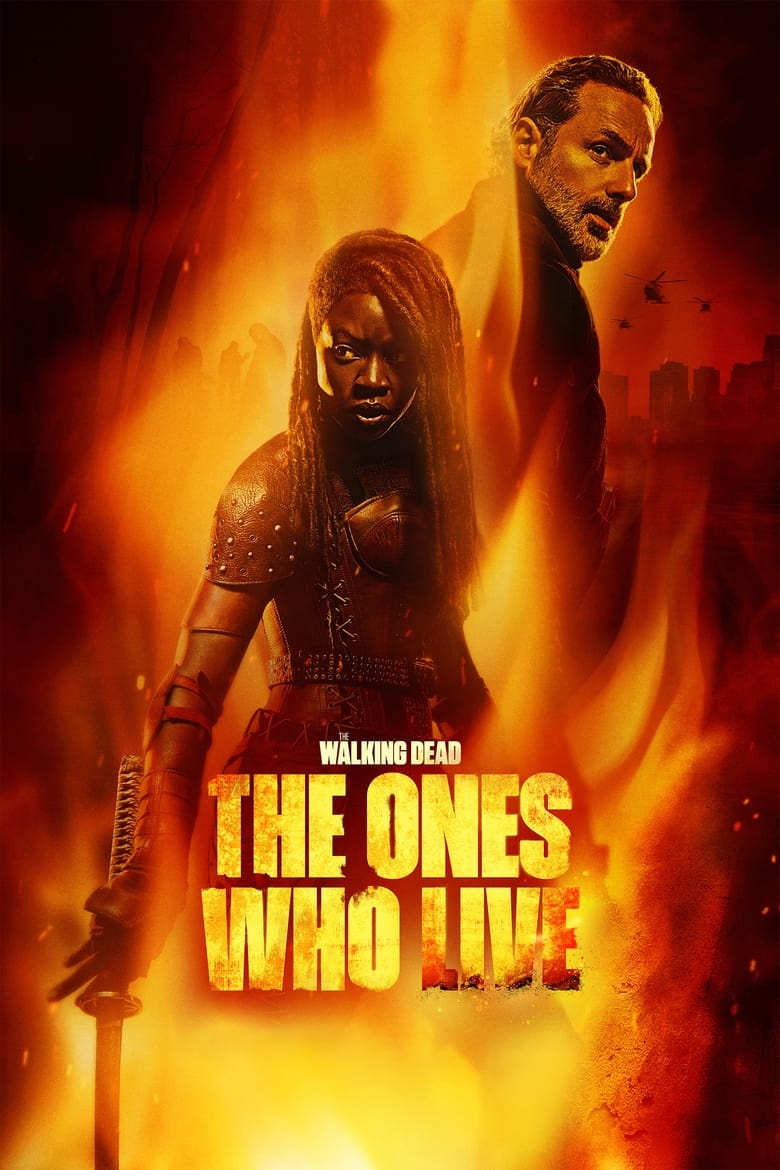
TV Show · 2024
Rick and Michonne are thrown into another world, built on a war against the dead... And ultimately, a war against the living.
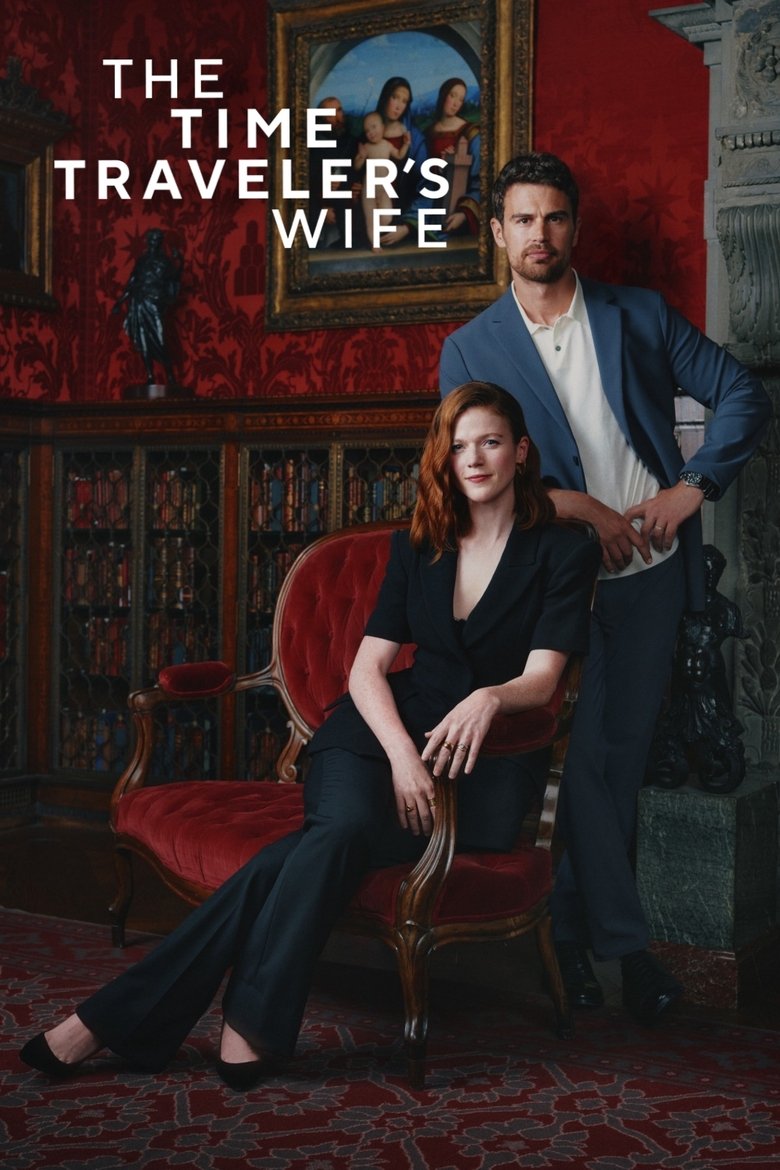
TV Show · 2022
The intricate and magical love story of Clare and Henry, and a marriage with a problem… time travel.
