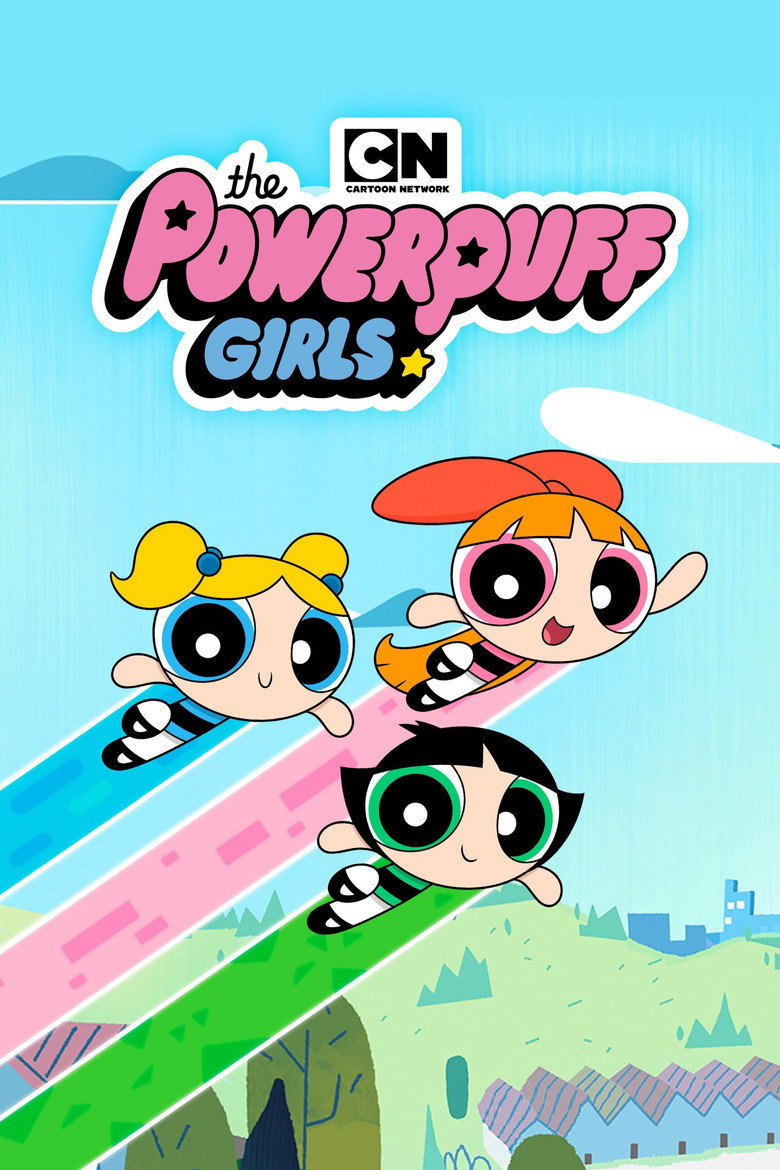

2016–2019 · Based on 3 seasons through June 16, 2019 ·
The Powerpuff Girls follows Blossom, Bubbles, and Buttercup, three superpowered sisters created by Professor Utonium. The girls live in Townsville and attend school while fighting monsters, criminals, and strange villains. Each sister has a different personality, but they work together when danger threatens their city. The show uses bright comedy, fast action, school problems, and simple lessons about friendship and responsibility. The reboot strongly centers female heroes who are smarter, stronger, and more capable than most adults and male characters around them. Many episodes use girl-power ideas about confidence, teamwork, unfair treatment, and female leadership. The fourth girl, Bliss, adds a major race-based representation change to the established team. The show also includes gender-bending humor around Donny and recurring queer-coded imagery through HIM, but it does not make LGBTQ identity the main story.
Community feedback
Was our 70% Woke rating accurate?
Loading review details…
Breakdown
These are the editorial factors and ratings behind our score for The Powerpuff Girls.
Woke representation / casting
The three main heroes are girls, and the series repeatedly places female children in the strongest heroic roles. The 2017 “Power of Four” special adds Bliss as a black fourth hero. Bliss receives a major origin story and becomes part of the core team. The show does not present most of its casting as a broad diversity campaign, so the score remains moderate.
42%
Woke political dialogue
The girls regularly speak about confidence, fairness, teamwork, and standing up to unfair treatment. Several episodes use clear girl-power lessons and jokes about gender roles. The show rarely gives long political speeches or direct modern DEI language. The messaging is noticeable but usually part of short children’s comedy plots.
22%
Identity-driven story themes
The series repeatedly makes female strength, female leadership, and resistance to gender expectations part of its story. The girls often solve problems that adults and male characters cannot solve. Bliss adds a race-based identity element to the team and receives a story about belonging and control. These themes recur across the run, but the show remains mainly an action comedy.
58%
Western institutional / cultural critique
The show often makes foolish men, weak authority figures, and selfish adult leaders the target of jokes. Episodes sometimes question traditional ideas about who should lead or who should be powerful. The criticism stays broad and comic rather than becoming a sustained attack on Western institutions, religion, or conservative politics.
34%
Woke character or canon changes
The reboot adds Bliss as a fourth Powerpuff Girl and gives her a black identity that was not part of the earlier team. That change is central to the “Power of Four” story and was publicly discussed as a diversity choice. The reboot also removes or changes familiar characters, but ordinary redesigns and writing changes do not raise this score.
48%
Anti-woke backlash and complaints
Some viewers and online commentators called the reboot feminist propaganda or complained that female characters were made dominant while male characters were mocked. Bliss also drew limited claims that the show was adding a diversity character for publicity. These complaints appeared across fan discussions and some entertainment coverage, but they did not become a major national controversy or organized campaign.
25%
Creator track record context
Several writers have stored scores from 50 to 65 and have documented links to representation-focused animation or cultural storytelling. Other writers and directors have low or unclear records. The strongest creator evidence supports a moderate representation-aware background, but it does not show that the whole staff shared a strong activist public profile.
43%
Production
TV Show · 2018
As the Dragon Master, Po has endured his fair share of epic challenges but nothing could prepare him for his greatest one yet-as a Kung Fu teacher to a group of rambunctious kids…
TV Show · 2021
Two very different families join forces to create a new community, an us-against-the-world, cave person co-op on the most amazing farm in the history of prehistory!
TV Show · 2016
After uncovering a mysterious amulet, an average teen assumes an unlikely destiny and sets out to save two worlds.
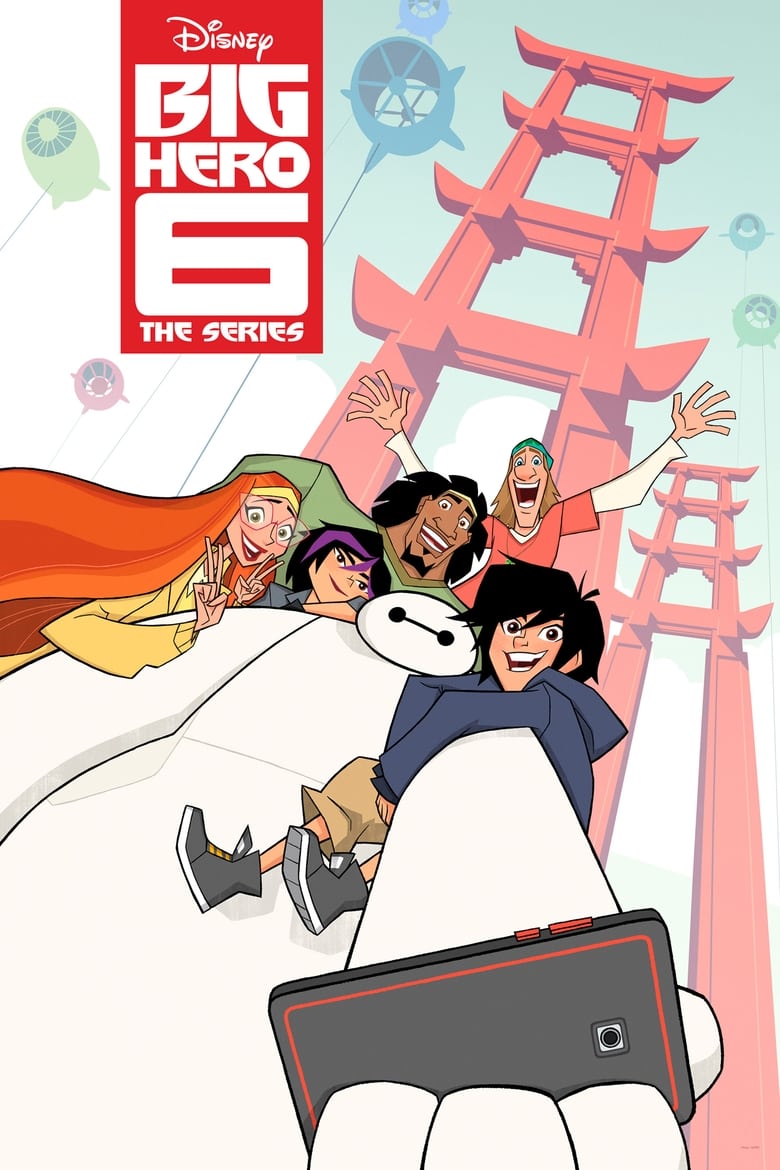
TV Show · 2017
Picking up immediately following the events in the feature film, these are the continuing adventures and friendship of 14-year-old tech genius Hiro and his compassionate…
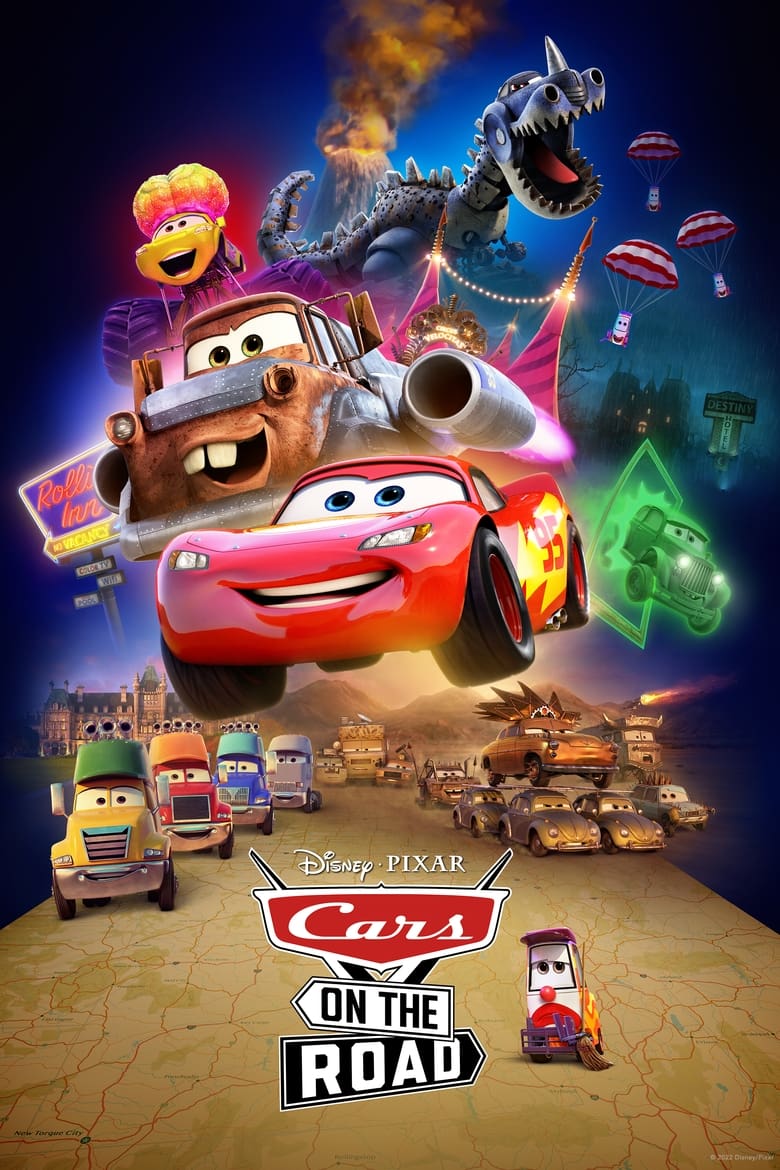
TV Show · 2022
Lightning McQueen and his best friend Mater head east from Radiator Springs on a cross-country road trip to meet up with Mater’s sister.
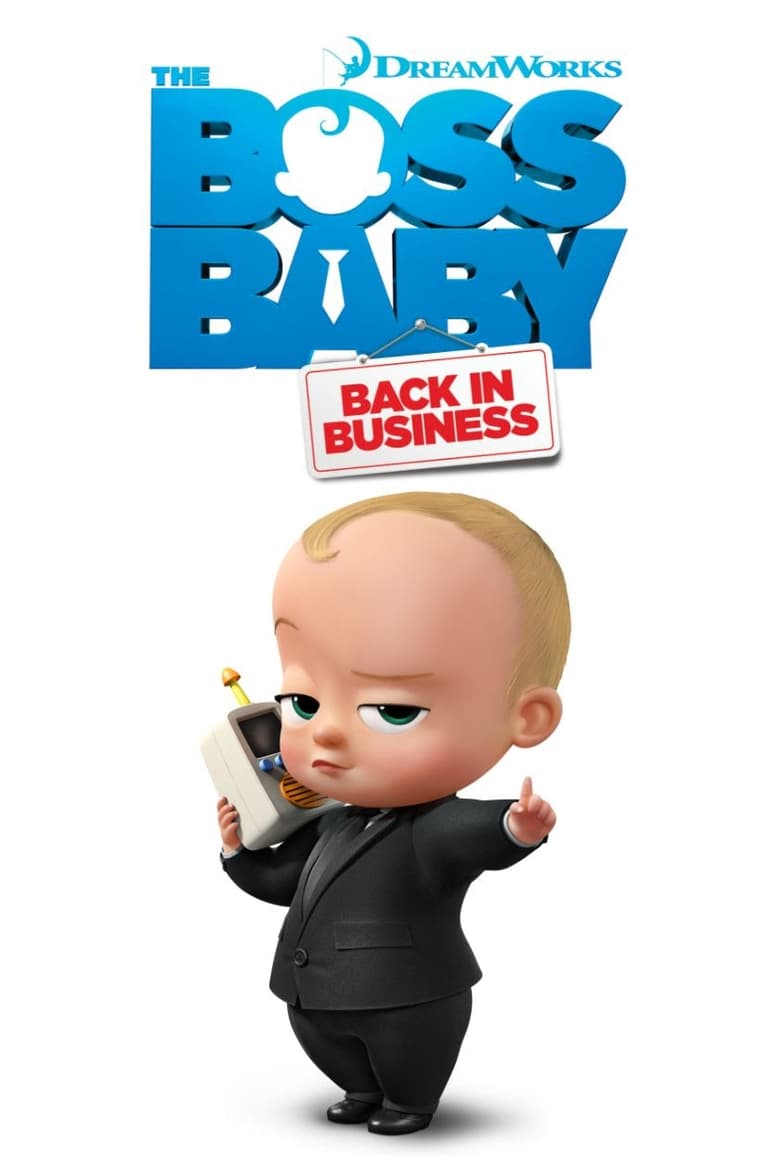
TV Show · 2018
The Boss Baby brings his big brother Tim to the office to teach him the art of business in this animated series sprung from the hit film.
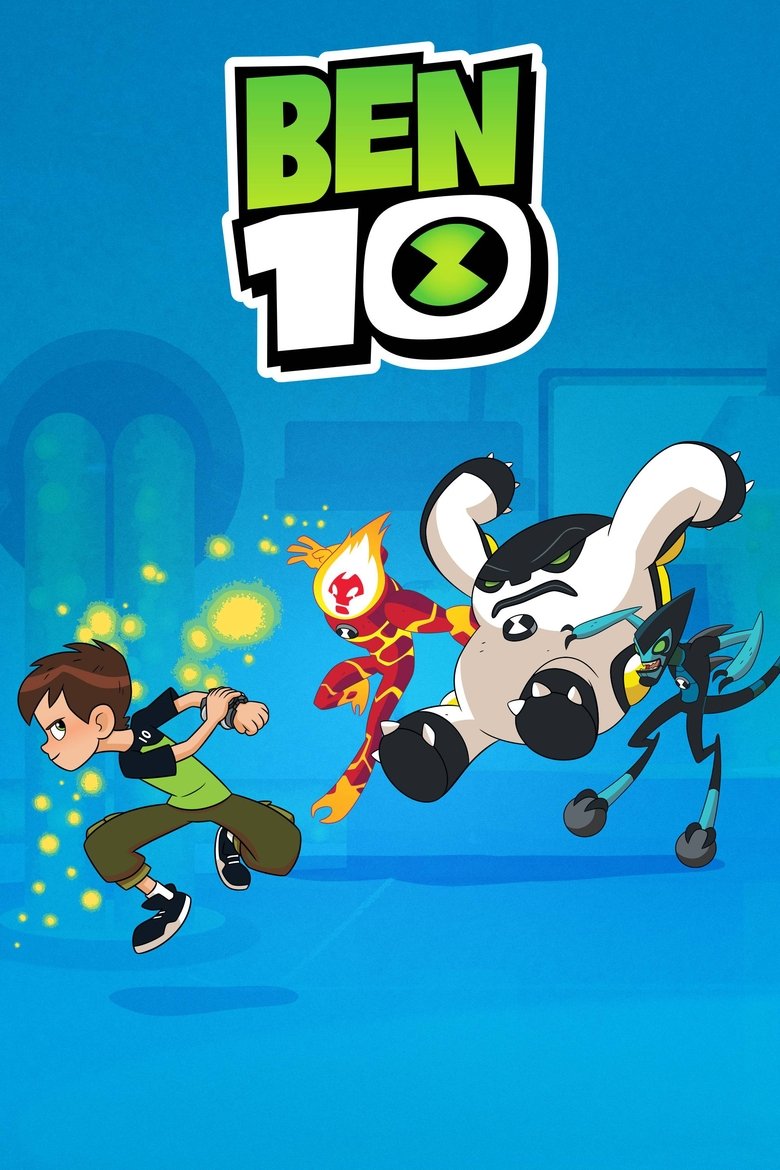
TV Show · 2016
With the fifth offshoot of the "Ben 10" franchise, the animated series returns to its roots and its original name, bringing 10-year-old Benjamin "Ben" Tennyson, his cousin Gwen…
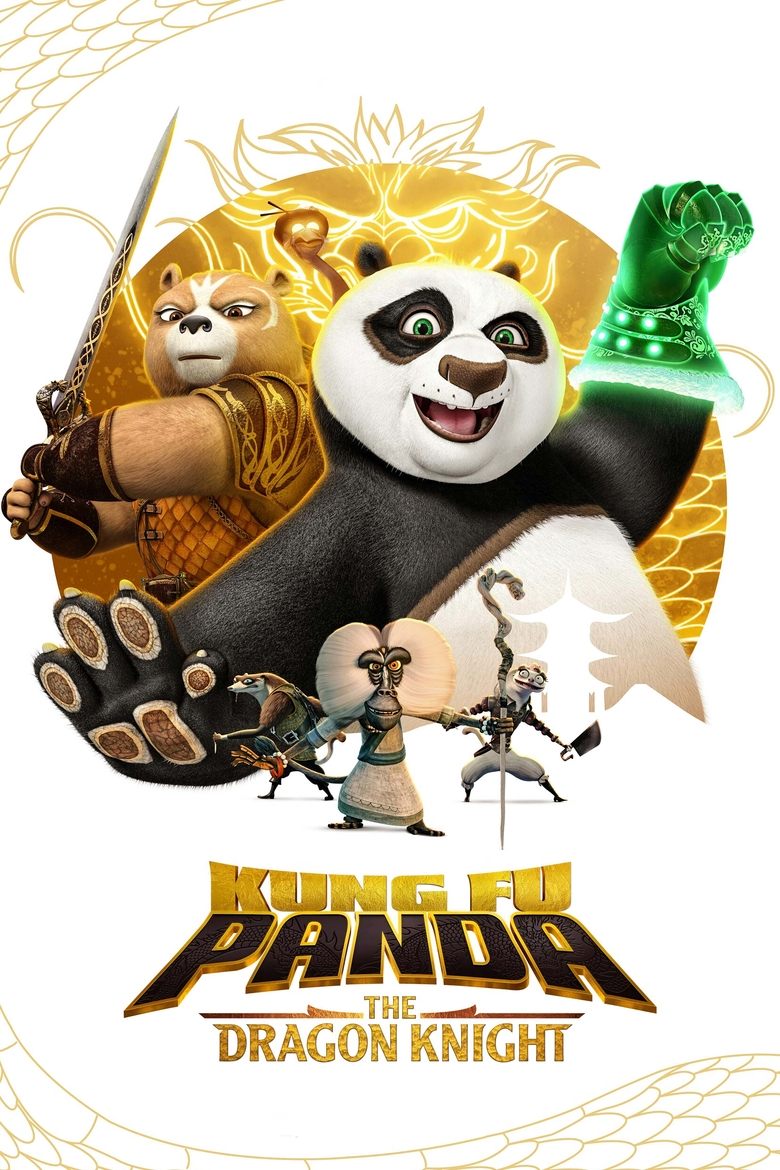
TV Show · 2022
Follow the adventures of Po, who partners up with a no-nonsense English knight named Wandering Blade to find a collection of four powerful weapons before a mysterious pair of…
