
2022–2026 · Based on 4 seasons through July 29, 2026 ·
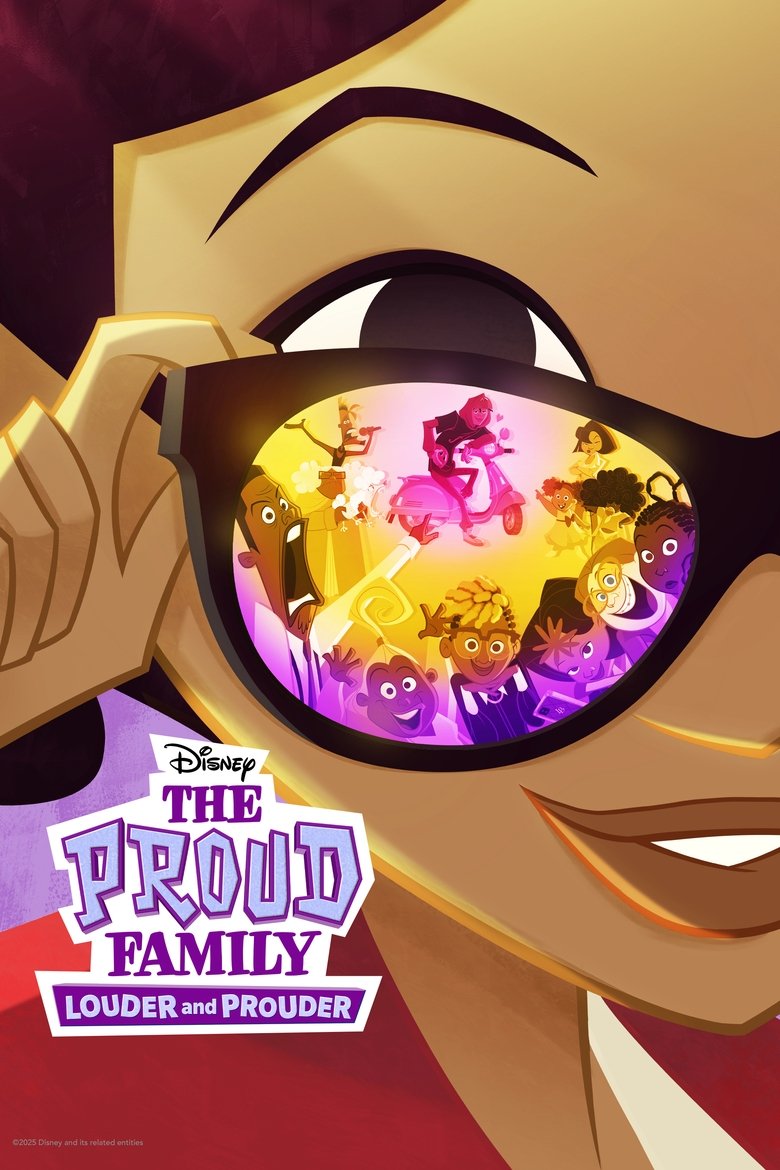
Penny Proud is a 14-year-old Black girl who grows up with her family in modern California. She balances school, friends, music, family arguments, and the pressure to fit in. Her parents, Oscar and Trudy, often disagree about how to guide her. The show uses bright animation, jokes, music, and family stories. The series openly centers black identity, pride, equality, and acceptance. Penny and her friends face racism, unfair treatment, bullying, body shame, and arguments about social change. Michael is openly gay, and Maya and KG have two fathers. Several episodes present inclusion and LGBTQ acceptance as clear moral lessons. The show often gives Penny and the girls the strongest voices while making older or traditional characters learn from them.
Community feedback
Was our 92% Woke rating accurate?
Loading review details…
Breakdown
These are the editorial factors and ratings behind our score for The Proud Family: Louder and Prouder.
Woke representation / casting
The show places black characters and black family life at the center of nearly every episode. The main cast includes a wide range of black personalities, body types, family backgrounds, and social views. The series also gives prominent space to gay characters and a same-sex couple. The casting is part of a clear representation-first design.
75%
Woke political dialogue
Characters regularly discuss racism, slavery, equality, bullying, colorism, identity, and acceptance. Penny and her friends often explain why unfair treatment should change. The dialogue is usually placed inside jokes and family stories, but these ideas return across many episodes. The show sometimes uses direct lessons aimed at younger viewers.
62%
Identity-driven story themes
The series makes Black pride and social acceptance major parts of Penny’s world. Michael’s openly gay identity is treated as a normal and positive part of the group. Maya and KG’s two-father family supports stories about tolerance and judging people fairly. Recurring plots about race, gender identity, body image, and social pressure make identity themes central.
78%
Western institutional / cultural critique
The show often questions racism, unfair social rules, colorism, and older views about gender and family life. Penny and the girls commonly challenge adults who hold narrow or traditional opinions. Some stories criticize school, media, business, or family attitudes that treat certain groups unfairly. The criticism is usually softened by comedy and personal growth.
52%
Woke character or canon changes
The revival changes Michael from a mostly implied character into an openly gay one. It also adds Maya and KG, who have two fathers, as important recurring characters. These identity changes were widely discussed as part of the revival’s modern update. The changes affect character stories rather than being small background details.
65%
Anti-woke backlash and complaints
Several social media accounts and viewer discussions called the revival woke or complained about race, LGBTQ characters, and social lessons. Some posts objected to the treatment of white characters and to scenes about slavery or racism. The complaints appeared across more than one platform, but they did not become a major organized boycott or national news cycle.
34%
Creator track record context
Bruce W. Smith and Ralph Farquhar have repeatedly created stories about black families and cultural life. Tiffany Thomas has worked on projects about race, black history, Indigenous people, and inclusion. The creators are not mainly known as political campaigners, but representation is a strong and repeated part of their work.
58%
Production
TV Show · 2020
A series of short form cartoons starring the iconic and beloved Looney Tunes characters. Bugs Bunny, Daffy Duck, Porky Pig and other marquee Looney Tunes characters are featured…
TV Show · 2018
Bluey is an inexhaustible six year-old Blue Heeler dog, who loves to play and turns everyday family life into extraordinary adventures, developing her imagination as well as her…
TV Show · 2019
The Mystery Inc. gang solve bigger mysteries while also encountering many memorable celebrities.
TV Show · 2024
Riley is growing up and when her memories need some extra processing, Joy and the rest of the Core Emotions send them to Dream Productions.
TV Show · 2018
The offbeat adventures of 10-year-old Cricket Green, a mischievous and optimistic country boy who moves to the big city with his wildly out of place family – older sister Tilly…
TV Show · 2021
Ever since he was a kid, Tylor Tuskmon has dreamed of becoming a Scarer just like his idol James P. Sullivan, and now that dream is about to come true... or not.
TV Show · 2016
Milo Murphy is the personification of Murphy’s Law where anything that can go wrong will go wrong. Suffering from Extreme Hereditary Murphy’s Law condition (EHML), Milo always…

TV Show · 2021
A series of shorts that follows the humorous misadventures of Dug, the lovable dog from Disney and Pixar’s “Up.” Each short features everyday events that occur in Dug's backyard…
