
TV Show review
2025– · Based on 2 seasons through December 22, 2025 ·
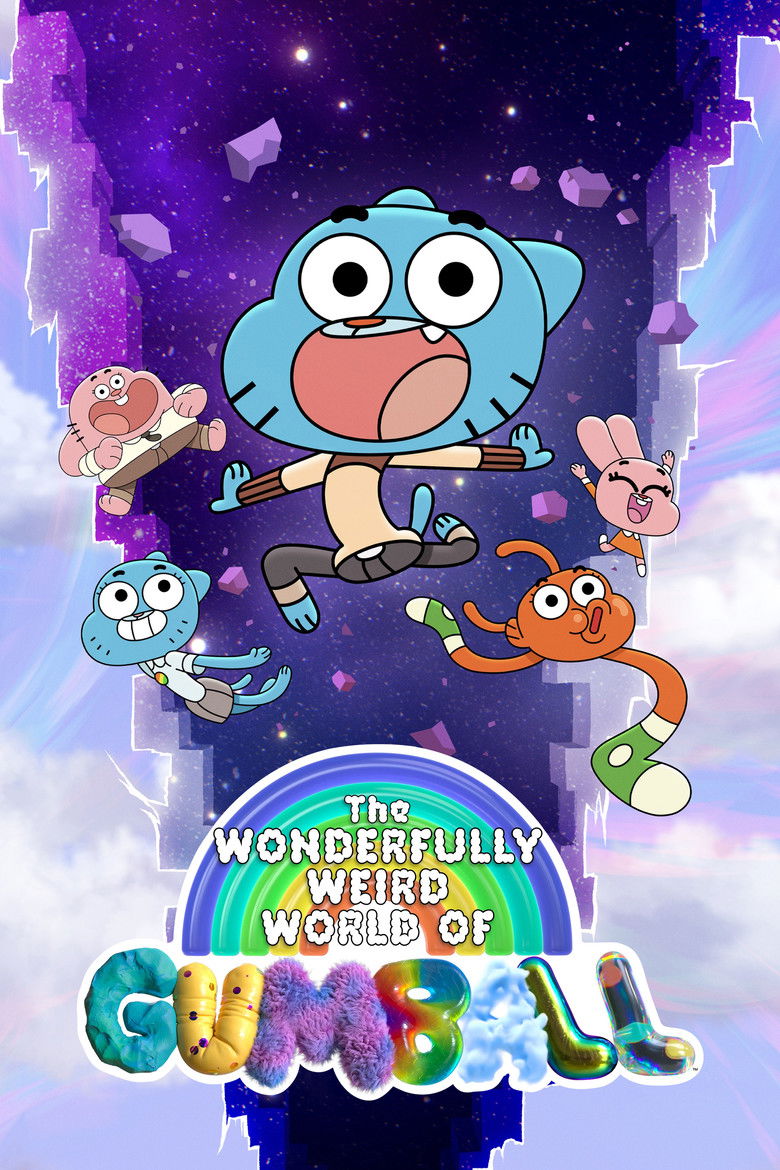
Gumball Watterson is a blue cat who lives in Elmore with his brother Darwin and their unusual family. The brothers turn everyday problems at school and home into wild adventures that often threaten the whole town. Elmore mixes cartoon animals, talking objects, computer animation, and real people. The comedy moves quickly and uses strange surprises, messy friendships, and jokes about modern life. The show sometimes makes social messages part of its jokes and adventures. “The Burger” blames corporate greed for unhealthy food, while “The App” shows social media systems taking over people's lives. Season 2 gives Leslie and Wilson a same-sex romance that Gumball and Darwin help bring together. Nicole boasts about breaking the glass ceiling, and the family often pairs her strength with Richard's helplessness. These elements appear within separate stories, while family loyalty, school trouble, romance, and Gumball's mistakes remain the show's main focus.
Community feedback
Was our 45% Woke rating accurate?
Loading review details…
Breakdown
These are the editorial factors and ratings behind our score for The Wonderfully Weird World of Gumball.
Woke representation / casting
Season 2's “The Diary” confirms same-sex relationships involving Leslie, Wilson, Gregory, and Rotten cupcake. Leslie and Wilson receive the episode's main romantic focus. The episode adds a noticeable group of LGBTQ+ identities among established supporting characters.
30%
Woke political dialogue
Nicole boasts about breaking the glass ceiling and calls herself a boss babe in Season 2's “The Synthesis.” Her words use female empowerment language to describe her career success. Gumball and Darwin challenge corporate greed and demand consumer rights in Season 1's “The Burger.” Their lines present food ownership and profit as public problems.
30%
Identity-driven story themes
Gumball and Darwin work to bring Leslie and Wilson together in Season 2's “The Diary.” The story supports their same-sex romance as a happy outcome. Nicole's strength and Richard's helplessness repeatedly reverse traditional family roles. Season 2's “The Synthesis” gives the mothers and daughters powerful fighting roles while the brothers fail at the same technique.
35%
Western institutional / cultural critique
Season 1's “The Burger” presents corporate control of the whole food supply as harmful to ordinary families. Mr. Bilderburger profits from unhealthy food and blocks the brothers from growing their own. Season 1's “The App” shows social media systems draining users' time and spreading misinformation. These stories blame business systems that control food and attention, rather than only one person's bad behavior.
38%
Woke character or canon changes
Not present in this title.
0%
Anti-woke backlash and complaints
Several Reddit viewers call the revival woke and accuse it of political preaching. Some viewers describe “The Burger” as an unwanted eat-the-rich message. Similar complaints appear in separate threads about the revival's writing. A later comment also calls Season 2 woke indoctrination.
25%
Creator track record context
Rachel WD's stored record includes queer family life, homophobia, and gender expectations. Kate Davies's stored record includes repeated LGBTQ+ stories. Their past work provides identity-driven context alongside Season 2's same-sex romance. Ben Bocquelet and most other listed creative people have lower stored scores.
27%
Production
TV Show · 2022
There's no guarding the galaxy from this mischievous toddler! Get ready as Baby Groot takes center stage in his very own collection of shorts, exploring his glory days growing up…
TV Show · 2021
Frozen’s beloved snowman retelling several classic Disney tales as only he can.
TV Show · 2021
Follow a younger Patrick Star living at home with his family, where he hosts his own variety show for the neighborhood from his television-turned-bedroom.
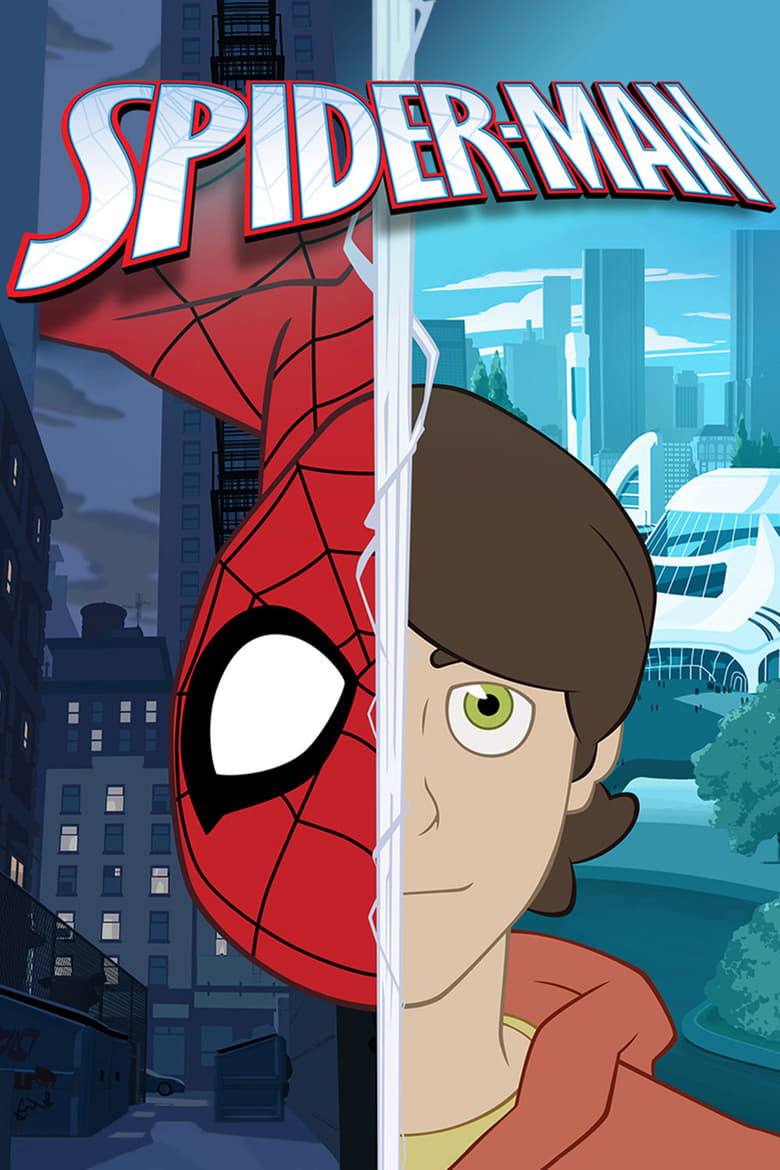
TV Show · 2017
An insecure but courageous and intelligent teen named Peter Parker, a new student of Midtown High, is bitten by a radioactive spider and given powers.
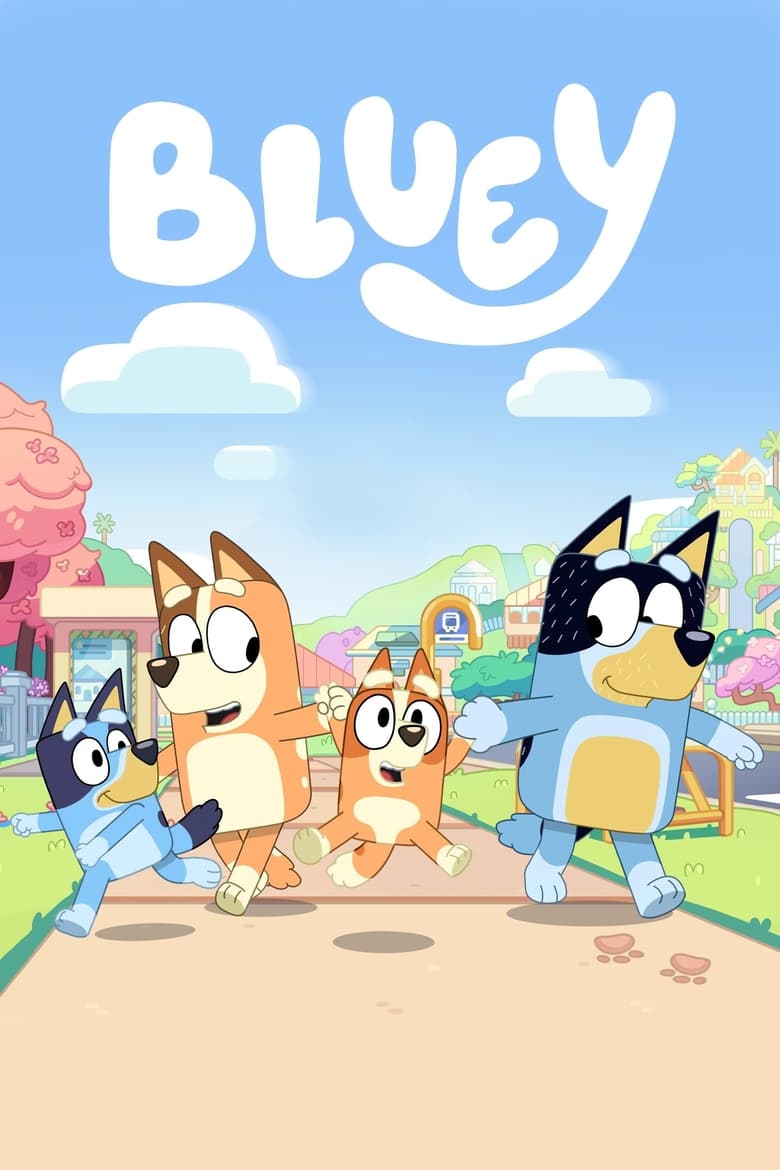
TV Show · 2018
Bluey is an inexhaustible six year-old Blue Heeler dog, who loves to play and turns everyday family life into extraordinary adventures, developing her imagination as well as her…
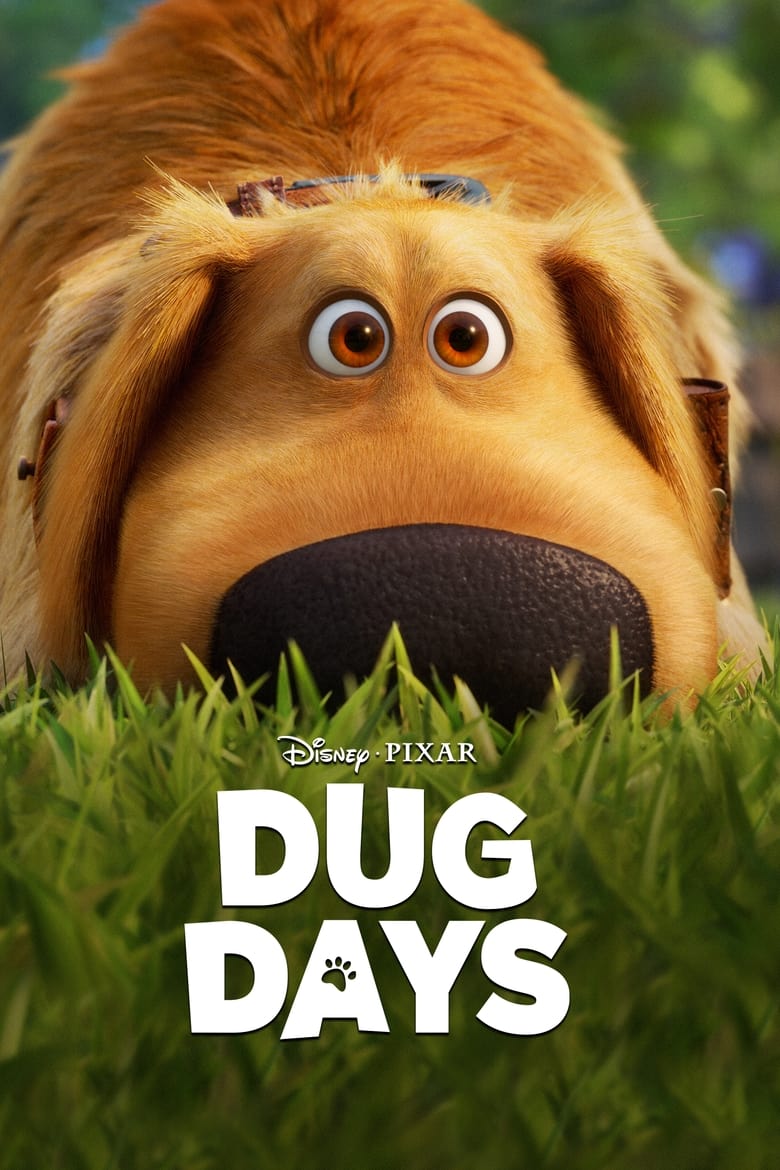
TV Show · 2021
A series of shorts that follows the humorous misadventures of Dug, the lovable dog from Disney and Pixar’s “Up.” Each short features everyday events that occur in Dug's backyard…
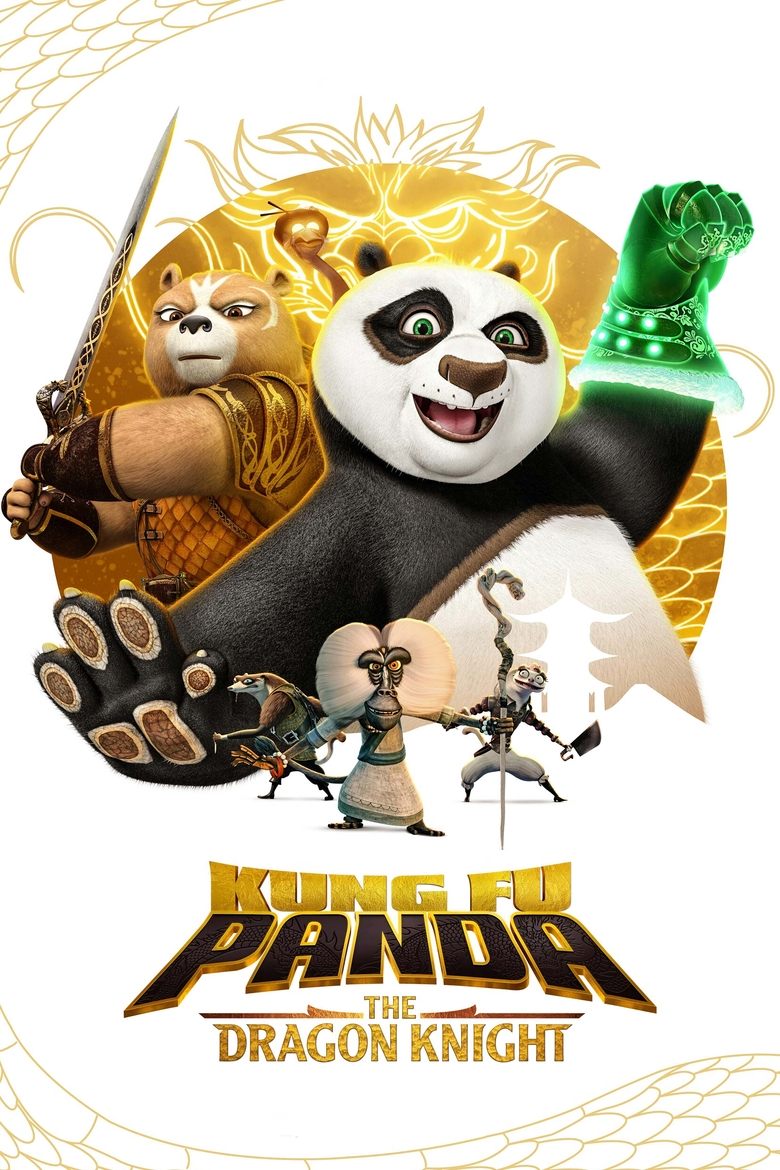
TV Show · 2022
Follow the adventures of Po, who partners up with a no-nonsense English knight named Wandering Blade to find a collection of four powerful weapons before a mysterious pair of…
TV Show · 2026
After the Clone Wars, Maul plots to rebuild his criminal syndicate on a planet untouched by the Empire.
